How to Plan and Attend Campus Events Successfully invites you to unlock the full potential of your university journey. This guide is crafted to transform how you engage with campus life, turning potential opportunities into memorable experiences.
We will delve into the core reasons why campus events are vital for your growth, offering practical strategies to discover, plan, and maximize your participation. From academic seminars to vibrant social gatherings, understanding how to navigate these events will significantly enrich your student development and foster valuable connections.
Understanding the Importance of Campus Events
Campus events serve as vibrant hubs that significantly contribute to the holistic development of students. They are not merely social gatherings but integral components of the university experience, fostering a sense of community, personal growth, and invaluable skill acquisition. Engaging with the diverse array of events offered can profoundly shape a student’s journey, transforming their time at university into a more enriching and impactful period.The university environment thrives on active participation, and campus events are the primary catalysts for this engagement.
They provide a platform for students to step outside their academic routines, explore new interests, and connect with peers and faculty on a deeper level. This active involvement is crucial for cultivating a well-rounded individual, equipped with both academic knowledge and essential life skills.
Student Engagement and Development
Campus events are instrumental in fostering student engagement by providing opportunities for active participation and involvement in university life. These events encourage students to explore their passions, develop new skills, and build a sense of belonging within the university community. The exposure to different activities and perspectives contributes significantly to personal and intellectual growth, moving beyond the confines of classroom learning.The benefits extend to various facets of student development:
- Leadership Opportunities: Many events require student organizers, offering practical experience in project management, teamwork, and decision-making.
- Skill Enhancement: From workshops on public speaking to coding bootcamps, events provide avenues to acquire new skills or refine existing ones.
- Cultural Enrichment: Exposure to diverse cultural performances, exhibitions, and discussions broadens perspectives and fosters global awareness.
- Stress Reduction: Participating in recreational or artistic events can offer a healthy outlet for stress relief and improve overall well-being.
Networking and Social Connections
Attending campus events is a powerful strategy for building a robust network and forging meaningful social connections. These occasions bring together individuals with shared interests, academic pursuits, and diverse backgrounds, creating fertile ground for relationship development. The informal settings often encourage more genuine interactions, leading to friendships and professional contacts that can last a lifetime.The value of these connections is multifaceted:
- Peer Support: Friendships formed at events can provide a crucial support system for navigating academic challenges and personal adjustments.
- Mentorship: Interactions with faculty, alumni, and guest speakers at events can lead to valuable mentorship opportunities.
- Future Collaborations: Networking can open doors to collaborative projects, research opportunities, and future career paths.
- Sense of Community: Belonging to a social group or club originating from event interactions strengthens a student’s connection to the university.
Enhancing the Overall University Experience
The university experience transcends academic achievements; it encompasses personal growth, social integration, and the creation of lasting memories. Campus events play a pivotal role in enriching this experience by offering diverse avenues for exploration and participation, making the university journey more dynamic and fulfilling. These events contribute to a vibrant campus culture that fosters a sense of belonging and encourages students to make the most of their time.Key aspects that are enhanced by event participation include:
- Discovering New Interests: Events expose students to a wide range of activities they might not otherwise encounter, leading to the discovery of new hobbies and passions.
- Developing a Sense of Belonging: Active participation in events helps students feel more connected to the university community, reducing feelings of isolation.
- Creating Lasting Memories: Shared experiences at events contribute to a rich tapestry of memories that students will cherish long after graduation.
- Building a Well-Rounded Profile: Involvement in events, alongside academic pursuits, demonstrates initiative, diverse interests, and a capacity for engagement, which are valuable for future endeavors.
“Campus events are the threads that weave the fabric of university life, connecting students to each other, to their aspirations, and to the broader community.”
Identifying and Discovering Campus Events
Navigating the vibrant landscape of university life often involves participating in a wide array of events. To make the most of your academic journey, it’s essential to be aware of what’s happening around campus. Proactive discovery ensures you don’t miss out on opportunities for learning, networking, and social engagement that can enrich your student experience.Understanding the diverse types of events available and knowing where to find information about them are the first steps to becoming an engaged member of the university community.
This section will guide you through effective methods for uncovering upcoming campus activities and highlight the common platforms and event categories you can expect.
Event Information Channels
Universities employ various communication strategies to inform their students about upcoming events. Familiarizing yourself with these channels will significantly improve your ability to stay updated and plan your participation.Here are the primary ways event information is typically disseminated:
- University Websites and Portals: Most universities maintain dedicated sections on their official websites for events, often categorized by department, student life, or academic calendar. Student portals, which students log into for academic information, frequently feature event calendars or news feeds.
- Email Newsletters and Listservs: Regular email communications from university departments, student organizations, and general campus news services are a common way to receive event announcements. Subscribing to relevant lists is highly recommended.
- Social Media: University departments, student clubs, and event organizers actively use platforms like Instagram, Facebook, Twitter, and LinkedIn to share event details, promotional materials, and updates. Following official university accounts and those of your interests is crucial.
- Physical Notice Boards and Flyers: Despite the digital age, physical posters and flyers remain a visible presence in high-traffic areas such as student unions, libraries, academic building entrances, and dining halls.
- Campus Event Apps: Some universities develop or utilize dedicated mobile applications that aggregate event listings, allowing students to browse, filter, and even RSVP to events.
- Student Organization Meetings and Announcements: If you are part of a student organization, attending their meetings or engaging with their communication channels will provide insights into their planned events and collaborations.
- Departmental Communications: Academic departments often host guest lectures, workshops, and symposia relevant to their fields. Keep an eye on departmental websites, bulletin boards, and direct emails from your professors or program coordinators.
Common Types of Campus Events
University campuses are dynamic environments that host a broad spectrum of events catering to diverse interests and academic pursuits. Recognizing these categories can help you identify events that align with your goals and preferences.The following are common types of events frequently found on university campuses:
- Academic and Educational Events: These include lectures by distinguished speakers, academic conferences, research symposiums, workshops, seminars, and departmental colloquiums designed to deepen understanding in specific fields. For instance, a computer science department might host a “Future of AI” lecture series featuring industry experts.
- Cultural and Arts Events: Universities are hubs for artistic expression. This category encompasses art exhibitions, musical performances (orchestral, jazz, student ensembles), theater productions, film screenings, poetry readings, and cultural festivals celebrating diverse traditions. A university’s art gallery might feature a rotating exhibition of contemporary local artists.
- Social and Networking Events: These events are designed to foster community and connections. Examples include welcome week activities, holiday parties, club fairs, informal meet-ups, alumni networking events, and career fairs. A large career fair could connect hundreds of students with dozens of potential employers.
- Student Life and Extracurricular Activities: This broad category covers events organized by student government, clubs, and organizations. It includes sporting events (varsity and intramural), volunteer opportunities, guest speakers on topics of general interest, game nights, and recreational activities. The student union might host a weekly trivia night.
- Wellness and Health Events: Universities often promote student well-being through events focused on mental and physical health. These can include yoga and meditation sessions, fitness challenges, workshops on stress management, health screenings, and nutrition seminars. A campus health center might offer free flu shot clinics in the fall.
- Career and Professional Development Events: Beyond career fairs, these events focus on equipping students with professional skills. This includes resume writing workshops, interview skills training, networking events with industry professionals, and talks on career exploration. A business school might host a “LinkedIn Profile Optimization” workshop.
- Political and Social Awareness Events: These events address current social and political issues, often featuring debates, panel discussions, guest speakers from advocacy groups, and awareness campaigns. For example, a student group might organize a panel discussion on climate change policy.
Planning Your Event Attendance Strategy
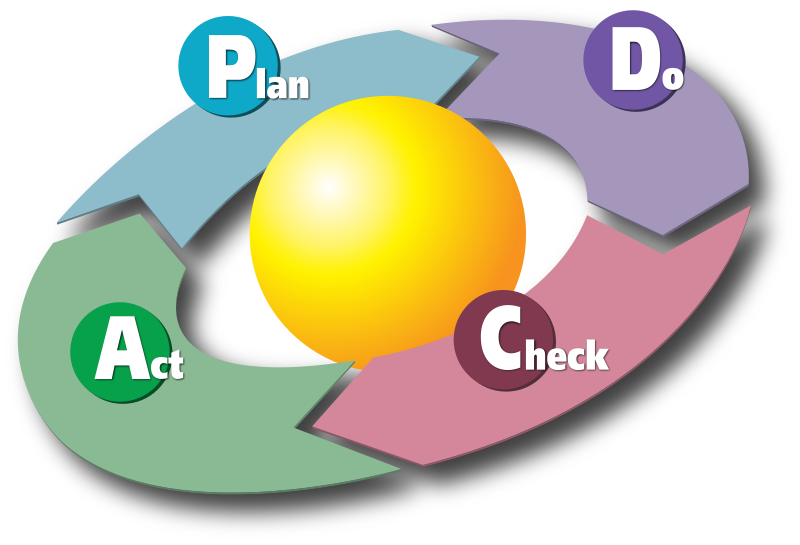
Once you’ve identified a range of exciting campus events, the next crucial step is to develop a strategic approach to ensure you can attend those that align best with your interests and schedule. This involves a thoughtful process of decision-making, organization, and preparation, transforming potential opportunities into tangible experiences. A well-defined strategy maximizes your engagement with campus life and ensures you don’t miss out on valuable events due to poor planning.Developing a robust event attendance strategy is key to a fulfilling campus experience.
It moves beyond simply knowing what’s happening to actively shaping how you participate. This section will guide you through creating a personalized plan that makes event attendance both manageable and rewarding.
Event Selection Process
To effectively decide which campus events to attend, a structured approach is recommended. This process helps prioritize your choices based on relevance, benefit, and feasibility.
- Review Event Descriptions and Goals: Carefully read the summaries and objectives of each event. Consider what you hope to gain from attending – is it for academic enrichment, networking, social connection, skill development, or pure enjoyment?
- Assess Alignment with Interests and Goals: Match the event’s purpose with your personal and academic objectives. If an event directly supports a class project, a career aspiration, or a personal hobby, it should likely receive higher priority.
- Evaluate Time Commitment and Schedule Conflicts: Compare the event’s duration and timing with your existing academic, work, and personal commitments. Look for potential clashes and consider if adjustments can be made.
- Consider the Value Proposition: Think about the unique benefits offered by each event. This could include access to renowned speakers, exclusive workshops, opportunities to meet influential people, or chances to engage with specific communities.
- Seek Recommendations and Reviews: If available, check for feedback from previous attendees or consult with friends, advisors, or student organizations who may have insights into the event’s quality and impact.
- Prioritize Based on Impact: Rank the events based on how much they contribute to your overall campus experience and personal growth. Some events might offer a broad appeal, while others provide a deep, specialized experience.
Personal Schedule Organization for Event Participation
Integrating event attendance into your existing schedule requires careful organization to avoid overcommitment and ensure you can fully engage. A well-structured schedule balances your responsibilities with your desire to participate in campus activities.To effectively organize your personal schedule to accommodate event participation, consider the following:
- Utilize a Digital Calendar: Employ tools like Google Calendar, Outlook Calendar, or Apple Calendar to block out time for classes, study sessions, work, and personal appointments.
- Block Out Event Times: Once you’ve selected events, immediately add them to your calendar, including travel time if necessary. Treat these event blocks with the same importance as academic commitments.
- Create Buffer Time: Schedule short breaks before and after events to allow for transitions, networking, or simply to decompress. This prevents rushing and enhances your overall experience.
- Batch Similar Activities: If possible, group similar events or activities together. For example, if you’re attending a series of workshops, try to schedule them on consecutive days or weeks.
- Review Weekly: Dedicate time each week to review your upcoming schedule, including events. This allows for any necessary adjustments and ensures you are prepared for the week ahead.
- Communicate Availability: If your event attendance requires flexibility from others (e.g., study groups, project meetings), communicate your schedule and potential conflicts in advance.
Essential Items and Preparations Checklist
Being prepared for different types of campus events can significantly enhance your experience and ensure you get the most out of your attendance. A checklist tailored to event types can streamline your preparation process.To ensure you are adequately prepared for various campus events, consider the following checklist:
General Event Attendance Essentials
These items are beneficial for most campus events.
- Student ID: For identification and potential access to student-only events or discounts.
- Notebook and Pen: For taking notes during lectures, workshops, or jotting down ideas.
- Phone and Portable Charger: To stay connected, take photos, and access digital information.
- Water Bottle: To stay hydrated, especially during longer events or outdoor activities.
- Comfortable Footwear: Essential for events that involve a lot of walking or standing.
- Small Bag or Backpack: To carry your essentials conveniently.
Specific Event Type Preparations
Tailor your preparations based on the nature of the event.
| Event Type | Specific Preparations | Recommended Items |
|---|---|---|
| Academic Lectures/Seminars | Review assigned readings beforehand. Prepare thoughtful questions. | Laptop or tablet for note-taking, relevant textbooks. |
| Career Fairs/Networking Events | Research attending companies/organizations. Prepare an elevator pitch. Update your resume. | Multiple copies of your resume, business cards (if applicable), professional attire. |
| Workshops/Skill-Building Sessions | Identify specific skills you want to acquire. | Any required materials mentioned in the event description, comfortable clothing for active participation. |
| Social Gatherings/Club Meetings | Familiarize yourself with the club’s mission or event’s social context. | Enthusiasm and openness to connect with new people. |
| Arts and Cultural Performances | Learn about the performers or artists if possible. | Appropriate attire for the venue, understanding of any venue-specific rules. |
Preparing for Event Day
The culmination of your event planning efforts arrives on event day. This phase focuses on practical readiness, ensuring you can transition smoothly from preparation to active participation and enjoyment. Being well-prepared on the day itself will significantly enhance your overall experience and allow you to fully engage with the opportunities presented by campus events.
Pre-Event Day Checklist
To ensure a seamless event day, it is beneficial to have a clear plan of action. This includes gathering necessary items, confirming logistics, and mentally preparing for the activities ahead. A well-structured checklist can prevent last-minute stress and allow you to focus on enjoying the event.
- Confirm Logistics: Double-check event times, locations, and any specific entry requirements (e.g., tickets, ID).
- Gather Materials: Pack essentials such as a notebook and pen for taking notes, a fully charged phone for communication and photos, and any required personal items.
- Plan Transportation: Determine how you will get to and from the event. Consider public transport schedules, parking availability, or ride-sharing options.
- Review Schedule: Familiarize yourself with the event’s agenda or schedule to identify key sessions or activities you wish to attend.
- Dress Appropriately: Consider the event’s dress code and the weather forecast to ensure comfort and suitability.
Maximizing Your Event Experience
Once you are at the event, several strategies can help you get the most out of your attendance. Active engagement and a proactive approach will lead to richer learning and networking opportunities.
- Arrive Early: Arriving a little before the event starts allows you to find a good spot, orient yourself, and potentially network with early attendees.
- Engage Actively: Participate in discussions, ask questions during Q&A sessions, and interact with speakers or presenters.
- Network Effectively: Introduce yourself to fellow attendees, organizers, and speakers. Prepare a brief introduction about yourself and your interests.
- Take Notes: Jot down key takeaways, interesting points, and contact information to refer back to later. This aids in retention and follow-up.
- Be Present: Minimize distractions from your phone and focus on the event content and interactions.
Navigating Event Spaces and Activities
Campus events can sometimes span multiple locations or have a complex layout. Knowing how to navigate efficiently ensures you don’t miss out on scheduled activities.
- Consult Event Maps: Many larger events provide maps of the venue, highlighting different rooms, stages, and facilities. Familiarize yourself with these before or upon arrival.
- Follow Signage: Pay attention to directional signs and information booths that are typically set up to guide attendees.
- Utilize Event Apps: Some events offer dedicated mobile applications that include schedules, maps, and real-time updates, which can be invaluable for navigation.
- Ask for Assistance: Don’t hesitate to approach event staff or volunteers if you are unsure about directions or the location of a specific activity. They are there to help.
- Prioritize Sessions: If multiple activities are happening simultaneously, refer back to your planned strategy and prioritize which ones align best with your goals.
Engaging and Maximizing the Event Experience

Attending campus events is an opportunity for growth, learning, and connection. To truly benefit from these experiences, active engagement is key. This section will guide you through techniques to participate meaningfully, build valuable relationships, and extend the impact of your event attendance beyond the day itself.Maximizing your event experience involves a proactive approach to participation and connection. It’s about moving beyond passive observation to become an active contributor and learner, transforming each event into a valuable stepping stone for your academic and personal development.
Active Participation Techniques
Engaging actively at an event can significantly enhance your learning and networking opportunities. It transforms a passive experience into an interactive one, allowing you to gain deeper insights and make a memorable impression.Here are several techniques to foster active participation:
- Ask Thoughtful Questions: Prepare questions in advance based on the event’s theme or speaker’s background. During Q&A sessions, ask clear, concise, and relevant questions that demonstrate your engagement and curiosity.
- Contribute to Discussions: If the event includes interactive elements like group discussions or workshops, share your perspectives and insights. Even a brief, well-considered comment can spark further dialogue and demonstrate your understanding.
- Take Notes Strategically: Instead of verbatim transcription, focus on capturing key takeaways, action items, and questions that arise. This active note-taking process helps in processing information and identifying areas for future exploration.
- Participate in Polls and Interactive Features: Many events utilize live polls, chat features, or interactive platforms. Engaging with these tools shows your presence and contributes to the collective experience of the event.
- Offer Feedback: If opportunities for feedback are provided, take the time to offer constructive comments. This not only helps organizers improve future events but also shows your investment in the event’s success.
Strategies for Meaningful Connections
Building connections at campus events is a crucial aspect of personal and professional development. These interactions can lead to friendships, mentorships, and collaborative opportunities.To foster meaningful connections, consider the following strategies:
- Approachability and Openness: Maintain open body language, smile, and be receptive to conversations. A friendly demeanor encourages others to approach you.
- Initiate Conversations: Don’t wait for others to start. A simple introduction, a comment about the event, or a question about their interests can be a great icebreaker. For instance, “Hi, I’m [Your Name]. What did you think of the speaker’s point on [topic]?”
- Listen Actively and Empathetically: Show genuine interest in what others have to say. Ask follow-up questions that demonstrate you’ve been listening and are seeking to understand their perspective.
- Identify Common Ground: Look for shared interests, academic pursuits, or campus involvement. Finding commonalities provides a natural basis for further conversation and connection.
- Connect with Organizers and Presenters: Approaching organizers or speakers after the event to express appreciation or ask a brief follow-up question can create a positive impression and open doors for future interactions.
- Utilize Networking Tools: If the event provides a dedicated networking session or platform, make full use of it. Be prepared with a brief “elevator pitch” about yourself and your interests.
Post-Event Follow-Up for Sustained Engagement
The value of a campus event often extends far beyond its conclusion. Effective follow-up ensures that the connections made and the knowledge gained are not lost, but rather cultivated for future benefit.Following up promptly and thoughtfully is essential for maintaining momentum:
- Send Personalized Thank-You Notes: Within 24-48 hours, send a brief, personalized email to individuals you connected with, referencing a specific point from your conversation. For example, “It was great meeting you at the [Event Name] yesterday. I particularly enjoyed our discussion about [shared topic] and found your insights on [specific aspect] very helpful.”
- Connect on Professional Platforms: If appropriate, send a LinkedIn request or connect on other relevant professional networking sites. Mention how you met at the event to provide context.
- Share Relevant Information: If you promised to share an article, resource, or contact information, do so promptly. This demonstrates reliability and a commitment to the connection.
- Leverage Learned Information: Reflect on the key takeaways from the event. If it was a workshop, try to apply the new skills. If it was a lecture, research a topic that piqued your interest. Share your learning with peers or in relevant academic settings.
- Attend Future Events by the Same Organizers: Showing up for subsequent events hosted by the same organization or individuals you connected with reinforces your interest and helps solidify relationships.
Event Types and Considerations
Campus events are diverse, catering to a wide range of student interests and needs. Understanding these different categories is crucial for effective planning and maximizing your engagement. Each type of event often comes with unique preparation requirements, from the level of formality to the specific resources you might need.Navigating this variety allows you to curate a campus experience that is both enriching and aligned with your personal and academic goals.
By recognizing the distinct characteristics of each event type, you can make more informed decisions about where to invest your time and energy.
Academic Events
Academic events are designed to enhance learning, foster intellectual curiosity, and provide opportunities for scholarly engagement. These can range from guest lectures and panel discussions featuring experts in various fields to research symposiums and academic workshops. The primary goal is to deepen understanding of specific subjects, expose students to cutting-edge research, and encourage critical thinking.Preparation for academic events typically involves reviewing any provided pre-reading materials, formulating thoughtful questions to ask speakers, and being ready to take notes on key concepts and insights.
The environment is generally conducive to focused learning and respectful dialogue.
Social Events
Social events are centered around fostering community, building relationships, and providing avenues for recreation and relaxation. This broad category includes everything from student club gatherings, movie nights, and themed parties to concerts and campus-wide festivals. Their main purpose is to offer a break from academic pressures, encourage interaction among students, and create a vibrant campus atmosphere.The preparation for social events is often more relaxed, focusing on ensuring you have the time and energy to participate fully.
For larger social gatherings like festivals, consider the potential for crowds and plan for comfortable attire and perhaps a small bag for essentials.
Cultural Events
Cultural events celebrate diversity and promote understanding and appreciation of different traditions, arts, and perspectives. These can include art exhibitions, film screenings of international cinema, musical performances from various genres, cultural festivals showcasing different heritage, and lectures on global issues. They aim to broaden horizons and foster an inclusive campus environment.Attending cultural events often requires an open mind and a willingness to engage with new experiences.
Researching the specific culture or art form being presented beforehand can enrich your understanding and appreciation. Depending on the event, dress code might range from casual to more formal, so checking event details is advisable.
Career Events
Career events are instrumental in helping students explore professional pathways, develop essential job-seeking skills, and connect with potential employers. This category encompasses career fairs, networking sessions, resume workshops, interview skills seminars, and alumni talks about their career journeys. The objective is to equip students with the tools and connections needed for future employment.Preparation for career events is highly specific. For career fairs, researching participating companies and preparing a concise elevator pitch are essential.
For workshops, bringing multiple copies of your resume and having a list of questions for recruiters or presenters is recommended. Dress code for career fairs and interviews is typically professional.
Large-Scale Festivals vs. Intimate Workshops
The preparation needs for campus events vary significantly based on their scale and format. Large-scale festivals, such as music festivals or large cultural celebrations, often involve significant crowds, multiple stages or activity areas, and extended durations. Preparation might include checking the event schedule in advance, planning transportation or parking, bringing essentials like water bottles and sunscreen, and being aware of security measures.
Comfort in large gatherings is key.In contrast, intimate workshops or small-group discussions demand a different kind of preparation. These events are typically focused on in-depth learning or skill development. Preparation involves thoroughly understanding the workshop’s objectives, completing any assigned pre-work, and being prepared to actively participate in discussions or activities. The focus is on engagement and contribution in a more personal setting.
Dress Codes and Formality Levels
Approaching events with varying dress codes requires a degree of adaptability and attention to detail. For formal events, such as academic ceremonies, formal dinners, or some career-related networking events, attire should be professional and polished. This might include suits, dresses, or smart business casual.For semi-formal or business casual events, such as departmental mixers or some guest lectures, smart trousers or skirts with a blouse or button-down shirt are appropriate.
Casual events, like movie nights, club meetings, or many social gatherings, allow for comfortable everyday wear. When in doubt, it is always a good practice to check the event’s official description or contact the organizers for guidance on the expected dress code to ensure you feel comfortable and appropriately attired.
Navigating Event Logistics
Successfully attending campus events often hinges on a well-executed plan for the practical aspects of getting there, getting in, and ensuring your needs are met. This section focuses on the essential logistical considerations that can make the difference between a smooth and enjoyable experience and one filled with unnecessary stress. By understanding and preparing for these elements in advance, you can maximize your ability to participate fully in the events you choose.The following points will guide you through managing the tangible elements of event attendance, from your journey to the venue to addressing any specific requirements you may have.
Transportation and Parking Options
Campus events, especially those drawing large crowds, can present challenges related to getting to and from the venue and finding suitable parking. Understanding the available transportation and parking options beforehand is crucial for a timely and stress-free arrival. Many universities offer a variety of solutions to accommodate students, faculty, staff, and visitors.Here are common transportation and parking considerations for campus events:
- Campus Shuttles and Public Transit: Many universities operate internal shuttle services that connect various points on campus, often with routes that serve popular event venues. Additionally, understanding local public transportation routes that service the campus can be an excellent alternative to driving, reducing parking concerns. Check the university’s transportation website for shuttle schedules and routes, as well as links to local transit authorities.
- Parking Facilities: Campus parking lots and garages are typically available, but their availability and cost can vary significantly depending on the event and time. Event-specific parking instructions or permits may be required. It is advisable to consult the event’s promotional materials or the university’s parking services website for details on designated event parking areas, fees, and operating hours.
- Ride-Sharing Services: Services like Uber and Lyft are increasingly popular for campus events. Identifying designated drop-off and pick-up zones for ride-sharing vehicles can help avoid congestion around event entrances.
- Biking and Walking: For events located within a comfortable distance, biking or walking can be an enjoyable and eco-friendly option. Ensure you are aware of campus bike racks and pedestrian pathways.
Event Registration and Ticket Acquisition
Gaining entry to many campus events requires a specific registration process or the acquisition of tickets. Understanding these procedures well in advance ensures you don’t miss out on an opportunity due to a last-minute rush or misunderstanding. The methods for registration and ticket purchase are designed to manage attendance numbers and sometimes to cover event costs.The following Artikels common procedures for event registration and ticket acquisition:
- Online Registration Platforms: Most campus events utilize online ticketing or registration systems. These platforms, often linked from the event’s official page or the university’s event calendar, allow you to reserve your spot, purchase tickets, and sometimes even select seating. It is important to note any deadlines for early bird pricing or guaranteed entry.
- On-Campus Box Offices or Welcome Centers: For some events, especially those with a physical component or for individuals who prefer in-person transactions, tickets may be available for purchase at designated campus locations such as student unions, box offices, or information desks.
- Email Confirmations and Digital Tickets: Upon successful registration or purchase, you will typically receive an email confirmation. This confirmation often serves as your digital ticket or contains instructions on how to access your ticket, which you may need to present on your mobile device or as a printed copy.
- Walk-Up Registration/Ticket Sales: While less common for popular events, some may offer limited on-site registration or ticket sales on the day of the event. It is generally advisable to secure your spot in advance to avoid disappointment.
Handling Potential Challenges
Even with careful planning, unforeseen circumstances can arise when attending campus events. Being prepared to address potential challenges such as overcrowding or specific accessibility needs can significantly enhance your experience and ensure you can participate comfortably and safely. Proactive consideration of these issues allows for a more inclusive and enjoyable event for everyone.Here are strategies for navigating common event challenges:
- Overcrowding Management: For events expected to draw large crowds, arrive early to secure a good vantage point and avoid bottlenecks. Familiarize yourself with the venue layout and identify emergency exits. If you feel uncomfortable with the crowd density, discreetly move to less congested areas or seek assistance from event staff.
- Accessibility Needs: If you have specific accessibility requirements, such as mobility assistance, visual or hearing accommodations, or dietary restrictions, it is crucial to communicate these needs well in advance of the event. Most event organizers are committed to making their events inclusive. Look for an accessibility contact person or section on the event registration form or website to submit your requests.
For example, if you require wheelchair access, inquire about designated seating areas or ramps. If you have a dietary restriction, confirm that the catering options can accommodate your needs.
- Lost and Found: Be aware of the location of the event’s lost and found services in case you misplace personal belongings.
- Event Staff and Information Booths: Event staff and designated information booths are valuable resources for addressing any immediate concerns or questions you may have during the event. Do not hesitate to approach them for assistance.
Documenting and Reflecting on Event Attendance
Actively documenting your participation in campus events and engaging in thoughtful reflection are crucial steps in maximizing the value of your experiences. This process transforms passive attendance into active learning, allowing you to harness the insights gained for personal and academic growth. By systematically recording what you experience and how it impacts you, you build a valuable archive of knowledge and a clearer understanding of your own development.This section guides you through establishing effective methods for tracking your event engagement and deepens your understanding of how to extract meaningful lessons.
It emphasizes the iterative nature of learning, where past experiences inform future decisions and shape your overall goals.
Creating a System for Recording Event Participation and Key Takeaways
Developing a consistent system for documenting your event attendance ensures that valuable information is not lost and can be easily referenced later. This system should be adaptable to your personal preferences and the types of events you attend. A well-organized record can serve as a powerful tool for tracking your engagement, identifying patterns, and recalling specific details.Consider implementing one or a combination of the following methods:
- Digital Notebook/Journal: Utilize applications like Evernote, OneNote, Notion, or even a simple word processor document. Create a dedicated folder or section for “Campus Events.” For each event, record the date, event title, organizing body, and a brief description.
- Spreadsheet: A spreadsheet (e.g., Google Sheets, Microsoft Excel) offers a structured way to categorize and sort information. Create columns for: Event Name, Date, Location, Organizer, Key Takeaway/Learning, Speaker(s), Networking Contacts, and Personal Impact/Reflection.
- Physical Notebook: For those who prefer a tactile approach, a dedicated notebook can be very effective. Use dividers or different colored pens to distinguish between events and key points.
- Event Calendar Integration: If your digital calendar allows for detailed notes, you can add event details directly to the calendar entry, linking it to a more comprehensive reflection in a separate document.
For each event, aim to capture the following key information:
- Basic Details: Event name, date, time, location, and the organizing department or student group.
- Purpose/Topic: A concise summary of what the event was about.
- Key Speakers/Presenters: List their names and affiliations if relevant.
- Main Points/Information: Note down the most significant ideas, facts, or arguments presented.
- Actionable Insights: Identify any practical advice, tips, or strategies that you can apply.
- Questions Raised: Record any questions that arose during the event or that you wish you had asked.
- Connections Made: Note down any new people you met or potential collaborators.
The goal is to create a record that is both comprehensive and easily digestible, allowing you to quickly recall the essence of each event.
Methods for Reflecting on Personal Impact and Learning
Beyond simply recording event details, deep reflection is essential for internalizing the knowledge and experiences gained. This involves critically analyzing the information presented and considering its relevance to your personal journey, academic pursuits, and future aspirations. Reflection helps to solidify learning and uncover new perspectives.Engage in reflective practices by considering the following prompts:
- Personal Relevance: How does the information or experience from this event connect with my existing knowledge, beliefs, or values?
- New Perspectives: Did this event challenge any of my assumptions or introduce me to a new way of thinking about a topic?
- Skill Development: Did I learn or practice any new skills (e.g., critical thinking, communication, problem-solving) during or because of this event?
- Emotional Response: How did the event make me feel? Was I inspired, motivated, curious, or something else?
- Future Application: How can I apply the insights or information gained from this event in my academic work, personal life, or career exploration?
- Areas for Further Exploration: What aspects of the event sparked my curiosity, and what additional research or learning might I pursue?
To facilitate this reflection, consider setting aside dedicated time after each significant event. This could be a few minutes immediately after, or a longer session at the end of the day or week. Journaling, freewriting, or even discussing your thoughts with a friend or mentor can be highly beneficial.
Using Event Experiences to Inform Future Choices and Goals
The culmination of documenting and reflecting on campus events is their application in guiding your future decisions and shaping your goals. By reviewing your collected experiences and insights, you can make more informed choices about which events to attend in the future, what skills to develop, and what career paths to explore. This creates a virtuous cycle of learning and growth.Analyze your documented reflections to identify trends and patterns:
- Identify Recurring Themes: Do certain topics or event types consistently resonate with you? This can indicate areas of strong interest or potential specialization.
- Recognize Skill Gaps: Have you noticed that certain events require skills you currently lack? This highlights opportunities for personal development.
- Evaluate Event Value: Which types of events have provided the most valuable insights or networking opportunities? This can inform your future event selection strategy.
- Clarify Career Interests: Have your event experiences helped you narrow down or expand your understanding of potential career paths?
For example, if you consistently find yourself drawn to events related to sustainability and have documented actionable insights on waste reduction strategies, you might decide to:
- Seek out volunteer opportunities in campus sustainability initiatives.
- Choose elective courses that delve deeper into environmental science or policy.
- Network with professionals working in the sustainability sector.
- Set a personal goal to implement specific sustainable practices in your daily life.
Conversely, if you realize that attending certain types of networking events leaves you feeling unprepared, you can proactively seek out workshops on professional communication or elevator pitches before your next engagement. By actively using your event experiences as a compass, you can navigate your academic journey and beyond with greater purpose and clarity.
Last Recap

By embracing the strategies Artikeld, you are now equipped to approach campus events with confidence and purpose. This comprehensive approach ensures that every event you attend contributes meaningfully to your personal and academic development, forging lasting memories and valuable connections that extend far beyond the university walls.