Navigating the complexities of a romantic relationship while pursuing higher education presents a unique set of challenges and opportunities. This guide delves into the intricacies of balancing academic pursuits with the demands of a meaningful partnership, offering practical advice and insightful strategies.
From establishing a strong foundation built on clear expectations and open communication to skillfully managing social dynamics, financial considerations, and the maintenance of intimacy, this exploration provides a comprehensive roadmap. We will uncover effective techniques for conflict resolution and fostering personal growth, ensuring that your college relationship not only survives but thrives.
Understanding the Foundation of a College Relationship

Navigating romantic relationships during college presents a unique landscape, brimming with both exhilarating opportunities for growth and significant challenges. This period of intense personal development, academic pressure, and newfound independence creates a dynamic environment where relationships are tested and shaped in profound ways. Understanding the core elements that form the bedrock of a successful college partnership is crucial for fostering a healthy and enduring connection.The college years are a transformative time.
Students are often living away from home for the first time, exploring their identities, and making critical decisions about their futures. This backdrop significantly influences how romantic relationships are initiated, maintained, and evolve. The shared experience of academic pursuits, extracurricular activities, and social life can foster deep bonds, but the inherent pressures of coursework, career aspirations, and personal growth can also strain even the strongest connections.
Unique Challenges and Opportunities of Dating in Higher Education
Dating in college offers a fertile ground for self-discovery and shared experiences. Students have unparalleled access to a diverse pool of individuals with shared interests and academic goals, creating opportunities for meaningful connections. However, this environment also presents distinct hurdles. Time management becomes a critical skill, as balancing coursework, social life, and a romantic relationship requires careful planning and prioritization.
Financial independence, or lack thereof, can also be a source of stress, influencing date choices and overall relationship dynamics. Furthermore, the proximity of living in dorms or close-knit communities can sometimes blur personal boundaries and create social pressures.
Common Pitfalls and Proactive Avoidance Strategies
Several common pitfalls can derail college relationships. One significant challenge is the tendency to neglect individual growth in favor of the relationship, leading to a loss of personal identity. Another pitfall is the assumption that shared academic or social circles automatically translate to compatibility in a romantic context. Mismanaging expectations regarding time commitment and future plans is also a frequent issue.
To proactively avoid these, couples should prioritize open discussions about individual goals and ensure that each partner continues to pursue personal interests and friendships outside the relationship. Regularly checking in about relationship needs and actively supporting each other’s academic and personal endeavors are vital.
Establishing Clear Expectations Early On
The importance of establishing clear expectations cannot be overstated when initiating a college relationship. Ambiguity in the early stages can lead to misunderstandings, unmet needs, and eventual conflict. This involves open and honest conversations about what each person is looking for in the relationship, including commitment levels, communication styles, and future aspirations.
“Clarity in expectations acts as a compass, guiding the relationship through the complexities of college life.”
These initial discussions should cover topics such as:
- The definition of the relationship (e.g., casual dating, exclusive, long-term potential).
- Frequency of contact and time spent together, considering academic demands.
- Boundaries regarding other relationships and social interactions.
- Mutual support for academic goals and personal development.
- Discussions about future plans, both individual and potentially shared.
The Role of Communication in Building a Strong College Partnership
Effective communication is the cornerstone of any successful relationship, and its importance is amplified in the fast-paced, often demanding environment of college. Open, honest, and consistent dialogue allows partners to navigate challenges, celebrate successes, and maintain a deep understanding of each other’s lives and needs. Without strong communication, assumptions can fester, leading to resentment and disconnection.Regular and transparent communication helps in several key areas:
- Conflict Resolution: Addressing disagreements constructively before they escalate. This involves active listening and a willingness to find mutually agreeable solutions.
- Emotional Support: Sharing feelings, anxieties, and triumphs related to academic pressures, social life, and personal growth. Knowing you have a supportive partner can significantly reduce stress.
- Maintaining Connection: In busy college schedules, intentional communication ensures that partners feel seen, heard, and valued, even when time together is limited. This can include daily check-ins, thoughtful texts, or dedicated time for conversation.
- Adapting to Change: College life is inherently dynamic. Open communication allows couples to adapt to evolving circumstances, such as changes in academic programs, living situations, or personal goals, without compromising the relationship.
Consider the example of a couple where one partner is experiencing significant stress due to an upcoming major exam. If they communicate this effectively, the other partner can offer support, understanding, and perhaps adjust their social plans to allow for more focused study time. Conversely, if this stress is not communicated, the other partner might feel neglected or confused by the lack of interaction, leading to potential conflict.
This highlights how communication can proactively prevent negative outcomes and strengthen the bond.
Balancing Academics and Romance
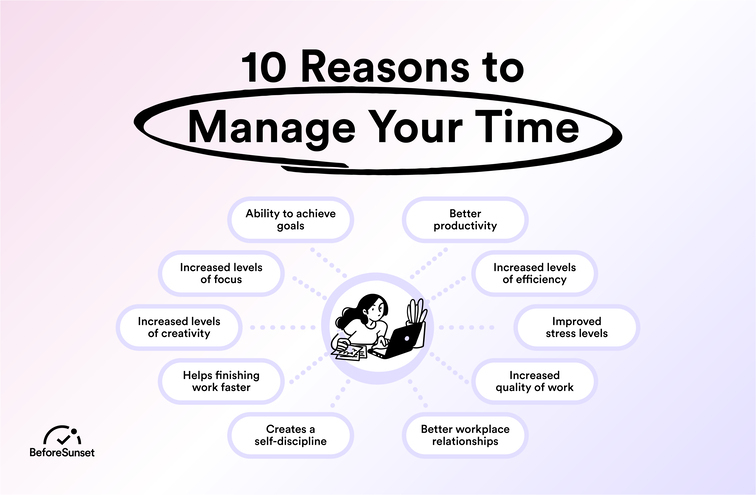
Navigating a romantic relationship in college while keeping your academic performance strong is a common challenge. It requires intentional planning, effective communication, and a mutual understanding of priorities. This section will explore practical strategies to ensure both your studies and your relationship can thrive.Successfully integrating your academic responsibilities with your romantic life involves more than just allocating time; it’s about creating a sustainable rhythm that respects both your individual needs and your shared commitment.
By adopting a proactive approach, you can foster a healthy balance that supports your personal growth and your relationship’s development.
Designing a Weekly Schedule for Academic and Relationship Integration
A well-structured weekly schedule is foundational to managing both academic demands and relationship commitments. It allows for foresight, reduces last-minute conflicts, and ensures dedicated time for both crucial aspects of college life.Creating a visual representation of your week can significantly aid in time management. Consider using a digital calendar, a planner, or even a simple spreadsheet to map out your classes, study blocks, work shifts, social activities, and dedicated time with your partner.
- Class and Study Blocks: Prioritize scheduling your classes first, then allocate consistent, uninterrupted blocks for studying. Aim for focused study sessions, perhaps 1-2 hours at a time, with short breaks in between.
- Relationship Time: Schedule specific times for your partner. This could be a weekly date night, a regular coffee break, or even just a dedicated hour each evening for conversation. Treating this time as a non-negotiable appointment reinforces its importance.
- Personal Time: Don’t forget to schedule in time for yourself. This includes hobbies, exercise, relaxation, and sleep, which are crucial for maintaining your well-being and preventing burnout.
- Flexibility and Buffer Time: Build in some flexibility. Unexpected assignments, late-night study sessions, or spontaneous outings with friends can arise. Having buffer time allows you to adjust your schedule without derailing your entire week.
- Regular Review and Adjustment: Your schedule is not static. Review it weekly or bi-weekly to assess what’s working and what needs adjustment. Communication with your partner about your schedule and any necessary changes is vital.
Strategies for Managing Academic Pressure Without Neglecting Your Partner
Academic pressure is an inherent part of college life, and it can easily spill over into your relationships if not managed effectively. The key is to develop coping mechanisms that allow you to de-stress without withdrawing from your partner or letting your studies completely consume you.Open and honest communication is paramount when academic pressures mount. Let your partner know what you’re going through, but also be mindful of their needs and the importance of your shared time.
- Communicate Your Stress Levels: Inform your partner when you’re feeling overwhelmed by academics. This helps them understand if you’re being less responsive or need more personal space, preventing misunderstandings.
- Set Realistic Expectations: Discuss with your partner what level of availability is realistic during peak academic periods, such as exam weeks. Agree on how you’ll stay connected, even if it’s just through quick texts or a brief call.
- Prioritize Quality Over Quantity: When time is limited, focus on making the time you do spend together meaningful. Engaged conversation, shared activities, and genuine connection can be more impactful than simply being in the same room.
- Establish “No-Study” Zones/Times: Designate certain times or places where studying is off-limits. This could be during your scheduled date night or a specific mealtime, allowing for genuine disconnection and focus on your relationship.
- Practice Stress-Relief Techniques Together: Explore healthy stress-relief activities you can do as a couple, such as exercising together, watching a movie, or practicing mindfulness. This can create a shared coping mechanism.
- Seek Support from Each Other: Remind yourselves that you are a team. Offer each other encouragement and understanding during stressful academic periods.
Techniques for Supporting Your Partner’s Academic Goals
A strong college relationship is built on mutual support, especially when it comes to academic pursuits. Actively contributing to your partner’s success not only strengthens your bond but also fosters an environment of shared achievement.Supporting your partner’s academic goals demonstrates your commitment to their overall well-being and future. This support can manifest in various practical and emotional ways.
- Active Listening and Encouragement: Be a sounding board for their academic concerns, frustrations, and triumphs. Offer genuine encouragement and celebrate their milestones, no matter how small.
- Help with Time Management: If your partner struggles with organization, gently offer assistance. This could involve helping them break down large assignments or suggesting time-blocking techniques.
- Create a Conducive Study Environment: If you live together or share space, ensure it’s conducive to studying. Minimize distractions and respect their need for quiet and focus.
- Share Resources and Knowledge: If you have expertise in a subject they’re struggling with, offer to help them understand concepts or review material. Similarly, share useful study tips or resources you’ve found effective.
- Respect Their Study Methods: Understand that everyone studies differently. Avoid imposing your own study habits on them and instead, support their chosen methods.
- Offer Practical Assistance: During busy academic periods, offer to help with chores or errands that might free up their time for studying.
- Attend Academic Events Together: If appropriate and welcomed, attending a guest lecture, a study group session, or even a presentation they’re giving can be a powerful show of support.
Comparison of Approaches to Balancing Personal Time, Study, and Relationship Commitment
Achieving a balance between personal time, academic pursuits, and relationship commitment often involves navigating different philosophies and strategies. Each approach has its own strengths and potential drawbacks, and the most effective method is often a personalized blend.Understanding these distinct approaches can help individuals and couples identify what resonates most with their needs and circumstances.
Approach 1: The Integrated Schedule
This approach emphasizes meticulous planning and scheduling, treating all aspects of life as equally important appointments.
- Description: A detailed weekly schedule is created, allocating specific blocks for classes, dedicated study time, relationship activities, personal hobbies, and downtime. It relies heavily on calendar management and adherence to the plan.
- Strengths: Ensures dedicated time for all important areas, minimizes conflicts, promotes discipline, and provides a clear overview of commitments.
- Potential Drawbacks: Can feel rigid if not implemented with flexibility, may lead to stress if strict adherence is prioritized over spontaneous needs, and requires significant upfront effort in planning.
- Example: A student might schedule 2 hours of studying every morning, followed by classes, a lunch date with their partner every Tuesday, and dedicated gym time on Thursdays.
Approach 2: The Priority-Based Framework
This method prioritizes commitments based on urgency and importance, allowing for more fluidity in scheduling.
- Description: Rather than a rigid schedule, this approach focuses on identifying the most critical tasks and relationship needs for a given period. It allows for more spontaneous adjustments based on evolving demands.
- Strengths: Offers greater flexibility, adapts well to unexpected academic challenges or relationship opportunities, and can feel less restrictive.
- Potential Drawbacks: Can lead to procrastination if not managed effectively, may result in less dedicated time for certain areas if priorities are constantly shifting, and requires strong self-awareness and communication to ensure all needs are eventually met.
- Example: During midterms, a student might prioritize intense study sessions and brief check-ins with their partner, then dedicate more extensive time to their relationship once exams are over.
Approach 3: The “Deep Work” and “Deep Connection” Model
This approach distinguishes between periods of intense focus on academics (“deep work”) and periods of undivided attention to the relationship (“deep connection”).
- Description: This model advocates for distinct periods of focused effort. When studying, the focus is entirely on academics with minimal distractions. When with a partner, the focus is entirely on the relationship, with no academic interruptions.
- Strengths: Maximizes productivity during study times and fosters genuine presence and connection during relationship time. It reduces the mental load of multitasking.
- Potential Drawbacks: Requires discipline to switch modes effectively, may be challenging to implement during very busy academic periods where constant juggling is necessary, and requires clear communication about when “deep work” or “deep connection” modes are active.
- Example: A student might dedicate an entire weekend to intense research for a major paper, then plan a full, unplugged weekend getaway with their partner immediately afterward.
“The key to balance is not to try to do it all at once, but to recognize that different things require different amounts of your attention at different times.” – Unknown
The choice of approach, or a combination thereof, depends on individual personality, academic demands, and relationship dynamics. Regular communication with your partner is essential to find a balance that works for both of you.
Navigating Social Dynamics and External Influences
College is a vibrant ecosystem where romantic relationships are constantly interacting with a wider social landscape. Understanding and managing these external influences is crucial for the health and longevity of your partnership. This section explores how to identify potential pressures, the roles of key people in your life, and strategies for maintaining a strong bond amidst these dynamics.The college environment presents a unique set of social pressures that can impact romantic relationships.
These can stem from peer expectations, the desire for social inclusion, and even the perceived norms within different social groups. Being aware of these pressures is the first step toward mitigating their negative effects.
Sources of Social Pressure and Coping Mechanisms
Social pressure can manifest in various forms, from subtle suggestions about how a couple “should” behave to more overt expectations. Recognizing these pressures allows you to address them proactively and develop strategies to protect your relationship.Potential sources of social pressure include:
- Peer Expectations: Friends or acquaintances may have opinions on your relationship, suggesting you should be more or less involved, or even questioning your compatibility based on their own experiences or observations.
- Social Media Influence: The curated realities presented on social media can create unrealistic expectations about relationships, leading to comparisons and feelings of inadequacy.
- Fear of Missing Out (FOMO): The desire to participate in a wide range of social activities can sometimes create tension if one partner feels their social life is being restricted by the relationship, or if social events are perceived as a threat to the relationship.
- Academic or Extracurricular Demands: While not strictly social, the pressure to excel in academics or extracurriculars can indirectly affect social time and, consequently, relationship dynamics.
Effective coping mechanisms involve open communication, mutual understanding, and a shared commitment to prioritizing your relationship’s needs.
Impact of Roommates, Friends, and Family
The individuals surrounding you play a significant role in shaping your college relationship. Their perspectives, involvement, and personal boundaries can either support or challenge your partnership.
- Roommates: Living with others introduces a constant presence that requires consideration. It’s important to establish clear expectations regarding privacy, noise levels, and the integration of your partner into your shared living space. Unresolved roommate conflicts can spill over and create stress within the romantic relationship.
- Friends: While friends are a vital support system, their influence can be double-edged. Supportive friends can offer valuable advice and encouragement. However, friends who are overly critical, possessive, or who constantly try to drive a wedge between you and your partner can be detrimental. It is essential to maintain a balance and ensure your partner feels valued within your broader social circle.
- Family: Family members, whether local or distant, may have their own expectations or concerns about your relationship. Open and honest communication with family about your partner and your relationship’s progress can help manage their influence and ensure they understand your choices.
Setting Healthy Boundaries with Social Circles
Establishing and maintaining healthy boundaries is fundamental to protecting your romantic relationship from undue external influence. Boundaries define what is acceptable and unacceptable behavior from others concerning your partnership.Consider these strategies for setting boundaries:
- Open Communication within the Couple: Before addressing external parties, discuss with your partner what boundaries are important to both of you. This ensures you are a united front.
- Direct and Respectful Communication: When communicating boundaries to friends, roommates, or family, be clear, direct, and respectful. For instance, you might say, “We appreciate your concern, but we prefer to make decisions about our relationship together.”
- Limit Information Sharing: Be mindful of how much personal detail you share about your relationship with others. Not every issue needs to be an open discussion with your entire social network.
- Prioritize Couple Time: Politely decline social invitations that consistently interfere with dedicated couple time or that you feel might put your relationship under unnecessary scrutiny.
- Seek Support from Allies: Identify friends or family members who are supportive of your relationship and can help reinforce your boundaries when needed.
A useful framework for boundary setting can be summarized as:
“Boundaries are not walls to keep people out, but guidelines to let people know where they stand.”
Activities Fostering Connection While Respecting Individual Social Needs
A healthy college relationship thrives on shared experiences that strengthen the bond, while also acknowledging and respecting each partner’s need for individual social engagement. The key is finding a balance that satisfies both.Here is a list of activities that can foster connection while respecting individual social needs:
- Shared Hobbies and Interests: Engaging in activities you both enjoy, such as attending concerts, exploring local parks, or participating in a campus club together, creates shared memories and strengthens your connection.
- Dedicated “Couple Time” Evenings: Schedule regular nights for just the two of you, free from external distractions. This could involve cooking together, watching a movie, or simply talking.
- Supporting Each Other’s Individual Pursuits: Show interest in your partner’s independent activities. Attend their sports games, art shows, or performances, even if they are not activities you would typically seek out yourself. This demonstrates support and respect for their individual identity.
- Joint Social Events with Friends: Occasionally, invite your partner to join your friends for a casual outing, and vice versa. This allows your partner to integrate into your existing social circles and for you to meet each other’s friends in a relaxed setting.
- Weekend Getaways or Day Trips: Planning short trips away from campus can provide a change of scenery and an opportunity for focused quality time, free from the usual campus pressures.
- Learning Together: Enroll in a workshop, take a short course outside your majors, or learn a new skill together. This fosters collaboration and shared growth.
Financial Considerations in a College Relationship
Managing finances is a crucial aspect of any relationship, and it becomes even more pertinent for college couples who often operate on limited budgets. Open communication and responsible financial practices are key to preventing money-related stress from impacting your relationship. This section will explore common financial challenges, offer practical solutions for managing money together or individually, and emphasize the importance of discussing financial goals.College life presents unique financial hurdles for couples.
These can range from differing spending habits and student loan management to the pressure of supporting each other’s social lives and academic pursuits. Addressing these challenges proactively can foster a stronger, more stable relationship.
Common Financial Challenges and Solutions
Couples in college frequently encounter a variety of financial difficulties. Understanding these common issues and developing strategies to overcome them is essential for maintaining financial harmony.
- Limited Income: Most college students have part-time jobs or rely on financial aid, resulting in a constrained income. This often necessitates careful budgeting and prioritization of expenses.
- Differing Spending Habits: One partner might be a saver while the other is a spender, leading to friction. Establishing shared financial values and compromise is vital.
- Student Loans and Debt: Managing student loan payments or accumulating debt can be a significant source of stress. Open discussions about repayment plans and financial futures are important.
- Unexpected Expenses: Car repairs, medical bills, or emergency travel can strain a college couple’s budget. Having a small emergency fund can mitigate the impact of these unforeseen costs.
- Balancing Personal and Shared Needs: Deciding how much to spend on individual hobbies versus shared experiences requires negotiation and mutual understanding.
Managing Shared and Individual Finances
Responsible financial management in a relationship can take various forms, depending on the couple’s comfort level and circumstances. The goal is to create a system that promotes transparency and accountability.
- Joint Accounts: For couples who are very serious and plan to share most expenses, a joint checking or savings account can simplify bill payments and shared savings goals. It’s important to establish clear rules for how this account will be used.
- Separate Accounts with Shared Contributions: Many couples prefer to maintain separate accounts for personal spending and individual savings, while contributing a predetermined amount to a joint account for shared expenses like rent, utilities, or groceries. This allows for personal financial autonomy while ensuring shared responsibilities are met.
- Expense Tracking Apps: Utilizing budgeting apps can help couples track their spending, identify areas where they can save, and monitor progress towards financial goals. Many apps allow for shared access, promoting transparency.
- Regular Financial Check-ins: Scheduling dedicated time, perhaps weekly or monthly, to discuss finances can prevent misunderstandings and keep both partners informed about the financial health of the relationship.
The Importance of Open Conversations About Money and Financial Goals
Money is often a taboo subject, but in a romantic relationship, it should be an open dialogue. Discussing financial matters openly fosters trust, prevents resentment, and allows couples to align their future aspirations.
“Financial transparency is not just about sharing numbers; it’s about sharing dreams and building a future together.”
Engaging in conversations about financial goals helps couples understand each other’s priorities and work collaboratively towards common objectives. This can include saving for a down payment on a car, planning for a vacation, or setting aside funds for post-graduation expenses. Understanding each other’s financial history, including any existing debts or financial obligations, is also a crucial part of building a solid foundation.
Sample Budget for a College Couple
Creating a sample budget can provide a tangible framework for managing finances. This example is illustrative and should be adapted to a couple’s specific income and expenses.
| Category | Estimated Cost | Notes |
|---|---|---|
| Income (Combined) | $2,000 | Part-time jobs, parental support, scholarships |
| Housing | $800 | Rent, utilities (electricity, water, internet) |
| Food | $400 | Groceries, occasional dining out |
| Transportation | $150 | Gas, public transport, car insurance |
| Personal Expenses | $200 | Individual spending money, toiletries, clothing |
| Social/Entertainment | $150 | Movies, events, date nights |
| Academic Expenses | $100 | Books, supplies, printing |
| Savings/Emergency Fund | $100 | For unexpected costs or future goals |
| Miscellaneous | $100 | Gifts, unforeseen small expenses |
| Total Expenses | $2,000 |
This sample budget demonstrates how income can be allocated to cover essential expenses, discretionary spending, and savings. It highlights the importance of tracking where money is going and making conscious decisions about spending priorities. Adjusting categories and amounts based on actual income and lifestyle is key to creating a functional budget.
Maintaining Intimacy and Connection
Sustaining a deep and fulfilling romantic relationship in college requires conscious effort and creativity, especially when balancing demanding academic schedules and limited budgets. This section explores practical strategies to nurture both emotional and physical intimacy, ensuring your bond remains strong and vibrant throughout your university years.Fostering a strong emotional connection is the bedrock of any lasting relationship. It involves open communication, mutual understanding, and a shared sense of vulnerability.
By prioritizing these aspects, you create a safe space for your partner to be their authentic self, which in turn deepens your trust and affection.
Creative and Budget-Friendly Date Ideas
College life often presents financial constraints and packed schedules, making elaborate dates impractical. However, meaningful experiences don’t require significant spending. The key is to focus on quality time and shared activities that foster connection and create lasting memories.Here are some ideas for dates that are both engaging and economical:
- Picnic in the Park: Pack homemade sandwiches, snacks, and a blanket. Find a scenic spot on campus or a local park for a relaxed afternoon.
- DIY Pizza Night: Purchase pre-made pizza dough and a few toppings. Spend an evening creating custom pizzas together, a fun and interactive activity.
- Board Game or Puzzle Marathon: Dust off your favorite board games or tackle a challenging puzzle. This encourages teamwork and lighthearted competition.
- Stargazing: Find a spot away from city lights, bring a blanket, and download a stargazing app to identify constellations. It’s a romantic and educational experience.
- Campus Exploration: Pretend to be tourists on your own campus. Visit museums, art galleries, or historical buildings you might not usually frequent.
- Themed Movie Night: Choose a genre or a specific director and prepare snacks accordingly. Dress up as characters for added fun.
- Volunteer Together: Dedicate a few hours to a cause you both care about. It’s a rewarding way to bond while giving back to the community.
- Attend Free Campus Events: Many universities offer free concerts, lectures, film screenings, or sporting events. Check your campus calendar for upcoming activities.
- Cook a Meal Together: Choose a new recipe and prepare it from scratch. The process of cooking and then enjoying the meal together can be very intimate.
- Create a Shared Playlist: Spend time curating a playlist of songs that are meaningful to your relationship. Discuss why each song is important.
Fostering Emotional Intimacy and Deep Connection
Emotional intimacy is built on trust, empathy, and the ability to share your inner world with your partner. It’s about feeling truly seen, heard, and understood. Cultivating this depth requires consistent effort in communication and a willingness to be vulnerable.Effective strategies for deepening emotional connection include:
- Active Listening: When your partner speaks, give them your full attention. Put away distractions, make eye contact, and ask clarifying questions to show you are engaged and understanding.
- Vulnerability Sharing: Openly discuss your feelings, fears, hopes, and dreams. Sharing personal experiences, even difficult ones, builds trust and a sense of shared experience.
- Expressing Appreciation: Regularly acknowledge and vocalize what you appreciate about your partner, both big and small. Specific compliments are more impactful than general praise.
- Empathy and Validation: Try to understand your partner’s perspective, even if you don’t agree with it. Validate their feelings by acknowledging their emotions, such as “I understand why you feel that way.”
- Shared Goals and Dreams: Discuss your individual aspirations and how they align with your shared future. Working towards common objectives strengthens your bond.
- Conflict Resolution Skills: Learn to navigate disagreements constructively. Focus on finding solutions rather than assigning blame, and always approach conflict with respect for your partner.
- “Check-in” Conversations: Dedicate time, perhaps weekly, to have open-ended conversations about how you are both feeling in the relationship and about life in general.
Maintaining Physical Intimacy Amidst Busy Schedules
Physical intimacy is a vital component of a romantic relationship, contributing to feelings of closeness and connection. In the demanding environment of college, maintaining this aspect of your relationship requires intentionality and creative scheduling. It’s not just about grand gestures, but about consistent, small moments of affection.Consider these approaches to keep physical intimacy alive:
- Prioritize Quality Over Quantity: When time is scarce, focus on making the moments you do share physically intimate meaningful and present.
- Schedule Intimate Time: Just as you schedule study sessions or club meetings, consciously set aside time for physical intimacy. This can be a weekend morning, an evening before bed, or even a quick moment during a study break.
- Non-Sexual Touch: Incorporate regular non-sexual physical affection throughout the day. This includes hugs, hand-holding, cuddling on the couch, or a comforting touch on the arm. These small gestures maintain a sense of physical closeness.
- Communicate Desires: Openly discuss your physical needs and desires with your partner. This ensures both individuals feel heard and can lead to more satisfying intimacy.
- Be Spontaneous (When Possible): While scheduling is important, don’t underestimate the power of spontaneous moments of intimacy when opportunities arise.
- Explore Different Forms of Intimacy: Physical intimacy encompasses more than just intercourse. Explore massages, kissing, or simply holding each other close.
- Create a Relaxing Atmosphere: When you do have time for intimacy, try to create a calm and inviting environment, free from distractions like phones or looming deadlines.
Planning Meaningful Moments That Strengthen the Bond
Meaningful moments are the building blocks of a strong and enduring relationship. They are the shared experiences that create a rich tapestry of memories and reinforce your connection. In college, these moments can be simple, spontaneous, or planned, but they all contribute to a deeper sense of togetherness.To intentionally plan and create moments that strengthen your bond:
- Create a Shared “Bucket List”: Brainstorm activities, experiences, or places you both want to explore during your college years and beyond. Regularly revisit and work towards checking items off this list.
- Celebrate Milestones: Acknowledge and celebrate significant dates, such as anniversaries, birthdays, or even academic achievements. Small gestures of recognition can make a big impact.
- Surprise Each Other: Plan small, thoughtful surprises. This could be a favorite snack left on their desk, a handwritten note, or a planned outing without them knowing the details.
- Document Your Journey: Create a shared photo album, a scrapbook, or a digital journal to record your memories. Looking back at these together can be a powerful bonding experience.
- Develop Shared Rituals: Establish consistent routines that are unique to your relationship, such as a specific way you say goodbye, a Sunday morning coffee tradition, or a weekly movie night.
- Engage in Collaborative Projects: Work on a project together, whether it’s decorating your shared living space, planning a party for friends, or even tackling a challenging academic assignment as a study group.
- Practice Gratitude Together: Take a few minutes each day or week to share what you are grateful for about each other and your relationship. This fosters a positive outlook and reinforces appreciation.
Conflict Resolution and Growth
Navigating disagreements is an inevitable and crucial aspect of any relationship, especially within the dynamic environment of college. Learning to resolve conflicts constructively not only strengthens your bond but also fosters personal growth and resilience. This section will explore effective strategies, common scenarios, and the significance of forgiveness in maintaining a healthy college romance.The ability to manage conflict effectively is a cornerstone of a mature and enduring relationship.
It moves beyond simply ending an argument to actively seeking understanding, compromise, and mutual respect. In the context of college life, where stressors are high and personal development is rapid, these skills are particularly vital for preventing minor issues from escalating into significant problems.
Effective Strategies for Constructive Disagreement Resolution
Approaching conflicts with a proactive and empathetic mindset can transform potential arguments into opportunities for deeper connection. The goal is not to “win” an argument, but to understand each other’s perspectives and find solutions that work for both individuals.Here are key strategies for resolving disagreements constructively:
- Active Listening: This involves paying full attention to what your partner is saying, both verbally and non-verbally, without interrupting or formulating your response. It means trying to understand their feelings and the underlying reasons for their concerns.
- “I” Statements: Frame your feelings and needs using “I” statements rather than accusatory “you” statements. For example, instead of saying “You always make me feel ignored,” try “I feel ignored when we don’t spend quality time together.”
- Empathy and Validation: Acknowledge and validate your partner’s feelings, even if you don’t agree with their perspective. Phrases like “I understand why you might feel that way” can go a long way in de-escalating tension.
- Focus on the Issue, Not the Person: Keep the discussion centered on the specific problem at hand rather than resorting to personal attacks or bringing up past grievances.
- Compromise and Negotiation: Be willing to find middle ground. This means both partners must be prepared to give a little to reach a resolution that satisfies both parties to some extent.
- Taking Breaks: If emotions run too high, agree to take a break to cool down and gather your thoughts before resuming the conversation. Set a specific time to reconvene.
Common College Relationship Conflicts and Their Resolution
College life presents unique challenges that can strain relationships. Understanding these common conflict points and having strategies to address them can prevent unnecessary friction.Some frequent sources of conflict include:
- Time Management and Prioritization: Conflicts often arise when one partner feels neglected due to the other’s academic workload, social commitments, or extracurricular activities. Resolution involves open communication about schedules, setting realistic expectations, and making conscious efforts to schedule dedicated time together. For instance, a couple might agree to have a “no-study” dinner date once a week or set aside Sunday afternoons for shared activities.
- Differing Social Circles: As individuals expand their social networks in college, partners may feel insecure or jealous about each other’s friends. Addressing this requires open discussion about boundaries, mutual trust, and ensuring both partners feel included and respected within the other’s social sphere. Inviting each other to social events or introducing friends can foster inclusivity.
- Academic Stress and Performance Pressure: The pressure to succeed academically can lead to stress, anxiety, and sometimes, frustration directed at a partner. Couples can support each other by understanding individual pressures, offering encouragement, and avoiding blame. Sharing study spaces or helping each other with assignments (where appropriate) can also strengthen bonds.
- Misunderstandings and Communication Breakdowns: The fast-paced nature of college life can lead to missed calls, delayed texts, and assumptions. Establishing clear communication preferences, such as agreeing on the best times to talk or the preferred method of communication for important matters, can prevent many misunderstandings.
The Importance of Forgiveness and Moving Forward
Arguments are a natural part of relationships, and how a couple handles the aftermath is crucial for long-term health. Forgiveness is not about condoning hurtful behavior, but about releasing the resentment that can poison a relationship and hinder growth.Moving forward after a conflict involves several steps:
- Acknowledging Hurt: Both partners should acknowledge any hurt feelings that arose during the disagreement.
- Offering and Accepting Apologies: Sincere apologies, coupled with a commitment to change behavior, are vital. Accepting an apology means letting go of the desire for retribution.
- Learning from the Experience: Reflect on what led to the conflict and how it was resolved. Identify patterns and discuss strategies to avoid similar issues in the future.
- Rebuilding Trust: If trust was damaged, it requires consistent effort and transparent behavior from both individuals to rebuild it.
“Forgiveness is not an occasional act, it is a constant attitude.”
Martin Luther King Jr.
Comparison of Conflict Resolution Styles in College Settings
Different approaches to conflict can have varying impacts on college relationships. Understanding these styles can help individuals and couples identify more effective methods.Here’s a comparison of common conflict resolution styles:
| Style | Description | Effectiveness in College Settings | Potential Drawbacks |
|---|---|---|---|
| Avoiding | Steering clear of disagreements, postponing discussion, or withdrawing from conflict. | Can be useful for minor issues to avoid unnecessary escalation, especially when time is limited due to academic pressures. | Can lead to unresolved issues festering, resentment building, and a lack of intimacy. Important issues may never be addressed. |
| Accommodating | Giving in to the other person’s needs and desires, often at the expense of one’s own. | Can be beneficial in situations where maintaining harmony is paramount or when the issue is more important to the other person. | Can lead to one partner consistently feeling unheard or taken advantage of, fostering an imbalance in the relationship. |
| Competing | Pursuing one’s own goals and interests without much regard for the other person’s needs. Often involves assertiveness and a win-lose mentality. | Rarely effective in college relationships, as it can create significant tension and damage the foundation of mutual respect. | Leads to resentment, defensiveness, and a breakdown in communication. Can feel like a constant battle. |
| Compromising | Finding a middle ground where both parties give up something to reach an agreement. | A generally effective style for college relationships, as it acknowledges the needs of both individuals and promotes collaboration. It’s practical when time is a constraint. | May not always lead to the most optimal solution for either party if both give up too much. |
| Collaborating | Working together to find a solution that fully satisfies both parties’ concerns. This involves open communication and a deep exploration of underlying needs. | The most effective style for fostering strong, healthy, and growth-oriented college relationships. It builds trust and deepens understanding. | Requires significant time and effort, which can be challenging with busy college schedules. However, the long-term benefits often outweigh the initial investment. |
Personal Growth and Relationship Evolution

A college relationship is not just about shared experiences and mutual support; it’s also a fertile ground for individual development. As you and your partner navigate the transformative years of higher education, supporting each other’s personal growth becomes paramount to a healthy and enduring connection. This involves recognizing that each individual is on their own journey, with unique aspirations and evolving identities.The dynamic nature of college life means that both individuals will inevitably change.
Understanding and embracing these changes, rather than resisting them, is key to a relationship that not only survives but thrives. This section explores how to foster an environment where both personal and relational growth are encouraged, ensuring that your partnership evolves alongside your individual selves.
Supporting Individual Aspirations
Empowering your partner to pursue their individual goals is a cornerstone of a strong college relationship. This means actively encouraging their academic pursuits, extracurricular passions, and personal development interests, even if they diverge from your own. It’s about celebrating their successes and offering a steady hand during challenges, demonstrating that their individual achievements are as valued as shared accomplishments.When supporting aspirations, consider the following:
- Openly discuss each other’s long-term goals and immediate objectives.
- Actively listen to their plans and offer constructive feedback when asked.
- Celebrate milestones, both big and small, in their personal journey.
- Offer practical assistance where possible, such as study support or emotional encouragement.
- Respect their need for independent time to focus on their pursuits.
- Avoid making their dreams secondary to the relationship’s demands.
Navigating Relationship Changes with Individual Maturation
As college students mature, their perspectives, priorities, and even their core beliefs can shift. This natural evolution requires a relationship that is adaptable and resilient. Open communication about these changes is essential, allowing both partners to understand and adjust to new understandings and desires.The process of navigating these shifts can be facilitated by:
- Engaging in regular, honest conversations about personal growth and evolving feelings.
- Being willing to compromise and adapt expectations as individuals change.
- Understanding that personal growth may sometimes lead to differing paths, and discussing how to manage these.
- Recognizing that a partner’s evolution does not diminish their love or commitment, but rather enriches it.
- Seeking to understand the “why” behind their changes, fostering empathy and connection.
Maintaining Personal Identity within a Partnership
While a college relationship fosters closeness, it is crucial for both individuals to retain their sense of self. A healthy partnership allows for interdependence without enmeshment, meaning you can rely on each other while still being distinct individuals with your own interests, friendships, and values. Losing one’s identity can lead to resentment and a diminished sense of self-worth, ultimately harming the relationship.Key strategies for preserving personal identity include:
- Continuing to nurture individual friendships and social circles.
- Pursuing hobbies and interests that are solely your own.
- Setting personal boundaries and communicating them clearly.
- Making time for solitary reflection and self-care.
- Ensuring that major life decisions are made with personal well-being in mind, not just as a couple.
“Individuality is not a threat to intimacy, but its very foundation.”
Fostering a Relationship that Encourages Mutual Development
A truly flourishing college relationship is one that acts as a catalyst for each partner’s growth. This involves creating an environment of trust, respect, and encouragement where both individuals feel safe to explore new ideas, take calculated risks, and learn from their experiences. Mutual development means that the relationship itself becomes a space for learning and evolving together.To cultivate a relationship that champions mutual development, consider these practices:
- Regularly engage in activities that challenge both of you individually and as a couple.
- Share knowledge and skills, fostering a learning dynamic.
- Provide constructive feedback that supports growth rather than criticism.
- Celebrate each other’s efforts to step outside comfort zones.
- Encourage each other to seek new experiences and perspectives.
- Be a sounding board for ideas and a source of unwavering support for personal projects.
Final Review

In conclusion, fostering a successful romantic relationship during college requires dedication, adaptability, and a commitment to mutual growth. By understanding the foundational elements, effectively balancing academics and romance, navigating social landscapes, managing finances wisely, nurturing intimacy, resolving conflicts constructively, and supporting individual aspirations, couples can cultivate a resilient and fulfilling partnership. This journey, though demanding, offers invaluable lessons and profound rewards that extend far beyond the college years.