How to Stay Active with a Packed Class Schedule sets the stage for this enthralling narrative, offering readers a glimpse into a story that is rich in detail with formal and friendly language style and brimming with originality from the outset.
Navigating a demanding academic timetable often presents a significant challenge for students seeking to maintain a consistent physical activity routine. This guide delves into the practical strategies and mindset shifts necessary to successfully integrate movement into even the most time-constrained schedules, transforming perceived obstacles into opportunities for a healthier, more balanced student life.
Understanding the Challenge: Time Constraints and Class Schedules
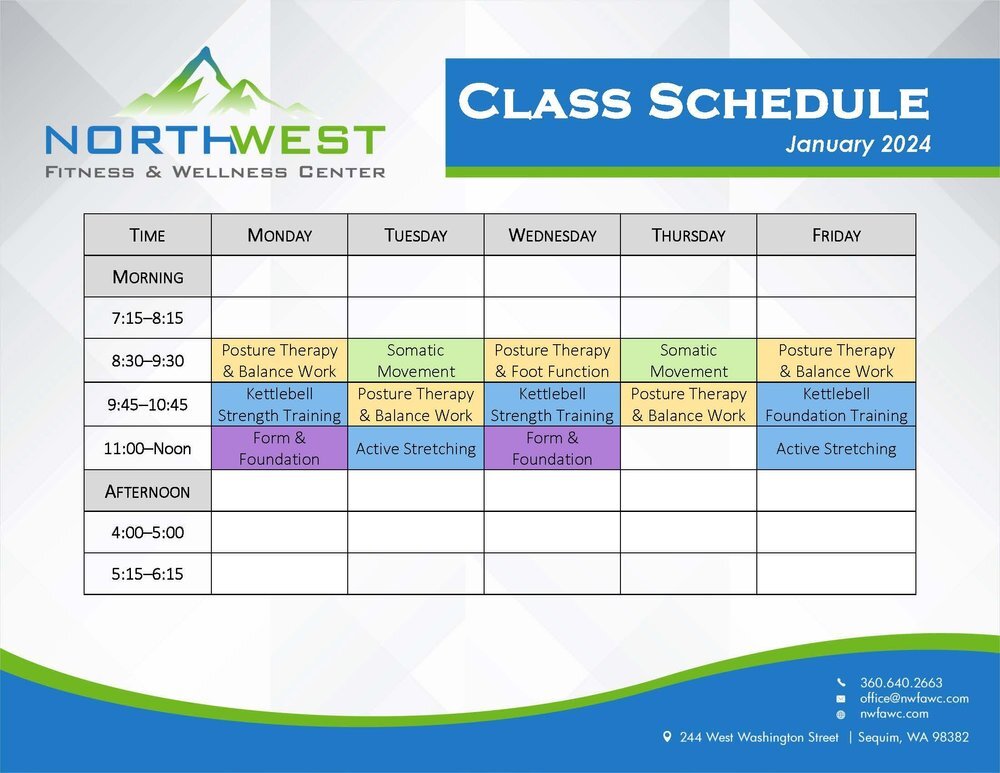
Navigating a demanding academic timetable while striving to maintain a healthy and active lifestyle presents a significant hurdle for many students. The sheer volume of lectures, assignments, study sessions, and extracurricular activities often leaves little room for consistent physical activity. This section delves into the common difficulties, typical scenarios, and psychological barriers that students encounter when attempting to integrate exercise into their packed schedules.The primary obstacle is, undoubtedly, the scarcity of time.
Students often find themselves juggling multiple commitments, making it challenging to allocate dedicated slots for workouts. This can lead to a cycle of missed opportunities for exercise, which can be demotivating and ultimately derail efforts to stay active.
Common Difficulties with Academic Timetables
Students frequently face several recurring challenges when trying to fit physical activity into their academic commitments. These difficulties are often systemic, stemming from the inherent structure of university life and the demands it places on a student’s time and energy.
- Inflexible Class Schedules: Many courses have fixed lecture and lab times that cannot be easily moved, creating rigid blocks of time that are difficult to work around.
- Assignment and Study Demands: The constant need to complete homework, study for exams, and work on projects consumes large portions of free time, often spilling into evenings and weekends.
- Extracurricular Commitments: Participation in clubs, sports teams, volunteer work, or part-time jobs further reduces available time for personal well-being activities like exercise.
- Commuting and Transition Time: Traveling between classes, the library, and other campus locations, as well as settling in for study sessions, all consume valuable minutes that could otherwise be used for movement.
- Unexpected Academic Burdens: Group projects, last-minute assignment changes, or extra study sessions for challenging subjects can disrupt even the best-laid plans for physical activity.
Typical Student Scenarios and Exercise Impediments
Consider Sarah, a third-year biology major. Her days are packed with back-to-back lectures and labs from 9 AM to 4 PM. Following this, she has a mandatory study group for organic chemistry until 6 PM. By the time she gets back to her dorm, she’s exhausted and has dinner. The thought of going to the gym often feels like an insurmountable task after such a long day, leading her to skip workouts in favor of rest or catching up on readings.Another example is David, a computer science student.
He works part-time as a web developer to help fund his education. His classes run from Monday to Thursday, and his work shifts are primarily on Fridays and weekends. This leaves him with very limited, often unpredictable, free time during the week, making it hard to establish a consistent exercise routine. He often feels guilty for not exercising, but the immediate need to study or work takes precedence.
Psychological Barriers to Motivation
The feeling of being overwhelmed by academic responsibilities can create significant psychological barriers that diminish motivation for physical activity. When students perceive their academic workload as all-consuming, exercise can begin to feel like a luxury rather than a necessity.
- Perceived Lack of Time: Even if a small window of opportunity exists, the mental calculus of “I don’t have enough time” can be a powerful deterrent, leading to inaction.
- Decision Fatigue: After making countless academic decisions throughout the day, the mental energy required to plan and execute a workout can be depleted, making it easier to opt for passive rest.
- Guilt and Self-Criticism: Missing planned workouts due to academic pressures can lead to feelings of guilt and inadequacy, which can further reduce motivation and create a negative self-perception regarding fitness.
- Procrastination: The tendency to put off exercise until “later” or “when things are less busy” is a common coping mechanism that, unfortunately, rarely results in actual activity due to the perpetual nature of academic demands.
- The “All-or-Nothing” Mentality: Students may feel that if they cannot dedicate a full hour to exercise, it’s not worth doing at all, leading them to skip shorter, but still beneficial, activity sessions.
This constant pressure and the feeling of being stretched too thin can lead to a cycle of stress, fatigue, and decreased well-being, making it even harder to find the energy and motivation to engage in physical activity.
Strategic Time Management for Movement

Navigating a demanding class schedule doesn’t mean sacrificing your physical well-being. Strategic time management is key to integrating movement seamlessly into your daily and weekly routines, even when every minute feels accounted for. This involves a proactive approach to scheduling and a mindful awareness of the opportunities for activity that arise throughout your day.The core principle is to view physical activity not as an optional add-on, but as an essential component of your academic success.
By intentionally designing your schedule and routines, you can create a sustainable pattern of movement that supports both your physical health and your cognitive function, ultimately enhancing your ability to learn and perform.
Weekly Schedule Template for Activity Integration
Designing a weekly schedule that accommodates both academic commitments and physical activity requires foresight and flexibility. The goal is to build in opportunities for movement, recognizing that consistency is more important than duration. A template can serve as a visual guide to ensure that exercise is prioritized.Consider the following template structure, which allocates specific blocks for classes and dedicates smaller, intentional slots for physical activity.
This approach helps to prevent the feeling of being overwhelmed and makes it easier to adhere to your fitness goals.
| Time | Monday | Tuesday | Wednesday | Thursday | Friday | Saturday | Sunday |
|---|---|---|---|---|---|---|---|
| 7:00 AM – 8:00 AM | Class | Active Commute/Walk | Class | Active Commute/Walk | Class | Morning Workout | Rest/Light Activity |
| 8:00 AM – 9:00 AM | Study | Class | Study | Class | Study | Breakfast | Brunch |
| 9:00 AM – 10:00 AM | Class | Class | Class | Class | Class | Class | Class |
| 10:00 AM – 10:15 AM | Movement Break (Stretching/Walk) | Movement Break (Stretching/Walk) | Movement Break (Stretching/Walk) | Movement Break (Stretching/Walk) | Movement Break (Stretching/Walk) | Study | Study |
| 10:15 AM – 12:00 PM | Class | Study | Class | Study | Class | Class | Class |
| 12:00 PM – 1:00 PM | Lunch & Walk | Lunch & Walk | Lunch & Walk | Lunch & Walk | Lunch & Walk | Lunch | Lunch |
| 1:00 PM – 3:00 PM | Class | Class | Class | Class | Class | Class | Class |
| 3:00 PM – 3:30 PM | Short Workout (Bodyweight exercises) | Short Workout (Bodyweight exercises) | Short Workout (Bodyweight exercises) | Short Workout (Bodyweight exercises) | Short Workout (Bodyweight exercises) | Study | Study |
| 3:30 PM – 5:00 PM | Study | Study | Study | Study | Study | Class | Class |
| 5:00 PM – 6:00 PM | Active Commute/Walk | Active Commute/Walk | Active Commute/Walk | Active Commute/Walk | Active Commute/Walk | Free Time | Free Time |
| 6:00 PM – 7:00 PM | Dinner | Dinner | Dinner | Dinner | Dinner | Dinner | Dinner |
| 7:00 PM onwards | Study/Relax | Study/Relax | Study/Relax | Study/Relax | Study/Relax | Social/Relax | Prepare for Week |
Daily Routine for Integrated Exercise
Integrating brief exercise sessions into your daily routine is a highly effective strategy for maintaining activity levels amidst a packed class schedule. These short bursts of movement, strategically placed before, between, or after lectures, can provide significant health benefits without demanding large blocks of time. The key is to be intentional and utilize transitional periods.Think of these moments as opportunities to reset your mind and body.
A quick stretch before your first lecture can improve focus, a brisk walk between classes can boost energy, and a short workout after your last class can help you de-stress. Consistency in these short, regular activities will yield cumulative benefits.
- Morning Energizer: Before your first class, dedicate 10-15 minutes to a quick workout. This could include jumping jacks, push-ups, squats, or a short jog around your living space or a nearby park.
- Between-Class Movement: Utilize the time between lectures to walk briskly to your next class, take the stairs instead of the elevator, or perform a few simple stretches in a quiet corner. Even a 5-minute walk can make a difference.
- Lunchtime Activity: Instead of rushing through lunch, incorporate a short walk after eating. This aids digestion and provides a mental break. If possible, find a route that allows for a bit of exploration or a scenic view.
- Post-Class Decompression: After your final lecture, engage in a 15-20 minute activity to transition from academic mode. This could be a yoga session, a dance break to your favorite music, or a short, high-intensity interval training (HIIT) routine.
- Evening Wind-Down: Before bed, a gentle stretching routine or a short, mindful walk can promote relaxation and improve sleep quality.
Identifying and Reclaiming Pockets of Time for Movement
Even with a tightly packed schedule, small pockets of time for movement can be identified and reclaimed with conscious effort. These are often the seemingly insignificant gaps between tasks or activities that can be repurposed for physical activity. Developing a keen eye for these opportunities is crucial for consistent engagement.The principle here is to break down larger time commitments and recognize that even 5-10 minutes can be utilized effectively.
This requires a shift in mindset, viewing these brief intervals not as wasted time, but as valuable opportunities for self-care and physical health.
- Waiting Periods: Instead of scrolling through your phone while waiting for a lecture to start, a bus to arrive, or a friend, use that time for standing calf raises, walking in place, or performing lunges.
- Transition Times: The minutes spent walking from one building to another on campus can be extended into a brisk walk or a light jog.
- Study Breaks: For every hour of studying, schedule a 5-minute movement break. This could involve doing a set of squats, stretching, or walking up and down a flight of stairs.
- Phone Calls: If you have a call that doesn’t require you to be stationary, consider taking it while walking. This can be particularly effective for informal catch-ups or less demanding work-related calls.
- Household Chores: Integrate movement into chores. For instance, vigorously vacuuming, tidying up with energetic movements, or even dancing while doing dishes can contribute to your daily activity.
Leveraging Commute Time for Active Transportation
Commute time, often perceived as a necessary but unproductive period, presents a significant opportunity to incorporate physical activity into your day. Opting for active transportation not only benefits your health but also reduces reliance on motorized transport, contributing to environmental sustainability.By consciously choosing to walk, cycle, or even use a combination of public transport and walking, you can transform your commute from a passive experience into an active one.
This requires planning and an understanding of your route and available options.
- Walking: If your commute is within a reasonable distance (e.g., 1-3 miles), walking is an excellent option. Break down longer distances by parking further away from your destination or getting off public transport a few stops early.
- Cycling: Cycling offers a more efficient way to cover greater distances. Ensure you have a safe route, a reliable bicycle, and appropriate safety gear. Many universities and cities offer bike racks for secure storage.
- Public Transportation with a Twist: If public transport is your primary mode, make it more active by walking to and from the nearest bus stop or train station.
- Interval Commuting: For longer commutes, consider a combination of active and passive transport. For example, cycle part of the way and then use public transport for the remainder.
- Planning and Preparation: To effectively leverage commute time, plan your route in advance, check weather conditions, and prepare necessary items like comfortable shoes, a change of clothes if needed, and a backpack for carrying essentials.
Maximizing Efficiency: Short, High-Impact Workouts
When faced with a demanding academic schedule, dedicating extended periods to exercise might seem impossible. However, short bursts of activity can be incredibly effective. The key is to focus on intensity and compound movements that engage multiple muscle groups simultaneously, ensuring you get the most benefit in the least amount of time. This approach transforms otherwise sedentary pockets of your day into opportunities for significant physical gains.The principle behind these efficient workouts is to maximize calorie burn and cardiovascular benefits within a limited timeframe.
By selecting exercises that work large muscle groups and employing training methods that elevate your heart rate rapidly, you can achieve a comprehensive workout that rivals longer sessions. This is particularly beneficial for students who need to maintain physical and mental stamina while juggling lectures, assignments, and study sessions.
Effective 15-20 Minute Workout Routines
To make the most of limited time, opt for routines that require minimal setup and can be performed anywhere, whether in a dorm room, a park, or a quiet corner of the library. These routines focus on full-body engagement and can be easily adapted to your fitness level.Here are examples of effective 15-20 minute workout routines with minimal equipment:
- Bodyweight Circuit: Perform each exercise for 45 seconds, followed by 15 seconds of rest. Complete 3-4 rounds of the circuit.
- Jumping Jacks
- Squats
- Push-ups (on knees or toes)
- Lunges (alternating legs)
- Plank
- Glute Bridges
- Cardio Blast: Alternate between high-intensity cardio bursts and active recovery for 20 minutes.
- 1 minute High Knees
- 30 seconds Walking or Light Jogging
- 1 minute Burpees
- 30 seconds Walking or Light Jogging
- 1 minute Mountain Climbers
- 30 seconds Walking or Light Jogging
- 1 minute Butt Kicks
- 30 seconds Walking or Light Jogging
- Strength Focus: Use a pair of dumbbells or resistance bands if available, or simply focus on controlled bodyweight movements. Perform 3 sets of 10-12 repetitions for each exercise with 30-60 seconds rest between sets.
- Dumbbell Squats (or Bodyweight Squats)
- Dumbbell Rows (or Resistance Band Rows)
- Push-ups
- Dumbbell Lunges (or Bodyweight Lunges)
- Dumbbell Overhead Press (or Pike Push-ups)
Benefits of High-Intensity Interval Training (HIIT)
High-Intensity Interval Training (HIIT) is a highly efficient training method that involves short bursts of intense anaerobic exercise with brief recovery periods. For individuals with packed class schedules, HIIT offers a powerful way to improve cardiovascular health, burn calories, and boost metabolism in a fraction of the time compared to traditional steady-state cardio.The primary advantages of HIIT for busy students include:
- Time Efficiency: Workouts typically last between 10 to 30 minutes, making them easily slot into busy schedules.
- Increased Calorie Burn: HIIT workouts burn a significant number of calories in a short period and continue to burn calories post-workout due to the “afterburn effect” (EPOC – Excess Post-exercise Oxygen Consumption).
- Improved Cardiovascular Fitness: Regular HIIT can significantly enhance your heart’s ability to pump blood and oxygen, leading to better endurance.
- Metabolic Boost: HIIT can help increase your resting metabolic rate, meaning you burn more calories even when you’re not exercising.
- Muscle Maintenance: While primarily cardio-focused, the intense nature of HIIT can help preserve muscle mass, which is crucial for metabolism.
“HIIT is a time-efficient strategy that delivers substantial cardiovascular and metabolic benefits, making it ideal for individuals with limited time.”
Bodyweight Exercises for a Full-Body Workout
Bodyweight exercises are an excellent choice for busy students as they require no equipment and can be performed virtually anywhere. These exercises leverage your own body weight for resistance, effectively targeting major muscle groups for a comprehensive, full-body workout.Here is a series of bodyweight exercises that can be combined to create an effective full-body workout:
- Lower Body:
- Squats: Stand with feet shoulder-width apart, lower your hips as if sitting in a chair, keeping your chest up and back straight.
- Lunges: Step forward with one leg, lowering your hips until both knees are bent at approximately a 90-degree angle. Alternate legs.
- Glute Bridges: Lie on your back with knees bent and feet flat on the floor. Lift your hips off the ground, squeezing your glutes at the top.
- Upper Body:
- Push-ups: Place hands slightly wider than shoulder-width apart. Lower your chest towards the floor, keeping your body in a straight line. (Can be modified on knees).
- Plank: Support your body on your forearms and toes, maintaining a straight line from head to heels.
- Triceps Dips: Using a stable chair or bench, place hands shoulder-width apart, fingers pointing forward. Lower your body by bending your elbows.
- Core:
- Crunches: Lie on your back with knees bent and feet flat. Lift your shoulders off the floor, engaging your abdominal muscles.
- Leg Raises: Lie on your back with legs extended. Slowly lift your legs towards the ceiling, keeping them as straight as possible.
- Russian Twists: Sit on the floor with knees bent and feet lifted slightly off the ground. Twist your torso from side to side, engaging your obliques.
Circuit Training Protocols for Quick and Efficient Completion
Circuit training is a method of performing a series of exercises one after another with minimal rest in between. This format is highly effective for busy individuals as it keeps the heart rate elevated, combining strength and cardiovascular training into a single, time-efficient session.Here are details on circuit training protocols that can be completed quickly and efficiently:
- Structure: A circuit typically consists of 5-10 exercises. You move from one exercise to the next with little to no rest (15-30 seconds of transition time). After completing one full round of all exercises, you take a longer rest period (60-90 seconds) before starting the next round.
- Repetition vs. Timed Intervals: Circuits can be structured by repetitions (e.g., 10-15 reps per exercise) or by time (e.g., 30-45 seconds of work per exercise). For maximum time efficiency, timed intervals are often preferred as they ensure consistent work periods.
- Example Circuit Protocol (15-minute session):
- Warm-up (2 minutes): Light cardio like jogging in place or jumping jacks.
- Circuit (10 minutes): Perform each exercise for 40 seconds with 20 seconds rest. Complete 2 rounds.
- Burpees
- Squat Jumps
- Push-ups
- Walking Lunges
- Mountain Climbers
- Plank
- Cool-down (3 minutes): Static stretching for major muscle groups.
- Progression: To increase the challenge and efficiency, you can gradually decrease rest times between exercises, increase the work interval, add more exercises to the circuit, or increase the number of rounds.
Integrating Movement into Study Habits

For students with demanding schedules, finding time for physical activity can feel like a luxury. However, integrating movement directly into your study routine is a highly effective strategy to combat sedentary study periods and enhance both physical well-being and cognitive function. This approach transforms passive learning into an active process, making your study sessions more productive and less taxing.By strategically weaving physical activity into your academic tasks, you can combat the mental fatigue that often accompanies prolonged study.
These active breaks are not just about preventing stiffness; they are opportunities to refresh your mind, improve blood flow to the brain, and ultimately boost your concentration and retention of information.
Active Breaks During Study Sessions
Long study sessions can lead to decreased focus and increased physical discomfort. Implementing short, deliberate breaks for movement can significantly mitigate these effects. These breaks act as mental resets, allowing your brain to consolidate information and return to tasks with renewed energy.
- Frequency: Aim for a short movement break every 45-60 minutes of focused study. This duration aligns with natural attention spans and prevents burnout.
- Duration: Each active break should last between 5 to 10 minutes. This is sufficient time to make a physical impact without disrupting your study flow too much.
- Variety: Incorporate a mix of light cardio, stretching, and strength-based movements to engage different muscle groups and provide varied stimulation.
Study Walks and Thinking Breaks
Transforming passive thinking time into active movement can be incredibly beneficial for problem-solving and creative thought. A “study walk” or “thinking break” allows you to physically change your environment while engaging with your material, fostering a more dynamic learning experience.
- Purposeful Pacing: When reviewing notes or contemplating a complex problem, try pacing in a safe and open area. This gentle movement can stimulate cognitive processes and help you connect ideas.
- Nature Immersion: If possible, take your study materials or simply your thoughts outdoors for a walk in a park or quiet neighborhood. The change of scenery and fresh air can greatly enhance focus and reduce stress.
- Audio Learning on the Go: Utilize recorded lectures, podcasts, or audiobooks related to your studies. Listening while walking allows you to absorb information passively while actively engaging your body.
Making Studying More Active
Beyond scheduled breaks, there are numerous ways to infuse your study environment and habits with more physical engagement. These small adjustments can create a more dynamic and less sedentary academic experience.
- Standing Desks: Consider using a standing desk or a makeshift standing setup. Alternating between sitting and standing throughout your study session can improve posture, reduce back strain, and increase calorie expenditure.
- Active Note-Taking: Instead of just sitting, try reviewing flashcards or notes while standing or lightly moving. This can make rote memorization feel less monotonous.
- Movement-Based Review: For subjects that involve sequences or processes, try acting them out or using physical objects to represent concepts while reviewing.
Educational Content as Motivation for Movement
Leveraging your study material itself can serve as a powerful motivator to incorporate physical activity. By linking learning with movement, you create a positive feedback loop that benefits both your academic progress and your physical health.
- Lecture Walking: As mentioned, listening to recorded lectures while walking is a prime example. The act of listening provides the cognitive engagement, while the walking provides the physical activity.
- Vocabulary Movement Games: For language or science studies, create simple games where you perform a specific action (e.g., a squat, a lunge) for each new vocabulary word or scientific term you encounter and need to define or use.
- Concept Visualization through Movement: For subjects like history or literature, try mapping out timelines or character relationships by physically moving around a space, placing notes or images on different walls to represent key events or individuals.
Leveraging Campus Resources and Environment
Your university campus is a vibrant ecosystem filled with opportunities to integrate physical activity into your daily routine, even with a demanding academic schedule. By strategically utilizing the resources available, you can transform passive moments into active ones, contributing to both your academic success and overall well-being.This section will explore how to make the most of your campus’s fitness facilities, outdoor spaces, and the social dynamics of student life to support an active lifestyle.
Campus Fitness Facilities and Programs
Most universities offer a range of fitness facilities and programs designed to accommodate busy student schedules, often with flexible hours and diverse offerings. These resources are invaluable for fitting in effective workouts without requiring extensive travel or long commitments.Here are some common campus resources and how to utilize them for short, impactful sessions:
- Campus Gymnasiums and Recreation Centers: These typically house cardio equipment (treadmills, ellipticals, bikes), weight training areas, and often studios for group fitness classes. Many are open early in the morning and late into the evening, allowing for pre-class or post-study workouts. Look for machines that allow for quick, high-intensity interval training (HIIT) sessions.
- Fitness Classes: Universities frequently offer a wide variety of fitness classes, such as yoga, spin, Zumba, and circuit training. Many are scheduled in 45-60 minute blocks, fitting perfectly into a study break. Some campuses even offer shorter, 30-minute express classes. Check the recreation center’s schedule online or via their app.
- Pools and Aquatic Centers: Swimming is an excellent low-impact, full-body workout. Many campus pools are available for lap swimming during designated hours, offering a refreshing alternative to gym workouts.
- Climbing Walls: If your campus has a climbing wall, it provides a fantastic full-body workout that also engages problem-solving skills, making it a mentally stimulating activity.
- Intramural Sports: Participating in intramural sports, even for a single game or a short season, can provide structured physical activity and a fun way to de-stress.
Utilizing Outdoor Spaces for Exercise
The campus environment itself offers a wealth of opportunities for physical activity, often requiring no special equipment and providing a refreshing change of scenery from indoor study spaces.Consider these ideas for incorporating movement into your day using outdoor campus areas:
- Campus Walking and Running Paths: Many campuses have well-maintained paths that wind through scenic areas. These are ideal for brisk walks, jogs, or runs. Utilize these for short bursts of cardio between classes or as a way to clear your head after a long study session.
- Open Fields and Green Spaces: Large open areas can be used for a variety of activities, including bodyweight exercises like squats, lunges, and push-ups, or for dynamic stretching and agility drills.
- Stairs: Campus buildings often have multiple staircases. Incorporate stair climbing into your daily routine by choosing stairs over elevators whenever possible. This is a highly effective cardiovascular and lower-body workout.
- Outdoor Basketball/Tennis Courts: Even if you don’t have a game scheduled, shooting hoops or hitting a few tennis balls can be a great way to get your heart rate up and enjoy some spontaneous movement.
Forming Study Groups with a Physical Activity Component
Transforming traditional study sessions into active ones can boost both learning and physical health. By integrating movement, you can enhance cognitive function and combat the sedentary nature of studying.Here are strategies for creating active study groups:
- Walking Study Sessions: Instead of meeting in a library, plan to walk around campus or a nearby park while discussing material. This is particularly effective for subjects that benefit from verbalization and discussion, such as literature, history, or philosophy.
- Active Breaks During Study Sessions: Schedule short, 5-10 minute active breaks during longer study periods. This could involve a quick circuit of bodyweight exercises (jumping jacks, squats, push-ups) or a brisk walk around the block.
- “Study & Sweat” Meetups: Organize meetups that combine a short workout with study time. For example, start with a 30-minute jog or a group yoga session, followed by an hour of focused study.
- Incorporating Movement into Review: Use flashcards or review questions and have group members perform a physical activity (e.g., 10 squats) for each correct answer or for every few questions answered.
Finding Accountability Partners Among Classmates
Accountability is a powerful motivator, especially when juggling a demanding schedule. Partnering with classmates for active pursuits can provide mutual support and ensure that commitments to physical activity are met.Here are effective strategies for finding and maintaining accountability partners:
- Identify Shared Interests: Look for classmates who have expressed interest in fitness or who you observe being active. Discussing shared goals can be a natural starting point.
- Propose Specific Activities: Instead of a vague “let’s be active,” suggest concrete activities. For example, “Would you be interested in meeting at the campus gym for a 30-minute HIIT session on Tuesdays and Thursdays before our history lecture?”
- Utilize Class Communication Channels: Post in class forums or group chats to gauge interest in forming an accountability group for specific fitness goals or activities.
- Set Clear Expectations and Schedules: Agree on when and where you will meet, what activities you will do, and how you will communicate progress or any changes in plans. Regular check-ins, even via text message, can be highly effective.
- Vary Activities to Maintain Engagement: To prevent boredom, agree to try different activities together, such as alternating between gym workouts, outdoor runs, or trying a new campus fitness class.
- Celebrate Milestones: Acknowledge and celebrate when you and your partner(s) achieve small goals, such as completing a week of planned workouts or reaching a new personal best. This positive reinforcement can be very encouraging.
Mindset and Motivation for Consistent Activity
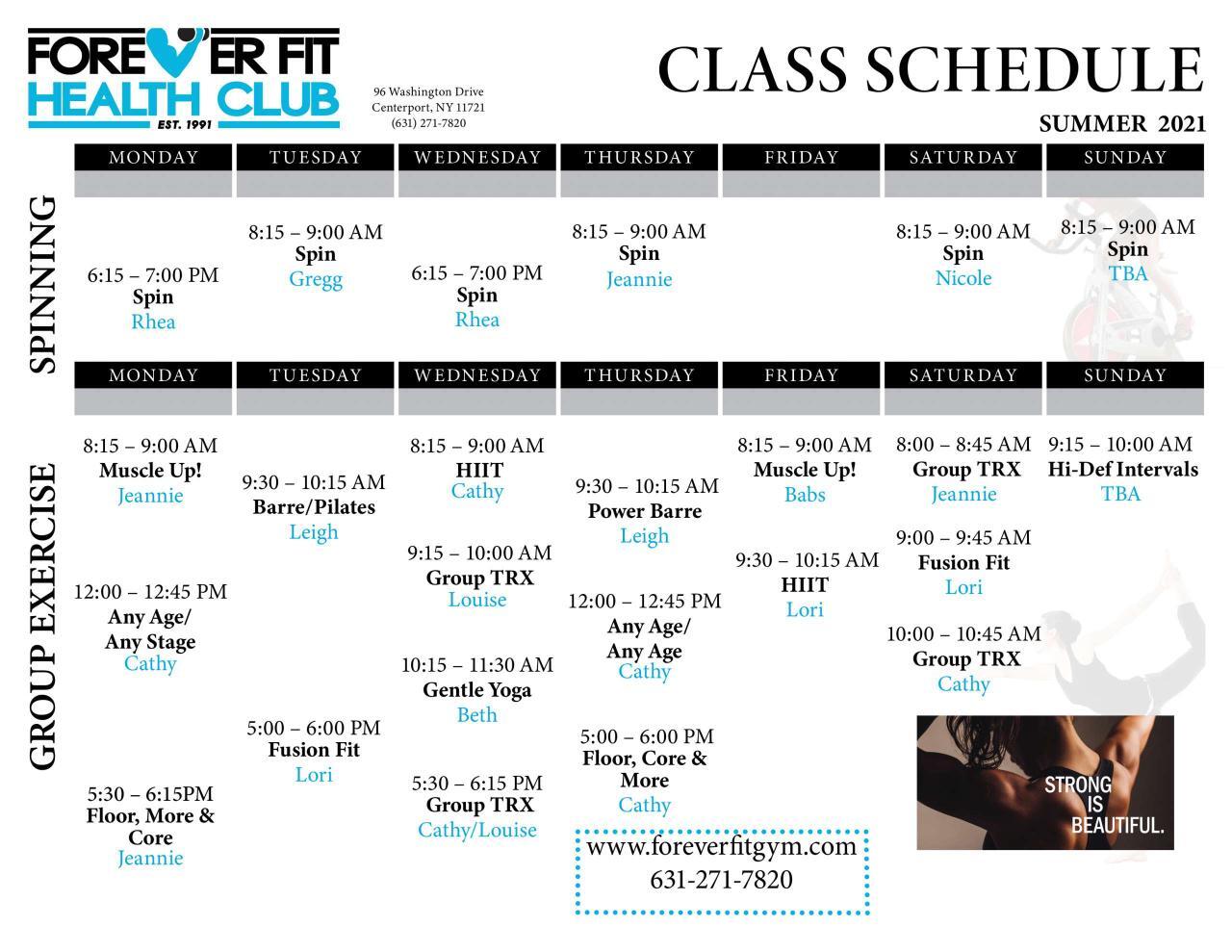
Maintaining physical activity amidst a demanding academic schedule hinges significantly on cultivating the right mindset and robust motivation. It’s about shifting perspectives and implementing strategies that make movement an integral, rather than an optional, part of your life. This section explores how to foster this enduring commitment to activity, even when faced with academic pressures.The journey to consistent activity is not solely about planning workouts; it’s deeply rooted in how you perceive your goals, manage your drive, and integrate movement into your daily fabric.
By understanding and applying these principles, you can transform potential obstacles into opportunities for sustained well-being and academic performance.
Setting Realistic and Achievable Fitness Goals
Establishing fitness goals that align with the realities of a packed class schedule is paramount for sustained engagement and preventing burnout. Unrealistic expectations can lead to disappointment and abandonment of activity altogether. The key is to focus on progress over perfection and to acknowledge the constraints of time and energy.When setting goals, consider the following:
- SMART Criteria Application: Ensure goals are Specific, Measurable, Achievable, Relevant, and Time-bound. For instance, instead of “exercise more,” aim for “complete a 20-minute brisk walk three times a week during my study breaks.”
- Incremental Progression: Start with small, manageable steps. Achieving these initial goals builds confidence and momentum for more challenging future targets.
- Flexibility and Adaptability: Recognize that your schedule might change. Be prepared to adjust your goals and workout plans as needed without viewing it as a failure.
- Focus on Consistency Over Intensity: For students with limited time, prioritizing regular, shorter bursts of activity is often more sustainable than aiming for infrequent, intense sessions.
Motivational Techniques for Academic Demands
Overcoming the inertia that often accompanies a heavy academic workload requires deliberate motivational strategies. These techniques are designed to help you prioritize movement, even when other demands seem more pressing.Effective motivational techniques include:
- Identify Your “Why”: Connect your physical activity to your broader academic and personal aspirations. Understanding how exercise can improve focus, reduce stress, and boost cognitive function can be a powerful motivator.
- Reward Systems: Implement small, immediate rewards for sticking to your activity plan. This could be anything from an extra episode of your favorite show to a healthy treat.
- Accountability Partners: Find a study buddy or friend who also wants to stay active and commit to exercising together or checking in on each other’s progress. This external support can be invaluable.
- Visualize Success: Regularly picture yourself successfully incorporating activity into your routine and enjoying the benefits. Positive visualization can reinforce your commitment.
- Mindfulness and Self-Compassion: Acknowledge that there will be days when sticking to your plan is difficult. Practice self-compassion, and don’t let a missed session derail your entire effort.
The Role of Habit Formation in Regular Movement
Transforming consistent activity from a conscious effort into an automatic behavior is the ultimate goal. Habit formation leverages the brain’s natural tendency to create routines, making regular movement a non-negotiable aspect of your daily life, much like attending classes or studying.The process of habit formation involves several key elements:
- Cues: Establish clear triggers for your activity. This could be a specific time of day, linking it to another existing habit (habit stacking), or placing your workout gear in a visible location.
- Routines: The activity itself is the routine. Initially, this requires conscious effort, but with repetition, it becomes more automatic.
- Rewards: The positive feeling or outcome associated with the activity serves as the reward, reinforcing the behavior. This can be the endorphin rush, a sense of accomplishment, or improved mood.
- Consistency: The more consistently you perform the cue-routine-reward loop, the stronger the habit becomes. Aim for consistency even on days when motivation is low.
- Identity: As habits solidify, they become part of your self-identity. You start to see yourself as someone who is active and prioritizes their well-being.
Reframing Exercise as a Component of Academic Success
A common pitfall for busy students is viewing exercise as an additional chore that detracts from study time. Reframing this perspective is crucial for integrating movement into your life sustainably. Exercise should be understood not as a burden, but as a strategic tool that enhances academic performance and overall well-being.Consider these reframing strategies:
- Cognitive Enhancement: Numerous studies demonstrate that physical activity improves cognitive functions such as memory, attention, and problem-solving. Therefore, exercise can be seen as a direct investment in your ability to learn and succeed academically.
- Stress Management: The demands of academic life can lead to significant stress. Exercise is a highly effective and healthy outlet for stress reduction, which in turn allows for clearer thinking and better focus on studies.
- Energy Levels: While it might seem counterintuitive, regular physical activity boosts energy levels rather than depleting them. This sustained energy can be channeled into longer, more productive study sessions.
- Preventative Healthcare: Consistent activity contributes to long-term physical and mental health, reducing the likelihood of illness that could cause significant disruption to your academic schedule.
- Holistic Development: Academic success is not solely about intellectual achievement; it’s also about developing as a well-rounded individual. Prioritizing physical health contributes to this holistic development, fostering resilience and a balanced life.
“Movement is not a distraction from your academic goals; it is a catalyst for achieving them.”
Nutrition and Recovery for Sustained Energy
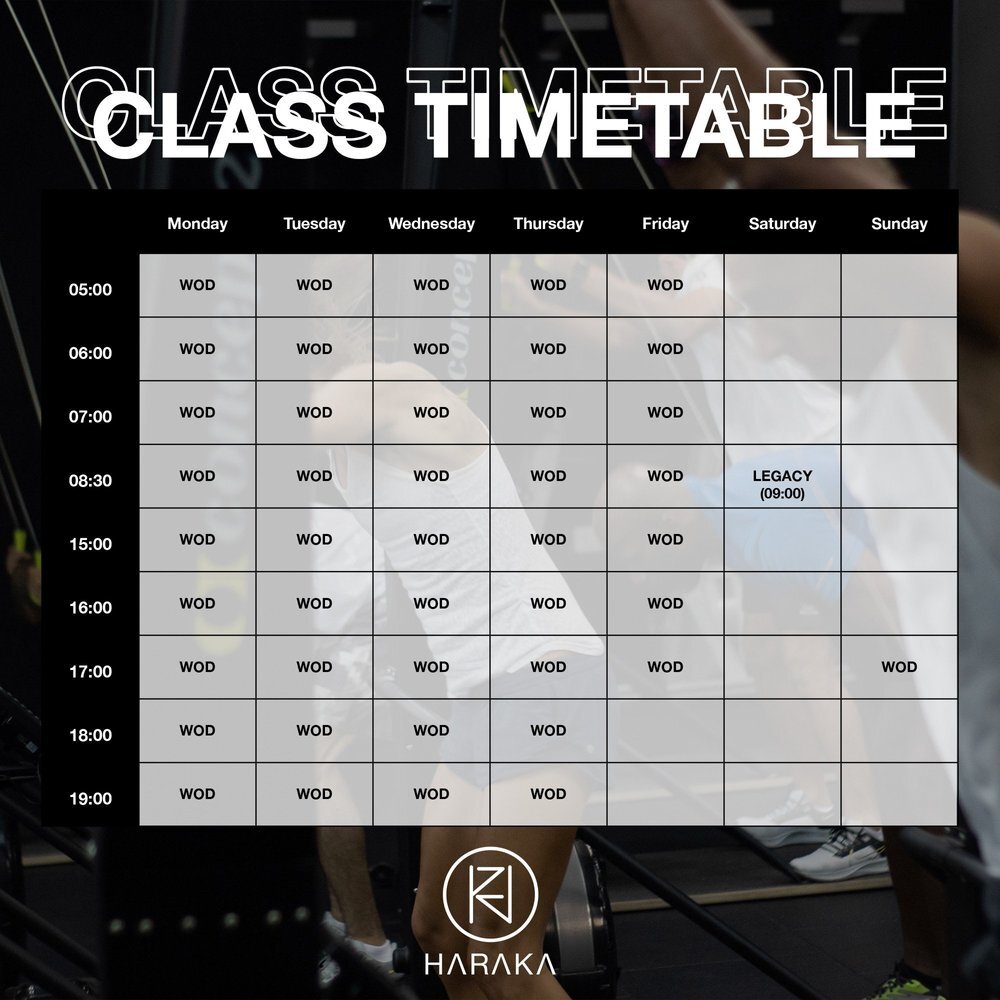
Maintaining a high level of academic and physical activity requires a well-fueled body and a well-rested mind. Strategic nutrition and effective recovery are foundational pillars that empower you to navigate a demanding class schedule while staying energized and focused. This section delves into how to optimize your intake and rest to support your busy lifestyle.Balanced nutrition acts as the primary fuel source for both cognitive functions essential for studying and the physical energy required for exercise.
Consuming a variety of nutrient-dense foods ensures your body receives the vitamins, minerals, carbohydrates, proteins, and healthy fats it needs to perform optimally. Adequate protein intake is crucial for muscle repair and growth after physical activity, while complex carbohydrates provide sustained energy release, preventing energy crashes during long study sessions or workouts. Healthy fats are vital for brain health and hormone production, further contributing to overall well-being and sustained energy.
Fueling Your Body: Meal and Snack Strategies
When time is limited, making smart food choices that are both quick to prepare and portable is key. These options are designed to provide consistent energy without compromising on nutritional value, making them ideal for students on the go.
- Quick Breakfasts: Overnight oats prepared the night before with fruits and nuts, or a smoothie blended with protein powder, spinach, and berries, offer a nutrient-packed start to the day.
- Portable Lunches: Whole-grain wraps filled with lean protein (like chicken or chickpeas), vegetables, and a light dressing, or pre-portioned salads with a vinaigrette, are easy to transport and consume between classes.
- Smart Snacks: Keep a stash of almonds, walnuts, or other nuts for healthy fats and protein, or opt for Greek yogurt with fruit for a protein boost. Hard-boiled eggs, fruit like apples or bananas, and vegetable sticks with hummus are also excellent choices for sustained energy.
- Pre- and Post-Workout Nutrition: A banana or a small handful of dates can provide quick energy before a workout, while a protein shake or a meal containing lean protein and complex carbohydrates is beneficial for recovery afterward.
The Critical Role of Sleep and Recovery
Adequate sleep is not a luxury but a necessity for anyone juggling a demanding schedule. During sleep, your body and mind undergo crucial restorative processes that directly impact your physical capabilities and cognitive performance.Adequate sleep is essential for muscle repair, energy replenishment, and hormone regulation, all of which are vital for physical recovery after exercise. Furthermore, sleep is critical for memory consolidation, learning, and problem-solving, directly enhancing your academic performance.
Chronic sleep deprivation can lead to decreased concentration, impaired judgment, increased stress levels, and a weakened immune system, making it harder to stay active and engaged. Aiming for 7-9 hours of quality sleep per night can significantly improve your ability to manage stress, learn effectively, and maintain physical stamina.
Optimizing Hydration for Peak Performance
Staying well-hydrated is fundamental to maintaining energy levels, cognitive function, and physical performance, especially when balancing multiple commitments. Dehydration, even mild, can lead to fatigue, headaches, and reduced concentration.Effective hydration strategies involve consistent intake throughout the day, not just when you feel thirsty.
- Carry a Reusable Water Bottle: This simple habit encourages frequent sipping and reduces reliance on sugary beverages. Keep it visible on your desk or in your backpack as a constant reminder.
- Set Reminders: Utilize your phone or smartwatch to set periodic reminders to drink water, especially during long lectures or study sessions.
- Incorporate Hydrating Foods: Fruits and vegetables with high water content, such as watermelon, cucumbers, oranges, and strawberries, contribute to your daily fluid intake.
- Monitor Urine Color: Pale yellow urine generally indicates good hydration, while dark yellow urine suggests you need to drink more fluids.
- Limit Dehydrating Beverages: While moderate caffeine intake might be acceptable, excessive consumption of sugary drinks or alcohol can contribute to dehydration.
Ultimate Conclusion
In essence, maintaining an active lifestyle amidst a packed class schedule is not only achievable but also a vital component of overall academic success and personal well-being. By embracing strategic time management, maximizing efficiency with short workouts, integrating movement into study habits, leveraging available resources, cultivating a motivated mindset, and prioritizing nutrition and recovery, students can effectively weave physical activity into the fabric of their busy lives, fostering both a healthier body and a sharper mind.