Embarking on the college journey is an exciting chapter, often accompanied by newfound independence and a shift in daily routines. However, this transition can also present unique challenges to maintaining a healthy lifestyle, most notably the phenomenon known as the “Freshman 15.” This guide is designed to equip you with the knowledge and strategies necessary to navigate these changes effectively and embrace your college years with vitality and well-being.
We will explore the underlying reasons for this common weight gain, from altered eating habits and increased stress to changes in sleep patterns and social dynamics. By understanding the contributing factors, you can proactively implement practical solutions for nutrition, physical activity, and overall lifestyle management. Our aim is to empower you to make informed choices that support both your academic success and your long-term health.
Understanding the “Freshman 15” Phenomenon
The transition to college is an exciting yet challenging period for many students. Alongside new academic pursuits and social opportunities, a common, and often dreaded, physical change can occur: the “Freshman 15.” This phenomenon refers to the typical weight gain experienced by first-year college students, a reality that impacts a significant portion of the student population. Understanding the underlying causes is the first crucial step in effectively managing this common challenge.The “Freshman 15” is not a strict scientific term but rather a colloquialism that captures a widespread observation.
While the exact amount can vary, it generally signifies an increase of about 10 to 15 pounds during the first year of college. This weight gain often manifests gradually, with many students noticing changes by the end of their first semester or by the end of their freshman year. This period is characterized by a confluence of physiological and psychological shifts, amplified by significant environmental changes inherent to the college experience.
Common Reasons for Freshman Weight Gain
The weight gain experienced by freshmen is rarely attributable to a single factor. Instead, it is a complex interplay of lifestyle changes, environmental influences, and psychological adjustments. Recognizing these contributing elements is essential for developing targeted strategies to maintain a healthy weight.Several key areas contribute to this common weight increase:
- Changes in Eating Habits: The structured meal plans of high school are replaced by more autonomous food choices. This often leads to increased consumption of processed foods, sugary drinks, and larger portion sizes. Late-night snacking and the availability of convenient, often unhealthy, options in dorms and dining halls also play a significant role.
- Reduced Physical Activity: While college offers opportunities for exercise, many students find their schedules packed with classes, studying, and social activities, leaving less time for consistent physical activity. The transition from a more structured physical education regimen in high school to a less mandatory one in college can also lead to a decrease in overall movement.
- Increased Stress and Emotional Eating: The pressures of academic demands, social adjustments, and independence can lead to increased stress levels. For many, food becomes a coping mechanism, leading to emotional eating or comfort eating, which can contribute to weight gain.
- New Social Environments: College campuses are social hubs where food often plays a central role in socializing. Group outings to restaurants, parties with abundant snacks, and the general atmosphere of indulgence can normalize less healthy eating patterns.
- Alcohol Consumption: For students of legal drinking age, alcohol can be a significant source of empty calories. Mixed drinks, beer, and wine, when consumed regularly, can add considerable calories to a student’s diet without providing essential nutrients.
Typical Timeline and Percentage of Weight Gain
The “Freshman 15” is a gradual process, not an overnight transformation. While the name suggests a specific number, the actual weight gain can fluctuate.Studies and anecdotal evidence suggest that the weight gain typically occurs over the course of the academic year.
- Semester One: Many students begin to see initial weight changes in their first semester as they adjust to new routines and food options. This might be a few pounds, often due to increased portion sizes and less structured eating.
- Semester Two and Beyond: The weight gain often continues and can become more pronounced in the second semester as students become more entrenched in their new lifestyle. By the end of the freshman year, the cumulative effect can lead to the commonly cited range of 10-15 pounds.
- Percentage of Students Affected: While not every freshman gains 15 pounds, research indicates that a substantial percentage of first-year students do experience some degree of weight gain. Estimates vary, but many studies suggest that anywhere from 30% to 60% of college freshmen gain weight, with the average gain often falling within the 7-10 pound range.
Physiological and Psychological Factors
The changes experienced by freshmen have a direct impact on both the body’s metabolism and a student’s mental state, both of which can influence weight.The physiological and psychological shifts are intertwined and contribute significantly to weight management challenges:
- Metabolic Adjustments: A sudden change in diet, particularly an increase in processed foods and sugar, can affect insulin sensitivity and lead to fat storage. Reduced physical activity also lowers overall caloric expenditure, making it easier for excess calories to be stored as fat.
- Sleep Deprivation: College students often experience irregular sleep patterns and insufficient sleep. Poor sleep quality can disrupt hormones that regulate appetite, such as ghrelin (which stimulates hunger) and leptin (which signals fullness), leading to increased cravings for calorie-dense foods.
- Stress Hormones: Elevated levels of cortisol, a stress hormone, can be triggered by academic pressures, social anxieties, and the general adjustment to college life. Cortisol can promote fat storage, particularly around the abdomen, and increase appetite.
- Development of New Habits: The freshman year is a critical period for establishing lifelong habits. If unhealthy eating and inactivity patterns are adopted early on, they can be difficult to break later.
Primary Environmental Changes Impacting Habits
The college environment itself presents a unique set of circumstances that can significantly alter pre-existing eating and activity patterns. These environmental factors are often the most immediate and impactful drivers of the “Freshman 15.”The college setting introduces several primary environmental changes:
- Accessibility of Food: Dining halls offer an “all-you-can-eat” model, often with less healthy options readily available. Campus stores and nearby eateries provide convenient, but frequently high-calorie, choices that are easily accessible at any hour.
- Social Norms and Peer Influence: The social fabric of college often revolves around shared meals, late-night study sessions fueled by snacks, and social events where food and beverages are prominent. This can create a peer pressure to conform to these eating patterns.
- Time Constraints: A packed academic schedule, coupled with extracurricular activities and social commitments, leaves many students with limited free time. This can make it challenging to prioritize meal preparation, mindful eating, and regular exercise.
- Lack of Parental Oversight: For many, college represents the first time living independently without the direct supervision of parents. This newfound autonomy, while liberating, also means a lack of the structured meal times and healthier food choices that may have been present at home.
- Limited Kitchen Facilities: Dorm rooms typically have minimal or no cooking facilities, forcing students to rely heavily on dining halls, pre-packaged meals, or takeout, which often leads to less control over ingredients and nutritional content.
Strategic Nutrition for College Life

Navigating the college dining hall and campus eateries presents a unique set of challenges and opportunities for maintaining healthy eating habits. With a variety of options available, it’s crucial to develop a strategic approach to food choices that supports sustained energy levels, effective weight management, and overall well-being during your academic journey. This section provides practical guidance to empower you in making informed nutritional decisions amidst the busy college environment.Making informed food choices in college dining halls and campus eateries requires awareness and planning.
Understanding the nutritional content of available options and employing smart strategies can significantly impact your ability to avoid unwanted weight gain. The following guidelines offer a framework for building a balanced and satisfying dietary pattern.
Making Healthier Food Choices in Dining Halls and Campus Eateries
Dining halls often offer a wide array of foods, from fresh produce to comfort classics. The key is to identify and prioritize nutrient-dense options while being mindful of portion sizes and preparation methods.Here are actionable strategies for making healthier choices:
- Prioritize Fruits and Vegetables: Load your plate with a variety of colorful fruits and vegetables at every meal. These are rich in vitamins, minerals, and fiber, which promote satiety and provide essential nutrients.
- Choose Lean Proteins: Opt for grilled, baked, or steamed lean protein sources such as chicken breast, fish, tofu, beans, and lentils. These are crucial for muscle maintenance and feeling full.
- Select Whole Grains: Whenever possible, choose whole-grain options like brown rice, quinoa, whole wheat bread, and pasta over refined grains. Whole grains provide sustained energy and more fiber.
- Be Mindful of Fats: Limit fried foods and creamy sauces. Opt for healthy fats found in avocados, nuts, and seeds in moderation.
- Control Portion Sizes: Use smaller plates if available and be conscious of how much food you are placing on your plate. Avoid going back for seconds excessively.
- Limit Sugary Drinks: Steer clear of soda, sweetened teas, and fruit juices, which contribute empty calories. Water is the best choice for hydration.
- Explore Salad Bars Wisely: While salad bars can be a healthy option, be cautious of high-calorie toppings like creamy dressings, croutons, cheese, and processed meats. Focus on a base of leafy greens and plenty of vegetables.
- Understand Preparation Methods: Opt for foods that are baked, grilled, steamed, or roasted rather than fried or heavily sauced.
Sample Balanced Meal Plan for Sustained Energy and Weight Management
A well-structured meal plan ensures you receive adequate macronutrients (carbohydrates, proteins, and fats) to fuel your body and brain throughout the day, preventing energy crashes and reducing the likelihood of overeating. This sample plan can be adapted to individual preferences and dining hall availability.Here is a sample meal plan designed to balance macronutrients: Breakfast:
- Option 1: Oatmeal made with water or milk, topped with berries and a small handful of almonds. (Complex carbohydrates, fiber, healthy fats, protein)
- Option 2: Scrambled eggs or tofu scramble with whole-wheat toast and a side of sliced avocado. (Protein, healthy fats, complex carbohydrates)
Lunch:
- Option 1: Large salad with mixed greens, grilled chicken or chickpeas, a variety of colorful vegetables, and a light vinaigrette dressing. A small side of quinoa. (Lean protein, fiber, vitamins, minerals, complex carbohydrates)
- Option 2: Turkey or veggie burger on a whole-wheat bun with a side of baked sweet potato fries (instead of regular fries) and a side salad. (Lean protein, complex carbohydrates, fiber)
Dinner:
- Option 1: Baked salmon or lentil loaf with steamed broccoli and a serving of brown rice. (Lean protein, omega-3 fatty acids, fiber, complex carbohydrates)
- Option 2: Chicken stir-fry with plenty of mixed vegetables (like bell peppers, onions, snap peas) and a moderate portion of whole-wheat noodles or brown rice, using a low-sodium soy sauce. (Lean protein, fiber, vitamins, minerals, complex carbohydrates)
Snacks (as needed):
- Apple slices with a tablespoon of peanut butter
- A small container of Greek yogurt with a few berries
- A handful of unsalted nuts
- Carrot sticks with hummus
The Importance of Hydration for Appetite Control and Metabolism
Adequate water intake is a cornerstone of healthy weight management and overall physiological function. Often overlooked, proper hydration plays a significant role in regulating appetite and optimizing metabolic processes.Water is essential for numerous bodily functions, including:
- Appetite Regulation: Sometimes, thirst can be mistaken for hunger. Drinking a glass of water before meals can help you feel fuller, potentially reducing your food intake.
- Metabolism Support: Water is involved in nearly every metabolic process, including the breakdown of food for energy. Dehydration can slow down your metabolism.
- Nutrient Transport: Water helps transport nutrients to your cells and removes waste products from your body.
- Temperature Regulation: Staying hydrated helps maintain a stable body temperature, which is crucial for efficient bodily functions.
Aim to drink at least 8-10 glasses of water per day. Carry a reusable water bottle with you and sip throughout the day, especially before, during, and after physical activity.
Smart Snacking Strategies to Avoid High-Calorie, Low-Nutrient Options
Snacking between meals is common, especially with busy college schedules. However, making poor snack choices can quickly lead to excess calorie intake without providing essential nutrients. Developing smart snacking habits is crucial for maintaining energy levels and preventing overeating at main meals.To make your snacks count towards your nutritional goals, consider these strategies:
- Plan Ahead: Pack healthy snacks from home or identify healthy options available on campus before you get hungry.
- Focus on Nutrient Density: Choose snacks that offer a combination of protein, fiber, and healthy fats to promote satiety and provide sustained energy.
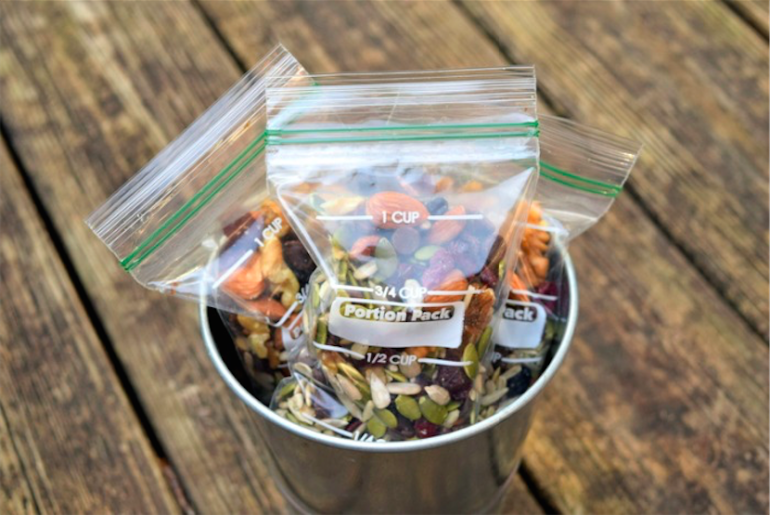
- Portion Control: Be mindful of serving sizes, especially with nuts and dried fruits, which are calorie-dense.
- Combine Food Groups: Pairing a carbohydrate with a protein or fat can help stabilize blood sugar and keep you feeling full longer. For example, an apple with peanut butter or whole-grain crackers with cheese.
- Limit Processed Snacks: Avoid chips, candy bars, sugary cookies, and pastries, which offer little nutritional value and can lead to energy spikes and crashes.
- Read Labels: If purchasing pre-packaged snacks, check the nutrition facts for calorie count, sugar content, and ingredients.
Managing Cravings and Emotional Eating in a Stressful College Environment
The college experience can be a period of significant stress, which often triggers cravings and emotional eating. Recognizing these patterns and developing coping mechanisms is vital for maintaining a healthy relationship with food and preventing weight gain.Strategies for managing cravings and emotional eating include:
- Identify Triggers: Pay attention to when and why you experience cravings or emotional eating. Is it stress, boredom, loneliness, or a specific situation?
- Practice Mindful Eating: When you eat, focus on the experience. Pay attention to the taste, texture, and smell of your food. Eat slowly and savor each bite. This can help you recognize when you are truly full.
- Develop Healthy Coping Mechanisms: Find alternative ways to manage stress and emotions that do not involve food. This could include exercise, meditation, deep breathing exercises, journaling, talking to a friend or counselor, or engaging in hobbies.
- Ensure Adequate Sleep and Regular Meals: Lack of sleep and irregular eating patterns can exacerbate cravings and hormonal imbalances that contribute to emotional eating. Prioritize consistent sleep and balanced meals.
- Allow for Occasional Indulgences (in moderation): Completely restricting favorite foods can sometimes lead to increased cravings. Plan for small, occasional treats in a mindful way, rather than bingeing.
- Stay Hydrated: As mentioned, thirst can be mistaken for hunger or cravings. Ensure you are drinking enough water throughout the day.
- Seek Support: If emotional eating is a persistent issue, consider talking to a campus counselor or a registered dietitian. They can provide personalized strategies and support.
Incorporating Physical Activity into a Busy Schedule

Transitioning to college life often means a significant shift in routine, with academic demands and social opportunities vying for attention. Making time for physical activity can seem challenging amidst lectures, study sessions, and extracurriculars. However, establishing a consistent exercise regimen is a cornerstone of managing weight and maintaining overall well-being during these formative years. This section provides practical strategies to weave movement into your college experience, ensuring it complements, rather than competes with, your academic pursuits.The key to successful physical activity integration lies in thoughtful planning and a flexible approach.
Recognizing that college schedules are dynamic, creating a routine that is both structured and adaptable is paramount. This involves identifying opportunities for exercise, choosing activities that align with personal preferences and campus resources, and finding creative ways to increase daily movement.
Establishing a Consistent Exercise Routine
Developing a regular exercise schedule requires a proactive approach to time management and a commitment to prioritizing physical health. It’s about viewing exercise not as an optional add-on, but as an essential component of your academic and personal success.To organize a routine for incorporating regular exercise into a demanding academic schedule, consider the following:
- Assess Your Schedule: Analyze your weekly class times, study blocks, and social commitments. Identify consistent free periods, even if they are short, where you can realistically fit in a workout. Early mornings, lunch breaks, or evenings after classes are common opportunities.
- Prioritize and Schedule: Treat exercise appointments with the same importance as academic ones. Block out specific times in your planner or digital calendar for workouts. Be realistic about the duration; even 30-minute sessions can be effective.
- Be Flexible: College life is unpredictable. If you miss a scheduled workout, don’t let it derail your entire plan. Aim to reschedule it later in the day or week, or opt for a shorter, less intense activity.
- Listen to Your Body: Pay attention to your energy levels and recovery needs. Rest days are crucial for muscle repair and preventing burnout.
- Start Small and Build Up: If you’re new to exercise, begin with a few sessions per week and gradually increase the frequency and intensity as your fitness improves.
Accessible and Budget-Friendly Fitness Options on Campus
Most college campuses offer a wealth of resources designed to support student health and wellness, often at little to no additional cost. Leveraging these on-campus facilities can make staying active significantly easier and more affordable.Various accessible and budget-friendly fitness options available on most college campuses include:
- Campus Recreation Centers: These facilities typically feature well-equipped gyms with cardio machines, weightlifting equipment, and often dedicated studios for group fitness classes. Membership is usually included in student fees.
- Group Fitness Classes: Many recreation centers offer a diverse range of classes such as yoga, Zumba, spinning, HIIT, and strength training. These provide structured workouts led by instructors and a social element that can boost motivation.
- Intramural Sports: Participating in intramural leagues for sports like basketball, soccer, volleyball, or flag football is a fun way to get exercise while connecting with peers.
- Campus Trails and Outdoor Spaces: Many campuses have walking or running paths, outdoor basketball courts, tennis courts, or even outdoor fitness equipment. These are free to use and offer a refreshing change of scenery.
- Student-Led Fitness Groups: Look for student organizations focused on running, hiking, or other physical activities. These can offer informal, peer-led workouts and social outings.
Integrating Movement into Daily Activities
Beyond structured workouts, there are numerous opportunities to increase your overall physical activity throughout the day. These small bursts of movement can significantly contribute to calorie expenditure and improve energy levels.Effective ways to integrate movement into daily activities beyond formal workouts include:
- Active Transportation: Opt to walk or bike to classes, the library, or dining halls whenever feasible. This not only burns calories but also reduces reliance on campus shuttles or cars.
- Take the Stairs: Whenever possible, choose the stairs over elevators or escalators. This is a simple yet effective way to get your heart rate up and strengthen your legs.
- Incorporate Movement During Study Breaks: Instead of scrolling through social media, use short study breaks to do some stretching, walk around your dorm or apartment, or do a few quick exercises like jumping jacks or squats.
- Active Socializing: Suggest activities with friends that involve movement, such as going for a walk in a nearby park, playing frisbee on the quad, or exploring the campus on foot.
- Desk Exercises: If you spend a lot of time at a desk, incorporate subtle movements like calf raises, leg extensions, or shoulder rolls throughout the day.
Benefits of Different Types of Physical Activity
Different forms of exercise offer distinct advantages for overall health and weight management. Understanding these benefits can help you diversify your fitness routine and ensure you are targeting various aspects of your physical well-being.The benefits of different types of physical activity for overall health and weight management can be compared as follows:
| Type of Activity | Primary Benefits for Health | Primary Benefits for Weight Management | Examples |
|---|---|---|---|
| Cardiovascular Exercise (Aerobic) | Improves heart and lung health, reduces risk of chronic diseases (heart disease, diabetes), enhances mood, boosts stamina. | Burns a significant number of calories during the activity, improves metabolism, helps create a calorie deficit. | Running, brisk walking, swimming, cycling, dancing, jumping rope. |
| Strength Training (Resistance) | Builds and maintains muscle mass, increases bone density, improves posture, boosts metabolism even at rest. | Increases lean muscle mass, which burns more calories at rest than fat; can help shape the body and improve body composition. | Weightlifting, bodyweight exercises (push-ups, squats), resistance bands. |
| Flexibility and Mobility Exercises | Improves range of motion, reduces risk of injury, alleviates muscle soreness, promotes relaxation. | While not a primary calorie burner, improved flexibility can support more effective and consistent participation in other forms of exercise. | Stretching, yoga, Pilates, Tai Chi. |
| Mind-Body Exercises | Reduces stress and anxiety, improves focus, promotes mindfulness, enhances body awareness. | Can help manage stress-related eating and emotional eating, contributing indirectly to weight management by fostering healthier coping mechanisms. | Yoga, Tai Chi, Qigong. |
Motivational Plan to Overcome Exercise Barriers
Adherence to an exercise routine can be challenging, especially with the demands and distractions of college life. Developing a robust motivational plan can help you stay on track and overcome common obstacles that may arise.A motivational plan to overcome common barriers to exercise adherence includes:
- Set SMART Goals: Ensure your fitness goals are Specific, Measurable, Achievable, Relevant, and Time-bound. For example, instead of “exercise more,” aim for “complete three 30-minute brisk walks per week for the next month.”
- Find a Workout Buddy: Exercising with a friend can provide accountability and make workouts more enjoyable. You can encourage each other and celebrate successes together.
- Track Your Progress: Keep a log of your workouts, including duration, intensity, and how you felt. Seeing your progress can be a powerful motivator. Many fitness apps can assist with this.
- Reward Yourself: Set up a system of rewards for achieving milestones. This could be anything from a new book to a relaxing massage, as long as it doesn’t undermine your health goals.
- Vary Your Routine: Prevent boredom by trying different activities, exploring new workout locations, or changing the intensity and duration of your workouts.
- Focus on the “Why”: Remind yourself of the long-term benefits of exercise for your physical and mental health, your academic performance, and your overall quality of life.
- Embrace Imperfection: Understand that there will be days when you don’t feel like exercising or when life gets in the way. Don’t let one missed session lead to giving up entirely. Get back on track as soon as possible.
Navigating Social and Environmental Challenges
The college environment presents unique social and environmental factors that can significantly influence eating habits and weight management. Successfully navigating these challenges requires conscious effort and strategic planning. Understanding these influences is the first step towards making healthier choices amidst peer pressure, social events, and the general campus atmosphere.The transition to college often involves increased independence, which can lead to new social dynamics and lifestyle changes.
These changes can create pressure to conform to certain behaviors, including dietary choices and consumption of alcohol. Furthermore, the campus environment itself, with its readily available food options and potential for disruptions in routine, can pose its own set of hurdles.
Managing Social Pressures Related to Food and Alcohol Consumption
Social gatherings are an integral part of college life, and often revolve around food and drinks. It is common to feel pressure to participate in these activities, which can sometimes lead to less healthy choices. Developing strategies to manage these pressures allows for continued social engagement while maintaining personal health goals.
- Setting personal boundaries: Before attending social events, decide in advance what you are willing and unwilling to consume. This pre-planning can help you resist impulsive decisions.
- Practicing assertive communication: Politely decline offers of unhealthy food or excessive alcohol. Phrases like “No, thank you, I’m good for now” or “I’m trying to make healthier choices tonight” can be effective.
- Finding like-minded friends: Connect with peers who share similar health and wellness goals. This can create a supportive network that reinforces positive behaviors.
- Focusing on non-food-related activities: Suggest or participate in social events that do not center around eating or drinking, such as movie nights, study groups, or outdoor activities.
- Understanding portion control in social settings: Even when indulging, be mindful of portion sizes. Using smaller plates or sharing larger dishes can help manage intake.
Making Informed Decisions When Eating Out with Friends or at Parties
Eating out and attending parties are common social activities that can present dietary challenges. By employing a few smart strategies, you can make choices that align with your health objectives without sacrificing social enjoyment.
- Reviewing menus in advance: If eating at a restaurant, look at the menu online beforehand to identify healthier options. This reduces on-the-spot decision-making pressure.
- Prioritizing nutrient-dense options: When at parties or dining out, opt for dishes rich in lean protein, vegetables, and whole grains. These choices are more satiating and provide essential nutrients.
- Being mindful of preparation methods: Grilled, baked, steamed, or broiled foods are generally healthier than fried or heavily sauced options.
- Controlling beverage intake: Sugary drinks and excessive alcohol can contribute significant calories. Opt for water, unsweetened tea, or moderate consumption of alcoholic beverages.
- Practicing mindful eating: Pay attention to your hunger and fullness cues. Eat slowly and savor your food, which can prevent overeating.
The Impact of Sleep Deprivation on Appetite Regulation and Metabolism
Adequate sleep is crucial for maintaining a healthy weight, as it plays a vital role in regulating hormones that control appetite and metabolism. Sleep deprivation can disrupt these processes, leading to increased hunger and cravings for unhealthy foods.Sleep deprivation affects two key hormones: ghrelin, which stimulates appetite, and leptin, which signals fullness. When sleep is insufficient, ghrelin levels tend to rise, making you feel hungrier, while leptin levels may fall, reducing feelings of satiety.
This hormonal imbalance can lead to increased calorie intake. Furthermore, lack of sleep can negatively impact metabolism, potentially slowing down the rate at which your body burns calories. It can also increase cravings for high-calorie, high-sugar, and high-fat foods.To mitigate the effects of sleep deprivation on appetite and metabolism:
- Establish a consistent sleep schedule: Aim to go to bed and wake up around the same time each day, even on weekends. This helps regulate your body’s natural sleep-wake cycle.
- Create a relaxing bedtime routine: Engage in calming activities before bed, such as reading, taking a warm bath, or listening to quiet music.
- Optimize your sleep environment: Ensure your bedroom is dark, quiet, and cool.
- Limit screen time before bed: The blue light emitted from electronic devices can interfere with melatonin production, a hormone that regulates sleep.
- Be mindful of caffeine and alcohol intake: Avoid consuming these substances close to bedtime, as they can disrupt sleep patterns.
Common Pitfalls in Dorm Room Food Storage and Preparation
Dorm rooms often have limited space and fewer amenities, which can make healthy food storage and preparation challenging. Recognizing common pitfalls can help you implement effective strategies to maintain a healthier diet.Common issues include the absence of full-sized refrigerators, limited counter space, and restricted access to cooking facilities. This can lead to food spoilage, reliance on processed snacks, and difficulty preparing balanced meals.To overcome these challenges:
- Invest in a mini-fridge: This allows for the storage of perishable items like fruits, vegetables, yogurt, and lean proteins.
- Utilize food storage containers: Airtight containers are essential for keeping food fresh and preventing spills.
- Prioritize non-perishable healthy snacks: Keep items like nuts, seeds, whole-grain crackers, and dried fruit on hand for when fresh options are not readily available.
- Explore no-cook meal ideas: Sandwiches on whole-grain bread, salads, and overnight oats are excellent options that require minimal preparation.
- Consider a microwave or electric kettle: These appliances can be useful for preparing quick meals like oatmeal, steaming vegetables, or making soups.
- Practice good hygiene: Regularly clean your mini-fridge and any food preparation surfaces to prevent the growth of bacteria.
Seeking Support from Campus Health Services or Nutritionists
Navigating the complexities of college life and maintaining healthy habits can be overwhelming at times. Fortunately, most campuses offer resources designed to support student well-being, including health services and nutritionists.Campus health services can provide general health advice and referrals, while nutritionists offer specialized guidance on dietary matters. These professionals can help you develop personalized strategies to address specific concerns, such as managing weight, understanding dietary needs, or overcoming eating challenges.When seeking support:
- Inquire about campus resources: Familiarize yourself with the services offered by your university’s health center and counseling services.
- Schedule an appointment with a nutritionist: If available, a registered dietitian or nutritionist can provide tailored advice and meal planning support.
- Discuss your specific challenges: Be open about your concerns, whether they relate to social pressures, time constraints, or specific food choices.
- Utilize educational workshops: Many campuses offer workshops on nutrition, stress management, and healthy living.
- Build a support network: While professional help is valuable, also lean on friends, family, and campus support groups for encouragement.
Building Sustainable Healthy Habits for the Long Term
Transitioning from the initial excitement and challenges of freshman year to a more established college routine requires a shift in focus. It’s no longer just about avoiding the “Freshman 15” but about cultivating habits that support overall well-being throughout your academic journey and beyond. This involves a conscious effort to integrate healthy practices into your daily life in a way that feels natural and sustainable.The foundation of long-term healthy living in college lies in understanding and implementing principles that foster a positive relationship with food and your body.
This section delves into creating a robust framework for health and well-being that extends far beyond the first year.
Mindful Eating Principles and College Application
Mindful eating is the practice of paying full attention to the experience of eating and drinking, as well as to the physical and emotional signals from your body. It encourages a non-judgmental awareness of hunger, fullness, and satiety, fostering a more intuitive approach to food choices. In the college environment, where convenience often dictates meal choices and social eating is prevalent, mindful eating can be a powerful tool to counter mindless consumption and potential weight gain.Applying mindful eating in college involves several key strategies:
- Savoring Each Bite: Take time to notice the colors, textures, smells, and flavors of your food. This slows down the eating process, allowing your body to register fullness cues more effectively. For instance, when eating in the dining hall, put down your fork between bites and engage your senses with the meal.
- Recognizing Hunger and Fullness Cues: Before eating, assess your hunger level on a scale of 1 to 10. During the meal, pause periodically to check in with your body and notice signs of satisfaction. This helps prevent overeating.
- Eating Without Distractions: Try to eat meals away from screens (phones, laptops, TVs) and social media. When you focus solely on eating, you are more likely to notice when you are full and to enjoy your food more.
- Making Conscious Choices: Even with limited options in a dining hall or convenience store, a mindful approach allows you to select the most nourishing options available, considering balance and portion sizes.
- Understanding Emotional Eating: Recognize when you are eating due to stress, boredom, or other emotions rather than physical hunger. Finding alternative coping mechanisms for these feelings is crucial.
Framework for Setting Realistic and Achievable Health Goals
Establishing health goals during the freshman year should be a gradual and iterative process. Unrealistic expectations can lead to discouragement, while achievable goals build momentum and confidence. A structured approach helps ensure that these goals are integrated into the demanding college lifestyle.A practical framework for goal setting includes:
- SMART Goal Setting: Goals should be Specific, Measurable, Achievable, Relevant, and Time-bound. For example, instead of “eat healthier,” a SMART goal could be “incorporate one serving of vegetables into my lunch and dinner meals at the dining hall three times a week for the next month.”
- Focus on Process, Not Just Outcome: While weight management might be an ultimate outcome, focus on the behaviors that lead to it. Aiming to consistently meet your hydration goals or to engage in a certain amount of physical activity each week are process-oriented goals.
- Start Small and Build: Begin with one or two manageable goals. Once these become habitual, you can introduce new ones. For instance, if your current goal is to walk to class, you might later add a goal to incorporate strength training twice a week.
- Regular Review and Adjustment: Schedule regular check-ins, perhaps weekly or bi-weekly, to assess your progress. Be prepared to adjust your goals based on your experiences, challenges, and successes. If a goal is proving too difficult, break it down further or modify it to be more attainable.
Importance of Self-Compassion and Resilience in Maintaining Healthy Habits
The path to building sustainable healthy habits is rarely linear. There will be setbacks, missed workouts, and less-than-ideal food choices. In these moments, self-compassion and resilience are paramount. Self-compassion involves treating yourself with the same kindness and understanding you would offer a friend facing similar challenges, rather than with harsh self-criticism. Resilience is the ability to bounce back from adversity and continue moving forward.These qualities are vital for several reasons:
- Preventing All-or-Nothing Thinking: Self-compassion helps you avoid falling into the trap of thinking, “I’ve already messed up, so I might as well give up.” Instead, it encourages you to acknowledge the slip-up, learn from it, and get back on track without excessive guilt.
- Reducing Stress and Anxiety: Harsh self-judgment can increase stress, which can negatively impact health behaviors. A compassionate approach fosters a calmer, more supportive internal environment conducive to habit formation.
- Learning from Mistakes: Resilience allows you to view challenges as learning opportunities. Instead of dwelling on a failed attempt, you can analyze what went wrong and strategize for future success. For example, if a planned healthy meal was replaced by fast food due to an unexpected late-night study session, resilience encourages you to plan for future late-night snacks or to be more proactive in meal prepping.
- Sustaining Motivation: When you are kind to yourself during difficult times, you are more likely to maintain motivation and continue pursuing your health goals in the long run.
Practical Methods for Tracking Progress Without Fostering Obsessive Behaviors
Tracking progress can be a powerful motivator, but it needs to be done thoughtfully to avoid developing unhealthy obsessions with numbers or outcomes. The goal is to gain insights and maintain accountability, not to create anxiety.Effective and balanced tracking methods include:
- Habit Trackers: Use a simple calendar or a dedicated app to mark off days you successfully completed a target habit (e.g., drank 8 glasses of water, went for a 30-minute walk). This visual representation of consistency can be very encouraging.
- Journaling: Keep a brief journal to note how you felt after certain meals, after exercise, or during challenging situations. This qualitative data can provide valuable insights into your body’s responses and your emotional state, which are often more telling than just numbers.
- Focus on Non-Scale Victories: Celebrate achievements that aren’t related to weight. This could include having more energy, sleeping better, fitting into clothes more comfortably, feeling stronger, or noticing improvements in mood.
- Regular Check-ins with Yourself: Instead of daily weigh-ins, consider weekly or bi-weekly self-assessments. Ask yourself: “How am I feeling?” “Am I making progress towards my goals?” “What challenges am I facing?”
- Utilize Technology Wisely: Fitness trackers and apps can be helpful, but set them up to focus on activity minutes, step counts, or sleep quality rather than solely on calorie expenditure or calorie intake, which can sometimes fuel obsessive thoughts.
Transitioning Healthy Habits from the Freshman Year to Subsequent Semesters
The habits established during the freshman year are the building blocks for continued well-being throughout college. The key to sustainability is recognizing that these habits are not a temporary fix but an integral part of a healthy lifestyle that needs to adapt as your college experience evolves.The transition involves several strategic considerations:
- Continuous Learning and Adaptation: As you move into sophomore, junior, and senior years, your academic demands, social life, and personal circumstances will change. Be prepared to adapt your health strategies accordingly. For instance, if your schedule becomes more demanding, you might need to prioritize shorter, more intense workouts or explore meal prep options that require less time.
- Maintaining Social Support: Continue to connect with friends who share similar health goals or who are supportive of your efforts. Exercising with a friend or planning healthy meals together can provide accountability and motivation.
- Revisiting and Refining Goals: Periodically reassess your health goals. What worked well in your freshman year might need to be tweaked or replaced with new objectives as your priorities shift. For example, you might move from focusing on basic nutrition to exploring more advanced meal preparation techniques or specific fitness training regimens.
- Embracing Flexibility: Recognize that life happens. There will be periods of intense stress or unexpected events that might temporarily disrupt your routine. The ability to be flexible and to get back on track without self-recrimination is crucial for long-term success.
- Integrating Health into Your Identity: The ultimate goal is to view healthy habits not as a chore, but as an intrinsic part of who you are and how you want to live. When healthy choices become a natural extension of your values and lifestyle, they are far more likely to be maintained.
Last Word

Successfully navigating the “Freshman 15” is about building a foundation of sustainable healthy habits that extend far beyond the first year of college. By integrating mindful eating, regular physical activity, and effective stress management techniques into your daily life, you can foster a balanced and vibrant lifestyle. Remember that progress is often gradual, and self-compassion plays a crucial role in overcoming challenges and maintaining your commitment to well-being throughout your academic career and beyond.