How to Cook Simple, Healthy Meals in a Dorm sets the stage for this enthralling narrative, offering readers a glimpse into a story that is rich in detail and brimming with originality from the outset. This comprehensive guide is designed to empower students navigating the unique challenges and opportunities of dorm kitchen environments. We will explore how to overcome spatial limitations, select essential equipment, and craft delicious, nutritious meals that fit a busy student schedule and a tight budget.
From understanding the constraints of limited counter space and shared appliances to mastering the art of efficient food storage, this guide provides practical solutions. We’ll delve into the must-have tools and pantry staples that can transform a small dorm room into a functional cooking space, ensuring that healthy eating is accessible and achievable for every student.
Understanding Dorm Kitchen Constraints and Opportunities

Navigating the culinary landscape of a dorm room presents unique challenges, primarily due to limited space and equipment. However, with a strategic approach, these constraints can be transformed into opportunities for creative, efficient, and healthy meal preparation. This section will guide you through understanding these limitations and uncovering the potential within your dorm kitchen.The reality of dorm living often means making do with less.
Recognizing these common limitations is the first step towards effective meal planning and execution. By understanding what you have and what you’re working with, you can better equip yourself and adapt your cooking methods to suit your environment.
Common Dorm Kitchen Limitations
Dorm kitchens are typically designed for basic functionality, often lacking the comprehensive amenities found in a standard home kitchen. This necessitates a resourceful approach to cooking.
- Limited Counter Space: Many dorm kitchens offer minimal surface area for food preparation, making it difficult to chop vegetables, assemble ingredients, or plate meals.
- Lack of a Full Stove: Some dorms may only have a microwave, a hot plate, or a shared stovetop, limiting the types of cooking methods available.
- Shared Appliances: When appliances are shared, there can be issues with availability, cleanliness, and the need to coordinate cooking times with roommates or other residents.
- Restricted Storage: Compact living spaces mean limited options for storing ingredients, cookware, and pantry staples, often requiring creative organization solutions.
Maximizing Dorm Kitchen Functionality
Despite the inherent limitations, several innovative strategies can significantly enhance the usability of a small dorm kitchen. The key is to think vertically, multi-functionally, and efficiently.
- Vertical Storage Solutions: Utilize wall space with magnetic strips for knives, shelves, and hanging organizers for utensils and small appliances. This frees up valuable counter and cabinet space.
- Collapsible Cookware: Invest in pots, pans, and bowls that can be collapsed or nested for easy storage when not in use.
- Multi-Functional Appliances: Choose appliances that can perform multiple tasks, such as a toaster oven that can also bake and broil, or an immersion blender that can also whisk and chop.
- Modular Cutting Boards: Consider cutting boards with built-in colanders or containers to streamline the washing and chopping process, minimizing the need for extra dishes.
- Designated Prep Zones: Even with limited space, try to establish a clear area for chopping and another for assembly to maintain order and hygiene.
Essential Small Appliances for Dorm Cooking
Certain small appliances can be game-changers in a dorm kitchen, expanding your culinary repertoire and making meal preparation significantly easier and more enjoyable. Prioritize appliances that are versatile, energy-efficient, and compact.
- Microwave: A staple in most dorms, a microwave is invaluable for reheating, steaming vegetables, and even cooking some simple dishes. Look for models with sensor cooking for more consistent results.
- Electric Kettle: Perfect for quickly boiling water for tea, coffee, instant noodles, or par-cooking ingredients for other recipes.
- Mini Fridge: Essential for storing perishable items like dairy, fruits, vegetables, and leftovers, ensuring food safety and reducing waste.
- Toaster Oven: This versatile appliance can toast bread, bake small meals, broil, and reheat food, often replacing the need for a full oven for many dorm-friendly recipes.
- Rice Cooker/Multi-Cooker: A rice cooker is excellent for perfectly cooked rice, grains, and even steaming. Some multi-cookers can also slow cook, sauté, and pressure cook, offering incredible versatility.
- Immersion Blender: Compact and easy to store, an immersion blender can be used to make smoothies, soups, sauces, and even homemade dips directly in a pot or container.
Strategies for Efficient Food Storage in a Compact Dorm Room
Effective food storage is crucial in a dorm room to prevent spoilage, maintain freshness, and keep your living space organized and clutter-free. This requires a thoughtful approach to how and where you store your groceries.
- Utilize Airtight Containers: Invest in a set of good quality, stackable airtight containers. These are essential for storing leftovers, pre-prepped ingredients, and dry goods, preventing spills and keeping food fresh.
- Smart Pantry Organization: Designate a specific shelf or area for non-perishable items. Use smaller bins or baskets to group similar items like canned goods, pasta, or snacks, making it easier to find what you need.
- Vertical Fridge Storage: Maximize the space in your mini-fridge by using stackable bins and shelves. Store items that need to be kept coldest at the bottom.
- Prep and Portion: Wash and chop vegetables and fruits as soon as you buy them, storing them in separate containers. This saves time during meal prep and reduces the likelihood of produce going bad.
- Shelf-Stable Staples: Stock up on shelf-stable items like canned beans, lentils, whole grains (oats, quinoa), and pasta. These have a long shelf life and form the basis of many quick meals.
- Creative Non-Perishable Storage: For items like potatoes and onions, consider using breathable bags or baskets stored in a cool, dark place outside the fridge to extend their shelf life.
Essential Dorm-Friendly Cooking Equipment and Tools
Equipping your dorm room with the right cooking essentials is key to unlocking your culinary potential, even within limited space. This section will guide you through selecting the most functional and space-saving tools that will make preparing simple, healthy meals a breeze. Prioritizing durability and ease of cleaning will ensure your investment lasts throughout your academic journey.The dorm kitchen environment often requires a minimalist approach to equipment.
Choosing items that serve multiple purposes and are compact will maximize your efficiency and minimize clutter. Investing in a few high-quality pieces will prove more beneficial than accumulating numerous single-use gadgets.
Dorm-Friendly Cookware and Utensils
Selecting the right cookware and utensils is paramount for successful dorm cooking. These items should be versatile, easy to store, and simple to clean. Consider materials that are non-stick, lightweight, and compatible with common dorm appliances like portable induction cooktops or microwaves.Here is a list of essential cookware and utensils suitable for dorm living:
- Small Saucepan (1-2 quart): Ideal for boiling water for pasta or ramen, making oatmeal, heating soup, or cooking small portions of vegetables. Look for one with a lid to retain heat and speed up cooking.
- Frying Pan/Skillet (8-10 inch): A non-stick skillet is incredibly versatile for scrambling eggs, sautéing vegetables, cooking small cuts of meat, or making quesadillas.
- Cutting Board: A medium-sized, durable cutting board is essential for preparing ingredients. Opt for wood or high-density plastic that is gentle on knife blades and easy to sanitize.
- Chef’s Knife (6-8 inch): A good quality chef’s knife is your most important tool. It can handle chopping vegetables, dicing onions, mincing garlic, and even portioning small proteins.
- Paring Knife: Useful for smaller tasks like peeling fruits, coring tomatoes, or trimming small ingredients.
- Spatula: A heat-resistant spatula is needed for flipping, stirring, and scraping. Silicone or nylon spatulas are excellent choices for non-stick pans.
- Wooden Spoon or Heat-Resistant Spoon: Essential for stirring sauces, soups, and batters. Wood is preferred as it won’t scratch non-stick surfaces.
- Tongs: Versatile for turning food in pans, serving, and even grasping hot items.
- Can Opener: A manual can opener is a must-have for accessing canned goods.
- Peeler: A simple swivel peeler makes quick work of fruits and vegetables.
- Measuring Cups and Spoons: Crucial for following recipes accurately, especially when baking or making sauces.
- Mixing Bowls: A set of nesting mixing bowls in various sizes is useful for combining ingredients, marinating, or serving.
- Colander/Strainer: Necessary for draining pasta, washing produce, and rinsing grains. A collapsible one can save significant storage space.
- Dish Towels and Sponge: For cleaning up spills and washing dishes.
Durable and Multi-Functional Kitchen Tools
When selecting kitchen tools for a dorm, durability and multi-functionality are key considerations. These attributes ensure that your tools will withstand regular use and can adapt to various cooking tasks, thereby saving you money and space. Prioritizing items that are easy to clean is also vital, as access to dishwashers may be limited.Tools made from stainless steel, sturdy plastics, and silicone are generally durable and easy to maintain.
For instance, a good quality spatula can be used for both stirring and scraping, while a set of nesting bowls can be used for mixing, serving, and even storing leftovers. Opting for tools with ergonomic handles will also enhance comfort and safety during use.
The Benefits of a Quality Knife and Cutting Board
Investing in a good quality chef’s knife and a sturdy cutting board is one of the most impactful decisions you can make for your dorm kitchen. A sharp knife makes food preparation significantly easier, safer, and more enjoyable. Dull knives require more force, increasing the risk of slipping and accidental cuts. A well-balanced knife allows for precise chopping, dicing, and mincing, transforming raw ingredients into ready-to-cook components efficiently.A proper cutting board protects your countertops from scratches and provides a stable surface for cutting.
It also helps to keep your knives sharper for longer by preventing them from dulling against hard surfaces. Furthermore, choosing a cutting board that is easy to clean and sanitize is essential for food safety in a shared living environment. Materials like bamboo or dense plastic are good choices, offering a balance of durability and ease of maintenance.
Basic Pantry Staples for Dorm Cooking
Building a well-stocked pantry with non-perishable and versatile ingredients is the foundation of simple and healthy dorm cooking. These staples can be combined in numerous ways to create a variety of meals, minimizing the need for frequent grocery runs and reducing food waste. Having these items on hand ensures you can whip up a satisfying meal at any time.Consider the following basic pantry staples that are non-perishable and versatile for dorm cooking:
- Grains:
- Oats (rolled or quick-cooking)
- Rice (white or brown)
- Pasta
- Quinoa
- Canned Goods:
- Beans (black, kidney, chickpeas)
-excellent sources of protein and fiber. - Tomatoes (diced, crushed, paste)
-for sauces, soups, and stews. - Tuna or Salmon – for quick salads or sandwiches.
- Soups (vegetable, lentil, chicken noodle)
-for easy meals. - Proteins:
- Peanut Butter or other nut butters
- Protein powder
- Flavor Enhancers & Condiments:
- Salt and Pepper
- Olive Oil or Vegetable Oil
- Soy Sauce or Tamari
- Vinegar (apple cider or white)
- Hot Sauce
- Herbs and Spices (e.g., garlic powder, onion powder, cumin, chili powder, Italian seasoning)
- Honey or Maple Syrup
- Mustard
- Snacks & Other:
- Crackers
- Dried Fruit
- Nuts and Seeds
- Tea Bags or Coffee
- Shelf-stable milk (e.g., almond, soy, oat)
Quick and Nutritious Meal Ideas for Busy Students
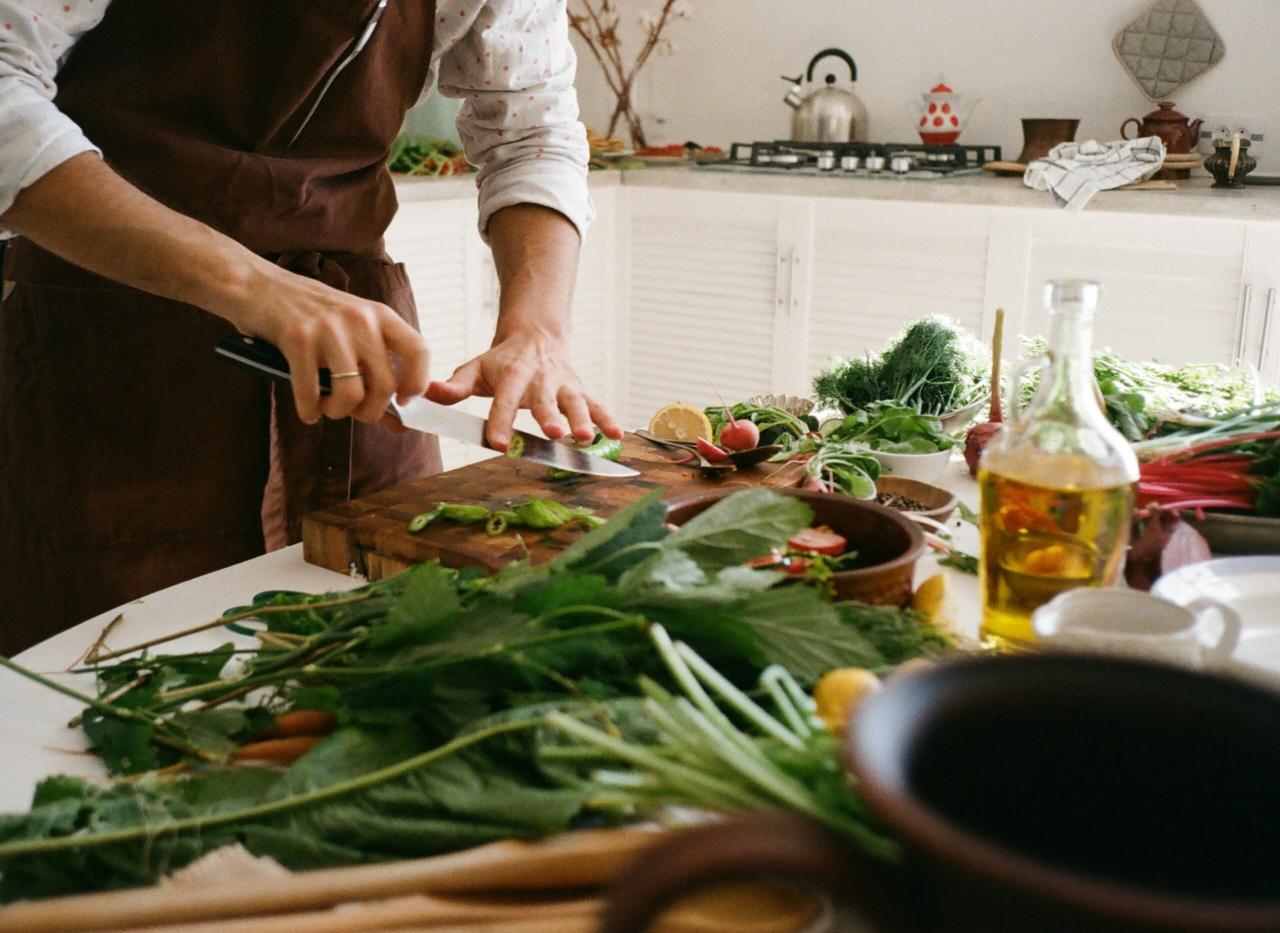
Navigating student life often means balancing demanding academic schedules with social activities and personal well-being. In this fast-paced environment, having access to simple, healthy, and quick meal solutions is paramount. This section focuses on empowering you with practical strategies and delicious recipes that fit seamlessly into a busy dorm lifestyle, ensuring you stay energized and nourished without sacrificing valuable time.Understanding the unique constraints of a dorm kitchen, this guide emphasizes efficiency and minimal preparation.
We’ll explore breakfast options that are ready in a flash, satisfying no-cook lunches perfect for on-the-go consumption, and dinner ideas that minimize cooking and cleanup. Furthermore, a sample weekly meal plan is provided to help you organize your nutrition, making healthy eating a sustainable habit throughout the semester.
Breakfast Recipes Under 10 Minutes
Mornings in a dorm can be hectic, often leaving little time for a substantial breakfast. The following recipes are designed for speed and simplicity, ensuring you can fuel your day with nutritious options without feeling rushed. These ideas leverage readily available ingredients and require minimal culinary skills.
- Overnight Oats: Combine rolled oats, milk (dairy or non-dairy), and your favorite toppings like chia seeds, berries, or a touch of honey in a jar or container the night before. In the morning, it’s ready to eat, requiring no cooking whatsoever.
- Yogurt Parfait: Layer Greek yogurt with granola and fresh or frozen fruit in a glass or bowl. This provides protein, fiber, and essential vitamins in a quick and visually appealing format.
- Peanut Butter Banana Toast: Toast a slice of whole-wheat bread, spread with peanut butter, and top with sliced banana. This classic combination offers healthy fats, protein, and carbohydrates for sustained energy.
- Scrambled Egg Mug Meal: Whisk one or two eggs with a splash of milk and microwave-safe mug. Add a sprinkle of cheese or chopped vegetables if desired. Microwave for 60-90 seconds, stirring halfway through, until cooked.
- Fruit Smoothie: Blend frozen fruit (like berries or mango), a banana, a handful of spinach, and your choice of milk or yogurt. This is a quick way to pack in nutrients and is easily customizable.
Filling and Healthy No-Cook Lunch Options
Lunch breaks are often short, and the temptation to grab unhealthy fast food can be strong. These no-cook lunch ideas are designed to be prepared in advance or assembled quickly, providing sustained energy and essential nutrients without the need for a stove or microwave. They are perfect for packing in a lunchbox or enjoying at your desk.
- Tuna Salad or Chickpea Salad Wraps: Mix canned tuna (drained) or mashed chickpeas with Greek yogurt or mayonnaise, chopped celery, and seasonings. Serve in whole-wheat tortillas or lettuce wraps with added greens.
- Quinoa Salad: Cooked quinoa can be a base for many salads. Mix it with chopped cucumber, tomatoes, bell peppers, black beans, corn, and a simple lemon-herb vinaigrette.
- Hummus and Veggie Pittas: Stuff whole-wheat pitta bread with hummus, sliced cucumbers, carrots, bell peppers, and spinach. This offers a good balance of protein, fiber, and healthy fats.
- Caprese Skewers: Thread cherry tomatoes, fresh mozzarella balls, and basil leaves onto skewers. Drizzle with balsamic glaze for a light and refreshing option.
- Hard-Boiled Egg and Fruit Salad: Prepare hard-boiled eggs in advance. Pair them with a pre-cut fruit salad for a balanced and portable lunch.
Simple Dinner Recipes with Minimal Cooking and Cleanup
Evenings in a dorm can be a time for relaxation, but often require a quick and easy dinner solution. The following recipes prioritize minimal cooking time and straightforward cleanup, making them ideal for students who want a healthy meal without the fuss.
- Sheet Pan Sausage and Veggies: Toss pre-cooked sausage (like chicken or turkey sausage) with chopped vegetables such as broccoli, bell peppers, and onions on a baking sheet. Drizzle with olive oil and seasonings, then roast at 400°F (200°C) for about 20-25 minutes, until vegetables are tender and slightly browned. Cleanup involves just one pan.
- Pasta with Pesto and Cherry Tomatoes: Cook pasta according to package directions. While the pasta cooks, halve cherry tomatoes. Drain the pasta, reserving a little pasta water. Toss the hot pasta with pesto, cherry tomatoes, and a splash of reserved pasta water to create a light sauce.
- Loaded Baked Sweet Potato: Microwave a sweet potato until tender (about 5-8 minutes, depending on size). Split it open and top with canned black beans (rinsed), corn, salsa, and a dollop of Greek yogurt or avocado.
- “Stir-Fry” with Pre-Cooked Grains: Use pre-cooked brown rice or quinoa pouches. Sauté pre-cut stir-fry vegetables in a pan with a bit of oil and your favorite stir-fry sauce. Add a protein source like pre-cooked chicken strips or edamame. Combine with the heated grains.
- Quesadillas: Place a whole-wheat tortilla in a lightly oiled pan. Sprinkle one half with shredded cheese, black beans, and corn. Fold the tortilla in half and cook until golden brown and the cheese is melted, flipping once. Serve with salsa or guacamole.
Weekly Meal Plan for Balanced and Prepped Meals
A well-structured meal plan can significantly reduce stress and ensure consistent healthy eating. This sample weekly plan focuses on meals that can be partially or fully prepped in advance, saving you time during busy weekdays. It aims for a balance of macronutrients and incorporates variety.
Monday
- Breakfast: Overnight Oats (prepped Sunday evening)
- Lunch: Quinoa Salad (prepped Sunday afternoon)
- Dinner: Sheet Pan Sausage and Veggies (minimal prep required, cook time ~25 mins)
Tuesday
- Breakfast: Yogurt Parfait
- Lunch: Leftover Sheet Pan Sausage and Veggies
- Dinner: Pasta with Pesto and Cherry Tomatoes (cook time ~15 mins)
Wednesday
- Breakfast: Peanut Butter Banana Toast
- Lunch: Tuna Salad Wraps (prepared Tuesday evening or morning)
- Dinner: Loaded Baked Sweet Potato (microwave sweet potato, add toppings)
Thursday
- Breakfast: Fruit Smoothie
- Lunch: Leftover Loaded Baked Sweet Potato
- Dinner: “Stir-Fry” with Pre-Cooked Grains (assembly and quick sauté)
Friday
- Breakfast: Scrambled Egg Mug Meal
- Lunch: Hummus and Veggie Pittas (assemble quickly)
- Dinner: Quesadillas (quick to make)
Saturday & Sunday
These days offer more flexibility. You can utilize leftovers, try new recipes, or enjoy meals out. Consider dedicating a portion of your weekend to prepping components for the upcoming week, such as cooking a batch of quinoa or chopping vegetables. This proactive approach to meal preparation is key to maintaining healthy eating habits throughout the semester.
Maximizing Flavor and Health in Simple Dorm Meals
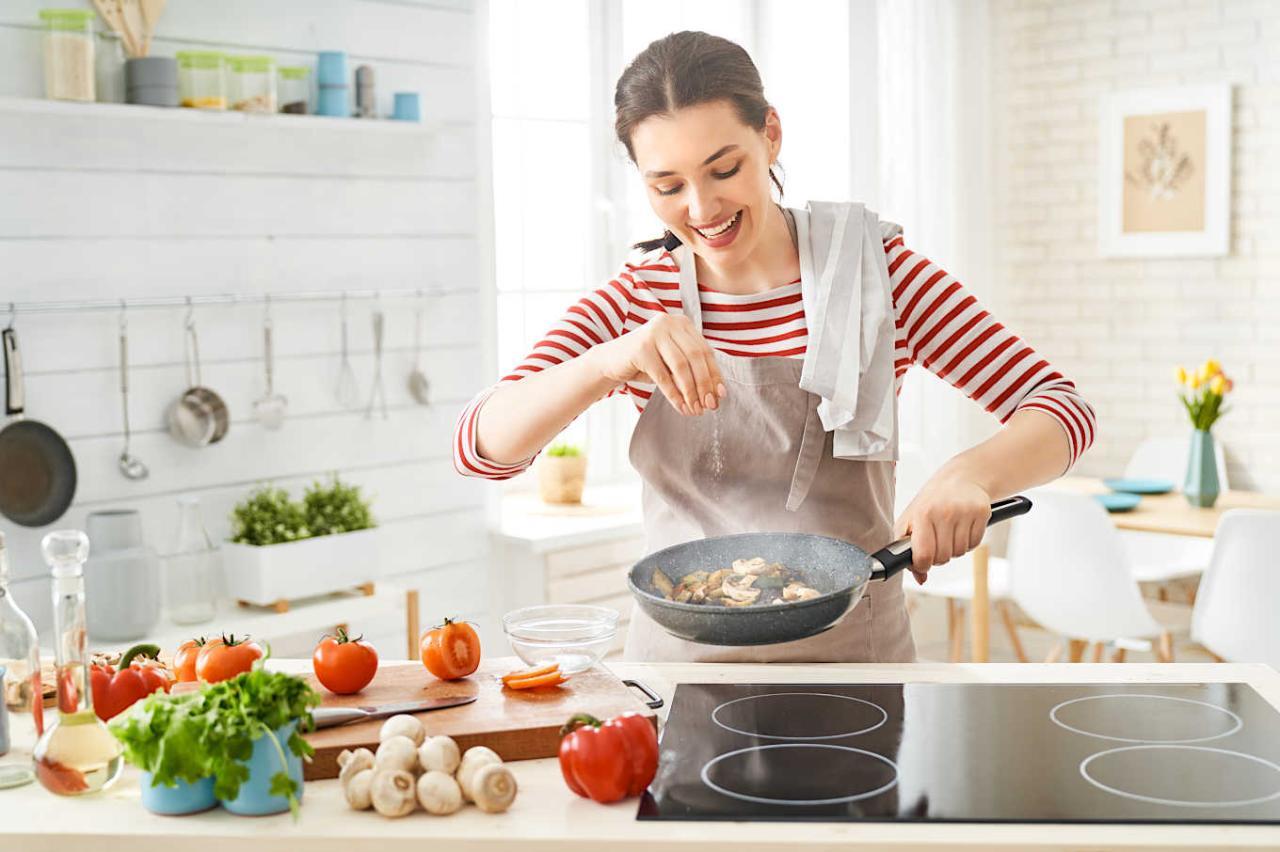
Creating delicious and healthy meals in a dorm room doesn’t require a culinary degree or an extensive pantry. By employing smart techniques and focusing on fresh ingredients, you can elevate your dorm cooking from basic sustenance to vibrant, flavorful experiences that nourish your body and mind. This section will guide you through practical strategies to achieve this balance, ensuring your dorm meals are both satisfying and beneficial for your well-being.The foundation of flavorful and healthy dorm meals lies in understanding how to enhance taste without compromising nutritional value.
This involves a mindful approach to seasoning, a commitment to incorporating a rainbow of produce, and strategic choices regarding protein and ingredient substitutions.
Flavor Enhancement Without Excessive Salt or Unhealthy Fats
Achieving robust flavor in dorm cooking is entirely possible without relying on high sodium content or unhealthy fats. The key is to leverage a diverse range of aromatics, herbs, spices, and acidic elements to create depth and complexity in your dishes.Before adding salt, consider these flavor-boosting alternatives:
- Herbs and Spices: Fresh or dried herbs like basil, cilantro, parsley, mint, and oregano, along with spices such as cumin, paprika, garlic powder, onion powder, ginger, and turmeric, can transform a bland dish. Experiment with spice blends for quick flavor profiles.
- Aromatics: Ingredients like garlic, onions, ginger, and chili peppers form the base of many flavorful cuisines. Even a small amount can add significant depth.
- Citrus Zest and Juice: Lemon, lime, and orange zest and juice provide brightness and acidity, cutting through richness and enhancing other flavors.
- Vinegars: A splash of balsamic, red wine, apple cider, or rice vinegar can add tanginess and complexity.
- Nutritional Yeast: This deactivated yeast has a cheesy, umami flavor, making it a great addition to sauces, pasta dishes, and even popcorn.
- Toasted Nuts and Seeds: A small amount of toasted sesame seeds, sunflower seeds, or chopped nuts can add a satisfying crunch and nutty aroma.
When it comes to fats, opt for healthy sources in moderation. A drizzle of olive oil, a few slices of avocado, or a spoonful of nut butter can add richness and satiety without being detrimental to your health.
Incorporating Fresh Fruits and Vegetables
Making fruits and vegetables a regular part of your dorm diet is crucial for obtaining essential vitamins, minerals, and fiber. Their versatility allows them to be integrated into almost any meal, adding color, texture, and nutritional punch.Strategies for integrating produce into dorm-friendly dishes include:
- Pre-Portioned and Washable Produce: Opt for fruits and vegetables that are easy to wash and prepare, or choose pre-cut options when available. Berries, grapes, apples, bananas, baby carrots, cherry tomatoes, and pre-washed salad greens are excellent choices.
- Smoothies: Blend fruits (fresh or frozen) with yogurt, milk (dairy or non-dairy), and a handful of spinach for a nutrient-dense breakfast or snack. Frozen fruits are often more economical and last longer.
- Salads and Bowls: Combine pre-washed greens with a variety of chopped vegetables like bell peppers, cucumbers, and carrots. Add lean protein and a light vinaigrette for a complete meal.
- Stir-fries and Sautéed Dishes: Quick-cooking vegetables such as broccoli florets, snap peas, bell peppers, and mushrooms can be easily stir-fried with lean protein and a flavorful sauce.
- Snacking: Keep a variety of fruits and raw vegetables like celery sticks, bell pepper strips, and apple slices readily available for healthy snacking between meals.
- Adding to Grains: Stir chopped vegetables into rice, quinoa, or oatmeal for added nutrients and flavor.
Consider purchasing seasonal produce, which is often more affordable and flavorful. Many grocery stores also offer frozen fruits and vegetables, which retain their nutritional value and are convenient for dorm storage.
Choosing Lean Protein Sources for Easy Preparation
Protein is vital for muscle repair, satiety, and overall bodily function. In a dorm setting, selecting protein sources that are easy to prepare and store is paramount.Here are some excellent lean protein options suitable for dorm kitchens:
- Canned Tuna or Salmon: Rich in omega-3 fatty acids and protein, these are incredibly convenient. Choose options packed in water for a leaner choice.
- Eggs: A versatile and affordable protein source, eggs can be boiled, scrambled, or fried with minimal effort and equipment.
- Greek Yogurt: High in protein and calcium, plain Greek yogurt is a fantastic base for parfaits, smoothies, or as a substitute for sour cream.
- Beans and Legumes (Canned or Dried): Lentils, chickpeas, black beans, and kidney beans are excellent plant-based protein sources. Canned versions are ready to eat or add to dishes, while dried versions require soaking and cooking.
- Pre-cooked Chicken or Turkey Breast: Many grocery stores offer pre-cooked, shredded, or diced chicken or turkey, which can be quickly added to salads, wraps, or pasta.
- Tofu and Tempeh: These plant-based proteins are versatile and can be baked, pan-fried, or added to stir-fries. Look for pre-marinated options for added convenience.
- Edamame: Available frozen, edamame is a complete protein and a great snack or addition to meals.
When preparing protein, focus on methods like baking, boiling, or light pan-frying with minimal oil. Avoid deep-frying or excessive use of butter, which can add unhealthy fats.
Making Healthy Substitutions in Common Dorm Food Cravings
It’s natural to crave familiar comfort foods, but many of these can be made healthier with simple substitutions. Adapting these cravings to fit a healthy dorm diet can help you satisfy your palate without derailing your nutritional goals.Consider these healthy swaps for common dorm food desires:
- Instead of Instant Noodles: Opt for whole-wheat pasta or brown rice noodles. Add plenty of vegetables and a lean protein source like pre-cooked chicken or edamame. Flavor with low-sodium soy sauce, ginger, and garlic.
- Instead of Sugary Cereals: Choose plain oatmeal or whole-grain cereal. Sweeten naturally with fresh fruit, a drizzle of honey, or a sprinkle of cinnamon.
- Instead of Creamy Sauces: Use Greek yogurt, pureed avocado, or blended silken tofu as a base for creamy sauces. These provide a similar texture with added protein and healthy fats.
- Instead of Fried Snacks: Bake or air-fry vegetables like sweet potato fries or kale chips until crispy. Alternatively, enjoy air-popped popcorn seasoned with nutritional yeast or herbs.
- Instead of Sugary Drinks: Infuse water with fresh fruit slices (lemon, cucumber, berries) or mint. Opt for unsweetened iced tea or sparkling water.
- Instead of Processed Deli Meats: Choose lean protein sources like hard-boiled eggs, canned tuna, or grilled chicken breast for sandwiches and wraps.
The key is to identify the core elements of your craving – be it texture, flavor, or comfort – and find healthier ways to replicate them using whole, minimally processed ingredients. This mindful approach allows you to enjoy your favorite flavors while prioritizing your health and well-being.
Budget-Conscious Healthy Eating in a Dorm
Navigating student life often involves balancing a tight budget with the desire for nutritious meals. This section focuses on practical strategies to make healthy eating affordable and accessible within the constraints of a dorm environment. By adopting smart shopping habits, utilizing versatile ingredients, and leveraging available resources, students can significantly reduce their food expenses without compromising their well-being.Understanding the financial realities of student living is the first step towards budget-conscious eating.
Many students assume that healthy food is inherently expensive, but with careful planning and informed choices, this perception can be challenged. This guide will equip you with the knowledge to make smart decisions that benefit both your health and your wallet.
Grocery Shopping on a Student Budget
Making informed choices at the grocery store is paramount for maintaining a healthy diet while adhering to a student budget. Prioritizing nutrient-dense, affordable staples can form the foundation of a cost-effective and healthy eating plan.Here are key strategies for budget-friendly grocery shopping:
- Plan Your Meals: Before heading to the store, create a weekly meal plan. This prevents impulse purchases and ensures you buy only what you need.
- Make a List and Stick to It: Based on your meal plan, create a detailed shopping list. This disciplined approach minimizes unplanned expenditures.
- Buy in Bulk (Strategically): For non-perishable items like rice, pasta, oats, and dried beans, buying in larger quantities can offer significant savings per unit. Ensure you have adequate storage space and will use the items before they expire.
- Focus on Seasonal Produce: Fruits and vegetables that are in season are typically more abundant and therefore less expensive.
- Choose Store Brands: Generic or store-brand products often provide the same quality as name brands at a lower cost.
- Compare Unit Prices: Always look at the unit price (price per ounce, pound, or item) to determine the best value, rather than just the overall package price.
- Buy Frozen or Canned Produce: Frozen and canned fruits and vegetables are often cheaper than fresh, are picked at peak ripeness, and retain most of their nutrients. Opt for options without added sugar or salt.
- Embrace Legumes and Grains: Dried beans, lentils, and whole grains like brown rice and oats are incredibly affordable, filling, and packed with protein and fiber.
- Look for Sales and Coupons: Regularly check store flyers and coupon apps for discounts on your preferred healthy items.
- Avoid Pre-Cut or Prepared Foods: While convenient, pre-cut fruits, vegetables, and pre-made meals come with a significant price premium. Doing the chopping and preparation yourself saves money.
Recipes Utilizing Affordable and Versatile Pantry Staples
Building meals around cost-effective and adaptable pantry items is a cornerstone of budget-friendly dorm cooking. These ingredients can be transformed into a variety of delicious and nutritious dishes with minimal effort and expense.Consider these recipes that highlight the power of pantry staples:
Lentil Soup
This hearty and filling soup is an excellent source of protein and fiber, making it a satisfying meal that is incredibly cheap to prepare.
- Ingredients: 1 cup dried brown or green lentils, 6 cups vegetable broth, 1 chopped onion, 2 chopped carrots, 2 chopped celery stalks, 2 cloves minced garlic, 1 teaspoon dried thyme, salt and pepper to taste.
- Instructions: Rinse the lentils. In a large pot, sauté the onion, carrots, and celery until softened. Add garlic and cook for another minute. Stir in the lentils, vegetable broth, and thyme. Bring to a boil, then reduce heat and simmer for 25-30 minutes, or until lentils are tender.
Season with salt and pepper.
Rice and Bean Burrito Bowls
A customizable and economical meal that can be prepared in large batches for easy lunches or dinners.
- Ingredients: 2 cups cooked brown rice, 1 can (15 oz) black beans (rinsed and drained), 1 cup frozen corn, 1/2 cup salsa, optional toppings like avocado, shredded lettuce, or a sprinkle of cheese.
- Instructions: Warm the cooked rice and black beans. Combine rice and beans in a bowl. Top with corn, salsa, and any desired toppings.
Oatmeal with Fruit
A simple yet nutritious breakfast that can be customized with affordable additions.
- Ingredients: 1/2 cup rolled oats, 1 cup water or milk, optional: frozen berries, a drizzle of honey or maple syrup.
- Instructions: Combine oats and liquid in a microwave-safe bowl. Microwave on high for 2-3 minutes, stirring halfway through. Top with frozen berries (they will thaw as they warm) and sweetener if desired.
Pasta with Canned Tuna and Peas
A quick and protein-rich meal that uses readily available pantry items.
- Ingredients: 2 cups cooked pasta, 1 can (5 oz) tuna (drained), 1 cup frozen peas, 1 tablespoon olive oil, salt and pepper to taste.
- Instructions: While pasta is cooking, steam the frozen peas in a separate pot or microwave. Drain the pasta and return it to the pot. Add the drained tuna, steamed peas, and olive oil. Toss to combine. Season with salt and pepper.
Cost-Effectiveness of Dorm Cooking Versus Eating Out
The financial benefits of preparing meals in a dorm environment compared to frequently dining out are substantial. While eating out offers convenience, it comes at a significantly higher price point, impacting a student’s overall budget.Consider the following cost comparison:
- Dorm Cooking: The average cost of ingredients for a single healthy meal prepared in a dorm can range from $2 to $5, depending on the specific ingredients and portion sizes. This includes staples like rice, beans, pasta, vegetables, and lean proteins.
- Eating Out: A single meal purchased at a fast-food restaurant or a casual dining establishment typically costs between $10 and $20, and often more for sit-down restaurants. This cost quickly escalates when factoring in multiple meals per day or week.
Over the course of a semester or academic year, the savings from consistent dorm cooking can amount to hundreds, if not thousands, of dollars. For example, saving $8 on average per meal by cooking in the dorm ($10 eating out – $2 cooking) and eating one meal per day this way can result in savings of over $2,400 per academic year (assuming 300 days).
This freed-up money can then be allocated to other essential student expenses like textbooks, supplies, or even savings.
“The most expensive meal is the one you didn’t plan for.”
This adage holds true for students, as unplanned food purchases often lead to higher costs and less healthy choices.
Utilizing Student Discounts and Campus Resources for Food
Maximizing your food budget involves being aware of and utilizing available student discounts and campus resources. Many institutions and businesses recognize the financial constraints faced by students and offer programs designed to help.Explore these avenues for savings:
- Campus Dining Hall Meal Plans: While seemingly an added expense, many university meal plans offer a cost-effective way to access a variety of food options, often at a lower per-meal cost than purchasing individual meals. Compare the cost of your meal plan to the estimated cost of purchasing all your food independently.
- Student Discounts at Local Establishments: Many grocery stores, cafes, and restaurants offer student discounts with a valid student ID. Always inquire about available discounts before making a purchase.
- Campus Food Pantries and Assistance Programs: Some universities have food pantries or offer financial assistance programs for students facing food insecurity. Do not hesitate to explore these resources if needed.
- Student Government and Club Initiatives: Student organizations may organize bulk purchasing initiatives for groceries or host cooking workshops that can teach budget-friendly meal preparation techniques.
- Farmers’ Markets: While some farmers’ markets can be expensive, others offer student discounts or have vendors who are willing to negotiate prices, especially towards the end of the market day.
- University Gardens or Community Supported Agriculture (CSA) Programs: Some universities have student-run gardens or partner with local farms to offer CSA shares at reduced prices for students.
Food Safety and Hygiene in a Dorm Kitchen
Maintaining a clean and sanitary kitchen environment is paramount, especially in a shared dorm setting, to prevent the spread of foodborne illnesses. Adhering to best practices in hygiene and food handling ensures that your simple, healthy meals are also safe to consume. This section will guide you through the essential steps to keep your dorm kitchen a safe haven for your culinary endeavors.Effective food safety begins with a commitment to cleanliness.
This involves regular cleaning of all surfaces, utensils, and appliances that come into contact with food. Understanding proper food handling and storage techniques is equally crucial in preventing spoilage and the growth of harmful bacteria. When utilizing shared kitchen appliances, a heightened awareness of hygiene and responsible usage is necessary. Furthermore, when engaging in meal prepping or batch cooking, specific safety protocols must be followed to ensure food remains safe until it’s ready to be eaten.
Maintaining Dorm Kitchen Cleanliness
A clean kitchen is the first line of defense against foodborne illnesses. Implementing a routine cleaning schedule and understanding the best methods for sanitization will significantly contribute to a healthier dorm environment. This includes not only visible cleanliness but also ensuring that surfaces are properly disinfected to eliminate invisible pathogens.Regular cleaning should encompass all areas of the kitchen, including countertops, sinks, stovetops, and floors.
It is recommended to wipe down all food preparation surfaces before and after each use with a food-safe cleaner or a diluted bleach solution. The sink area, often a breeding ground for bacteria, should be cleaned and dried regularly. Similarly, floors should be swept and mopped frequently, especially in areas where food might have been dropped.
Essential Cleaning Practices
- Daily Wiping: Sanitize countertops, sink, and stovetop after each cooking session.
- Weekly Deep Clean: Thoroughly clean refrigerator shelves, microwave interior, and cabinets.
- Handwashing: Wash hands thoroughly with soap and warm water for at least 20 seconds before, during, and after preparing food.
- Utensil and Dish Cleaning: Wash all dishes, utensils, and cutting boards immediately after use with hot, soapy water. Ensure they are completely dry before storing.
- Trash Management: Empty trash bins regularly to prevent odors and pest attraction.
Proper Food Handling and Storage
Safe food handling and storage are critical to preventing the growth of harmful bacteria that can cause foodborne illnesses. This involves understanding temperature control, preventing cross-contamination, and storing food items correctly to maintain their freshness and safety.Temperature plays a vital role in inhibiting bacterial growth. Bacteria multiply rapidly in the “danger zone,” which is between 40°F (4°C) and 140°F (60°C).
Therefore, keeping cold foods cold and hot foods hot is essential. Proper storage also involves separating raw and cooked foods to avoid cross-contamination, where harmful bacteria from raw ingredients can transfer to ready-to-eat foods.
Food Storage Guidelines
- Refrigeration: Store perishable foods in the refrigerator at or below 40°F (4°C). Ensure your refrigerator is functioning correctly and maintaining the appropriate temperature.
- Freezing: For longer storage, freeze foods at 0°F (-18°C) or below. Properly wrap food to prevent freezer burn.
- Pantry Storage: Keep dry goods such as grains, pasta, and canned items in a cool, dry, and dark place. Check expiration dates regularly.
- Cross-Contamination Prevention:
- Use separate cutting boards and utensils for raw meat, poultry, seafood, and produce.
- Store raw meat, poultry, and seafood on the bottom shelf of the refrigerator to prevent drips from contaminating other foods.
- Wash hands, utensils, and surfaces thoroughly after handling raw animal products.
- Leftovers: Refrigerate leftovers within two hours of cooking. Consume refrigerated leftovers within 3-4 days. Reheat thoroughly to an internal temperature of 165°F (74°C).
Safe Use of Shared Kitchen Appliances
Shared kitchen appliances in a dorm present unique challenges for maintaining food safety and hygiene. It is crucial to be mindful of how these appliances are used and cleaned to prevent the spread of germs and ensure the safety of all residents.When using shared appliances like microwaves, toasters, or blenders, always ensure they are clean before use. If you notice any residue or spills, clean the appliance thoroughly.
It is also good practice to wipe down the exterior of appliances after use, especially if you’ve touched them with potentially contaminated hands.
Guidelines for Shared Appliances
- Microwaves: Wipe down the interior and turntable after each use, especially if there are splatters. If using a communal microwave, consider using a microwave-safe cover to prevent splattering.
- Toasters/Toaster Ovens: Empty the crumb tray regularly to prevent fire hazards and insect attraction. Wipe down the exterior as needed.
- Refrigerators: Do not leave food items in the communal refrigerator indefinitely. Label your food with your name and the date. Regularly check and discard any expired or spoiled items to maintain a clean and organized space for everyone.
- Stovetops and Ovens: Clean up any spills or splatters immediately after use. Ensure burners are clean and free of debris.
- Shared Utensils and Cookware: If communal items are provided, ensure they are washed thoroughly before and after use. If you have your own, it is best to use and clean your personal items to avoid any ambiguity.
Safe Meal Prepping and Batch Cooking in a Dorm
Meal prepping and batch cooking can be excellent strategies for saving time and money, and for ensuring you have healthy options readily available. However, these practices require careful attention to food safety to prevent spoilage and potential health risks, especially within the constraints of a dorm kitchen.The key to safe meal prepping and batch cooking lies in proper cooling, storage, and reheating.
It is essential to cool cooked foods rapidly before refrigerating or freezing them to minimize the time they spend in the temperature danger zone. When storing prepped meals, ensure they are in airtight containers to maintain freshness and prevent contamination.
Safe Meal Prep and Batch Cooking Techniques
- Cooling Foods Rapidly: Divide large batches of food into smaller, shallow containers to allow them to cool more quickly in the refrigerator. Avoid leaving large quantities of hot food to cool at room temperature for extended periods.
- Proper Packaging: Use clean, airtight containers for storing prepped meals. This helps prevent spoilage and contamination from other foods in the refrigerator.
- Labeling: Clearly label all prepped meals with the contents and the date they were prepared. This helps you keep track of how long the food has been stored.
- Reheating: Reheat prepped meals thoroughly to an internal temperature of 165°F (74°C). Microwaves can sometimes heat unevenly, so stir food halfway through reheating to ensure it heats through.
- Freezing for Longevity: If you plan to store meals for more than a few days, consider freezing them. Ensure the containers are freezer-safe and properly sealed to prevent freezer burn.
- Portion Control: Pre-portioning meals into single servings makes reheating easier and helps prevent overconsumption or unnecessary waste.
Creative Approaches to Dorm Cooking with Limited Appliances
Navigating the culinary landscape of a dorm room often means embracing creativity and resourcefulness, especially when faced with limited appliances. This section explores how to transform basic kitchen tools into a versatile setup for preparing satisfying and healthy meals. We will delve into maximizing the potential of commonly found dorm appliances and adapting traditional cooking methods to suit these constraints.
Microwave and Kettle Mastery for Full Meals
The microwave and kettle, often the only available appliances, can be surprisingly effective for creating complete meals. With a little planning and the right ingredients, these tools can go beyond reheating leftovers to prepare dishes from scratch.The microwave is excellent for steaming vegetables, cooking grains like quinoa or rice (using microwave-safe containers), and even “baking” items like potatoes or sweet potatoes.
The kettle, beyond its primary function, can be used to quickly heat water for instant noodles, couscous, or to pre-soak dried ingredients.Here are some meal ideas that utilize only a microwave and kettle:
- Microwave Steamed Salmon with Asparagus: Place a salmon fillet and asparagus spears in a microwave-safe dish with a tablespoon of water or lemon juice. Cover and microwave on high for 3-5 minutes, or until the salmon is cooked through and the asparagus is tender-crisp. Season with salt, pepper, and your favorite herbs.
- Kettle-Cooked Couscous with Chickpeas and Veggies: Prepare couscous according to package directions using hot water from the kettle. Drain and fluff. In a bowl, combine the couscous with drained canned chickpeas, chopped bell peppers, cucumber, and a drizzle of olive oil and lemon juice.
- Microwave Baked Potato with Tuna Salad: Pierce a potato several times with a fork and microwave on high for 5-8 minutes, rotating halfway, until tender. While the potato cooks, mix canned tuna with Greek yogurt or mayonnaise, chopped celery, and seasoning. Split the potato and fill with the tuna salad.
- Kettle Ramen Upgrade: Use the kettle to prepare instant ramen. Instead of relying solely on the flavor packet, add fresh ingredients like spinach, a pre-cooked egg (hard-boiled or microwaved), and a dash of soy sauce or sriracha.
Leveraging Mini-Fridges and Toaster Ovens
The addition of a mini-fridge and a toaster oven significantly expands the possibilities for dorm cooking, allowing for a wider range of preparation and cooking techniques. The mini-fridge is crucial for storing fresh ingredients, dairy, and pre-made components, while the toaster oven can bake, toast, broil, and even roast small portions.Recipes that effectively utilize these appliances often involve components that can be prepped in advance or cooked quickly.Consider these recipes that make excellent use of a mini-fridge and toaster oven:
- Toaster Oven Roasted Chicken and Root Vegetables: Cube chicken breast and root vegetables (carrots, potatoes, sweet potatoes) into bite-sized pieces. Toss with olive oil, herbs, salt, and pepper. Spread on a baking sheet lined with foil and roast in the toaster oven at 400°F (200°C) for 20-25 minutes, or until chicken is cooked through and vegetables are tender.
- Mini-Fridge Prepared Overnight Oats with Fruit: Combine rolled oats, milk (dairy or non-dairy), chia seeds, and a touch of sweetener in a jar. Store in the mini-fridge overnight. In the morning, top with fresh berries or sliced banana.
- Toaster Oven Mini Pizzas: Use whole-wheat pita bread or English muffins as a base. Top with tomato sauce, shredded cheese, and your favorite toppings like pre-cooked chicken, bell peppers, or spinach. Bake in the toaster oven until the cheese is melted and bubbly.
- Mini-Fridge Hummus and Veggie Wraps: Spread hummus on whole-wheat tortillas. Fill with pre-cut vegetables from your mini-fridge, such as shredded carrots, cucumber sticks, and lettuce.
Adapting Traditional Recipes for Dorm Settings
Transforming beloved traditional recipes into dorm-friendly versions requires a focus on ingredient selection, cooking methods, and appliance limitations. The key is to deconstruct the recipe and identify the essential elements that can be recreated with minimal equipment.When adapting recipes, consider the following strategies:
- Simplify Ingredients: Opt for pre-chopped vegetables, pre-cooked grains, or canned proteins.
- Embrace One-Pot/Pan Methods: Look for recipes that can be cooked entirely in a single microwave-safe dish or a toaster oven-safe pan.
- Pre-Preparation is Key: Utilize the mini-fridge to store pre-marinated meats, chopped vegetables, or cooked grains to speed up meal assembly.
- Flavor Boosters: Since complex cooking techniques might be limited, rely on potent flavor enhancers like spices, herbs, sauces, and citrus to elevate simple dishes.
For example, a traditional lasagna can be adapted by using no-boil lasagna noodles, pre-cooked ground meat, and a microwaveable marinara sauce, assembled in a microwave-safe dish and cooked until bubbly. A stir-fry can be simplified by using pre-cut frozen vegetables and a pre-cooked protein, stir-fried in a toaster oven-safe pan with a simple sauce.
Designing One-Pot or One-Pan Dorm Meals
The concept of “one-pot” or “one-pan” cooking is a cornerstone of efficient dorm cooking, significantly reducing the amount of washing up required. These meals are designed to cook all components together, minimizing cleanup and maximizing flavor infusion.Here are principles and examples for creating successful one-pot/one-pan dorm meals:
- Choose the Right Vessel: For microwave cooking, a deep, microwave-safe bowl or dish is ideal. For toaster oven cooking, a small baking sheet or a toaster oven-safe skillet works well.
- Layering is Crucial: Place ingredients that take longer to cook at the bottom (e.g., potatoes, denser vegetables) and quicker-cooking items on top (e.g., fish, leafy greens).
- Even Cooking: Ensure ingredients are cut into similar sizes for uniform cooking.
- Liquid for Steaming/Moisture: A small amount of liquid (water, broth, sauce) is often necessary for steaming and preventing dryness, especially in the microwave.
Example one-pot/one-pan meals:
- Microwave “Baked” Ziti: Combine cooked ziti pasta, marinara sauce, ricotta cheese, and shredded mozzarella in a microwave-safe dish. Cover and microwave until heated through and cheese is melted.
- Toaster Oven Sheet Pan Sausage and Peppers: Slice pre-cooked sausage and bell peppers. Toss with olive oil and Italian seasoning. Spread on a baking sheet and roast in the toaster oven until sausage is browned and peppers are tender.
- Microwave Sweet Potato and Black Bean Bowl: Microwave a chopped sweet potato until tender. Add drained canned black beans, corn, and a spoonful of salsa. Stir and microwave for another minute. Top with avocado or a dollop of Greek yogurt.
Closing Notes
In conclusion, this exploration of dorm cooking demonstrates that maintaining a healthy and balanced diet is entirely feasible, even with limited resources. By embracing innovative strategies for meal preparation, smart equipment choices, and budget-conscious shopping, students can create satisfying and nutritious meals. This guide equips you with the knowledge and inspiration to transform your dorm room into a culinary haven, proving that simple, healthy eating is well within reach for any busy student.