How to Use Your College’s Career Services Office, this guide is designed to unlock the full potential of a crucial campus resource, transforming it from a mere department into a powerful ally for your academic and professional future. We will delve into the multifaceted benefits and comprehensive support systems available, ensuring you are well-equipped to navigate your career journey with confidence and strategic insight.
Understanding the immense value of your college’s career services is the first step toward unlocking a world of opportunities. These dedicated offices are brimming with resources, from personalized counseling and resume workshops to internship placements and networking events, all meticulously designed to guide students from their academic pursuits to successful post-graduation careers. By proactively engaging with these services, students can gain a significant advantage, shaping their path and making informed decisions that align with their aspirations and strengths.
Understanding the Value of Career Services

Engaging with your college’s career services office is a strategic investment in your future. These dedicated departments are designed to equip students with the knowledge, skills, and resources necessary to navigate the complex landscape of career exploration and professional development, ultimately leading to more fulfilling and successful post-graduation experiences. Far from being a mere administrative function, career services act as a vital bridge between academic pursuits and the professional world.The primary benefits students gain from actively utilizing career services are multifaceted, encompassing enhanced self-awareness, practical skill development, and direct access to employment opportunities.
By partnering with career advisors, students can clarify their career aspirations, identify their strengths and interests, and develop a concrete plan to achieve their professional goals. This proactive approach can significantly reduce post-graduation uncertainty and accelerate the transition into meaningful employment or further education.
Comprehensive Resources and Support
Career services departments offer a wide array of resources and support systems tailored to meet the diverse needs of students at various stages of their academic and professional journeys. These offerings are designed to be comprehensive, addressing everything from initial career exploration to the final stages of job acquisition.The typical resources and support offered by college career services departments include:
- Career Counseling and Advising: One-on-one sessions with trained professionals to discuss career interests, academic major alignment, resume and cover letter critiques, interview preparation, and salary negotiation strategies.
- Job and Internship Search Assistance: Access to exclusive job boards, employer databases, and guidance on effective job search strategies, including networking and online application best practices.
- Resume and Cover Letter Workshops: Sessions dedicated to crafting compelling application materials that highlight a student’s skills and experiences effectively for potential employers.
- Interview Practice: Mock interviews conducted by career advisors to simulate real interview scenarios, providing constructive feedback on performance, communication, and confidence.
- Networking Events: Opportunities to connect with alumni, industry professionals, and recruiters through career fairs, employer information sessions, and networking mixers.
- Skills Development Workshops: Training sessions focused on essential professional skills such as professional communication, leadership, teamwork, time management, and digital literacy.
- Graduate School Advising: Support for students considering advanced academic degrees, including guidance on application processes, standardized testing, and identifying suitable programs.
- Online Career Resources: Access to online platforms offering career assessments, industry research tools, salary data, and virtual career fair participation.
Positive Impact on Academic and Post-Graduation Journeys
The utilization of career services can profoundly influence a student’s academic trajectory and significantly smooth the transition into their post-graduation life. By integrating career planning into their college experience, students are better positioned for success both inside and outside the classroom.For instance, a student struggling to connect their coursework to potential career paths might meet with a career counselor. Through guided discussions and personality assessments, the student could discover a hidden passion for data analysis, which aligns with their major in statistics.
This newfound clarity can then motivate them to seek out relevant internships and tailor their academic projects to build specific skills, directly enhancing their academic performance and making them a more competitive candidate upon graduation.
“The proactive engagement with career services transforms a student’s college experience from a purely academic pursuit into a strategic foundation for future professional success.”
Another example involves a student who, after attending a resume workshop and a mock interview session, lands a highly sought-after internship in their desired field. This internship not only provides invaluable practical experience but also builds their professional network and often leads to a full-time job offer after graduation. This direct correlation between utilizing career services and securing employment underscores the tangible benefits of these departments.
Furthermore, students who receive guidance on graduate school applications are often more successful in gaining admission to their top-choice programs, setting them on a path for specialized careers. The resources provided by career services empower students to make informed decisions, develop essential professional competencies, and ultimately achieve their career aspirations with greater confidence and efficiency.
Navigating Career Services: Initial Steps
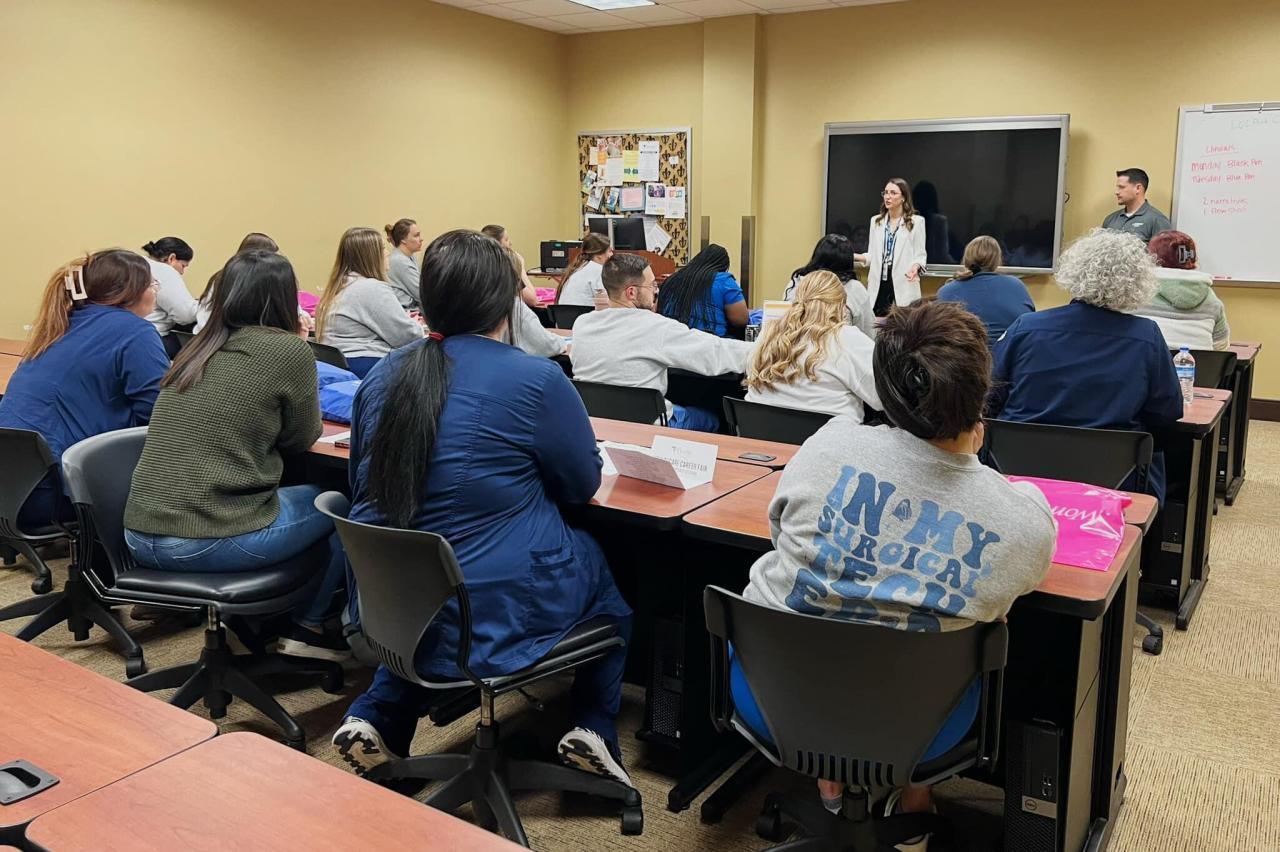
Embarking on your career journey can feel like navigating uncharted territory, but your college’s Career Services office is your compass and guide. This office is specifically designed to support students like you in exploring career options, developing essential skills, and securing valuable experiences. Understanding how to access and utilize these resources effectively is the first crucial step toward achieving your professional aspirations.This section will guide you through the process of locating and engaging with your Career Services office, from your very first interaction to preparing for productive meetings with their counselors.
By following these steps, you can ensure you are well-equipped to make the most of the support available to you.
Locating Your College’s Career Services Office
Finding the Career Services office is typically straightforward, as most institutions prominently feature this resource. The key is knowing where to look and what to expect.
To find your college’s Career Services office, consider the following common access points:
- College Website: Navigate to your college’s official website. Look for a section titled “Student Life,” “Academics,” “Support Services,” or a dedicated “Career Services” or “Career Center” tab. This is often found in the main navigation menu or footer.
- Student Union or Main Administration Building: Many universities house their Career Services office in a central, easily accessible location, such as the student union or a main administrative building. Look for directory signage within these buildings.
- Departmental Resources: Some academic departments may have career liaisons or specific career resources tailored to their field. While not a substitute for the main office, these can be supplementary resources.
- Campus Map: Utilize your college’s online or physical campus map. Search for “Career Services” or “Career Center” to pinpoint its exact location.
- Ask Around: Don’t hesitate to ask current students, faculty, or administrative staff for directions. Most people on campus are happy to point you in the right direction.
Initial Contact and Engagement
Once you’ve located the Career Services office, your next step is to make contact and begin utilizing their services. A proactive approach will help you establish a relationship and access support tailored to your needs.
Upon your first visit or contact with Career Services, consider these initial actions:
- Schedule an Introductory Meeting: Reach out to the office to schedule an initial appointment with a career counselor. This first meeting is an opportunity to introduce yourself, discuss your current career exploration stage, and understand the services they offer.
- Explore Their Online Portal: Most Career Services offices maintain an online portal or platform where students can find job and internship postings, register for workshops, access career assessment tools, and find helpful resources. Familiarize yourself with this digital hub.
- Attend an Information Session or Workshop: Keep an eye out for introductory information sessions or workshops offered by Career Services. These sessions often provide a comprehensive overview of their services and how to best utilize them.
- Understand Service Offerings: Inquire about the full range of services available. This might include resume and cover letter critiques, mock interviews, career counseling appointments, internship and job fairs, alumni networking events, and access to career assessment tools.
- Ask About Specific Programs: If you have a particular interest, such as co-op programs, study abroad with career components, or specific industry recruitment events, ask if Career Services has programs or resources related to those areas.
Preparing for Your First Career Counselor Meeting
To maximize the effectiveness of your initial meeting with a career counselor, thorough preparation is essential. Coming prepared demonstrates your commitment and allows the counselor to provide more targeted and valuable guidance.
Before meeting with a career counselor, compile the following documents and information:
| Category | Specific Items to Prepare | Why It’s Important |
|---|---|---|
| Academic Information | Current resume (if you have one) | Provides a snapshot of your experiences, skills, and education. |
| Transcript (unofficial is usually fine) | Helps the counselor understand your academic performance and course background. | |
| List of relevant coursework or projects | Highlights specific skills and knowledge gained that may be applicable to careers. | |
| Career Exploration Status | Any thoughts on potential majors, minors, or career fields | Gives the counselor a starting point for discussion. |
| List of skills you possess (technical, soft skills) | Aids in identifying career paths that align with your strengths. | |
| Any career assessments you’ve already taken (e.g., Myers-Briggs, Strong Interest Inventory) | Provides existing data for the counselor to build upon. | |
| Goals and Questions | Specific questions you have about careers, internships, or job searching | Ensures you get the most out of the limited meeting time. |
| Any immediate needs (e.g., help finding an internship for next semester) | Allows the counselor to prioritize immediate support. | |
| Personal Information | Contact information (email, phone number) | Essential for follow-up communication. |
Utilizing Career Counseling and Advising
Your college’s career services office is a rich resource for personalized guidance, offering a variety of services designed to help you navigate your academic and professional journey. These services are not one-size-fits-all; they are tailored to meet the diverse needs of students at different stages of their career exploration. Engaging with these resources can significantly clarify your path and equip you with the tools to achieve your career aspirations.Career counseling and advising services are the heart of what career services offers, providing dedicated support to help you understand yourself, explore options, and develop actionable plans.
These services are delivered through multiple formats to ensure accessibility and effectiveness for all students.
Types of Career Counseling Services
Career services offices provide a spectrum of counseling and advising options to cater to individual preferences and needs. These can range from one-on-one personalized sessions to broader group engagements and accessible digital resources. Understanding these different avenues allows you to choose the support that best aligns with your current situation and learning style.The following are the primary ways you can access career counseling and advising:
- Individual Appointments: These one-on-one sessions with a dedicated career counselor offer a confidential and personalized space to discuss your specific career concerns, goals, and challenges. Counselors can provide tailored advice, help you explore options, and develop a customized action plan.
- Group Workshops: Career services often hosts workshops on various career-related topics, such as resume writing, interview skills, networking, and LinkedIn profile optimization. These workshops provide valuable information and practical strategies in a group setting, allowing for peer learning and shared experiences.
- Online Tools and Resources: Many career services offices offer access to online career assessment tools, job search databases, and informational modules. These digital resources provide flexibility, allowing you to explore at your own pace and access information anytime, anywhere.
Identifying Career Interests and Matching Them with Potential Paths
A crucial aspect of career development is understanding your own interests, skills, and values, and then aligning them with suitable academic majors and future career paths. Career counselors are trained to guide you through this self-discovery process, helping you make informed decisions that lead to fulfilling career choices. This exploration is an ongoing journey, and the career services office is equipped to support you at every step.The process of aligning your interests with potential career paths typically involves several key stages, often facilitated by career counselors:
- Self-Assessment: Counselors will guide you through various self-assessment activities and tools to help you identify your interests, aptitudes, values, and personality traits. This might involve formal assessments like the Strong Interest Inventory or Myers-Briggs Type Indicator, or informal discussions about your preferences and experiences.
- Exploration of Options: Based on your self-assessment results, counselors will introduce you to a wide range of potential majors and career fields that align with your profile. They can provide information on different industries, job roles, and the educational requirements for each.
- Information Gathering: You will be encouraged to conduct further research through informational interviews, job shadowing, internships, and exploring industry-specific resources to gain a deeper understanding of various career paths.
- Decision Making: With the insights gained from self-assessment and exploration, counselors help you weigh the pros and cons of different options, consider practical factors like job market demand and salary expectations, and ultimately make informed decisions about your academic and career trajectory.
Developing Effective Job Search Strategies
Once you have a clearer understanding of your career interests and potential paths, the next vital step is to develop and execute an effective job search strategy. Career counselors are invaluable in equipping you with the necessary skills and knowledge to navigate the job market successfully, from crafting compelling application materials to mastering interview techniques and understanding negotiation.Career counselors assist students in developing robust job search strategies through the following methods:
- Resume and Cover Letter Development: Counselors provide guidance on how to create targeted resumes and cover letters that highlight your relevant skills, experiences, and qualifications for specific job applications. They offer feedback on content, formatting, and tailoring these documents to different roles.
- Interview Preparation: This includes mock interviews, where counselors simulate real interview scenarios and provide constructive feedback on your responses, body language, and overall presentation. They also offer advice on common interview questions, behavioral interviewing techniques, and how to effectively showcase your strengths.
- Networking Skills: Counselors educate students on the importance of networking and provide strategies for building professional connections, whether through career fairs, LinkedIn, alumni events, or informational interviews. They can help you craft your elevator pitch and follow up effectively.
- Utilizing Job Search Platforms: You will learn how to effectively use college-specific job boards, general job search engines, and company career pages to find relevant opportunities. Counselors can also advise on understanding job descriptions and identifying s to optimize your search.
- Negotiation and Offer Evaluation: Once you receive a job offer, counselors can help you understand how to evaluate it, research salary benchmarks, and negotiate terms such as salary, benefits, and start dates to ensure you are securing a fair and appropriate offer.
Leveraging Resume and Cover Letter Assistance
Your college’s career services office is an invaluable resource for crafting compelling application materials that can significantly boost your chances of landing interviews and ultimately, your dream job. This section will guide you through how to effectively utilize their expertise in developing a strong resume and tailoring impactful cover letters.A well-constructed resume and a targeted cover letter are your primary tools for making a strong first impression on potential employers.
Career services professionals are adept at understanding what recruiters look for and can help you translate your academic achievements, skills, and experiences into a format that resonates with hiring managers.
Resume Creation and Refinement
A strong resume is a concise, impactful document that effectively showcases your qualifications for a specific role. Career services can assist you in identifying and articulating the key components that make a resume stand out.The essential elements of a strong resume include:
- Contact Information: Clearly listed name, phone number, professional email address, and LinkedIn profile URL.
- Summary/Objective: A brief, tailored statement highlighting your career goals and key qualifications relevant to the position. A summary is generally for those with experience, while an objective is more suited for entry-level candidates or career changers.
- Education: Details of your degree(s), major, university, graduation date, and any relevant honors or GPA (if strong).
- Experience: This section details your work history, internships, volunteer roles, and significant projects. For each entry, focus on quantifiable achievements and responsibilities using action verbs.
- Skills: A section dedicated to listing relevant hard skills (e.g., software proficiency, technical abilities) and soft skills (e.g., communication, teamwork, problem-solving).
- Awards and Recognition: Any accolades or honors that demonstrate your excellence.
Career services can help you brainstorm these components, refine your descriptions, ensure proper formatting, and proofread for any errors. They can also provide feedback on how to best highlight transferable skills, especially if you have limited direct work experience.
Tailoring Cover Letters to Specific Job Applications
A cover letter is your opportunity to go beyond the bullet points of your resume and connect your qualifications directly to the specific requirements of a job and the mission of the company. Career services can guide you in crafting persuasive and personalized cover letters.Best practices for tailoring cover letters include:
- Research the Company and Role: Understand the company’s values, mission, and recent achievements, as well as the specific responsibilities and required qualifications of the position.
- Address the Letter to a Specific Person: Whenever possible, find the hiring manager’s name to personalize the greeting.
- Craft a Compelling Introduction: Clearly state the position you are applying for and where you saw the advertisement. Briefly mention your enthusiasm for the role and the company.
- Highlight Relevant Skills and Experiences: In the body paragraphs, draw direct connections between your skills, experiences, and the job requirements. Use specific examples to illustrate your points.
- Demonstrate Enthusiasm and Fit: Explain why you are a good cultural fit for the organization and express your genuine interest in contributing to their success.
- Professional Closing: Reiterate your interest, mention your attached resume, and state your availability for an interview.
Career services can provide templates, review your drafts for clarity and impact, and offer advice on how to effectively showcase your personality and motivation.
Resume Format Comparison
Choosing the right resume format is crucial for presenting your information in the most effective way for the roles you are targeting. Career services can help you understand the nuances of each format and select the one that best suits your background and career goals.Here is a comparison of common resume formats:
| Resume Format | Best For | Key Features |
|---|---|---|
| Chronological | Traditional employment history, clear career progression | Focuses on a reverse-chronological listing of work experience, highlighting career growth and stability. |
| Functional | Career changers, individuals with employment gaps, or those with diverse skill sets not easily categorized by job titles | Emphasizes transferable skills and abilities rather than a strict work history timeline. |
| Combination | Versatile applications, highlighting both skills and experience, suitable for most job seekers | Blends the strengths of both chronological and functional formats, typically starting with a skills summary followed by a reverse-chronological work history. |
Exploring Internship and Co-op Opportunities
Securing internships and co-op experiences is a cornerstone of a successful college career, offering invaluable practical application of academic knowledge and a crucial head start in the professional world. These structured work experiences allow students to explore career paths, develop essential skills, and build a professional network before graduation, significantly enhancing their employability.Career services offices are instrumental in guiding students through the entire process of finding and securing these vital opportunities.
They act as a bridge between students and potential employers, providing resources and support that can make the difference between a successful placement and a missed chance.
Significance of Internships and Co-ops
Internships and co-operative education programs are designed to provide students with hands-on experience in their chosen fields of study. These programs offer a unique opportunity to apply theoretical knowledge gained in the classroom to real-world challenges, fostering a deeper understanding of industry practices and expectations. Beyond skill development, these experiences are critical for career exploration, allowing students to test out different roles and industries to confirm or refine their career aspirations.
Furthermore, successful completion of an internship or co-op often leads to academic credit and can be a significant differentiator on a resume, demonstrating a proactive approach to career development.
Career Services Support for Internship and Co-op Placement
Career services offices provide comprehensive support to help students identify, apply for, and secure internships and co-op positions. This support encompasses a range of services tailored to meet individual student needs and career goals.
- Opportunity Identification: Career services maintain databases and partnerships with companies specifically seeking student interns and co-op participants. They often host career fairs, information sessions, and employer presentations, offering direct access to potential opportunities.
- Application Assistance: Staff can review and refine internship applications, including resumes and cover letters, ensuring they are tailored to specific job descriptions and highlight relevant skills and experiences.
- Interview Preparation: The office provides mock interviews, coaching on interview etiquette, and guidance on researching companies and crafting effective responses to common interview questions.
- Networking Events: Career services frequently organize events designed to connect students with industry professionals, alumni, and recruiters, facilitating valuable networking opportunities that can lead to internships and future employment.
- Guidance on Program Requirements: For co-op programs, which often have specific academic and experiential learning requirements, career services offer advising to ensure students meet all necessary criteria for participation and credit.
Maximizing the Internship or Co-op Experience
To gain the most benefit from an internship or co-op, students should adopt a proactive and strategic approach. This involves not only performing assigned tasks effectively but also actively seeking opportunities for growth and connection.
- Embrace Learning: Be eager to learn new skills, ask questions, and seek feedback from supervisors and colleagues. Show initiative by volunteering for challenging projects.
- Professionalism and Etiquette: Maintain a professional demeanor at all times, adhering to workplace norms and demonstrating reliability, punctuality, and a positive attitude.
- Networking Within the Organization: Make an effort to connect with colleagues beyond your immediate team. Attend company events, introduce yourself to people in different departments, and schedule informational interviews to learn about their roles and career paths.
- Document Achievements: Keep a record of your accomplishments, projects you contributed to, and skills you developed. This documentation will be invaluable for updating your resume and for future job applications.
- Seek Mentorship: Identify individuals within the organization whose career paths you admire and ask if they would be willing to offer guidance or mentorship.
- Reflect and Evaluate: Regularly reflect on your experiences. What are you enjoying? What challenges are you facing? What have you learned? This self-assessment will help you articulate your experiences and refine your career goals.
“Internships are not just about getting a job; they are about building a foundation for your future career through experience, connections, and self-discovery.”
Preparing for Interviews
Securing an interview is a significant step, and effectively preparing for it is crucial for making a strong impression. Your college’s career services office is an invaluable resource for mastering interview skills, from understanding common question formats to practicing your delivery and understanding professional etiquette. They provide structured support to build your confidence and competence.This section will guide you through the essential aspects of interview preparation, ensuring you feel ready to showcase your qualifications and enthusiasm for any opportunity.
Common Interview Question Types and Effective Responses
Interviews often follow predictable patterns designed to assess your skills, experience, and cultural fit. Career services can help you dissect these question types and develop compelling answers. They often categorize questions into behavioral, situational, technical, and general inquiries. Understanding these categories allows for a more strategic approach to your preparation.Common question types include:
- Behavioral Questions: These questions, often starting with “Tell me about a time when…” or “Describe a situation where…”, aim to understand your past actions as predictors of future performance. Examples include demonstrating teamwork, handling conflict, or overcoming challenges. Career services can guide you in using the STAR method (Situation, Task, Action, Result) to structure your responses effectively.
- Situational Questions: These hypothetical questions, such as “What would you do if…”, assess your problem-solving abilities and judgment in potential workplace scenarios. They help employers gauge how you might react under pressure or in specific professional contexts.
- Technical Questions: Depending on the field, these questions evaluate your specific knowledge and skills related to the job. For instance, a computer science role might involve coding challenges, while a marketing position could ask about campaign strategies.
- General and Motivational Questions: Questions like “Why are you interested in this role?” or “What are your strengths and weaknesses?” assess your motivation, self-awareness, and alignment with the company’s mission.
Career services workshops and one-on-one sessions can provide examples of these questions and help you brainstorm personalized, impactful answers that highlight your unique experiences and capabilities.
Interview Skills Practice Techniques
Consistent practice is key to interview success. Your career services office offers several avenues to hone your interview skills, moving beyond theoretical knowledge to practical application. These methods are designed to simulate real interview environments and provide constructive feedback.Effective practice techniques include:
- Mock Interviews: This is perhaps the most beneficial tool. Career counselors or trained volunteers will conduct simulated interviews, mirroring the format and style of actual interviews you might encounter. They will ask you typical questions and observe your responses, body language, and overall demeanor.
- Feedback Sessions: Following a mock interview, you will receive detailed feedback. This feedback is crucial for identifying areas of strength and areas needing improvement. It can cover aspects like clarity of communication, confidence, the quality of your answers, and your professional presentation.
- Recorded Practice: Some career services may offer the ability to record your mock interviews. Reviewing these recordings yourself can be incredibly insightful, allowing you to spot nervous habits, areas where you could elaborate more, or instances where your message wasn’t as clear as you intended.
- Panel Interview Simulations: For roles that involve multiple interviewers, career services can arrange mock interviews with a panel to help you practice addressing different individuals and managing multiple perspectives.
Regular engagement with these practice opportunities will significantly boost your confidence and refine your ability to articulate your qualifications clearly and persuasively.
Professional Interview Etiquette Guide
Professional etiquette is vital for creating a positive and lasting impression, whether the interview is in-person or virtual. Understanding and adhering to these standards demonstrates respect for the interviewer and the organization, and showcases your professionalism. Career services often provide detailed guidelines on these expectations.
In-Person Interview Etiquette
When attending an in-person interview, paying attention to these details can make a significant difference:
- Punctuality: Arrive 10-15 minutes early. This allows time to compose yourself and shows you value the interviewer’s time.
- Attire: Dress professionally, typically in business attire (suit, dress shirt, tie for men; suit or professional dress for women), unless otherwise specified. When in doubt, it’s always better to be overdressed.
- Greeting: Offer a firm handshake (if culturally appropriate), make eye contact, and smile. Address interviewers by their title (e.g., Mr./Ms./Dr. Last Name) until invited to use their first name.
- Body Language: Maintain good posture, avoid fidgeting, and use open body language. Nod to show you are listening and engaged.
- Respect for Environment: Be mindful of your surroundings. Avoid using your phone, and keep personal belongings organized.
- Closing: Thank the interviewer for their time, reiterate your interest, and inquire about the next steps in the hiring process.
Virtual Interview Etiquette
Virtual interviews require a different set of considerations to ensure a professional and seamless experience:
- Technology Check: Test your internet connection, webcam, and microphone well in advance. Ensure your software (e.g., Zoom, Teams) is updated.
- Environment: Choose a quiet, well-lit space with a neutral, uncluttered background. Inform others in your household to minimize noise and interruptions.
- Attire: Dress professionally from the waist up, at a minimum. It’s advisable to dress as you would for an in-person interview to maintain a professional mindset.
- Eye Contact: Look into the camera when speaking to simulate direct eye contact with the interviewer.
- Minimizing Distractions: Close unnecessary tabs on your computer, silence your phone, and have any necessary documents (resume, notepad) readily accessible but out of view of the camera.
- Active Listening: Listen attentively to questions. If there are technical difficulties, calmly inform the interviewer and suggest a brief pause or restart.
- Professionalism: Maintain a professional demeanor throughout the interview, just as you would in person.
Career services can provide specific tips and even conduct virtual mock interviews to help you master these nuances.
Networking and Professional Development

Building a robust professional network is a cornerstone of career success, offering opportunities for mentorship, job leads, and industry insights. Your college’s career services office is an invaluable resource for initiating and nurturing these connections, providing structured events and guidance to help you develop essential professional skills that extend far beyond your academic journey.The career services office acts as a central hub, connecting students with alumni, industry professionals, and potential employers.
They understand that effective networking is not just about collecting business cards, but about fostering genuine relationships that can support your career growth throughout your professional life.
Career Fairs and Networking Events
Attending career fairs and networking events organized by the university is a prime opportunity to engage directly with professionals and explore potential career paths. These events are specifically designed to facilitate introductions and provide a platform for you to showcase your skills and enthusiasm.Career services typically hosts a variety of events throughout the academic year, each with a unique focus:
- University-wide Career Fairs: These large-scale events bring together numerous employers from diverse industries, offering a broad spectrum of opportunities.
- Industry-Specific Career Fairs: Focusing on particular fields like technology, healthcare, or finance, these fairs allow for more targeted engagement with relevant companies.
- Alumni Networking Receptions: These events provide a chance to connect with former students who have navigated similar academic paths and are now established in their careers, offering valuable advice and insights.
- “Meet the Recruiter” Sessions: Smaller, more intimate events where you can interact directly with hiring managers and recruiters from specific companies.
When preparing for these events, it is crucial to research attending companies, tailor your resume, and prepare thoughtful questions. The career services office often offers workshops on effective networking strategies, elevator pitches, and how to follow up after an event.
Resources for Ongoing Professional Development
The support from career services does not end upon graduation. They provide a wealth of resources designed to foster continuous learning and professional growth throughout your career.These resources often include:
- Online Learning Platforms: Access to subscription-based platforms offering courses on various professional skills, industry trends, and software.
- Professional Development Workshops: Seminars and workshops covering topics such as leadership, project management, communication, and advanced career strategy.
- Alumni Mentorship Programs: Formal programs that pair recent graduates with experienced alumni for ongoing career guidance and support.
- Career Resources Database: An online repository of articles, guides, and tools related to career advancement, job searching, and professional development.
- Job Boards and Career Portals: Continued access to curated job listings and career development resources, often extending benefits to alumni.
These ongoing opportunities are essential for adapting to the evolving job market and for advancing within your chosen field. Career services aims to equip you with the tools and knowledge necessary for lifelong career management and success.
Utilizing Online Resources and Platforms
Your college’s career services office is more than just a physical location; it’s a gateway to a wealth of digital tools designed to empower your career journey. These online resources are invaluable for exploring potential career paths, identifying suitable job and internship opportunities, and enhancing your professional skills. Effectively navigating these platforms can significantly streamline your job search and help you stay organized and motivated.Career services offices invest in sophisticated online platforms and databases to provide students with comprehensive support.
These digital tools are accessible anytime, anywhere, offering flexibility and convenience. By understanding and utilizing these resources, you can gain a competitive edge in the job market and make informed decisions about your future.
Online Tools for Job Searching and Career Exploration
Many career services departments subscribe to premium online databases and job boards that offer curated listings and advanced search functionalities. These platforms often go beyond simple job postings, providing in-depth company profiles, salary data, and industry trends to aid your research.Effectively using these digital platforms involves leveraging their search filters to narrow down opportunities based on your interests, skills, location, and desired work arrangements.
Regularly checking these sites and setting up customized job alerts ensures you don’t miss out on relevant openings. For career exploration, many platforms offer self-assessment quizzes and career path explorers that can help you identify suitable fields based on your personality and aptitudes.
Tracking Progress and Skill Development
These online systems often include features to help you track your applications, schedule interviews, and manage your professional contacts. Some platforms even integrate with your resume, allowing for easy updates and tailored submissions. Furthermore, many career services offer access to online modules and courses for skill development, covering topics from interview preparation to advanced software proficiency.
Essential Online Platforms for Students
To maximize your engagement with your college’s career services, familiarize yourself with the following essential online platforms:
Your university’s career services office likely provides access to or recommends a variety of online tools. These platforms are designed to support your job search, career exploration, and professional development efforts. Understanding how to use them effectively can significantly enhance your experience and outcomes.
- LinkedIn: This is the premier professional networking platform. Use it to build your professional profile, connect with alumni and industry professionals, research companies, and discover job and internship postings. Actively engaging on LinkedIn by sharing relevant content and participating in discussions can increase your visibility.
- University-Specific Job Boards: Most colleges maintain their own online job boards, often featuring opportunities specifically tailored for their students. These can include on-campus positions, local internships, and roles with employers who have a strong history of hiring from your institution. Check these regularly for relevant postings.
- Online Assessment Tools: Career services often provide access to online assessments designed to help you identify your strengths, interests, values, and potential career matches. Tools like the Strong Interest Inventory or Myers-Briggs Type Indicator (MBTI) can offer valuable insights into your career preferences.
- Virtual Career Fair Platforms: In today’s digital landscape, many career fairs are conducted online. These platforms allow you to interact with recruiters, attend information sessions, and submit your resume without leaving your home. Prepare by researching participating companies and practicing your virtual elevator pitch.
Beyond these core platforms, your career services office may offer access to specialized databases for specific industries or provide subscriptions to online learning platforms like Coursera, Udemy, or LinkedIn Learning, which offer courses to enhance your skill set.
Post-Graduation Career Support

Your college’s career services office is a valuable resource not only during your academic journey but also as you transition into the professional world and beyond. Understanding the continued support available can significantly ease your post-graduation experience and foster long-term career growth. These offices are equipped to assist recent graduates in navigating the initial challenges of entering the workforce and can serve as a lifelong connection for career advancement.The transition from student life to professional employment can present unique hurdles, from job searching in a competitive market to understanding workplace dynamics.
Career services offices are designed to bridge this gap, offering tailored guidance and resources to ensure a smoother and more successful entry into your chosen field. They understand that your career is a marathon, not a sprint, and their support extends well beyond your graduation date.
Services for Recent Graduates
Career services offices typically extend their support to recent graduates for a defined period after commencement, often ranging from six months to a year. This extended engagement is crucial for those still actively seeking employment or adjusting to their first professional roles. The services provided are designed to mirror the support offered to current students, adapted for the post-graduation context.Key services available to recent graduates include:
- Continued Job Search Assistance: Access to job boards, employer connections, and personalized guidance on refining search strategies.
- Resume and Cover Letter Review: Ongoing support to tailor application materials for specific job opportunities that may arise post-graduation.
- Interview Preparation: Mock interviews and feedback sessions to help graduates hone their interviewing skills for entry-level positions.
- Career Counseling: One-on-one sessions to discuss career path adjustments, explore alternative career options, or address challenges encountered in early career stages.
- Networking Events: Invitations to alumni and employer networking events, providing opportunities to expand professional connections.
Strategies for Professional Transition
Successfully transitioning from academia to the professional workforce requires strategic planning and leveraging available resources. Career services can be instrumental in developing and executing these strategies, ensuring you are well-prepared for the demands of your new environment. They offer insights into the unspoken rules of the workplace and provide tools to navigate them effectively.To maximize the benefits of career services during your transition, consider the following strategies:
- Proactive Engagement: Don’t wait until you’re struggling to reach out. Schedule an appointment early in your post-graduation period to discuss your job search plan.
- Utilize Alumni Networks: Career services often facilitate connections with alumni working in fields of interest. These individuals can offer invaluable advice, insights, and potential leads.
- Seek Mentorship: Inquire about formal or informal mentorship programs facilitated by the career services office or the alumni association.
- Attend Workshops: Participate in workshops focused on professional development, such as salary negotiation, workplace etiquette, or advanced networking techniques.
- Regular Check-ins: Schedule periodic check-ins with your career counselor to discuss progress, setbacks, and adjust your strategy as needed.
Alumni Career Advancement
The relationship with your college’s career services office does not have to end once you’ve secured a position. Many institutions offer ongoing support to their alumni, recognizing that career development is a continuous process. Leveraging these resources can be a significant advantage for long-term career advancement, helping you adapt to industry changes and pursue new opportunities throughout your professional life.Alumni can continue to benefit from career services in several ways:
- Career Change Support: If you decide to switch industries or roles later in your career, career services can help you identify transferable skills and explore new pathways.
- Advanced Skill Development: Access to workshops and resources focused on leadership, management, or specialized technical skills relevant to career progression.
- Executive Coaching and Counseling: For more senior alumni, some offices may offer specialized coaching to navigate complex career decisions or leadership challenges.
- Networking for Senior Roles: Continued access to alumni events and professional networks can be crucial for securing mid-career or executive-level positions.
- Entrepreneurial Resources: Some career services offices also provide resources or connections for alumni interested in starting their own businesses.
The career services office serves as a lifelong partner in your professional journey, offering continuous support for growth and adaptation.
Last Recap

In essence, your college’s career services office is an indispensable partner throughout your educational and early professional life. By understanding its value, knowing how to access its resources, and actively utilizing the support it offers—from resume building and interview preparation to networking and post-graduation guidance—you are investing in a future filled with informed choices and greater career success. Embrace these services as your launchpad for a fulfilling and impactful career journey.