As How to Talk to Your Parents About Your College Experience takes center stage, this opening passage beckons readers into a world of insightful guidance. Understanding the nuances of communicating your journey through higher education to those who have supported you is a crucial skill, and this guide aims to equip you with the tools to foster open and productive dialogue.
This comprehensive approach delves into understanding your parents’ perspectives, preparing your narrative, and initiating conversations that are both informative and reassuring. We will explore effective strategies for discussing your academic achievements, social growth, challenges overcome, future aspirations, and even the practicalities of finances, ensuring a well-rounded and transparent exchange.
Understanding Parental Perspectives
Approaching conversations about your college experience with your parents requires a foundational understanding of their viewpoint. This involves recognizing the common anxieties and expectations they may hold, which are often rooted in their love and desire for your well-being and future success. By acknowledging these concerns, you create a more receptive environment for sharing your own journey.Parents often approach college with a mix of pride and apprehension.
Their perspectives are shaped by their own life experiences, financial investments, and a deep-seated desire to see their children thrive. Understanding these underlying sentiments is crucial for fostering open and productive dialogue.
Common Parental Concerns
Parents typically express concerns across several key areas when it comes to their child’s college experience. These often revolve around the significant financial commitment, the academic rigor and potential for success, and the ultimate impact of their education on future career opportunities and overall life stability.
- Financial Investment: The cost of higher education is a primary concern for many parents. This includes tuition, fees, living expenses, and the potential for student loan debt. Parents may worry about the long-term financial implications for both their child and themselves.
- Academic Achievement: Parents want to know that their investment in education is yielding academic progress. Concerns can include course difficulty, maintaining a good GPA, understanding the grading system, and ensuring the chosen major aligns with their child’s capabilities and interests.
- Future Career Prospects: A significant driver for pursuing higher education is the expectation of improved career opportunities and earning potential. Parents may be anxious about whether the chosen degree will lead to a stable and fulfilling career, the job market in their child’s field, and the development of practical skills.
- Personal Development and Well-being: Beyond academics and career, parents also care about their child’s overall adjustment and well-being. This includes concerns about social integration, mental health, safety on campus, and the development of independence and responsibility.
Acknowledging and Validating Parental Concerns
Before delving into your own college experiences, it is essential to actively listen to and validate your parents’ concerns. This demonstrates respect for their perspective and builds trust, making them more open to hearing your side.When discussing college with your parents, start by acknowledging their worries. Phrases like, “I understand you’re concerned about the cost of tuition, and I appreciate you bringing that up,” or “I know you want to make sure I’m doing well academically, and I want to reassure you that I’m focused on my studies,” can set a positive tone.
This validation doesn’t mean you necessarily agree with every point, but it shows you’ve heard them and are taking their feelings seriously.
Identifying Potential Areas of Disagreement
Anticipating where your perspectives might diverge can help you prepare for these conversations and navigate them more smoothly. These disagreements often stem from differing priorities, expectations, or interpretations of what constitutes success.To identify potential areas of disagreement, consider the following:
- Reflect on Past Conversations: Recall previous discussions about your future or education. Were there specific topics that led to tension or misunderstanding?
- Analyze Their Expectations: What do your parents envision for your college journey and beyond? Are these visions aligned with your own aspirations?
- Consider Generational Differences: Views on career paths, financial management, and the definition of success can vary significantly between generations.
- Evaluate Your Own Communication Style: Are you communicating your experiences in a way that is clear and addresses their potential worries, or are you inadvertently triggering their anxieties?
Framing Your College Experience
The way you present your college experiences can significantly influence how your parents perceive them. By framing your narrative in a way that addresses their underlying worries, you can foster understanding and alleviate anxieties.When sharing your experiences, consider adopting the following framing strategies:
- Highlighting Financial Responsibility: If finances are a concern, share how you are managing your budget, seeking scholarships or grants, or working part-time to contribute. For instance, “I’ve been tracking my expenses closely and found a student job that covers my personal spending, reducing the need for additional funds.”
- Demonstrating Academic Engagement: Instead of just stating grades, talk about what you are learning, how you are engaging with the material, and any academic challenges you are overcoming. “I’m really enjoying my [specific course] class. I’ve been attending all the lectures and office hours, which has helped me grasp the complex concepts in [topic].”
- Connecting Education to Future Goals: Explain how your coursework, internships, or extracurricular activities are preparing you for your desired career. “This internship at [company name] has been invaluable. I’m gaining practical experience in [skill] which is directly relevant to the career path I’m aiming for in [field].”
- Showcasing Personal Growth and Resilience: Share instances where you’ve learned to be independent, problem-solve, and adapt to new situations. This demonstrates maturity and your ability to navigate the challenges of college life. “I had to figure out how to manage my time effectively between classes and extracurriculars, and I’ve developed a system that’s working well for me.”
The most effective communication begins with empathy and a genuine effort to understand the other person’s perspective.
Preparing for the Conversation
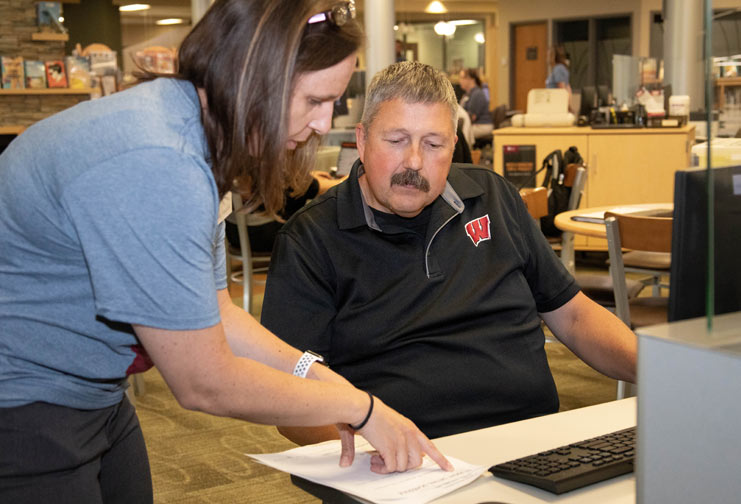
Successfully navigating a conversation with your parents about your college experience hinges on thorough preparation. This involves not only reflecting on your journey but also structuring your thoughts in a clear and compelling manner. By organizing your achievements, challenges, and personal growth, and by anticipating their questions, you can foster a more productive and understanding dialogue.This section will guide you through the essential steps to prepare for this important discussion, ensuring you can articulate your college experience effectively and address your parents’ concerns with confidence.
Organizing Key Talking Points
A well-structured approach to discussing your college experience will help your parents understand the breadth and depth of your journey. It’s beneficial to categorize your reflections into academic achievements, the challenges you’ve encountered and overcome, and the personal growth you’ve experienced. This organized framework allows for a comprehensive overview, demonstrating your engagement and development in various facets of college life.To effectively organize these points, consider the following:
- Academic Achievements: Detail specific courses where you excelled, significant projects you completed, research opportunities you pursued, and any academic awards or recognition received. Quantify your successes where possible, such as a GPA, number of credits completed, or specific skills acquired.
- Challenges and Overcoming Them: Reflect on academic hurdles, such as difficult coursework or adapting to a new learning environment. Also, consider personal challenges like managing time effectively, dealing with homesickness, or navigating new social dynamics. Crucially, highlight the strategies and resources you employed to overcome these obstacles, showcasing your resilience and problem-solving abilities.
- Personal Growth: Identify areas where you have matured, such as increased independence, improved communication skills, a broader perspective on the world, or the development of new interests and passions. Think about how college has shaped your values and future aspirations.
Creating Specific Examples
Abstract statements about learning and development can be less impactful than concrete examples. Illustrating your growth with specific anecdotes will make your experience more tangible and relatable for your parents. These examples serve as evidence of your progress and demonstrate the practical application of your college education.To illustrate your learning and development, prepare a list of specific examples that showcase:
- Academic Application: Describe a time when you applied concepts learned in a class to a real-world problem or project. For instance, “In my Introduction to Economics class, I learned about supply and demand, and I used that knowledge to analyze the pricing strategy for a local business I interned with.”
- Skill Development: Share an instance where you developed a new skill, whether it’s technical (e.g., coding, data analysis) or soft (e.g., public speaking, teamwork). For example, “Through my role as treasurer for the student government, I improved my budgeting and financial reporting skills, which I then used to manage a grant application for a campus event.”
- Problem-Solving Scenarios: Detail a situation where you faced an unexpected problem and how you resolved it. This could involve academic difficulties, logistical challenges, or interpersonal conflicts. An example might be, “When a group project faced significant delays due to one member’s unreliability, I took the initiative to reorganize tasks and facilitated communication to ensure we met our deadline.”
- Insight Gained: Explain a moment of realization or a shift in perspective that occurred during your college years. This could be related to a particular subject, a cultural experience, or an interaction with a diverse group of people. “A lecture on environmental policy opened my eyes to the urgency of climate change, prompting me to join the campus sustainability club and change my major to environmental science.”
Designing a Framework for Discussing Social Life
Your social life is an integral part of the college experience, contributing significantly to personal development and well-being. When discussing this aspect with your parents, it’s helpful to present it in a structured way that highlights positive engagement and responsible choices. This approach can alleviate potential parental concerns and showcase your ability to balance academics with a fulfilling social life.To discuss your social life effectively, consider framing it with the following components:
- New Friendships: Talk about the types of friends you’ve made and how these relationships have enriched your life. Mention shared interests, mutual support, and how these friendships contribute to your overall happiness and sense of belonging.
- Extracurricular Involvement: Detail your participation in clubs, sports, volunteer activities, or student organizations. Explain what you gain from these activities, such as leadership experience, teamwork skills, or the opportunity to explore new hobbies. For instance, “Being part of the debate club has not only improved my critical thinking and public speaking but also introduced me to a diverse group of intellectually curious students.”
- Balancing Social and Academic Commitments: Reassure your parents that you are managing your time effectively. Explain how you prioritize your studies while still making time for social activities and personal interests. This demonstrates maturity and responsibility.
- Positive Social Experiences: Share anecdotes about positive social events or experiences that have contributed to your growth or provided valuable learning opportunities. This could include attending cultural events, participating in community service projects, or engaging in thoughtful discussions with peers.
Identifying Potential Parental Questions and Preparing Responses
Anticipating the questions your parents might ask is a crucial step in preparing for a productive conversation. By thinking ahead and formulating thoughtful responses, you can address their concerns proactively and demonstrate your preparedness and maturity. This not only eases their minds but also shows respect for their perspective.Consider the following categories of questions and prepare thoughtful responses:
- Academic Progress: They may ask about your grades, favorite/least favorite subjects, and future academic plans. Be ready to discuss your GPA, explain any dips or improvements, and articulate your intentions for future coursework or potential majors/minors.
- Financial Matters: Questions about tuition, living expenses, and any part-time work you might be doing are common. Be prepared to discuss your budget, any financial aid you’ve received, and how you are managing your finances responsibly.
- Personal Well-being: Parents often inquire about your happiness, stress levels, and overall adjustment to college life. Be honest about your experiences, share coping mechanisms you employ, and highlight positive aspects of your well-being.
- Future Plans: Discussions about career aspirations, internships, and post-graduation goals are likely. Be ready to share your evolving thoughts on your career path and any steps you are taking to explore these possibilities.
- Social Adjustments: They might ask about your social circle, your involvement in campus activities, and how you are navigating new relationships. Be prepared to discuss your friendships, your extracurricular commitments, and your overall social integration.
The most effective communication is often rooted in empathy and preparation. By understanding your parents’ perspective and preparing your own narrative, you can bridge the gap between your college experience and their understanding.
Initiating the Dialogue

Successfully starting a conversation about your college experience with your parents requires a thoughtful approach. The goal is to create a comfortable and open atmosphere where genuine sharing can occur, rather than an interrogation or a defensive exchange. By choosing the right moment and employing gentle, inviting language, you can lay the groundwork for a productive discussion.The initial moments of the conversation are crucial for setting the tone.
Aim for a time when everyone is relaxed and has the mental space to engage without feeling rushed or stressed. This might be during a quiet evening at home, over a casual meal, or during a weekend activity you all enjoy. The environment should feel safe and conducive to honest communication.
Creating a Relaxed Environment
Establishing a relaxed setting is paramount for fostering open communication. Avoid initiating this conversation when your parents are preoccupied with work, household chores, or other pressing matters. Instead, select a time when they are likely to be more receptive and at ease. This could be after dinner, during a weekend coffee break, or even during a leisurely walk. The physical setting also plays a role; a comfortable space where you can all sit together without distractions, like the living room or a quiet corner of the garden, can be highly beneficial.
The intention is to signal that this is a dedicated time for connection and sharing, free from external pressures.
Phrases for Initiating the Discussion
When you’re ready to begin, using specific phrases can help transition into the topic smoothly and avoid any immediate defensiveness. These phrases are designed to be inviting and to frame the conversation as a desire to share and connect, rather than a report of your activities.
“Mom, Dad, I was hoping we could chat a bit about how things are going for me at college. I’d love to share some of what I’ve been experiencing and also hear your thoughts.”
“I’ve been thinking a lot about my time at university lately, and I wanted to open up a conversation about it with you both. There are a few things I’m excited about and some I’m still figuring out.”
“Would you be open to me sharing some of my college experiences with you? I think it would be really helpful to get your perspectives on it all.”
These examples focus on your desire to share and your interest in their input, which naturally shifts the dynamic away from a potentially confrontational stance.
Benefits of Active Listening
Active listening is a cornerstone of effective communication, especially when discussing sensitive topics like your college journey. It involves more than just hearing the words your parents speak; it’s about fully concentrating, understanding, responding, and remembering what is being said. When you actively listen, you demonstrate respect for their opinions and validate their feelings, which in turn encourages them to be more open and receptive to your own experiences.
This process builds trust and strengthens your relationship.Showing genuine interest in your parents’ thoughts can be conveyed through various non-verbal and verbal cues. Maintain eye contact, nod occasionally to show you are engaged, and avoid interrupting them. When they finish speaking, paraphrase what you’ve heard to ensure understanding and to show you’ve processed their input. For instance, you might say, “So, if I understand correctly, you’re concerned about X because of Y.
Is that right?” This not only clarifies their perspective but also makes them feel heard and valued.
Managing Emotional Responses
Navigating conversations about college can sometimes bring up a range of emotions, both for you and your parents. It’s important to have strategies in place to manage these responses constructively. Before the conversation, take a moment to identify your own potential emotional triggers and prepare how you might respond calmly. If you feel yourself becoming defensive or upset, take a deep breath, pause, and acknowledge your feelings internally before responding.
You can also politely ask for a brief pause if needed, stating something like, “I need a moment to gather my thoughts on that.”For your parents’ emotional responses, practice empathy. Try to understand the underlying reasons for their reactions, which may stem from their own hopes, fears, or past experiences. If they express concern, acknowledge it without immediately dismissing it.
For example, if they express worry about your academic performance, you could respond with, “I hear your concern about my grades, and I appreciate you bringing it up. I’m working on improving in X area, and I’d be happy to share my plan with you.” By validating their emotions and addressing their concerns directly and calmly, you can de-escalate potential tension and steer the conversation back to a productive path.
Discussing Academic Life
Sharing your college academic journey with your parents can be a rewarding experience, offering them insight into your growth and development. This section focuses on how to articulate your academic endeavors, from your chosen field of study to the practical skills you are acquiring. By providing clear and detailed information, you can help them understand the intellectual challenges and triumphs you encounter.
Your Major and Coursework
It is beneficial to clearly define your academic focus and the specific subjects you are engaging with. Explaining your major provides a foundational understanding of your academic path, while detailing your coursework illustrates the breadth and depth of your learning. Highlighting specific academic projects that you are proud of offers concrete examples of your accomplishments and dedication.This can be effectively communicated by outlining your major and then listing key courses and projects.
For instance, if you are an Engineering major, you might mention core courses like Thermodynamics and Circuit Analysis, and a project involving the design of a sustainable energy system.
The Learning Process
College learning environments are designed to foster critical thinking and independent study, often differing significantly from the structured approach of high school. Understanding and explaining these differences can help your parents appreciate the intellectual rigor of higher education. This involves moving beyond rote memorization to developing analytical skills and a deeper comprehension of subject matter.The transition from high school to college learning can be characterized by several key distinctions:
- Increased emphasis on self-directed learning and time management.
- Exposure to diverse teaching methodologies, including lectures, seminars, and lab work.
- The expectation of active participation and contribution to class discussions.
- Development of research skills through assignments and independent study.
Academic Workload and Study Habits
It is helpful to provide your parents with a realistic picture of your academic workload and how your study habits have evolved. Comparing your current workload and the strategies you employ to manage it with your initial expectations can offer valuable context. This transparency can alleviate potential concerns and demonstrate your maturity in handling academic responsibilities.Your academic workload can be described in terms of credit hours, typical assignment types, and exam schedules.
For example, a semester might involve taking 15 credit hours, which translates to approximately 45 hours of in-class time and an additional 90 hours of independent study and assignment work per week. Your study habits might include:
- Creating detailed study schedules for each course.
- Forming study groups with classmates to review material.
- Utilizing campus resources such as tutoring centers and the library.
- Employing active recall and spaced repetition techniques for memorization.
Skills Developed Through Studies
Your college education is a significant source of skill development that extends beyond theoretical knowledge. Identifying and articulating these skills demonstrates the practical value of your studies and your readiness for future challenges. These skills are often transferable to various professional and personal contexts.Through your academic pursuits, you are likely developing a range of valuable skills. These can be categorized and explained with specific examples:
- Critical Thinking and Problem-Solving: For instance, analyzing complex case studies in a business ethics course or troubleshooting experimental designs in a science lab.
- Communication Skills: This includes presenting research findings to a class, writing persuasive essays, or engaging in debates during a political science seminar.
- Research and Information Literacy: Learning to effectively search academic databases, evaluate sources, and synthesize information for research papers.
- Technical Proficiency: Depending on your major, this could involve mastering specific software for data analysis, programming languages, or design tools.
- Collaboration and Teamwork: Working on group projects requires coordinating efforts, delegating tasks, and resolving disagreements constructively.
Sharing Social and Personal Growth
Beyond academics, your college journey is a rich tapestry of social interactions and personal development. Sharing these aspects with your parents can provide them with a holistic understanding of your experience and demonstrate the valuable life skills you are acquiring. This section focuses on how to articulate the social fabric of your college life and the significant personal growth you are undergoing.Your college years are a prime time for forging new connections and expanding your worldview.
By actively participating in campus life, you are not only building a supportive network but also learning to navigate diverse social environments and collaborate with individuals from various backgrounds. These experiences are crucial for developing emotional intelligence and adaptability.
Campus Involvement and Extracurricular Activities
Engaging in clubs, organizations, or campus activities is a cornerstone of the college experience, offering opportunities for skill development, leadership, and community building. These pursuits often extend beyond the classroom, providing practical experience and a sense of belonging.Your involvement can be categorized in several ways, each contributing to your overall growth:
- Academic Clubs: Participating in clubs related to your major, such as a pre-med society, an engineering club, or a literary journal, allows you to deepen your knowledge, network with peers and faculty, and gain practical experience in your field.
- Interest-Based Organizations: Joining clubs centered around hobbies or passions, like a photography club, a debate team, a hiking group, or a volunteer organization, fosters a sense of community and provides an outlet for stress relief and personal enjoyment.
- Student Government and Leadership Roles: Taking on leadership positions within student government, a club executive board, or a resident advisor role cultivates essential leadership, organizational, and interpersonal skills. These roles often involve managing budgets, coordinating events, and mediating conflicts.
- Athletics: Participation in varsity sports or intramural leagues teaches teamwork, discipline, time management, and resilience in the face of challenges.
Developing New Friendships and Diverse Perspectives
College is a melting pot of individuals from different geographical locations, cultural backgrounds, and life experiences. Building friendships within this diverse environment is a powerful catalyst for personal growth and understanding.The friendships you are forming are instrumental in broadening your horizons:
- Exposure to Varied Backgrounds: Interacting with students from different states, countries, and socioeconomic backgrounds exposes you to new ideas, customs, and ways of thinking, challenging your preconceived notions and fostering empathy.
- Learning from Peers: Discussions with friends often lead to a deeper understanding of course material, different cultural perspectives, and societal issues. These informal learning exchanges are as valuable as classroom lectures.
- Building a Support System: The friendships you cultivate provide a crucial support network for navigating the stresses of college life, offering encouragement, advice, and a sense of camaraderie.
For instance, imagine a conversation with a friend who grew up in a country with a vastly different political system. This exchange can offer a nuanced perspective on global affairs that you might not encounter in a textbook.
Cultivating Independence and Problem-Solving Skills
Moving away from home for college inherently fosters independence. You are learning to manage your time, finances, and daily life without constant parental oversight, which is a significant step towards adulthood.The challenges encountered in college are opportunities for developing essential life skills:
- Self-Management: You are responsible for your schedule, meals, laundry, and overall well-being. This daily practice builds self-reliance and organizational abilities.
- Navigating New Environments: Learning to navigate a new campus, city, and social circles hones your spatial awareness and adaptability.
- Financial Literacy: Managing a budget for personal expenses, textbooks, and social activities teaches valuable lessons in financial planning and responsibility.
- Conflict Resolution: You are learning to address disagreements with roommates, professors, or peers constructively, developing your ability to find solutions and compromise.
Consider a situation where your laundry machine breaks down unexpectedly. Instead of relying on someone else, you must independently research repair services, compare costs, and arrange for the repair, thereby exercising problem-solving skills.
Anecdotes of Personal Growth and Maturity
Sharing specific stories can vividly illustrate your development. These anecdotes serve as concrete examples of how you are maturing and becoming more capable.When discussing your personal growth, consider sharing anecdotes that highlight your newfound maturity:
- Overcoming a Setback: Describe a time you faced a significant academic or personal challenge and how you persevered. For example, recounting how you managed to improve your grade in a difficult course through extra study and seeking help from a teaching assistant demonstrates resilience and a proactive approach to learning.
- Taking Initiative: Share an instance where you identified a need and took action. This could be organizing a study group for a challenging class, initiating a conversation with a professor during office hours, or volunteering for a new campus initiative.
- Adapting to Change: Discuss how you handled an unexpected change in plans or a situation that required you to adapt quickly. For example, explaining how you adjusted to a new roommate situation by communicating openly and finding common ground showcases your interpersonal skills and maturity.
- Developing Empathy: Share an experience where you gained a deeper understanding of someone else’s perspective or struggles, leading to a more compassionate outlook. This could involve volunteering at a local shelter or engaging in a meaningful conversation with someone from a different background.
For instance, you might share the story of how you initially struggled with homesickness but, through actively engaging in campus events and forming friendships, learned to manage those feelings and build a new sense of belonging. This illustrates your ability to cope with emotional challenges and adapt to new circumstances.
Addressing Challenges and Setbacks
College life, while often filled with exciting new experiences and personal growth, inevitably presents its share of challenges and setbacks. It’s important to be prepared to discuss these aspects with your parents, not as a sign of failure, but as evidence of your resilience and problem-solving abilities. Openly sharing how you’ve navigated difficult academic situations or personal struggles can demonstrate your maturity and capacity for growth.Navigating these hurdles is a crucial part of the college journey, and your parents will likely appreciate understanding your approach to overcoming them.
This section focuses on how you can articulate these experiences, highlighting the strategies you’ve employed and the valuable lessons learned. By comparing your initial expectations with the reality of college challenges, you can paint a more comprehensive and realistic picture of your experience.
Academic Difficulties and Solutions
Difficulties in academic pursuits are common, and how you address them speaks volumes about your commitment and resourcefulness. It’s beneficial to share specific instances where you faced academic hurdles and the concrete steps you took to overcome them. This demonstrates your proactive approach to learning and your ability to adapt when faced with unexpected academic demands.Your parents will be interested in understanding the strategies you’ve employed to tackle these academic challenges.
This might include seeking additional help from professors or teaching assistants, forming study groups, utilizing campus tutoring services, or adjusting your study habits. Providing specific examples of these strategies in action will make your explanation more tangible and relatable.
Comparing Expectations with Academic Reality
It is often insightful to compare your initial expectations of academic rigor with the actual experience. Many students enter college with preconceived notions about the ease or difficulty of coursework, and reality can sometimes diverge significantly. Discussing this comparison can help your parents understand the learning curve you’ve navigated.
“The transition to college-level coursework often requires a significant adjustment in study habits and time management compared to high school.”
Lessons Learned from Academic Setbacks
Reflecting on less-than-ideal academic experiences can yield profound lessons. These might include understanding the importance of consistent effort, the benefits of early intervention when struggling, or the value of diverse learning resources. Sharing these insights demonstrates your ability to learn from mistakes and apply that knowledge to future academic endeavors. For instance, if you initially underestimated the workload for a particular course and faced a lower-than-expected grade, you could explain how you subsequently adjusted your study schedule and sought feedback to improve your performance in subsequent assignments.
Personal Struggles and Coping Mechanisms
Beyond academics, college life can present personal challenges, from adjusting to a new environment and managing independence to dealing with social dynamics or homesickness. Sharing how you’ve navigated these personal struggles showcases your emotional intelligence and resilience. It’s important to convey that you have developed healthy coping mechanisms and support systems.Detailing the strategies you’ve employed to overcome personal obstacles demonstrates your maturity and self-awareness.
This could involve discussing how you’ve built new friendships, maintained connections with family, utilized campus counseling services, engaged in hobbies for stress relief, or developed routines that promote well-being.
Navigating Social and Personal Adjustments
The social landscape of college can be complex. You might have faced challenges in forming new friendships, finding your place within a community, or managing interpersonal conflicts. Explaining how you’ve actively worked to build a supportive social network and navigate these dynamics is valuable.
Strategies for Managing Stress and Well-being
College can be a demanding period, and effective stress management is crucial. Discussing the techniques you’ve adopted to maintain your mental and emotional well-being, such as regular exercise, mindfulness practices, or setting boundaries, provides reassurance to your parents that you are taking care of yourself.
Lessons from Personal Setbacks
Similar to academic setbacks, personal challenges offer significant learning opportunities. You might have learned about your own strengths and limitations, the importance of seeking support, or the value of perseverance. Sharing these lessons underscores your personal growth and development throughout your college experience. For example, if you initially struggled with feeling isolated, you could describe the steps you took to join clubs or participate in campus events, and how this proactive engagement led to forming meaningful connections and overcoming feelings of loneliness.
Discussing Future Aspirations
As your college journey progresses, your perspective on your future will naturally evolve. Sharing these evolving aspirations with your parents can foster understanding and gain their support as you navigate the path ahead. This section focuses on how to articulate your developing career interests, the practical experiences you’re pursuing, and how your current studies are laying the groundwork for your long-term goals.
Evolving Career Interests and College Influence
Your college experience is a dynamic environment that can significantly shape your understanding of potential career paths. It’s beneficial to communicate how your initial interests might be broadening or shifting based on your coursework, interactions with professors, and exposure to new ideas. This open dialogue allows your parents to see your thoughtful engagement with your education and its future implications.Your college education provides a unique opportunity to explore a wide range of disciplines and potential career fields.
Through lectures, seminars, and discussions, you gain exposure to subjects you may not have previously considered. This exposure can spark new interests or refine existing ones, leading to a more informed and focused approach to your future professional life. For instance, a student initially interested in general business might discover a passion for sustainable supply chain management after taking a specialized course and engaging in related research projects.
Internships, Co-op Programs, and Research Opportunities
Practical experiences are invaluable for solidifying career interests and developing essential skills. Explaining the internships, co-op programs, or research opportunities you are pursuing or considering demonstrates your proactive approach to your education and future career development. These experiences provide tangible examples of how you are applying your learning and exploring professional environments.Here are some key aspects to highlight when discussing these opportunities:
- Relevance to Career Goals: Explain how the specific internship, co-op, or research project aligns with your evolving career interests. For example, if you are interested in data science, highlight how a data analysis internship will provide hands-on experience with relevant tools and techniques.
- Skills Development: Detail the skills you expect to gain or are currently developing through these experiences. This could include technical skills (e.g., programming languages, lab techniques), soft skills (e.g., communication, teamwork, problem-solving), or industry-specific knowledge.
- Networking Opportunities: Mention the potential to build professional connections with mentors, peers, and industry professionals. Networking can be crucial for future job prospects and career guidance.
- Exploration and Confirmation: Emphasize how these experiences serve as a way to explore a particular field or company culture, helping you confirm or adjust your career path. An internship in a non-profit organization, for instance, might solidify a desire to work in the social impact sector.
Connecting Current Learning to Long-Term Goals
It is important to articulate how your current academic pursuits are directly contributing to your long-term aspirations. This demonstrates a strategic approach to your education, showing that you are not just completing coursework but actively building a foundation for your future. By drawing these connections, you can help your parents understand the value and purpose behind your academic choices.Consider the following points when explaining this connection:
- Foundational Knowledge: Identify core subjects or concepts from your current courses that are fundamental to your desired career field. For example, a computer science major aspiring to be a software engineer would highlight courses in algorithms, data structures, and programming paradigms.
- Skill Application: Discuss how specific assignments, projects, or problem-solving exercises in your classes are equipping you with skills directly applicable to your future profession. A marketing student might point to a class project where they developed a comprehensive marketing campaign, honing their strategic thinking and creative skills.
- Interdisciplinary Links: If your long-term goals require knowledge from multiple fields, explain how your current courses are providing that interdisciplinary foundation. A student aiming for a career in bio-engineering might discuss how their biology and engineering courses are converging to provide the necessary expertise.
- Problem-Solving and Critical Thinking: Emphasize how your college education is fostering critical thinking and problem-solving abilities, which are universally valuable in any career. Discuss how you are learning to analyze complex issues, evaluate information, and develop innovative solutions.
Plans for the Next Academic Year and Beyond
Providing a clear overview of your plans for the upcoming academic year and beyond offers reassurance and allows your parents to understand your forward-thinking approach. This includes academic planning, potential further experiential learning, and initial thoughts on post-graduation pathways.Here is a structured way to present your future plans:
| Timeframe | Key Focus Areas | Specific Activities/Goals |
|---|---|---|
| Next Academic Year | Academic Specialization |
|
| Next Academic Year | Experiential Learning |
|
| Beyond Graduation (Initial Thoughts) | Post-Graduate Pathways |
|
Navigating Financial Discussions

Approaching conversations about finances with your parents can feel sensitive, but open and honest communication is key to mutual understanding and support. This section will guide you through how to articulate your financial situation, your efforts in managing your expenses, and any concerns you may have. By proactively sharing this information, you empower your parents with a clear picture of your financial responsibility.Understanding college costs and your financial aid or scholarship situation demonstrates your awareness and preparedness.
It’s important to clearly Artikel what expenses you anticipate and how you plan to cover them. This includes detailing any grants, scholarships, loans, or personal savings that contribute to your education.
Understanding College Costs and Financial Aid
Presenting a clear breakdown of your college expenses and how they are being met is crucial. This involves detailing tuition fees, living expenses, books, and other necessary costs, alongside the specific financial aid packages or scholarships you have secured.Here is a typical breakdown of college expenses and funding sources:
- Tuition and Fees: The cost of courses and university services.
- Room and Board: Expenses for on-campus housing and meal plans, or off-campus rent and groceries.
- Books and Supplies: Costs for textbooks, notebooks, and other academic materials.
- Personal Expenses: This includes transportation, toiletries, entertainment, and other daily living costs.
- Scholarships and Grants: Financial awards that do not need to be repaid, often based on merit or need. For example, a Pell Grant can provide significant support for low-income students, while merit-based scholarships from universities reward academic achievement.
- Student Loans: Funds borrowed to cover educational expenses, which must be repaid with interest. Federal student loans often have more favorable terms than private loans.
- Personal Savings: Funds you have saved from work or other sources.
- Family Contributions: Any financial support provided by your parents or guardians.
Budget Management and Part-Time Work
Effective budget management is a cornerstone of financial independence during college. Detailing your strategies shows your commitment to responsible spending and living within your means. If you are working part-time, explain how this contributes to your financial stability and how you balance work with your studies.A well-structured budget helps you track income and expenses, ensuring that your financial resources are allocated effectively.
This can involve using budgeting apps, spreadsheets, or a simple notebook.Consider these budget management strategies:
- Track all income: This includes any stipends, loan disbursements, earnings from part-time work, and family contributions.
- Categorize expenses: Differentiate between essential needs (housing, food, tuition) and discretionary spending (entertainment, dining out).
- Set spending limits: Allocate specific amounts for different spending categories to avoid overspending. For instance, setting a weekly limit for groceries or entertainment.
- Review and adjust regularly: Periodically check your spending against your budget and make necessary adjustments. This ensures your budget remains realistic and effective.
Part-time employment can be a significant source of income and a valuable learning experience. Many students find employment in campus jobs, internships, or local businesses. For example, a student working 15 hours a week at minimum wage might earn an additional $200-$300 per week, which can substantially offset living expenses.
Contributing to Financial Well-being
Highlighting your active role in managing your finances reinforces your maturity and dedication. This can involve diligent saving, seeking out cost-saving opportunities, or making conscious choices to reduce unnecessary expenditures.Your contributions, no matter how small they may seem, demonstrate initiative and a proactive approach to your financial future. This could include:
- Prioritizing needs over wants: Making deliberate choices to spend money on essential items before considering non-essential purchases.
- Seeking student discounts: Taking advantage of discounts offered to students for transportation, software, entertainment, and retail.
- Cooking at home: Reducing expenses by preparing meals instead of frequently eating out.
- Utilizing campus resources: Taking advantage of free or low-cost services offered by the university, such as gym facilities, libraries, and academic support centers.
Addressing Financial Concerns
It is natural to encounter financial challenges. Openly discussing any concerns you have with your parents allows for collaborative problem-solving and ensures that potential issues are addressed proactively. This might involve unexpected expenses, changes in financial aid, or the need for additional support.
“Financial transparency builds trust and facilitates informed decision-making for everyone involved.”
When discussing financial concerns, be prepared to explain the situation clearly and propose potential solutions. For example, if you are facing an unexpected expense, you might suggest a temporary adjustment to your spending habits or explore options for additional part-time work. If there’s a shortfall in expected financial aid, you might discuss the possibility of federal loan adjustments or a temporary increase in family contribution, if feasible.
Presenting Information Visually

Transitioning from verbal explanations to visual aids can significantly enhance your parents’ understanding of your college journey. Visuals provide a clear, concise, and organized way to convey complex information, making it easier for them to grasp your progress, decisions, and growth. This section offers practical methods to present your college experience in a visually engaging manner.The following strategies aim to transform abstract concepts and data into tangible, easy-to-digest formats, fostering a more productive and insightful conversation.
By leveraging these tools, you can ensure your parents have a comprehensive overview of your academic achievements, personal development, and future plans.
Academic Progress Overview
To clearly illustrate your academic performance and highlight significant achievements, a well-structured table can be an invaluable tool. This format allows for a direct comparison of your progress over time and emphasizes key milestones.
| Semester/Year | GPA | Key Courses Completed | Academic Achievements/Awards |
|---|---|---|---|
| Fall 2022 | 3.75 | Introduction to Computer Science, Calculus I, English Composition | Dean’s List |
| Spring 2023 | 3.82 | Data Structures and Algorithms, Linear Algebra, Physics I | |
| Fall 2023 | 3.90 | Database Systems, Discrete Mathematics, Chemistry I | Research Assistantship in AI Lab |
| Spring 2024 | 3.95 | Operating Systems, Software Engineering, Probability and Statistics | Award for Best Undergraduate Project |
Extracurricular Involvement and Development
Extracurricular activities play a crucial role in personal and professional development, offering opportunities to gain new skills, build networks, and explore interests beyond academics. A bulleted list can effectively showcase the breadth of your involvement and the impact these experiences have had on your growth.This list highlights how participation in various activities has contributed to your skill set and understanding of yourself.
- Computer Science Club: As a member, I participated in coding challenges and hackathons, which improved my problem-solving abilities and teamwork. I also helped organize workshops, enhancing my leadership and organizational skills.
- Volunteering at Local Shelter: This experience fostered empathy and a deeper understanding of community needs. It also honed my communication skills when interacting with diverse groups of people.
- Debate Society: Participation in the debate society sharpened my critical thinking, research, and public speaking skills. It taught me to articulate complex ideas persuasively and to consider multiple perspectives.
- Intramural Basketball: This provided a healthy outlet for stress relief and promoted physical well-being. It also reinforced the importance of discipline and commitment to a team.
Decision-Making Process for Major and Career Path
Understanding the rationale behind your academic and career choices is important. A flowchart can visually represent the steps and considerations that led you to your current major or future career aspirations, demonstrating a thoughtful and deliberate process.This visual aid can demystify your choices and show your parents the careful thought you’ve invested.
The following flowchart Artikels the typical decision-making process for selecting a major:
Start -> Explore Interests & Strengths -> Research Potential Majors -> Consider Career Outlooks -> Consult Advisors & Mentors -> Evaluate Course Requirements -> Finalize Major Choice -> Ongoing Evaluation & Adjustment -> End
Personal Reflection on College Journey
Sometimes, the most profound insights are best conveyed through personal reflection. A blockquote can highlight a particularly meaningful realization or lesson learned during your college years, offering a personal and authentic perspective on your growth.
“College has been more than just an academic pursuit; it has been a crucible for self-discovery. I’ve learned that true growth often lies not in avoiding challenges, but in confronting them with resilience and a willingness to learn. The ability to adapt, to seek help when needed, and to celebrate small victories has been as valuable as any lecture or exam.”
Last Point
In essence, effectively communicating your college experience to your parents is an opportunity to deepen your relationships and share the significant transformations you are undergoing. By approaching these conversations with preparation, empathy, and clarity, you can ensure your parents feel informed, valued, and proud of your journey. This guide has provided a framework to navigate these important discussions, fostering understanding and mutual respect as you articulate the richness of your collegiate life.