Navigating shared living spaces can present unique challenges, and understanding How to Deal with a Difficult or Messy Roommate is essential for maintaining harmony. This guide delves into the common reasons behind roommate conflicts, the emotional toll they can take, and the typical scenarios that lead to disputes over cleanliness and responsibilities. We will explore the psychological underpinnings of disorganization and disregard for shared environments, setting the stage for practical and effective solutions.
From initial conversations to establishing clear boundaries and developing shared agreements, this comprehensive overview provides a structured approach to resolving roommate issues. We will cover strategies for specific behaviors, explore pathways for escalation and resolution, and offer insights into fostering a positive and healthy living environment for everyone involved.
Understanding the Core Issues
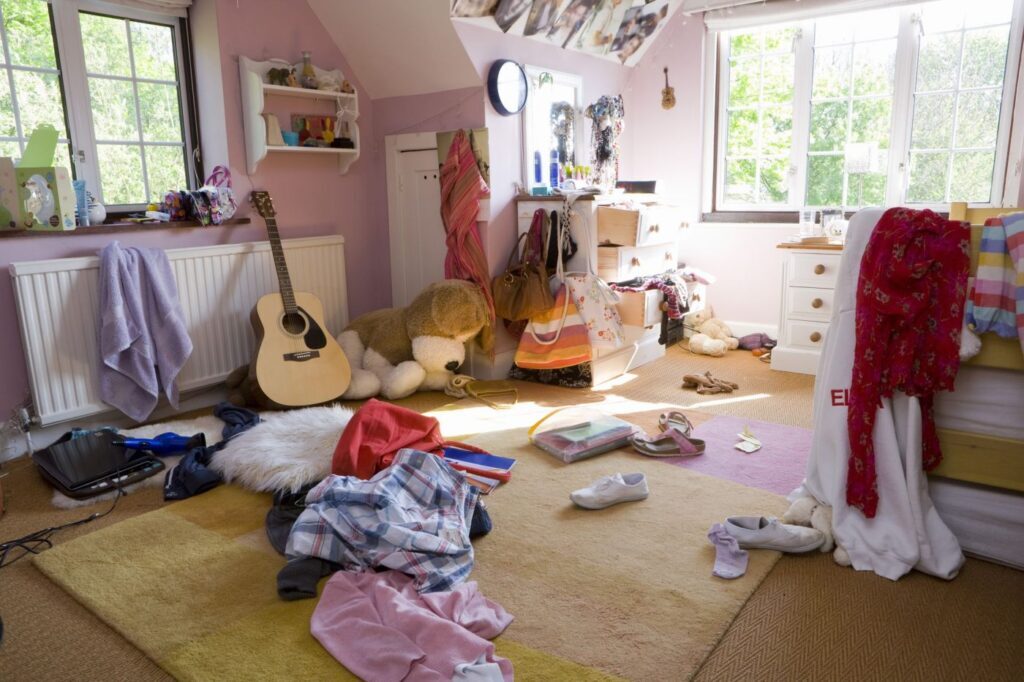
Navigating shared living spaces can be a rewarding experience, but it often presents unique challenges, particularly when roommates’ habits and expectations diverge. Understanding the root causes of conflict, especially concerning cleanliness and shared responsibilities, is the first crucial step toward resolution. This section delves into the common reasons behind roommate difficulties and the emotional toll they can take, alongside typical scenarios and underlying psychological factors.The foundation of a harmonious living arrangement rests on mutual respect and clear communication regarding shared spaces.
When these elements are absent or misunderstood, friction can easily arise, leading to dissatisfaction and stress. Identifying the specific issues at play allows for targeted solutions and a more peaceful coexistence.
Common Reasons for Roommate Difficulties and Messiness
Roommate conflicts, particularly those related to cleanliness, often stem from fundamental differences in lifestyle, expectations, and personal habits. These disparities can manifest in various ways, impacting the overall living environment and the well-being of those involved.
- Differing Standards of Cleanliness: Individuals have varying perceptions of what constitutes a “clean” or “messy” space. One person’s acceptable level of tidiness might be another’s significant source of stress.
- Varying Schedules and Lifestyles: Different work hours, social lives, and personal routines can lead to clashes in how shared spaces are used and maintained. For instance, a night owl might leave dishes out after a late-night snack, while an early riser prefers a spotless kitchen in the morning.
- Lack of Clear Communication and Expectations: Without explicit discussions about chores, shared responsibilities, and acceptable living standards, assumptions are often made, leading to misunderstandings and resentment.
- Disregard for Shared Resources: This can range from using up shared supplies without replacement to neglecting to clean communal areas after use, impacting everyone’s access and enjoyment of the space.
- Personal Stress and External Factors: Sometimes, a roommate’s disorganization or messiness can be a symptom of personal struggles, such as stress, anxiety, or depression, which can temporarily affect their ability to maintain order.
Emotional Impact of Clashing Habits
Living with a roommate whose habits clash significantly with your own can have a profound emotional impact, often leading to feelings of frustration, resentment, and even anxiety. The constant exposure to a living environment that does not align with your preferences can erode your sense of comfort and sanctuary.
- Increased Stress and Anxiety: A consistently messy or unkempt shared space can trigger stress responses, making it difficult to relax and feel at home. The anticipation of encountering a mess can be a daily source of low-level anxiety.
- Feelings of Resentment: When one roommate consistently picks up after another or feels they are carrying a disproportionate share of the household responsibilities, resentment can build, damaging the relationship.
- Reduced Sense of Control: A messy living environment can make individuals feel a loss of control over their personal space, which is essential for mental well-being.
- Impact on Social Life: Embarrassment about the state of the shared living space can lead to a reluctance to invite friends over, impacting one’s social life and sense of belonging.
- Erosion of Trust and Respect: Repeated instances of disregard for shared agreements or personal boundaries can erode trust and mutual respect, making it difficult to maintain a positive roommate dynamic.
Typical Scenarios Leading to Roommate Conflicts
Roommate conflicts over cleanliness and shared responsibilities often arise from predictable situations that highlight differing approaches to domestic life. Recognizing these common scenarios can help in proactively addressing potential issues before they escalate.
- The Kitchen Conundrum: This is perhaps the most frequent battleground. Scenarios include unwashed dishes left in the sink for extended periods, food spills not being wiped up, expired food lingering in the refrigerator, and communal food items being consumed without replenishment. For example, a common situation involves one roommate expecting the kitchen to be clean immediately after use, while another might leave their cooking mess until the next morning.
- The Bathroom Blunders: Clutter in shared bathrooms, such as personal items left scattered, hair left in the drain, or toilets and sinks not being cleaned regularly, are frequent points of contention. A typical scenario might involve one roommate meticulously cleaning the shower after each use, while the other views it as a weekly chore.
- The Living Room Labyrinth: Piles of personal belongings, stray items from shared activities, and general untidiness in common areas like the living room can create an uncomfortable atmosphere for roommates who prefer order. Imagine a scenario where one roommate leaves their workout gear and books scattered across the coffee table, while the other expects it to be clear for guests.
- Chore Chart Chaos: Even with a chore chart, conflicts can arise over the perceived fairness of the division of labor, the quality of the completed tasks, or the adherence to the schedule. For instance, one roommate might feel they are consistently assigned the more unpleasant tasks or that their contributions are not recognized.
- Shared Supply Scarcity: Running out of essential shared supplies like toilet paper, cleaning products, or dish soap because they were not restocked can lead to frustration and arguments. This often happens when there isn’t a clear system for monitoring and replenishing these items.
Psychological Factors Contributing to Disorganization
A person’s approach to cleanliness and organization is often influenced by a complex interplay of psychological factors. Understanding these underlying reasons can foster greater empathy and provide a more nuanced perspective when dealing with a roommate’s habits.
- Cognitive Styles and Perceptual Differences: Some individuals may have a naturally more relaxed approach to order due to differences in how they perceive and process information. Their focus might be on other aspects of life, and the “mess” may not register as a significant issue for them.
- Habit Formation and Learned Behaviors: Habits are deeply ingrained. If a person grew up in a less organized environment or has developed certain routines over time, changing these habits can be challenging and require conscious effort.
- Executive Functioning Challenges: For some, disorganization can be linked to challenges with executive functions, which are the mental processes that enable us to plan, focus attention, remember instructions, and juggle multiple tasks successfully. This can include difficulties with task initiation, organization, and time management.
- Coping Mechanisms and Stress Management: In some cases, messiness can be an unconscious coping mechanism for dealing with stress or overwhelming emotions. The external chaos might mirror internal feelings, or the act of tidying might feel like an insurmountable task when one is already overwhelmed.
- Personality Traits: Certain personality traits, such as a higher tolerance for ambiguity or a more spontaneous nature, can correlate with a less structured approach to living spaces. Conversely, individuals who are highly conscientious or detail-oriented may find disorganization particularly distressing.
Initial Steps for Addressing the Situation

Before diving into solutions, it’s crucial to approach the conversation with your roommate constructively. This initial phase focuses on preparing for and initiating a dialogue that fosters understanding rather than conflict. A well-timed and thoughtfully executed conversation can lay the groundwork for a more harmonious living environment.Approaching your roommate about their living habits requires careful consideration of your communication style and the environment in which the discussion takes place.
The goal is to express your concerns clearly and respectfully, encouraging them to see your perspective without feeling attacked.
Preparing for the Conversation
Effective preparation is key to a productive discussion. This involves identifying specific issues, considering your desired outcomes, and anticipating potential reactions from your roommate. A calm and organized approach will help you articulate your points more clearly and manage the conversation effectively.Here are some steps to consider before you speak with your roommate:
- Identify Specific Issues: Instead of general complaints, pinpoint exact behaviors that are causing problems. For example, “dishes left in the sink for days” is more constructive than “you’re messy.”
- Determine Your Desired Outcome: What specific changes are you hoping to see? Be realistic and focus on achievable adjustments.
- Anticipate Reactions: Consider how your roommate might respond. Are they generally receptive to feedback, or do they tend to become defensive? This can help you tailor your approach.
- Practice What You’ll Say: Rehearsing your key points can boost your confidence and ensure you communicate your message clearly and concisely.
Initiating the Discussion
The way you start the conversation significantly influences its trajectory. A gentle and non-confrontational opening can make your roommate more receptive to hearing your concerns. It’s about setting a collaborative tone from the beginning.A step-by-step approach to initiating the conversation:
- Request a Dedicated Time: Ask your roommate if they have some time to chat privately about household matters. This signals that you have something important to discuss and aren’t just looking for a quick, casual complaint.
- Choose a Neutral Setting: Avoid discussing sensitive topics when either of you is stressed, tired, or distracted. A calm, private space where you both feel comfortable is ideal.
- Start with “I” Statements: Frame your concerns from your perspective to avoid sounding accusatory. For instance, say “I feel overwhelmed when…” rather than “You always…”
- Be Specific and Objective: Refer to observable behaviors and their impact. For example, “I find it difficult to cook when the kitchen counter is cluttered” is more effective than “You never clean up.”
- Listen Actively: Give your roommate ample opportunity to share their perspective. Listen without interrupting and try to understand their point of view, even if you don’t agree with it.
Effective Communication Strategies
Employing specific communication techniques can help you navigate the conversation without escalating tension. The aim is to foster an environment where both parties feel heard and respected, increasing the likelihood of finding a mutually agreeable solution.Key communication strategies to employ:
- Empathy and Understanding: Acknowledge that everyone has different living habits and that what might be a minor issue for one person can be significant for another.
- Focus on Solutions, Not Blame: Shift the conversation from who is at fault to how you can collectively improve the living situation.
- Compromise and Flexibility: Be prepared to meet your roommate halfway. Not all issues can be resolved with a perfect solution for everyone, so some flexibility is often necessary.
- Reinforce Positives: When your roommate makes an effort or shows improvement, acknowledge and appreciate it. Positive reinforcement can be a powerful motivator.
Choosing the Right Time and Setting
The timing and location of your conversation are critical for its success. A poorly chosen moment can lead to defensiveness and a breakdown in communication, while an appropriate setting can create an atmosphere conducive to problem-solving.Consider these factors when selecting the right time and setting:
- Avoid High-Stress Periods: Do not initiate the conversation when either of you is facing deadlines, dealing with personal crises, or has had a particularly stressful day.
- Opt for a Relaxed Atmosphere: A weekend afternoon or a quiet evening when you both have free time and are feeling relatively relaxed is often more effective.
- Ensure Privacy: Discussing sensitive issues in front of others can be embarrassing and unproductive. Choose a private space where you won’t be overheard or interrupted.
- Consider a Neutral Location: Sometimes, having the conversation outside of your immediate living space, such as a coffee shop or a park bench, can help create a more neutral and less confrontational environment.
Setting Clear Expectations and Boundaries
Establishing clear expectations and boundaries from the outset, or reinforcing them when issues arise, is fundamental to a harmonious shared living experience. This proactive approach helps prevent misunderstandings and provides a framework for addressing future disagreements.A framework for setting expectations and boundaries:
- Define Shared Responsibilities: Clearly Artikel who is responsible for what tasks, such as cleaning common areas, taking out the trash, or managing shared supplies. This can be done verbally or in writing.
- Establish Hygiene Standards: Agree on basic standards for cleanliness in shared spaces, particularly the kitchen and bathroom. For example, a rule about washing dishes within 24 hours can be very effective.
- Communicate Personal Preferences: Share your personal habits and preferences regarding noise levels, guests, and personal space. Understanding each other’s needs is crucial.
- Develop a System for Addressing Issues: Agree on a process for how you will handle future disagreements or breaches of boundaries. This might involve a simple conversation, a roommate meeting, or a written agreement.
- Regular Check-ins: Schedule occasional informal check-ins to discuss how things are going and to address any emerging issues before they become major problems.
“Clear communication and mutual respect are the cornerstones of a successful roommate relationship.”
Developing Solutions and Agreements
Once the core issues have been identified and initial steps have been taken to address the situation, the next crucial phase involves collaboratively developing practical solutions and establishing clear agreements. This stage requires open communication, a willingness to compromise, and a commitment to creating a harmonious living environment for everyone involved. The goal is to move from identifying problems to actively implementing sustainable solutions.This section will guide you through the process of creating a functional living arrangement by focusing on shared responsibilities, outlining potential agreements, and preparing for future challenges.
Establishing a Shared Cleaning Schedule and Assigning Responsibilities
A well-defined cleaning schedule is fundamental to maintaining a tidy shared living space. It ensures that tasks are distributed fairly and that no single individual feels overwhelmed by the burden of cleanliness. This can be achieved through various methods, from simple verbal agreements to more structured visual aids.Methods for establishing a shared cleaning schedule include:
- Weekly Rotations: Assign specific chores to each roommate for a designated week, rotating these responsibilities each subsequent week.
- Task-Based Assignments: Divide the living space into zones or specific tasks (e.g., kitchen, bathroom, common areas, vacuuming, dusting) and assign individuals to these tasks on a rotating or permanent basis.
- Daily/Bi-Weekly Checklists: For smaller, more frequent tasks, a checklist can be used to ensure consistent upkeep of common areas.
- Open Discussion and Negotiation: Allow each roommate to express their preferences and limitations regarding certain chores, fostering a sense of ownership over the agreed-upon schedule.
Examples of Chore Charts and Agreement Templates
Visual aids and written agreements can significantly enhance clarity and accountability. These tools serve as a constant reminder of shared duties and expectations, reducing the potential for misunderstandings.A basic chore chart could include columns for:
- Task: A clear description of the chore (e.g., “Clean Kitchen Counters,” “Take Out Trash,” “Vacuum Living Room”).
- Assigned To: The name of the roommate responsible for the task.
- Due Date/Frequency: When the task needs to be completed (e.g., “Daily,” “End of Week,” “Every Saturday”).
- Completion Checkbox: A space for the roommate to mark when the task is done.
An example of a roommate agreement template for cleaning responsibilities might look like this:
Roommate Cleaning AgreementThis agreement Artikels the responsibilities of each roommate regarding the cleanliness and maintenance of our shared living space.
1. Common Areas
All common areas, including the living room, kitchen, and bathrooms, will be kept tidy and clean by all residents.
2. Specific Chores
- [Roommate Name 1]: [List of assigned chores and frequency]
- [Roommate Name 2]: [List of assigned chores and frequency]
- [Roommate Name 3, if applicable]: [List of assigned chores and frequency]
3. Dishwashing
All dishes will be washed and put away within 24 hours of use.
4. Trash and Recycling
Trash and recycling will be taken out when full, or on [Specific Day(s)].
5. General Tidiness
Personal belongings in common areas should be put away promptly after use.
6. Review and Adjustment
This agreement will be reviewed monthly to ensure it remains effective and fair.Signed by:_________________________ (Roommate Name 1) Date: ____________________________________ (Roommate Name 2) Date: ____________________________________ (Roommate Name 3, if applicable) Date: ___________
Approaching Compromises When Ideal Solutions Aren’t Immediately Feasible
It is rare that all roommates will have identical preferences or capacities for certain chores. Therefore, compromise is an essential skill in developing workable solutions. The focus should be on finding a middle ground that respects everyone’s needs and contributions.When immediate ideal solutions are not feasible, consider these approaches to compromise:
- Task Swapping: If one roommate strongly dislikes a particular chore, they may be able to swap it with another roommate who is more amenable to it, perhaps by taking on an extra task in return.
- Task Modification: Some tasks can be modified to be less burdensome. For example, if deep cleaning the bathroom weekly is too much, agree on a less frequent deep clean combined with daily quick wipe-downs.
- Outsourcing (if financially viable): For particularly contentious or time-consuming tasks, if the roommates can agree on the expense, consider hiring a cleaning service for certain jobs.
- Prioritization: Identify which cleaning tasks are most critical for maintaining a healthy and pleasant living environment and focus on those first, allowing for more flexibility with less impactful tasks.
Creating a Plan for Addressing Recurring Issues
Even with the best agreements, some issues may resurface. Having a proactive plan to address these recurring problems before they escalate is vital for long-term harmony. This involves establishing a clear process for feedback and resolution.A plan for addressing recurring issues could include:
- Scheduled Check-ins: Dedicate a brief period each month (e.g., 15-30 minutes) for roommates to openly discuss any ongoing issues or concerns regarding cleanliness and shared responsibilities.
- A “Problem Log”: Maintain a shared document (digital or physical) where roommates can anonymously or openly note recurring issues as they arise. This provides data for discussion during check-ins.
- Escalation Procedure: Define a clear process for what happens if an issue cannot be resolved through discussion. This might involve a neutral third party (if applicable, like a landlord or RA) or a more formal mediation.
- Flexibility and Re-evaluation: Acknowledge that living situations and individual circumstances change. Be prepared to revisit and adjust the cleaning schedule and agreements as needed.
Potential Consequences for Not Adhering to Agreed-Upon Living Standards
To ensure accountability and reinforce the importance of the agreements, it is beneficial to Artikel potential consequences for not adhering to the established living standards. These consequences should be discussed and agreed upon by all roommates to avoid any perception of unfairness. The aim is to encourage compliance rather than to punish.Potential consequences for not adhering to agreed-upon living standards could include:
- Verbal Reminder: A polite, direct conversation about the missed responsibility.
- Written Warning: A formal note or email detailing the infraction.
- Loss of Privileges: For repeated or significant breaches, a roommate might temporarily lose access to certain shared amenities or privileges.
- Financial Penalties: If agreed upon, a small fee could be imposed for tasks not completed, with the collected funds potentially used for shared household items or a cleaning service. For example, a roommate consistently failing to take out the trash might incur a $5 fee per instance, with the money pooled for cleaning supplies.
- Formal Mediation: If the issue persists and impacts the living environment significantly, engaging a neutral third party for mediation might be necessary.
- Consideration of Lease Termination (in severe cases): For ongoing, unresolved issues that fundamentally disrupt the living situation, and after all other avenues have been exhausted, this might be a last resort discussed with the landlord or relevant authority.
Strategies for Specific Messy Behaviors

Successfully navigating shared living spaces often hinges on addressing specific behavioral patterns that can lead to friction. This section delves into practical strategies for tackling common issues, fostering a more harmonious environment for everyone involved. By understanding the nuances of each challenge and implementing targeted solutions, you can significantly improve your roommate dynamic.
Food Waste and Kitchen Cleanliness
A clean and functional kitchen is vital for a pleasant living experience. Addressing issues related to food waste and general cleanliness requires clear communication and consistent effort from all occupants. Establishing shared expectations and routines can prevent this area from becoming a source of conflict.
To maintain a hygienic kitchen, consider implementing the following practices:
- Regular Fridge Purge: Designate a specific day each week or bi-weekly for cleaning out expired or forgotten food items from the refrigerator. This prevents odors and wasted space.
- Clear Dishwashing Protocol: Agree on a timeframe for washing dishes after use. For instance, “dishes should be washed within 24 hours of being used.”
- Designated Compost/Trash Bins: Ensure clearly labeled bins are available for food scraps (if composting is an option) and general waste. Regularly emptying these bins is a shared responsibility.
- Surface Cleaning Schedule: Establish a rotating schedule for wiping down countertops, the stove, and the sink after cooking or significant use.
- Shared Grocery Management: If groceries are shared, maintain a shared list and communicate about purchases to avoid duplication and ensure necessary items are available.
Personal Belongings in Common Areas
The presence of personal items in shared spaces can quickly lead to a cluttered and uninviting atmosphere. Setting clear boundaries and expectations regarding the storage of personal belongings is crucial for maintaining order and respect for shared spaces.
Effective strategies for managing personal belongings include:
- Designated Storage Zones: Identify specific areas for personal items, such as shelves in the living room, designated hooks by the door, or personal storage units if space allows.
- “In and Out” Policy: Encourage a principle where items brought into common areas are returned to their designated place shortly after use.
- Regular Decluttering Sessions: Schedule occasional “clean-up” days where everyone can address items that have accumulated in common areas.
- Open Communication about Needs: If a roommate requires more storage space for specific items, discuss potential solutions collaboratively rather than letting clutter accumulate.
Noise Disturbances and Late-Night Activities
Noise levels and late-night activities can significantly impact the well-being and sleep of roommates. Establishing mutually agreeable quiet hours and understanding each other’s schedules is key to minimizing disturbances and ensuring a peaceful living environment.
To manage noise disturbances effectively:
- Establish Quiet Hours: Agree on specific times during the day and night when noise levels should be kept to a minimum, particularly during weekdays and overnight. For example, “quiet hours are from 10 PM to 7 AM on weekdays and 11 PM to 8 AM on weekends.”
- Headphone Usage: Encourage the use of headphones for listening to music, watching movies, or gaming, especially during quiet hours or when others are studying or sleeping.
- Communicate About Gatherings: If planning a gathering or party, inform roommates in advance to allow them to make alternative arrangements if needed. Discuss reasonable noise levels and an end time.
- Consider Soundproofing Measures: For persistent issues, explore simple solutions like using rugs to absorb sound or placing furniture strategically to dampen noise.
Shared Bills and Financial Responsibilities
Financial matters are a common source of tension in shared living situations. Clear agreements and prompt payment of shared bills are essential for maintaining trust and preventing disputes.
Here are methods for handling shared bills and financial responsibilities:
- Create a Detailed Bill-Sharing Agreement: Artikel exactly which bills are shared, how they will be divided (e.g., equally, by usage), and when payments are due. This document should be reviewed and agreed upon by all roommates.
- Utilize Shared Payment Apps: Services like Splitwise, Venmo, or Zelle can simplify tracking and settling shared expenses, ensuring everyone pays their fair share on time.
- Designate a Bill Manager: If feasible, one roommate can be responsible for collecting money and paying the bills, ensuring timely submission and providing receipts or proof of payment.
- Maintain a Buffer Fund: Consider setting aside a small amount of money each month to cover unexpected shared expenses or to ensure bills can be paid even if one roommate experiences a temporary financial setback.
- Regular Financial Check-ins: Schedule brief, periodic discussions to review shared expenses and address any concerns or discrepancies proactively.
Maintaining Personal Space and Privacy
Respecting each other’s personal space and privacy is fundamental to a healthy roommate relationship. Clearly defined boundaries and an understanding of individual needs can prevent feelings of intrusion and foster a sense of security.
Strategies for maintaining personal space and privacy include:
- Knocking Before Entering: Always knock before entering a roommate’s private bedroom, even if the door is ajar. This shows respect for their personal sanctuary.
- Respecting Closed Doors: A closed door signifies a desire for privacy. Unless there is an emergency, avoid entering a roommate’s room when their door is closed.
- Communicating About Guests: Discuss plans for overnight guests or extended visits with roommates in advance to ensure everyone is comfortable and aware.
- Designated “Alone Time”: Understand that roommates may need time alone to decompress or focus. Avoid interrupting them during these periods unless it is urgent.
- Secure Personal Belongings: While trust is important, roommates should feel comfortable securing valuable personal items within their own space if they wish.
Escalation and Resolution Pathways

When direct communication and initial problem-solving efforts do not yield the desired results, it becomes necessary to explore more structured pathways for resolving roommate disputes. These pathways often involve seeking external assistance or understanding the more formal implications of your living arrangement. This section Artikels the steps to take when direct resolution proves challenging, ensuring a comprehensive approach to difficult roommate situations.
External Mediation Services
When direct communication has reached an impasse, external mediation offers a neutral and structured environment to facilitate resolution. A mediator, trained in conflict resolution, helps roommates identify underlying issues, explore potential solutions, and reach mutually agreeable outcomes. This process is typically voluntary and aims to preserve the living relationship, if possible, by fostering understanding and compromise.External mediation can be accessed through various avenues:
- Community Mediation Centers: Many cities and towns have non-profit organizations that provide free or low-cost mediation services for community disputes, including those between roommates. These centers often have trained volunteers or staff mediators.
- University Housing Offices: For students living in university-provided housing, the housing department or residential life office usually offers mediation services to resolve conflicts between residents.
- Private Mediators: Professional mediators can be hired for more complex or high-stakes disputes. While this option incurs a cost, it can offer specialized expertise.
The mediation process typically involves an initial intake to understand the issues, followed by joint sessions where both parties present their perspectives. The mediator guides the conversation, ensuring respectful dialogue and helping to brainstorm solutions.
Resources for Resolving Roommate Disputes
Beyond formal mediation, a variety of resources can assist in navigating roommate conflicts. These resources provide information, guidance, and sometimes direct support to help individuals manage and resolve their disputes effectively.Accessible resources include:
- Online Guides and Articles: Numerous websites and blogs offer advice on roommate issues, conflict resolution techniques, and legal rights. Reputable sources include tenant advocacy groups, university housing websites, and legal aid organizations.
- Tenant Unions and Advocacy Groups: These organizations provide information on tenant rights and responsibilities, and some offer advice or support for resolving disputes with co-tenants or landlords.
- Counseling Services: For disputes that have a significant emotional toll, seeking guidance from a therapist or counselor can provide coping strategies and communication skills to manage the situation.
These resources can empower individuals with the knowledge and tools needed to address their roommate issues constructively.
Legal Aspects of Roommate Agreements and Eviction Scenarios
Understanding the legal framework surrounding your living situation is crucial, especially when disputes escalate. This includes the enforceability of roommate agreements and the processes involved in potential eviction scenarios.Key legal considerations include:
- Roommate Agreements: While often informal, a well-drafted roommate agreement can serve as a legally binding contract if it meets certain criteria (e.g., clear terms, mutual consent, consideration). It can Artikel responsibilities, financial obligations, and dispute resolution procedures.
- Lease Agreements: If you are on a joint lease, all individuals are typically held jointly and severally liable for rent and damages. This means a landlord can pursue any tenant for the full amount owed.
- Eviction Procedures: Evicting a roommate can be complex and varies by jurisdiction. Generally, it requires a formal legal process, often involving notice to vacate and, if necessary, court proceedings. If you are not on the lease, your legal standing to remain may be limited, and you might be considered a subtenant or guest.
- Landlord Involvement: If the issues violate the terms of the primary lease or significantly disrupt other tenants, the landlord may become involved and could initiate eviction proceedings against all tenants.
It is advisable to consult with a legal professional or tenant advocacy group for specific advice regarding your local laws and lease terms.
Signs of an Unenviable Living Situation
Recognizing when a living situation has become truly untenable is essential for your well-being and safety. Persistent conflict, lack of respect, or compromised living conditions can signal that a more drastic solution is required, even if it involves significant disruption.Indications that a living situation is beyond repair include:
- Threats or Harassment: Any form of verbal, emotional, or physical threat or harassment from a roommate is a serious concern and requires immediate attention, potentially involving law enforcement.
- Safety Concerns: If your roommate’s behavior creates a genuinely unsafe environment, such as through substance abuse leading to erratic or dangerous actions, or if they engage in illegal activities within the residence.
- Constant and Unresolved Conflict: Despite repeated attempts at communication and resolution, the conflict remains pervasive, impacting your mental health, sleep, and overall ability to enjoy your home.
- Damage to Property: Significant and intentional damage to shared or personal property by a roommate, especially if they refuse to take responsibility or repair the damage.
- Breach of Fundamental Agreements: Consistent and deliberate disregard for essential agreements, such as non-payment of rent, unauthorized guests that violate lease terms, or unhygienic practices that pose health risks.
When these signs are present, prioritizing your safety and well-being by seeking alternative living arrangements or pursuing formal removal processes becomes paramount.
Documenting Issues for Future Reference
Thorough documentation is a critical step in managing and resolving roommate disputes, providing a clear record of events that can be invaluable for future reference, negotiation, or legal proceedings. This practice ensures that claims are supported by evidence and that disputes are addressed objectively.Effective documentation practices include:
- Maintaining a Log: Keep a detailed log of incidents, including dates, times, descriptions of the event, and any witnesses present. This can be a simple notebook or a digital document.
- Saving Communications: Retain copies of all relevant written communications, such as emails, text messages, and letters exchanged with your roommate regarding the issues.
- Taking Photos or Videos: When dealing with issues like property damage, excessive mess, or unhygienic conditions, take clear photos or videos as evidence. Ensure these are dated and time-stamped if possible.
- Noting Financial Transactions: Keep records of rent payments, utility bill contributions, and any shared expenses, including receipts and proof of payment.
- Witness Statements: If other individuals (e.g., other roommates, neighbors, friends who have witnessed incidents) are willing to provide statements, document their contact information and the nature of what they observed.
“Documentation transforms subjective grievances into objective evidence.”
This meticulous record-keeping provides a factual basis for discussions and can significantly strengthen your position if the dispute requires formal intervention or legal action.
Maintaining a Healthy Living Environment
Establishing and consistently upholding a healthy living environment is paramount to a harmonious roommate experience. This involves a proactive approach to organization, communication, and shared responsibility. By implementing clear strategies and fostering a positive atmosphere, you can significantly reduce friction and create a space that everyone enjoys.A well-maintained living space contributes directly to overall well-being and reduces the likelihood of misunderstandings.
It’s about creating a system that works for both individuals, ensuring that shared areas are functional, clean, and pleasant for everyone involved. This section will explore practical methods for achieving and sustaining such an environment.
Organizing and Decluttering Shared Spaces
Effective organization and regular decluttering are foundational to a peaceful shared living situation. It prevents the accumulation of clutter that can lead to frustration and disputes. Implementing a system for managing shared items and personal belongings in communal areas is crucial.
Here are practical tips for organizing and decluttering shared spaces:
- Designated Zones: Clearly define and label areas for specific purposes, such as a shared pantry shelf, a communal cleaning supplies cabinet, or individual drawers for personal items in the kitchen. This minimizes confusion and ensures items are returned to their rightful place.
- Regular Purges: Schedule monthly or bi-monthly decluttering sessions for shared areas like the living room, kitchen, and bathroom. Encourage each roommate to contribute by identifying and discarding items that are no longer needed or used.
- Vertical Storage Solutions: Utilize wall shelves, over-the-door organizers, and stackable containers to maximize space, especially in smaller living areas. This helps keep surfaces clear and floors free of clutter.
- Shared Item Management: Create a system for tracking shared items, such as groceries or cleaning supplies. A shared shopping list app or a whiteboard in the kitchen can ensure everyone is aware of what’s needed and prevent duplicate purchases or running out of essentials.
- Immediate Clean-Up Policy: Encourage a “clean as you go” mentality. This means wiping down counters after cooking, rinsing dishes immediately after use, and putting away personal items promptly.
Fostering a Positive and Respectful Atmosphere
Beyond physical organization, the emotional and social atmosphere of your shared living space significantly impacts your roommate relationship. Cultivating respect, empathy, and open communication creates a foundation for positive interactions and effective problem-solving.
Strategies for fostering a positive and respectful atmosphere include:
- Active Listening: When your roommate is speaking, give them your full attention, make eye contact, and acknowledge their points before responding. This demonstrates that you value their perspective and are genuinely engaged in the conversation.
- Expressing Appreciation: Regularly acknowledge and thank your roommate for their contributions, whether it’s cleaning a shared space, buying a communal item, or simply being considerate. Small gestures of gratitude can go a long way in building goodwill.
- Respecting Personal Space and Time: Understand that everyone needs personal time and space. Avoid unnecessary interruptions, especially during work hours or when your roommate is clearly engaged in an activity.
- Practicing Empathy: Try to understand situations from your roommate’s point of view, even if you don’t entirely agree. Recognizing their feelings and challenges can lead to more compassionate responses and solutions.
- Celebrating Small Wins: Acknowledge and appreciate positive roommate interactions. This could be anything from successfully navigating a minor disagreement to a shared enjoyable experience.
Benefits of Regular Check-ins and Open Dialogue
Consistent and open communication is the bedrock of a healthy roommate dynamic. Regular check-ins provide a structured opportunity to address potential issues before they escalate, ensuring that both parties feel heard and understood. This proactive approach prevents the buildup of resentment and fosters a sense of partnership.
The benefits of regular check-ins and open dialogue are manifold:
- Early Problem Identification: Addressing minor concerns promptly prevents them from snowballing into major conflicts. A quick chat can clarify misunderstandings before they fester.
- Reinforcing Agreements: Check-ins serve as a reminder of previously established house rules and agreements, ensuring both roommates remain on the same page regarding cleanliness, noise levels, and shared responsibilities.
- Building Trust and Rapport: Consistent, honest communication builds trust. When roommates feel they can openly discuss issues without fear of judgment or reprisal, their relationship strengthens.
- Adapting to Changing Needs: As circumstances change (e.g., work schedules, personal habits), regular dialogues allow for adjustments to house routines and expectations, ensuring continued compatibility.
- Reducing Stress and Anxiety: Knowing that there’s a regular opportunity to voice concerns or provide feedback can significantly reduce stress and anxiety associated with shared living.
Designing a Routine for Proactive Maintenance of Cleanliness and Order
A well-defined routine for cleanliness and order transforms the abstract idea of a clean home into concrete, actionable steps. This predictability reduces the burden on any single individual and ensures that shared spaces are consistently maintained. A routine acts as a preventative measure against the accumulation of mess.
Consider implementing the following for a proactive maintenance routine:
- Daily Quick Cleans: Allocate 10-15 minutes each day for a quick tidy-up of common areas. This might include wiping down kitchen counters, clearing the coffee table, or doing a quick sweep of the living room floor.
- Weekly Deep Clean Schedule: Divide larger cleaning tasks (e.g., vacuuming, bathroom scrubbing, kitchen appliance cleaning) among roommates on a weekly basis. A rotating schedule ensures fairness and accountability.
- Shared Chore Chart: A visual chore chart, whether a physical whiteboard or a digital app, can clearly Artikel weekly tasks, assign responsibilities, and track completion. This promotes transparency and prevents disputes over who did what.
- End-of-Week Review: Dedicate a few minutes at the end of each week to briefly discuss the state of the shared spaces and identify any areas that may need extra attention in the coming week.
- “Leave It Better Than You Found It” Rule: This simple principle, applied consistently, ensures that each use of a shared space results in its upkeep. For example, if you use the kitchen, ensure it’s clean for the next person.
Habits Contributing to Harmonious Cohabitation
Cultivating positive habits is key to fostering a lasting sense of harmony and mutual respect in a shared living environment. These habits go beyond mere tidiness and encompass considerate behavior, effective communication, and a willingness to compromise.
The following habits contribute significantly to a harmonious cohabitation experience:
- Mindful Consumption of Shared Resources: Be conscious of water, electricity, and communal supplies. Avoid excessive use and contribute fairly to replacements.
- Respecting Quiet Hours: Adhere to agreed-upon quiet hours to ensure everyone can rest and study without disturbance. This includes managing noise from music, television, and conversations.
- Prompt Communication of Absences or Guests: Inform your roommate in advance if you will be away for an extended period or if you plan to have guests stay over. This allows them to plan accordingly and avoids unexpected disruptions.
- Proactive Problem-Solving: Instead of letting issues fester, address them constructively and collaboratively as soon as they arise. Focus on finding solutions rather than assigning blame.
- Personal Responsibility for Belongings: Keep your personal items organized and within your designated space. Avoid leaving them scattered in common areas, which can contribute to clutter and frustration.
- Regularly Expressing Gratitude: A simple “thank you” for chores done, courtesies extended, or help offered can significantly boost morale and reinforce positive interactions.
- Being Considerate of Different Lifestyles: Recognize that your roommate may have different routines, social habits, or preferences. Strive to be understanding and accommodating where possible.
Outcome Summary

Successfully managing a difficult or messy roommate situation hinges on open communication, clear expectations, and a commitment to finding mutually agreeable solutions. By understanding the root causes of conflict, employing effective communication strategies, and establishing robust agreements, you can transform a challenging living dynamic into a more harmonious cohabitation. Remember, proactive measures and consistent effort are key to maintaining a positive and respectful living environment, ensuring that your home remains a sanctuary for all its occupants.