Embarking on your college journey often brings exciting new opportunities, and for many, the question of Greek life arises. This exploration delves into the heart of fraternities and sororities, aiming to provide clarity and insight for those considering this significant path. We will navigate the traditions, structures, and the personal alignment required to make an informed decision.
Understanding the core principles, the self-reflection needed to match personal values with organizational ideals, and the practicalities of recruitment and commitment are all vital components. This guide is designed to offer a comprehensive overview, empowering you to assess whether Greek life aligns with your college aspirations and personal growth.
Understanding the Core of Greek Life
Greek life, encompassing fraternities and sororities, represents a significant aspect of the collegiate experience for many students. These organizations are built upon a foundation of shared values, brotherhood or sisterhood, and a commitment to personal development. Understanding their core principles, historical context, and operational structure is crucial for prospective members to determine if this path aligns with their individual goals and expectations.At its heart, Greek life is about fostering a sense of belonging and providing a structured environment for personal growth.
This is achieved through a combination of social activities, academic support, leadership opportunities, and philanthropic endeavors. The experience is deeply rooted in tradition, with many organizations upholding rituals and symbols that have been passed down through generations.
Fundamental Principles and Traditions
Fraternities and sororities are guided by a set of core principles that shape their identity and operations. These principles often emphasize scholarship, leadership, service, and fellowship. Traditions within these organizations can range from specific ceremonies and philanthropic events to unique customs that reinforce the bonds of brotherhood or sisterhood. For instance, many organizations have annual traditions like homecoming events, founders’ day celebrations, or specific service days dedicated to their chosen charities.The commitment to scholarship is a cornerstone, with many groups setting academic standards for membership and offering resources to help members succeed.
Leadership development is also a key focus, providing opportunities for members to take on executive roles, manage committees, and hone their public speaking and organizational skills. Service and philanthropy are integral, with members dedicating time and resources to charitable causes, often supporting national organizations or local community needs. Fellowship is the overarching principle, promoting strong, lasting relationships among members.
Typical Structure and Governance
Greek organizations typically operate within a hierarchical structure, both at the local chapter level and on a national or international scale. On a college campus, a fraternity or sorority chapter is usually governed by an executive board composed of elected student leaders. These positions often include President, Vice President, Treasurer, Secretary, and various committee chairs responsible for areas like recruitment, philanthropy, and social events.National organizations provide oversight, guidelines, and resources to their local chapters.
This national structure often includes a governing council or headquarters that sets policies, offers training, and manages the overall brand and operations. Interfraternity Councils (IFCs) and Panhellenic Councils (Panhellenics) are common campus-level governing bodies that oversee multiple fraternities and sororities, respectively. These councils help to coordinate recruitment, enforce campus policies, and promote collaboration among Greek organizations.
Historical Evolution and Enduring Relevance
The origins of Greek life can be traced back to the mid-18th century in the United States, with the founding of Phi Beta Kappa in 1776 at the College of William & Mary. Initially, these societies were often formed for literary and philosophical discussion, with secret rituals and codes. Over time, fraternities and sororities evolved, with the establishment of national organizations and a greater emphasis on social, philanthropic, and leadership development aspects.The late 19th and early 20th centuries saw a significant expansion of Greek organizations, with many of today’s prominent fraternities and sororities being founded during this period.
While facing challenges and criticisms throughout their history, Greek life has demonstrated enduring relevance by adapting to changing societal norms and campus environments. Modern Greek organizations often focus on inclusivity, diversity, and social responsibility, continuing to offer a unique pathway for student development and community building.
Potential Benefits and Drawbacks of Joining a Greek Organization
Joining a fraternity or sorority can offer a wealth of opportunities and experiences that can profoundly impact a student’s college journey. However, it is also important to be aware of potential challenges.
Potential Benefits:
- Strong Sense of Community and Belonging: Greek organizations provide an immediate social network and a supportive environment, which can be especially valuable for students adjusting to college life.
- Leadership Development: Holding positions within the chapter offers practical experience in management, decision-making, and team collaboration.
- Academic Support: Many chapters offer peer tutoring, study groups, and academic resources to help members achieve their scholastic goals.
- Networking Opportunities: Membership in a Greek organization can lead to valuable connections with alumni and fellow members, which can be beneficial for future career prospects.
- Philanthropic and Service Engagement: Participation in organized charitable events allows members to contribute to their communities and develop a sense of social responsibility.
- Personal Growth and Skill Development: The structured environment encourages self-discipline, communication skills, and interpersonal development.
Potential Drawbacks:
- Financial Commitments: Membership dues, fees for social events, and other expenses can be significant and may pose a financial burden for some students.
- Time Commitment: Active participation in chapter meetings, events, and philanthropic activities can demand a considerable amount of time, potentially impacting academic studies or other extracurricular pursuits.
- Social Pressures: There can be pressure to conform to certain social norms or participate in activities that may not align with an individual’s values.
- Reputational Concerns: Negative publicity or incidents involving Greek organizations can sometimes lead to a tarnished image, affecting individual members.
- Risk of Hazing: Although strictly prohibited and against the policies of most organizations and universities, the risk of hazing can still be a concern in some instances.
Self-Reflection: Aligning Personal Values
Embarking on the journey of Greek life requires a deep dive into your own core beliefs and aspirations. Understanding yourself is the crucial first step in determining if the commitments and community offered by fraternities and sororities will truly enrich your college experience. This process involves introspection to ensure a genuine alignment between your personal values and the principles that guide these organizations.This section focuses on equipping you with the tools to critically assess your personal values, goals, and capacity for commitment.
By engaging in this reflective process, you can make a more informed decision about whether Greek life is a path that resonates with your individual identity and aspirations, fostering a sense of belonging and shared purpose.
Identifying and Aligning Personal Values
Fraternities and sororities often articulate a set of core values that form the foundation of their existence. These values can range from leadership and scholarship to service, friendship, and personal development. A thorough self-assessment of your own deeply held values is paramount to finding an organization where you can authentically contribute and thrive.To effectively identify your personal values, consider the following:
- Reflect on moments in your life when you felt most proud, fulfilled, or motivated. What principles were guiding you during those times?
- Think about the causes or issues you feel most passionate about. What underlying values do these passions represent?
- Consider the kind of person you aspire to be. What character traits and ethical principles are most important to you?
- Review the stated values of various Greek organizations. Do these resonate with your own identified values? Look for organizations whose stated principles align with your personal ethical framework and your vision for personal growth.
Aligning Personal Goals with Organizational Aspirations
Beyond values, consider your broader personal goals for your college years and beyond. Greek organizations offer a unique environment that can support the achievement of these aspirations, but only if there is a mutual fit. Your personal objectives should find fertile ground within the opportunities and community provided by a fraternity or sorority.To assess this alignment, contemplate your personal goals:
- Academic and Professional Development: Are you seeking academic support, mentorship, or networking opportunities that could advance your career? Many Greek organizations emphasize scholarship and provide resources like study groups and alumni connections.
- Leadership and Involvement: Do you aspire to take on leadership roles, manage projects, or develop your public speaking and organizational skills? Greek life offers numerous avenues for leadership within chapter positions and campus-wide initiatives.
- Personal Growth and Skill Development: Are you looking to enhance your social skills, learn to work effectively in a team, or develop a stronger sense of responsibility and self-discipline? The collaborative nature of Greek life fosters these attributes.
- Social Connections and Community: Are you seeking a strong, supportive network of friends and a sense of belonging? Greek life is renowned for building lifelong bonds and a supportive community.
It is essential to research how specific fraternities and sororities foster these aspirations. Some may have robust mentorship programs, while others might excel in community service initiatives or provide extensive networking events.
Assessing Willingness to Commit Time and Energy
Greek life is not a passive experience; it demands active participation and a significant investment of time and energy. Before committing, it is crucial to honestly evaluate your capacity and willingness to contribute to the group’s activities and responsibilities. This commitment extends beyond attending meetings to active involvement in events, service projects, and chapter operations.Consider the following framework for assessing your commitment:
- Time Allocation: Estimate the weekly hours you can realistically dedicate to Greek life activities, including meetings, social events, philanthropic endeavors, and chapter responsibilities. Compare this to your existing academic and extracurricular commitments.
- Energy Levels: Evaluate your personal energy reserves. Are you someone who thrives in highly social and active environments, or do you prefer a more reserved schedule? Greek life can be demanding and requires sustained engagement.
- Prioritization Skills: Assess your ability to balance multiple responsibilities. Greek life will require you to effectively manage your time and prioritize tasks to ensure you meet all your obligations.
- Proactive Engagement: Are you willing to go beyond the minimum requirements and actively contribute ideas, volunteer for tasks, and support your chapter members? A willingness to be proactive is key to a rewarding Greek experience.
“True commitment is not just about showing up; it’s about showing up with intention and a desire to contribute.”
Personal Checklist for Evaluating Compatibility
To synthesize your reflections, a personal checklist can serve as a valuable tool for evaluating your compatibility with the social and academic expectations of Greek life. This checklist encourages you to systematically consider various aspects of your personality, goals, and expectations against the realities of Greek organization membership.Complete the following checklist to gauge your potential fit:
| Aspect | My Expectations/Values | Compatibility with Greek Life (Yes/No/Unsure) | Notes/Further Questions |
|---|---|---|---|
| Core Values Alignment (e.g., leadership, scholarship, service) | [List your key values] | ||
| Academic Expectations (e.g., GPA requirements, study hours) | [Your academic goals and desired support] | ||
| Social Engagement Level (e.g., frequency of events, social atmosphere) | [Your preferred social environment] | ||
| Time Commitment Capacity (e.g., weekly hours available) | [Your estimated available time] | ||
| Desire for Community and Brotherhood/Sisterhood | [What does community mean to you?] | ||
| Willingness to Participate in Philanthropy/Service | [Your interest in giving back] | ||
| Interest in Leadership Opportunities | [Your leadership aspirations] | ||
| Comfort with Group Decision-Making and Accountability | [Your adaptability to group dynamics] |
Exploring Different Types of Greek Organizations
Understanding the diverse landscape of Greek life is crucial for making an informed decision. Greek organizations are broadly categorized, and within these categories, there’s a wide spectrum of experiences. This section will help you navigate these differences to find a community that aligns with your expectations.Greek organizations, commonly referred to as fraternities and sororities, offer distinct yet often overlapping experiences.
While both foster brotherhood and sisterhood, their historical origins and societal perceptions can influence their day-to-day operations and member engagement. Familiarizing yourself with these general characteristics is a key step in your exploration.
Fraternities and Sororities: General Characteristics
Fraternities and sororities, while sharing the core tenets of Greek life such as scholarship, leadership, and service, differ in their historical development and primary focus. Fraternities were historically established for men, emphasizing brotherhood, professional development, and social networking. Sororities, on the other hand, were founded for women, often with a strong emphasis on sisterhood, personal growth, and community involvement. While these historical distinctions persist, many organizations today embrace inclusivity and have adapted their programs to serve a broader range of member needs and interests.
The core experience in both involves building lifelong bonds, participating in shared rituals and traditions, and contributing to the campus and wider community.
Philanthropic and Service Focuses Across Greek Councils
The commitment to philanthropy and service is a cornerstone of Greek life, with each governing council often championing specific causes or approaches to community engagement. Understanding these focuses can help you identify an organization whose values resonate with your desire to make a difference.Greek life is structured under various councils, each representing a distinct set of organizations with unique philanthropic and service priorities.
These councils include the Interfraternity Council (IFC) for men’s fraternities, the National Panhellenic Council (NPC) for women’s sororities, the National Pan-Hellenic Council (NPHC) for historically African American fraternities and sororities, and the Multicultural Greek Council (MGC) for culturally-based organizations.
- Interfraternity Council (IFC): Organizations under IFC often engage in a variety of philanthropic events, ranging from campus-wide competitions and fundraising drives to supporting national charities chosen by individual chapters. Their service can be broad, touching upon issues like health awareness, disaster relief, and youth mentorship.
- National Panhellenic Council (NPC): NPC sororities typically focus on a select few national philanthropies, dedicating significant time and resources to their support. Common causes include breast cancer awareness, domestic violence shelters, and children’s hospitals. Many chapters also engage in local service projects within their college communities.
- National Pan-Hellenic Council (NPHC): NPHC organizations, often referred to as the Divine Nine, have deeply rooted traditions of community service and social action. Their philanthropic efforts are frequently tied to addressing social justice issues, promoting educational attainment within underserved communities, and supporting health initiatives that impact African Americans.
- Multicultural Greek Council (MGC): MGC organizations celebrate and promote diverse cultures, and their philanthropy often reflects this. Service activities might include cultural awareness events, supporting immigrant communities, advocating for diversity and inclusion, and contributing to causes that uplift specific ethnic or cultural groups.
Diverse Social Atmospheres within Greek Chapters
The social experience within Greek life is as varied as the organizations themselves. While a stereotype of constant partying exists, the reality is that social atmospheres range from academically focused and service-oriented to more traditionally social, with many chapters blending these elements.Chapters within the same council, and even within the same organization, can cultivate distinct social atmospheres based on their membership, leadership, and campus environment.
Some chapters might prioritize academic excellence and professional development, hosting speaker events and study groups, while others may lean more heavily into social events, formals, and inter-chapter mixers.
The social aspect of Greek life is a spectrum, not a monolith. It’s about finding a group where your social preferences and comfort levels are met.
When exploring, consider the types of events a chapter hosts. Are they primarily large parties, or do they include smaller gatherings, academic workshops, philanthropic events, and cultural celebrations? Engaging with current members and observing chapter activities can provide valuable insights into their social dynamics.
Recruitment Processes for Different Greek Affiliations
The pathway into Greek life, known as recruitment or intake, varies significantly depending on the governing council and the specific organization. Each process is designed to allow potential new members to learn about the chapter and for the chapter to get to know them.Understanding the recruitment process for each type of Greek affiliation is essential for a smooth and successful entry into Greek life.
While the underlying goal is mutual selection, the methods and timelines can differ considerably.
| Greek Council | Primary Recruitment Process | Key Characteristics |
|---|---|---|
| Interfraternity Council (IFC) | Formal Recruitment | Typically occurs at the beginning of the academic year. Involves multiple rounds of events where potential members visit different fraternities. Chapters extend invitations for bids based on mutual interest. |
| National Panhellenic Council (NPC) | Formal Recruitment | Also held at the beginning of the academic year, often by the university’s Panhellenic Association. Involves a structured series of days with themed events, allowing potential members to learn about each sorority. Bids are extended after the final round. |
| National Pan-Hellenic Council (NPHC) | Membership Intake Process (MIP) | This process is unique to NPHC organizations and is typically conducted at different times of the year, often outside of formal recruitment periods. It is a more individualized and often confidential process involving education, interviews, and assessments of a candidate’s readiness and alignment with the organization’s principles. |
| Multicultural Greek Council (MGC) | Open Recruitment/Intake | Processes can vary widely among MGC organizations. Some may have formal recruitment periods similar to IFC/NPC, while others might have more individualized intake processes. It is often characterized by an emphasis on cultural understanding and shared heritage. |
The Recruitment and Intake Process
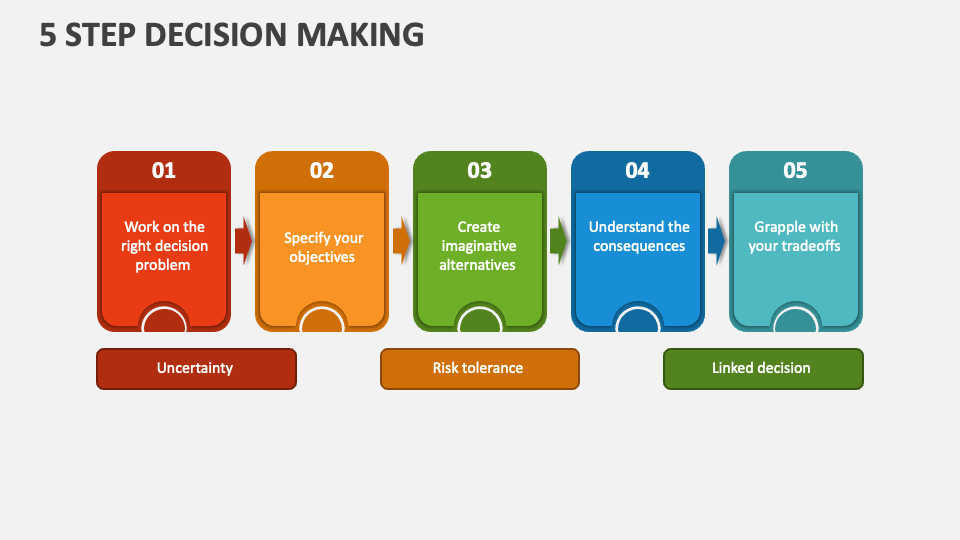
The journey into Greek life involves a structured process designed to help both organizations and potential members find a mutual fit. This process, often referred to as recruitment for fraternities and sororities or intake for some multicultural and professional Greek-letter organizations, is a crucial step in joining a brotherhood or sisterhood. It’s an opportunity to learn about the values, traditions, and active members of various groups.Understanding the stages of this process is key to navigating it successfully.
Each step is designed to facilitate connection and evaluation, ensuring that both parties can make an informed decision. Active members play a vital role in presenting their organization’s best self, while potential new members are encouraged to be engaged and inquisitive.
Stages of the Recruitment and Intake Process
The recruitment and intake process typically unfolds over a defined period, with each stage building upon the last. These stages are carefully orchestrated to allow for increasing levels of interaction and information exchange.
For fraternities and sororities, the process generally includes:
- Information Sessions and Open Houses: These initial events provide a broad overview of the organization, its history, philanthropic efforts, and general expectations. Potential members have the opportunity to meet a large number of active members and get a feel for the group’s atmosphere.
- Chapter Tours and Get-to-Know-You Events: As potential members progress, they engage in more intimate settings, participating in activities designed to showcase the organization’s social life, academic support, and sisterhood/brotherhood bonds. This is a chance for deeper conversations and to understand daily life within the organization.
- Preference Rounds: In this final stage of recruitment, potential members attend events with the organizations they are most interested in. These events are more personal and allow both parties to express their strongest preferences.
- Bid Day: Following the preference rounds, organizations extend formal invitations, or “bids,” to the individuals they wish to offer membership. Potential new members then decide which bid, if any, they will accept.
For some multicultural and professional Greek-letter organizations, the intake process might differ slightly but generally follows a similar trajectory of engagement and evaluation:
- Interest Meetings: These introductory sessions inform potential members about the organization’s mission, vision, and the specific requirements for membership.
- Informational Interviews and Networking Events: Potential members are encouraged to connect with active members individually or in small groups to learn more about the organization’s impact and their personal experiences.
- Application and Evaluation: A formal application process may be involved, followed by interviews or assessments to gauge a candidate’s alignment with the organization’s principles and goals.
- Membership Invitation: Upon successful completion of the intake process, individuals are formally invited to become members.
Roles of Active Members and Potential New Members
During recruitment and intake, both active members and potential new members have distinct yet complementary roles. Their interactions are central to the success of the process.
Active members are tasked with:
- Representing their organization authentically: They showcase the true spirit, values, and activities of their fraternity or sorority.
- Educating potential members: They provide accurate information about the organization’s history, mission, expectations, and opportunities.
- Assessing compatibility: They evaluate whether potential members align with the organization’s values and would contribute positively to the brotherhood/sisterhood.
- Building genuine connections: They strive to create a welcoming environment and foster meaningful conversations.
Potential new members are encouraged to:
- Be engaged and inquisitive: Actively participate in events, ask questions, and show genuine interest.
- Present themselves authentically: Be true to their personalities and values, allowing organizations to see who they are.
- Network and build relationships: Connect with active members to gain insights and understand different perspectives.
- Reflect on their experiences: Consider which organizations align best with their personal values and goals.
Preparing for Interviews and Networking
Effective preparation can significantly enhance your experience during the recruitment and intake process. Networking and interviews are key opportunities to demonstrate your interest and suitability.
To prepare for interviews and networking opportunities, consider the following:
- Research each organization thoroughly: Understand their history, values, philanthropic causes, academic expectations, and current initiatives. This demonstrates your genuine interest and allows for more informed conversations.
- Practice common interview questions: Prepare thoughtful answers to questions about your strengths, weaknesses, goals, and why you are interested in Greek life and a specific organization.
- Develop your “elevator pitch”: Be ready to concisely introduce yourself, highlighting your key qualities and interests.
- Dress professionally and appropriately: Your attire should reflect respect for the organization and the occasion.
- Prepare a list of informed questions: This shows your engagement and desire to learn more.
Asking Informed Questions During Recruitment Events
Asking thoughtful questions is a powerful way to gather information, demonstrate your engagement, and assess the fit between yourself and an organization. It signals that you are a serious candidate who has put thought into the process.
To ask effective and informed questions during recruitment events, focus on:
- Questions about values and mission:
- Questions about member development and support:
- Questions about philanthropy and community involvement:
- Questions about the active member experience:
- Questions about future engagement:
“How does your organization actively uphold its core values in the day-to-day lives of its members?”
“What kind of academic support systems or mentorship programs are in place for new members?”
“Can you share an example of a recent philanthropic event and its impact on the community?”
“What is one aspect of being an active member that has been most rewarding for you personally?”
“How does the organization prepare its members for life after graduation?”
Commitment and Expectations Beyond Membership

Greek life is more than just social events and brotherhood or sisterhood; it involves significant commitments that extend beyond initial membership. Understanding these responsibilities upfront is crucial for making an informed decision about whether Greek affiliation aligns with your personal capacity and priorities. These commitments encompass financial, temporal, academic, and community-oriented aspects, as well as the long-term advantages of an established network.
Financial Obligations
Membership in a Greek organization entails a range of financial responsibilities, which are essential for the chapter’s operational needs and the provision of member benefits. These costs are typically broken down into initial fees and ongoing dues.A comprehensive overview of these financial commitments includes:
- New Member Fees: These are one-time charges incurred upon joining, often covering initiation materials, a portion of the national organization’s fees, and sometimes a welcome package.
- Chapter Dues: Paid per semester or academic year, these funds support various chapter activities, including social events, philanthropic initiatives, educational programs, and operational costs like facility maintenance (if applicable).
- National/International Dues: A portion of your payments goes to the national governing body of the fraternity or sorority, contributing to national programs, leadership development, and organizational oversight.
- House Bills (if applicable): For organizations with chapter houses, members living in or utilizing the house facilities will incur additional costs for rent, utilities, and meals.
- Special Assessments: Occasionally, chapters may levy special assessments for significant projects, such as renovations or fundraising for specific causes.
It is important to note that the exact amounts can vary significantly between different fraternities and sororities, as well as by chapter and location. Prospective members should request a detailed breakdown of all fees and dues from the chapter they are interested in.
Time Commitments
Greek membership demands a considerable investment of time, which is integral to participating fully in the organizational experience and contributing to its success. This time commitment extends across various aspects of chapter life.The expected time investments include:
- Chapter Meetings: Regular meetings, often weekly, are mandatory for members to discuss chapter business, plan events, and receive important updates.
- Pillars of Greek Life: Members are expected to actively participate in activities related to the core pillars of their organization, which typically include scholarship, community service, philanthropy, leadership development, and social engagement.
- Chapter Events: This encompasses a wide array of activities, from social gatherings and formals to philanthropic events, educational workshops, and alumni engagement functions.
- Leadership Roles: Taking on executive board positions or committee chair roles requires a substantial time commitment for planning, execution, and delegation.
- New Member Education: During the new member period, there are often additional structured meetings and activities designed to educate individuals about the organization’s history, values, and expectations.
The time required can fluctuate throughout the academic year, with certain periods demanding more engagement due to major events or recruitment cycles.
Academic Performance and Community Involvement
Greek organizations place a strong emphasis on the holistic development of their members, which includes maintaining high academic standards and contributing positively to the wider community. These expectations are often codified in organizational bylaws and national policies.Key expectations include:
- Academic Standards: Most Greek organizations have a minimum GPA requirement for both initiation and continued membership. Chapters often provide academic support resources, such as study hours, tutoring programs, and academic mentoring, to help members succeed.
- Philanthropic Efforts: A cornerstone of Greek life is giving back. Members are expected to actively participate in and contribute to their chapter’s chosen philanthropies and charitable causes through fundraising events and volunteer work.
- Community Service: Beyond formal philanthropy, many chapters encourage or require members to engage in broader community service activities, fostering a sense of civic responsibility and social awareness.
- Campus Involvement: While Greek life itself is a significant commitment, members are often encouraged to participate in other campus organizations and activities to gain diverse experiences and contribute to the university community.
Upholding these standards demonstrates a member’s dedication to the organization’s values and their commitment to personal growth and societal contribution.
Alumni Network
Upon graduation, members transition into the alumni network, which offers enduring advantages and opportunities for continued connection and support. This network is a significant long-term benefit of Greek affiliation.The potential long-term advantages of the alumni network include:
- Professional Networking: Alumni often provide invaluable career advice, mentorship, and job opportunities. Many Greek organizations have robust alumni databases and host networking events specifically designed to connect current members and recent graduates with established professionals.
- Mentorship: Experienced alumni can serve as mentors, offering guidance on career paths, personal development, and navigating post-graduation life.
- Lifelong Connections: The bonds formed within a Greek organization often translate into lifelong friendships and a strong sense of belonging that extends far beyond college years.
- Continued Engagement: Alumni often remain involved with their chapters through advising, financial support, and participation in alumni events, providing a stable foundation and historical perspective for current members.
- Personal Support System: The alumni network can also serve as a valuable personal support system, offering camaraderie and assistance throughout different stages of life.
This interconnected web of individuals provides a powerful resource for personal and professional advancement, creating a community that supports members throughout their lives.
Navigating Social Dynamics and Personal Growth

Greek life offers a unique environment that can significantly contribute to both your social development and personal growth. Beyond the academic pursuits and social events, the inherent structure and interactions within a fraternity or sorority provide fertile ground for cultivating essential life skills. Understanding how to navigate these dynamics is crucial for maximizing the benefits of your Greek experience.The interconnectedness of a Greek organization fosters a rich tapestry of relationships and opportunities.
It’s a space where you can learn to lead, to be a supportive peer, and to manage the inevitable complexities that arise in any close-knit community. This section will guide you through understanding and actively engaging with these aspects of Greek life.
Fostering Leadership Skills and Personal Development
Membership in a Greek organization provides numerous avenues for developing leadership capabilities and enhancing personal growth. Taking on roles, even in a voluntary capacity, allows members to practice delegation, communication, and problem-solving. These experiences are often stepping stones to greater responsibilities within the chapter and can translate directly to leadership roles in professional and community settings.Greek organizations often have structured leadership development programs, workshops, and mentorship opportunities.
These are designed to equip members with skills such as public speaking, strategic planning, financial management, and team building. Furthermore, the accountability inherent in being part of a group encourages self-awareness and the development of personal discipline.
Building a Supportive Network of Peers
A cornerstone of the Greek life experience is the formation of a strong and supportive network of peers. These bonds, often forged through shared experiences, challenges, and triumphs, can extend far beyond college years. This network provides a sense of belonging and a reliable source of encouragement, advice, and assistance.
“The strength of the pack is the wolf, and the strength of the wolf is the pack.”Rudyard Kipling. This quote aptly describes the mutual reliance and support found within a thriving Greek chapter.
This supportive environment is invaluable for navigating the stresses of academic life, personal challenges, and the transition into adulthood. Members can rely on each other for academic help, emotional support, career advice, and even assistance with post-graduation job searches.
Managing Social Pressures and Maintaining a Balanced Lifestyle
The social aspect of Greek life is undeniable, but it’s essential to manage these pressures effectively to maintain a balanced lifestyle. Greek organizations often involve numerous social events, philanthropic activities, and chapter meetings, which can be demanding on one’s time. Developing strategies to prioritize commitments is key to preventing burnout and ensuring that academic responsibilities are not neglected.Strategies for maintaining balance include:
- Time Management: Utilizing planners, calendars, and to-do lists to allocate time for academics, Greek life responsibilities, social activities, and personal well-being.
- Setting Boundaries: Learning to say “no” to commitments that overextend your capacity or detract from your priorities.
- Prioritizing Self-Care: Ensuring adequate sleep, healthy eating, and regular exercise are non-negotiable components of your routine.
- Open Communication: Discussing time constraints and potential conflicts with chapter leaders and peers can lead to shared understanding and flexibility.
Fostering Positive Relationships and Conflict Resolution
Cultivating positive relationships and effectively resolving conflicts are vital skills that Greek life helps to hone. Living and working closely with a diverse group of individuals inevitably leads to disagreements. Learning to address these constructively is crucial for the health and harmony of the chapter.Approaches to fostering positive relationships and conflict resolution include:
- Active Listening: Truly hearing and understanding the perspectives of others, even when you disagree.
- Empathy: Trying to see situations from another person’s point of view.
- Respectful Communication: Expressing your thoughts and feelings clearly and respectfully, without resorting to personal attacks.
- Mediation: Involving a neutral third party within the chapter or university if a conflict cannot be resolved directly between individuals.
- Focusing on Solutions: Shifting the conversation from blame to finding mutually agreeable solutions.
“The ability to communicate is one of the most important skills you can develop. It’s the foundation of all relationships.”Unknown. This principle is especially relevant within the close confines of a Greek chapter.
By actively engaging in these practices, you can transform potential challenges into opportunities for personal growth and strengthen the bonds within your Greek organization.
Financial Considerations and Budgeting
Embarking on the journey of Greek life involves more than just social engagement and personal development; it also requires careful consideration of the financial commitments involved. Understanding these costs upfront is crucial for making an informed decision and ensuring that participation remains a positive and sustainable experience. This section will break down the typical expenses and provide guidance on budgeting and seeking financial support.Joining a fraternity or sorority is a significant financial undertaking, encompassing initial fees, ongoing dues, and expenses related to social events and chapter activities.
These costs can vary considerably depending on the specific organization, its national affiliation, and the local chapter’s operations. It is imperative for prospective members to have a clear understanding of these financial obligations to avoid unexpected burdens.
Average Costs Associated with Greek Organizations
The financial commitments to Greek organizations can be categorized into initial and recurring expenses. Initial costs typically include new member fees, initiation fees, and sometimes apparel or supplies. Recurring costs, usually paid per semester or academic year, encompass chapter dues, which fund various operational aspects of the organization, including social events, philanthropic initiatives, alumni relations, and administrative overhead. Additional expenses may arise for formals, philanthropy events, and chapter-specific activities.
Below is a general overview of potential costs. It is important to note that these are averages and can fluctuate significantly:
- New Member Fees: These one-time fees cover administrative costs, educational materials, and sometimes initial chapter merchandise. Average range: $100 – $500.
- Initiation Fees: A one-time fee paid upon becoming a full member, often contributing to national organization support and rituals. Average range: $200 – $1000+.
- Chapter Dues: These are recurring fees, typically paid per semester or academic year, funding chapter operations, social events, philanthropy, and alumni engagement. Average range: $500 – $2000+ per academic year.
- Social Event Fees: Costs associated with formals, mixers, date parties, and other social gatherings. These can be a la carte or sometimes included in dues. Average range: $50 – $300+ per event, or a portion within annual dues.
- Philanthropy and Service Event Contributions: While many events are for fundraising, some may involve personal contributions or ticket purchases. Average range: $20 – $100+ per event.
- Apparel and Merchandise: Optional but common purchases for chapter-specific clothing and items. Average range: $50 – $200+.
- Housing Costs (if applicable): For organizations with chapter houses, room and board fees are a significant expense, comparable to university housing. Average range: $5,000 – $10,000+ per academic year.
Sample Budget for Potential New Members
Creating a realistic budget is a vital step for any student considering Greek life. This sample budget Artikels common expenses and provides a framework for tracking your spending. It is highly recommended to adjust these figures based on the specific costs provided by the organizations you are interested in.
Prospective members should meticulously plan their finances to ensure they can comfortably manage these commitments. A well-structured budget allows for proactive saving and helps prevent financial stress throughout the membership period.
| Expense Category | Estimated Cost (Per Academic Year) | Notes |
|---|---|---|
| New Member Fees (one-time) | $300 | Varies by organization; some may be higher. |
| Initiation Fees (one-time) | $500 | Varies significantly; can be a substantial initial cost. |
| Chapter Dues | $1,200 | Covers operational costs, social events, and philanthropy. Paid per semester or year. |
| Social Events (beyond dues) | $400 | Includes formals, date parties, and other optional events. |
| Philanthropy Contributions | $150 | Donations or participation fees for charitable events. |
| Apparel & Merchandise | $200 | Optional but common purchases. |
| Total Estimated Annual Cost (excluding housing) | $2,750 | This is a sample; actual costs will differ. |
Researching Financial Aid and Scholarship Opportunities
Financial barriers should not deter interested students from exploring Greek life. Numerous avenues exist for financial assistance, ranging from organization-specific scholarships to broader academic awards. Proactive research and application are key to accessing these resources.
Many organizations and universities offer financial support mechanisms tailored to Greek life members. Investigating these options can significantly alleviate the financial burden associated with membership.
- National/International Organization Scholarships: Many national Greek letter organizations offer scholarships to their members based on academic merit, leadership, or financial need. Information is typically available on their respective national websites.
- Local Chapter Scholarships: Some individual chapters may establish their own scholarship funds, often supported by alumni donations. Inquire directly with chapter leadership or alumni relations for details.
- University Financial Aid Office: University financial aid offices can provide information on general scholarships and grants that may be applicable to students involved in Greek life, especially those demonstrating leadership or community involvement.
- Greek Life Office/Panhellenic/Interfraternity Council: University Greek life offices or governing councils (Panhellenic Council for sororities, Interfraternity Council for fraternities) often have lists of available scholarships or can direct students to relevant resources.
- External Scholarship Databases: Utilize general scholarship search engines and databases, filtering for criteria related to leadership, extracurricular activities, and community service, which are often hallmarks of Greek life involvement.
Importance of Transparent Financial Communication
Open and honest communication regarding finances is paramount to the health and integrity of any Greek chapter. Prospective and current members have a right to understand where their money is going and how it is being utilized to support the organization’s mission and activities.
Transparent financial practices build trust and accountability within a chapter, ensuring that all members feel informed and respected. It fosters a responsible financial culture that benefits everyone involved.
- Clear Fee Structures: Chapters should provide a detailed breakdown of all fees, including new member fees, initiation fees, and annual dues, explaining what each component covers.
- Budget Accessibility: The chapter’s annual budget should be made accessible to members, allowing them to see how funds are allocated for social events, philanthropy, operations, and other expenditures.
- Regular Financial Reporting: Chapter treasurers should provide regular financial updates to the membership, highlighting income, expenses, and any significant financial decisions.
- Open Q&A Sessions: Opportunities should be created for members to ask questions about the chapter’s finances and receive clear, honest answers from the executive board.
- Adherence to Financial Policies: Chapters must have clear financial policies in place regarding payment deadlines, late fees, and procedures for members facing financial difficulties, ensuring fair and consistent application.
“Financial literacy is not just about managing money; it’s about empowering yourself to make informed decisions that align with your goals and values, especially when it comes to significant commitments like Greek life.”
Academic Performance and Greek Life
Engaging in Greek life is a significant commitment that extends beyond social activities and personal growth. A crucial aspect to consider is how this involvement intersects with your academic pursuits. Many students find that their Greek affiliation can be a powerful catalyst for academic success, while for others, it can present challenges. Understanding this dynamic is key to making an informed decision.Greek organizations often place a strong emphasis on academic achievement, recognizing its foundational importance for their members.
This commitment is typically reflected in established academic standards and robust support systems designed to help students thrive in their studies.
Academic Standards and Support Systems
Most Greek organizations have specific academic requirements that members must meet to maintain good standing. These standards can include minimum GPA requirements, which are often monitored by chapter officers. Beyond these requirements, a variety of support systems are typically in place to foster academic excellence. These often include structured study hours, peer tutoring programs, academic workshops, and access to alumni who can offer guidance and mentorship.
Impact of Greek Affiliation on Academic Pursuits
The influence of Greek life on academic performance can manifest in both positive and challenging ways. On the positive side, the structured environment and the emphasis on shared goals can motivate members to prioritize their studies. The accountability provided by peers and the availability of academic resources can lead to improved grades and a more focused approach to coursework. For instance, many chapters offer incentives for high GPAs or provide study groups for challenging courses.Conversely, the social demands and time commitments associated with Greek life can sometimes detract from academic responsibilities if not managed effectively.
Over-involvement in social events, leadership roles, or chapter activities without proper time management can lead to decreased study time and, consequently, a decline in academic performance. It is essential to be aware of this potential pitfall and proactively address it.
Strategies for Balancing Academic Responsibilities and Greek Life Commitments
Successfully navigating the dual demands of academics and Greek life requires a strategic and disciplined approach. Developing effective time management skills is paramount. This involves creating a realistic schedule that allocates sufficient time for classes, studying, Greek activities, and personal well-being. Prioritizing tasks and learning to say “no” to non-essential commitments are also vital skills. Many successful members utilize planners, digital calendars, and to-do lists to stay organized.
Role of Academic Advisors and Chapter Officers
Academic advisors and chapter officers play a significant role in supporting members’ academic success within Greek organizations. Chapter officers, often responsible for academic affairs, are tasked with monitoring member GPAs, organizing study programs, and ensuring that academic standards are met. They serve as a direct point of contact for members facing academic difficulties and can connect them with appropriate resources.University-appointed academic advisors for Greek life, or advisors assigned to individual chapters, also provide crucial support.
They work to ensure that the academic goals of the organization align with university expectations and can intervene if academic performance within a chapter is consistently declining. These advisors offer guidance on course selection, study strategies, and can help mediate issues between students and their academic departments.
Philanthropy, Service, and Community Impact
Greek organizations are deeply committed to making a positive difference in their communities through dedicated philanthropic efforts and extensive service projects. This commitment is often a cornerstone of their values, providing members with opportunities to contribute to meaningful causes and develop a sense of social responsibility. Engaging in these activities not only benefits the organizations they support but also fosters personal growth and strengthens the bonds within the fraternity or sorority.The philanthropic mission of Greek life extends beyond mere financial contributions.
It encompasses active participation, awareness-building, and the development of long-term relationships with charitable organizations. This section will delve into the various ways Greek organizations engage with philanthropy and service, the impact they strive to achieve, and how potential members can assess an organization’s commitment in this vital area.
Typical Philanthropic Activities and Charitable Causes
Greek organizations typically engage in a wide array of philanthropic activities, often aligning with national or international charitable organizations that resonate with their founding principles or the shared interests of their members. These activities are designed to raise funds, increase awareness, and provide direct support to those in need.
- Fundraising Events: These are a primary method for generating financial support. Events can range from formal galas and auctions to casual sporting tournaments, talent shows, and bake sales.
- Awareness Campaigns: Many organizations dedicate time to educating their members and the wider campus community about specific causes, such as disease prevention, environmental sustainability, or social justice issues.
- Direct Service: This involves members volunteering their time and skills directly to organizations or individuals. Examples include serving meals at soup kitchens, mentoring underprivileged youth, assisting at animal shelters, or participating in environmental clean-up drives.
- Partnerships with National Charities: Most fraternities and sororities have established partnerships with well-known national and international organizations. For instance, Sigma Alpha Epsilon (SAE) often partners with the Children’s Miracle Network Hospitals, while Delta Delta Delta (Tri Delta) supports St. Jude Children’s Research Hospital.
- Local Community Support: Beyond national affiliations, many chapters actively seek out and support local charities and community initiatives, tailoring their efforts to the specific needs of their immediate surroundings.
Examples of Significant Community Service Projects
The collective impact of Greek organizations’ community service efforts is substantial, with countless projects demonstrating their dedication. These initiatives often showcase innovation, leadership, and a genuine desire to serve.For example, Alpha Phi Alpha Fraternity, Inc. has a long-standing commitment to community uplift through its “A Voteless People is a Hopeless People” initiative, focusing on voter registration and civic engagement. Similarly, Kappa Alpha Psi Fraternity, Inc.
engages in numerous service projects through its Guide Right program, which mentors and supports high school students in developing leadership skills and pursuing higher education.Sororities also contribute significantly. Delta Sigma Theta Sorority, Inc. is renowned for its extensive public service programs, including initiatives focused on education, health, and economic development, often manifested through large-scale community events and partnerships. Phi Mu Fraternity has a notable partnership with the Texas Scottish Rite Hospital for Children, where members volunteer and organize events to support the young patients and their families.
These examples highlight the diverse and impactful nature of the service projects undertaken by Greek organizations.
Organizing and Participating in Fundraising Events
The organization and execution of successful fundraising events require careful planning, dedicated teamwork, and effective promotion. Greek organizations leverage these events not only to generate funds but also to build camaraderie among members and engage the broader community.The process typically begins with the selection of a cause or beneficiary, followed by the formation of a dedicated fundraising committee. This committee is responsible for brainstorming event ideas, setting financial goals, and developing a detailed budget.A structured approach to event planning includes:
- Concept Development: Deciding on the type of event, considering its appeal to potential donors and its feasibility for the organization.
- Budgeting: Creating a comprehensive budget that accounts for all anticipated expenses, such as venue rental, catering, entertainment, marketing materials, and permits.
- Logistics: Securing a suitable venue, confirming dates and times, arranging for necessary equipment, and coordinating volunteer schedules.
- Marketing and Promotion: Developing a marketing strategy to reach the target audience, utilizing social media, campus advertisements, email campaigns, and local media outreach.
- Sponsorship Acquisition: Seeking sponsorships from local businesses and corporations to offset costs and increase revenue.
- Execution: Managing the event on the day, ensuring smooth operations, and engaging with attendees.
- Post-Event Analysis: Evaluating the event’s success against financial goals, gathering feedback, and thanking participants and sponsors.
Members are often expected to actively participate by donating, volunteering their time, and encouraging their networks to contribute. The collaborative nature of these events fosters a strong sense of shared purpose and accomplishment.
Plan for Evaluating the Impact of a Greek Organization’s Community Involvement
Evaluating the impact of a Greek organization’s community involvement is crucial for demonstrating accountability, identifying areas for improvement, and ensuring that efforts are genuinely contributing to the causes they support. A comprehensive evaluation plan should consider both quantitative and qualitative measures.A systematic approach to evaluating community impact could include the following steps:
- Define Measurable Objectives: Before initiating any philanthropic or service activity, clearly define specific, measurable, achievable, relevant, and time-bound (SMART) objectives. For example, instead of “raise money,” a goal could be “raise $5,000 for the local animal shelter by the end of the semester.”
- Track Financial Contributions: Maintain meticulous records of all funds raised and donated, including the source of funds (e.g., event proceeds, individual donations, sponsorships) and the recipient organization.
- Quantify Volunteer Hours: Implement a system for tracking the total number of volunteer hours contributed by members to various service projects. This can be done through sign-in sheets, online tracking tools, or self-reporting mechanisms.
- Gather Feedback from Beneficiaries: Actively solicit feedback from the organizations and individuals who receive support. This can be done through surveys, interviews, or informal conversations to understand how the contributions have made a difference.
- Assess Member Engagement and Learning: Evaluate the impact of these activities on members’ personal growth, leadership development, and understanding of social issues. This can be assessed through member surveys, reflection essays, or debriefing sessions after major projects.
- Document Project Outcomes: Beyond financial figures, document the tangible outcomes of service projects. For instance, if the project involved building something, document its completion and usefulness. If it involved an awareness campaign, measure reach and engagement.
- Regular Reporting and Review: Establish a schedule for reviewing evaluation data, typically on a semesterly or annual basis. This review should involve key stakeholders, including chapter leadership and philanthropy chairs, to discuss findings and make informed decisions about future initiatives.
“True impact is measured not just by the dollars raised, but by the lives touched and the positive change fostered.”
By implementing such a plan, a Greek organization can move beyond simply participating in philanthropy to actively measuring and maximizing its positive influence on the community.
Potential Challenges and How to Address Them

Embarking on the journey of Greek life can be an enriching experience, but it’s also important to be aware of potential challenges that may arise. Understanding these hurdles and knowing how to navigate them is crucial for a positive and fulfilling membership. This section will explore common difficulties, effective strategies for addressing them, and the support systems available to help you thrive.Greek organizations, while fostering a strong sense of belonging, can sometimes present unique social and behavioral pressures.
Being prepared for these situations will empower you to make informed decisions and maintain your well-being throughout your Greek life experience.
Common Challenges in Greek Life
Members of Greek organizations may encounter a variety of challenges that can impact their experience. These can range from external pressures to internal organizational dynamics. Recognizing these potential issues is the first step toward effectively managing them.
- Hazing: While many organizations have strict anti-hazing policies, instances can still occur. Hazing involves any activity expected of someone seeking to become a member of a group that humiliates, degrades, abuses, or endangers them, regardless of the person’s willingness to participate. This can include activities that are physically or mentally abusive, or that create undue stress or embarrassment.
- Social Pressures: There can be pressure to conform to certain social norms, attend specific events, or engage in behaviors that may not align with personal values. This can include pressure related to substance use, social media presence, or lifestyle choices.
- Time Management Conflicts: Balancing the demands of Greek life, academics, extracurricular activities, and personal life can be challenging. Overcommitment can lead to stress and affect performance in other areas.
- Interpersonal Conflicts: Like any group, disagreements and conflicts can arise among members. Navigating these requires effective communication and conflict resolution skills.
- Stereotypes and Misconceptions: Greek organizations can sometimes be subject to negative stereotypes, which can create external judgment or internal pressure to prove otherwise.
Identifying and Reporting Inappropriate Behavior
A safe and respectful environment is paramount within any Greek organization. Recognizing and addressing inappropriate behavior, such as hazing or harassment, is a collective responsibility. Understanding the established procedures for reporting ensures that issues are handled promptly and effectively.Institutions and national Greek organizations have specific protocols in place to address misconduct. Familiarizing yourself with these channels is essential for ensuring accountability and maintaining the integrity of the Greek system.
- Recognizing Hazing and Inappropriate Conduct: Be aware of behaviors that violate anti-hazing policies or create a hostile environment. This includes any activity that is humiliating, demeaning, dangerous, or forced. If an activity makes you feel uncomfortable, unsafe, or is conducted in secret, it may be a red flag.
- Internal Reporting Channels: Most organizations have designated officers, such as a President, Vice President, or specific committee members, who are responsible for addressing member concerns. These individuals are often trained to handle sensitive issues.
- University/College Resources: Educational institutions typically have a dedicated office for Greek life or student conduct that serves as a primary point of contact for reporting violations. This office can provide guidance, investigate incidents, and implement disciplinary actions.
- National Organization Headquarters: National and international Greek organizations have their own policies and reporting mechanisms. Contacting their national headquarters can also initiate an investigation and provide support.
- Anonymous Reporting Options: Many universities and national organizations offer anonymous reporting hotlines or online forms. This allows individuals to report concerns without fear of reprisal.
“If you see something, say something. Your voice can protect yourself and others.”
Maintaining Individuality and Personal Boundaries
While Greek life emphasizes unity and shared experiences, it is vital to preserve your sense of self and uphold personal boundaries. This balance allows for genuine connection without compromising your individuality or well-being. Developing strategies to maintain these boundaries is a key aspect of a healthy Greek life experience.Setting and communicating your boundaries clearly, and respecting the boundaries of others, fosters mutual respect and understanding within the organization.
It ensures that membership enriches your life without diminishing who you are.
- Self-Awareness: Understand your personal values, limits, and comfort zones. Regularly check in with yourself about how you are feeling and whether your current activities align with your core beliefs.
- Clear Communication: Articulate your boundaries respectfully but firmly. Whether it’s declining an invitation, expressing discomfort with a situation, or setting limits on your time, clear communication is key.
- Saying “No” Gracefully: It is perfectly acceptable to decline requests or invitations that do not align with your priorities or comfort level. Practice polite but firm refusal.
- Seeking Like-Minded Individuals: Within a larger group, identify individuals who share similar values or who also prioritize maintaining their individuality. Building these connections can provide support and validation.
- Prioritizing Personal Time: Schedule time for yourself to engage in activities you enjoy outside of Greek life, whether it’s hobbies, spending time with family, or simply relaxing.
Campus Resources for Greek Life Support
Navigating the complexities of Greek life is made easier with the support of various campus resources. These offices and individuals are dedicated to ensuring a positive and safe experience for all students involved in Greek organizations. Knowing these resources exist and how to access them can be invaluable.These support systems are designed to assist with academic, social, personal, and disciplinary matters related to Greek life, providing a safety net and guidance throughout your membership.
- Greek Life Office/Student Affairs: This is often the central hub for all Greek life matters. They oversee chapter recognition, enforce policies, and provide programming related to leadership development, risk management, and member education.
- Counseling Services: University counseling centers offer confidential support for a wide range of personal and emotional challenges, including stress, anxiety, relationship issues, and adjustment difficulties that may arise during your Greek life experience.
- Academic Advising and Support Centers: These resources can help you manage your academic workload, improve study skills, and ensure that your Greek life commitments do not negatively impact your grades.
- Office of Student Conduct: If you encounter or witness violations of university or Greek life policies, this office is responsible for investigating and addressing such issues in a fair and impartial manner.
- Resident Advisors (RAs) and Hall Directors: For students living in on-campus housing, RAs and Hall Directors can be a first point of contact for addressing immediate concerns and can help direct you to appropriate campus resources.
Final Review
Ultimately, the decision to join a fraternity or sorority is a deeply personal one, shaped by introspection and a clear understanding of what Greek life entails. By carefully considering the principles, commitments, and potential impacts Artikeld, you can confidently determine if this path will enrich your college experience and contribute positively to your future. We hope this guide has provided the necessary framework for your thoughtful consideration.