Embarking on undergraduate research is a transformative journey that offers invaluable academic and personal growth. This comprehensive guide is designed to illuminate the path for students eager to dive into the exciting world of scholarly inquiry and discovery.
We will explore the fundamental purpose and diverse benefits of undergraduate research, demystify common misconceptions, and identify the crucial skills you’ll acquire. From pinpointing your academic interests and finding the right faculty mentor to preparing compelling applications and navigating your first research experiences, every step will be clearly Artikeld. Furthermore, we will equip you with strategies to excel in your role, overcome potential challenges, and effectively showcase your achievements, paving the way for future academic and career success.
Understanding Undergraduate Research Opportunities

Engaging in undergraduate research is a transformative experience that extends far beyond the classroom, offering students a unique opportunity to delve deeply into a subject matter, contribute to the academic community, and develop invaluable skills. It is a chance to actively participate in the creation of knowledge, working alongside faculty mentors and often with peers, to explore questions that ignite curiosity and address real-world challenges.
This hands-on involvement is a cornerstone of a comprehensive education, preparing students for advanced studies, diverse career paths, and a lifelong commitment to learning.The benefits of undergraduate research are multifaceted and significant. Students gain a profound understanding of their chosen field, moving from theoretical knowledge to practical application. They develop critical thinking, problem-solving, and analytical skills as they design experiments, interpret data, and synthesize information.
Furthermore, research fosters perseverance, communication abilities, and the capacity to work both independently and collaboratively. These experiences are highly regarded by graduate schools and employers, often serving as a key differentiator in competitive application processes.
Types of Undergraduate Research Engagements
Undergraduate research encompasses a broad spectrum of activities, catering to diverse academic disciplines and student interests. These opportunities are not confined to traditional laboratory settings; rather, they span theoretical exploration, fieldwork, creative endeavors, and community-based projects. Understanding these different modalities can help students identify the best fit for their academic goals and personal preferences.The primary categories of undergraduate research include:
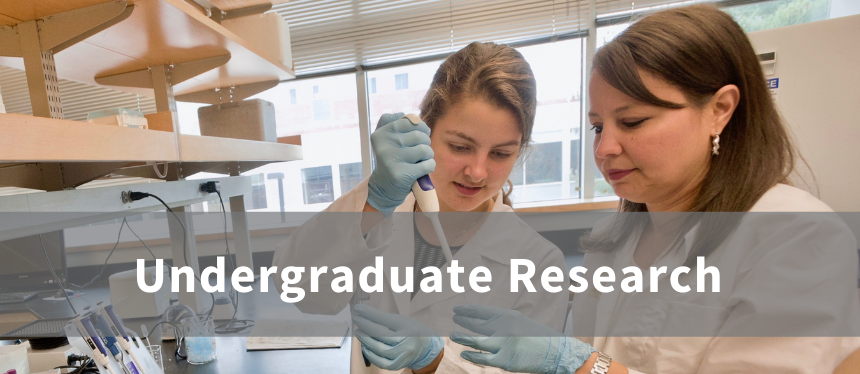
- Lab-Based Research: This involves hands-on work in a laboratory setting, common in STEM fields like biology, chemistry, physics, and engineering. Students might conduct experiments, analyze samples, develop new materials, or test hypotheses using specialized equipment and methodologies. For instance, a biology student might be involved in gene sequencing, while a chemical engineering student could be optimizing a catalytic process.
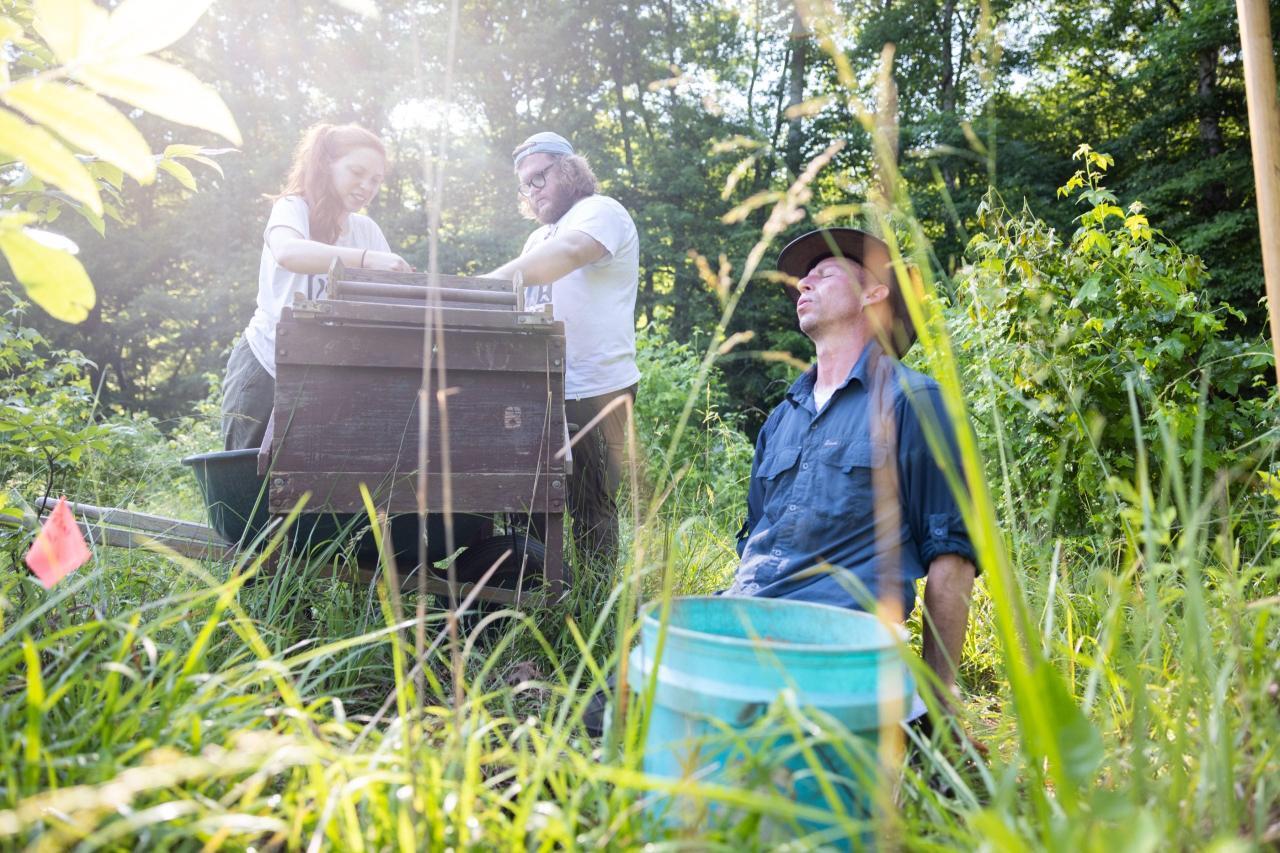
- Field Research: This type of research takes place outside of a traditional lab, often in natural environments or specific communities. It is prevalent in disciplines such as environmental science, geology, anthropology, sociology, and psychology. Examples include ecological surveys in forests, archaeological digs, ethnographic studies in remote villages, or psychological assessments conducted in public spaces.
- Theoretical and Computational Research: This form of research focuses on developing and testing theories, building models, or analyzing data using computational tools and mathematical frameworks. It is prevalent in mathematics, computer science, economics, and theoretical physics. Students might develop algorithms, run simulations, analyze large datasets, or formulate new theoretical constructs. A computer science student, for example, might work on developing a more efficient sorting algorithm, while an economics student could build a model to predict market trends.
- Creative and Performance-Based Research: In arts and humanities, research can manifest as creative projects, performances, or critical analyses that push the boundaries of artistic expression or scholarly interpretation. This could involve composing music, choreographing a dance, writing and directing a play, creating visual art, or developing a critical theory essay that offers a novel perspective on a literary work or historical event.
- Community-Engaged Research: This approach involves collaboration with community partners to address local needs and challenges. Students work with organizations or groups to conduct research that has direct social impact, often in fields like public health, education, urban planning, or social work. A public health student might partner with a local clinic to study health disparities, or an education student could work with a school district to evaluate a new teaching methodology.
Common Misconceptions About Undergraduate Research
Despite the increasing availability and recognition of undergraduate research, several misconceptions can deter students from pursuing these valuable opportunities. Clarifying these misunderstandings is crucial to encouraging broader participation and ensuring students approach research with realistic expectations.Common misconceptions and their clarifications include:
- Misconception: Undergraduate research is only for advanced students or those with prior experience.
Clarification: Many research opportunities are designed specifically for undergraduates, including those with little to no prior experience. Faculty mentors are accustomed to guiding students from the ground up, providing the necessary training and support. Often, introductory research roles serve as a stepping stone to more complex projects.
- Misconception: Research is solely about conducting experiments and collecting data.
Clarification: While experimental work is a significant component of some research, it is not the only form. As discussed earlier, research can be theoretical, computational, creative, or community-focused, involving literature reviews, data analysis, model building, artistic creation, and qualitative studies.
- Misconception: Undergraduate research is a solitary endeavor.
Clarification: While independent work is important, research is often a collaborative process. Students work closely with faculty mentors, graduate students, and fellow undergraduates, fostering a supportive and interactive learning environment. This collaboration is vital for problem-solving and the exchange of ideas.
- Misconception: Research opportunities are scarce and difficult to find.
Clarification: While highly sought-after positions can be competitive, numerous opportunities exist across various departments and institutions. Proactive searching, networking with faculty, and utilizing university resources can significantly increase the chances of finding a suitable placement.
- Misconception: Undergraduate research is only relevant for students planning to pursue a Ph.D.
Clarification: The skills gained through research—critical thinking, problem-solving, data analysis, communication, and project management—are highly transferable and beneficial for a wide range of careers, including those in industry, government, non-profits, and entrepreneurship, as well as for professional degrees like medicine or law.
Key Skills and Knowledge Gained Through Undergraduate Research
Participation in undergraduate research cultivates a robust set of skills and deepens knowledge that are essential for academic and professional success. These experiences go beyond textbook learning, providing practical competencies that are highly valued by both graduate programs and employers.
The primary skills and knowledge areas typically developed through undergraduate research include:
- Critical Thinking and Problem-Solving: Students learn to analyze complex issues, identify underlying problems, and develop innovative solutions. This involves evaluating evidence, questioning assumptions, and approaching challenges with a systematic and analytical mindset.
- Data Analysis and Interpretation: Whether quantitative or qualitative, students develop proficiency in collecting, organizing, analyzing, and interpreting data. This includes understanding statistical methods, using relevant software, and drawing meaningful conclusions from findings. For example, a psychology student might learn to analyze survey data using SPSS, while a biology student might use bioinformatics tools to interpret genomic sequences.
- Research Design and Methodology: Students gain an understanding of how to design research studies, select appropriate methodologies, and execute them effectively. This includes learning about experimental controls, ethical considerations, and the nuances of different research approaches within their field.
- Scientific and Technical Writing: The process of documenting research often involves writing lab reports, literature reviews, conference abstracts, and even manuscripts for publication. This hones students’ ability to communicate complex scientific or scholarly information clearly, concisely, and accurately.
- Communication and Presentation Skills: Presenting research findings at lab meetings, departmental seminars, or undergraduate research conferences is a common requirement. This builds confidence in public speaking, the ability to explain technical concepts to diverse audiences, and the skill of creating effective visual aids.
- Project Management and Time Management: Research projects often have long-term goals and deadlines. Students learn to break down large tasks into manageable steps, prioritize activities, and manage their time effectively to meet project milestones.
- Domain-Specific Knowledge: Beyond general skills, students acquire in-depth knowledge within their specific area of research. This hands-on experience often leads to a more profound and nuanced understanding of the subject matter than can be achieved through coursework alone.
- Teamwork and Collaboration: Working within a research group fosters the ability to collaborate effectively with others, share responsibilities, and contribute to a collective goal. This is crucial for understanding the collaborative nature of modern scientific and scholarly inquiry.
Preparing Your Application and Materials
Successfully securing an undergraduate research opportunity hinges on presenting yourself effectively through your application materials. This stage involves meticulously crafting documents that highlight your qualifications, enthusiasm, and potential to contribute to a research project. It’s an opportunity to showcase your academic achievements, relevant skills, and your genuine interest in the specific research area.
This section will guide you through the essential components of a strong research proposal or application, how to tailor your CV or resume, and tips for writing compelling personal statements. We will also provide a checklist of common documents to help you stay organized.
Essential Components of a Strong Research Proposal or Application
A well-structured research proposal or application demonstrates your understanding of the research process and your ability to articulate a clear plan. It should convince the reviewer that you are a capable and motivated candidate.
A typical research proposal or application includes the following key elements:
- Project Description/Research Question: Clearly state the problem you aim to investigate or the question you intend to answer. This should be specific, focused, and achievable within the scope of an undergraduate project.
- Background and Significance: Provide a brief overview of existing literature or knowledge related to your topic. Explain why this research is important and what contribution it could make to the field.
- Methodology: Detail the specific methods and techniques you plan to use to conduct your research. This demonstrates your understanding of research design and your ability to execute the project.
- Timeline: Artikel a realistic schedule for completing different phases of your research, including data collection, analysis, and reporting.
- Expected Outcomes/Deliverables: Describe what you anticipate the results of your research will be and what tangible outputs you will produce (e.g., a report, presentation, publication).
- Resources Required: List any specific equipment, materials, or software that you will need to carry out your research.
Crafting a Compelling Curriculum Vitae (CV) or Resume for Research Positions
Your CV or resume is often the first impression you make on a potential research mentor. It needs to be concise, well-organized, and highlight experiences and skills most relevant to research. For academic and research-oriented roles, a CV is generally preferred over a resume as it can be more comprehensive.
When tailoring your CV for research positions, consider the following:
- Contact Information: Ensure your name, phone number, email address, and LinkedIn profile (if applicable) are prominently displayed.
- Education: List your academic degrees in reverse chronological order, including the institution, major, GPA (if strong), and expected graduation date. Include any relevant coursework or academic honors.
- Research Experience: This is a critical section. Detail any previous research projects, internships, or volunteer work. For each entry, include:
- The title of the project or your role.
- The name of the institution and the faculty mentor or supervisor.
- The dates of involvement.
- A brief description of your responsibilities and the skills you utilized or developed. Use action verbs and quantify your achievements where possible. For example, instead of “Assisted with experiments,” write “Analyzed data from 50 patient samples using spectroscopy, identifying trends that led to a 10% improvement in data accuracy.”
- Skills: Create a dedicated section for technical skills (e.g., laboratory techniques, software proficiency, programming languages) and soft skills (e.g., critical thinking, problem-solving, communication). Be specific about the tools and methods you are proficient in.
- Publications and Presentations: If you have any publications, conference presentations, or posters, list them here.
- Awards and Honors: Include any academic or research-related accolades.
- Relevant Coursework: You may choose to list advanced or specialized courses that are directly relevant to the research area you are applying for.
It is beneficial to use s from the job description or the research lab’s website to ensure your CV is aligned with their needs.
Writing Effective Personal Statements or Statements of Purpose
A personal statement or statement of purpose is your opportunity to articulate your motivations, aspirations, and suitability for a specific research opportunity. It allows you to connect your academic background and experiences to your research interests and demonstrate your passion.
To write a compelling statement:
- Understand the Prompt: Carefully read and address all aspects of the prompt provided by the program or mentor.
- Show, Don’t Just Tell: Instead of stating that you are passionate about a topic, provide specific examples from your experiences that demonstrate this passion. Discuss how a particular course, research project, or even a personal experience sparked your interest.
- Connect to the Specific Opportunity: Clearly explain why you are interested in
-this particular* research opportunity and
-this particular* lab or mentor. Mention specific projects or publications from their work that resonate with you and explain how your skills and interests align. - Highlight Relevant Skills and Experiences: Draw connections between your past experiences (academic, research, work, volunteer) and the requirements of the research role. Emphasize skills that are transferable and valuable in a research setting, such as analytical thinking, problem-solving, attention to detail, and teamwork.
- Articulate Your Goals: Briefly discuss your short-term and long-term career aspirations and how this research experience will help you achieve them.
- Be Concise and Clear: Adhere to any word limits and ensure your writing is clear, concise, and free of jargon where possible. Proofread meticulously for any grammatical errors or typos.
A strong statement will convey your enthusiasm, intellectual curiosity, and your potential to be a valuable contributor to the research team.
Checklist of Common Documents Required for Undergraduate Research Applications
Being prepared with all necessary documents can streamline the application process and reduce stress. While requirements can vary, the following is a comprehensive checklist of commonly requested items:
Before submitting your application, ensure you have gathered and prepared the following:
- Curriculum Vitae (CV) or Resume: Tailored to highlight research-relevant experiences and skills.
- Personal Statement or Statement of Purpose: Articulating your research interests, motivations, and suitability.
- Academic Transcripts: Official or unofficial copies, depending on the application requirements.
- Letters of Recommendation: Typically from faculty members, supervisors, or mentors who can speak to your academic abilities and research potential.
- Research Proposal (if applicable): A detailed Artikel of your proposed research project.
- Writing Sample (sometimes requested): An example of your academic writing, such as a research paper or essay.
- Proof of Enrollment: Confirmation of your current undergraduate status.
- Application Form: The specific application form provided by the institution or program.
- Contact Information for Recommenders: If letters are to be submitted directly by your recommenders.
Always double-check the specific requirements for each opportunity you apply for, as some may have unique documentation needs.
Gaining Research Experience
Actively seeking and securing a research position is a crucial step in your undergraduate journey. This phase involves proactive engagement with university resources, strategic networking, and leveraging your academic foundation. It’s about transforming your interest into tangible research involvement.The process of gaining research experience is multifaceted, requiring both initiative and a systematic approach. By understanding the available avenues and preparing yourself effectively, you can significantly increase your chances of finding a fulfilling research opportunity.
University Resources for Research Opportunities
Universities offer a wealth of resources designed to connect students with research opportunities. Familiarizing yourself with these platforms is the first step in your active search. These resources often act as central hubs for available positions and provide guidance on the application process.
To effectively utilize university resources, consider the following:
- Departmental Websites: Many academic departments maintain dedicated sections on their websites listing faculty research interests and open positions for undergraduate researchers. Regularly check these pages for updates.
- Research Programs and Centers: Universities often have specific programs, such as undergraduate research fellowships or summer research programs, that are advertised through central university portals or specific research centers.
- Career Services: Your university’s career services office may have listings for research internships or part-time research assistant positions, sometimes in collaboration with external organizations.
- Undergraduate Research Offices: Many institutions have a dedicated office for undergraduate research that can provide guidance, workshops, and a database of available opportunities.
- Listservs and Newsletters: Subscribe to departmental or research-focused listservs and newsletters to receive direct notifications about new openings.
Networking for Research Opportunities
Beyond formal listings, informal networking can be an incredibly effective way to uncover hidden research opportunities. Building connections with individuals actively involved in research can provide insights into projects that may not be publicly advertised and offer valuable mentorship.
Effective networking strategies include:
- Attending Departmental Seminars and Talks: These events are excellent opportunities to learn about current research and to meet faculty, graduate students, and post-doctoral researchers. Prepare a few thoughtful questions to ask after presentations.
- Office Hours: Make a habit of attending your professors’ office hours, even if you don’t have a specific problem with the course material. This is a prime opportunity to express your interest in their research and inquire about potential openings.
- Informational Interviews: Reach out to graduate students or post-doctoral researchers whose work interests you. Request a brief informational interview to learn about their research and how they got involved. Be respectful of their time.
- Conferences and Symposiums: If your university hosts an undergraduate research symposium or if you can attend local academic conferences, these events offer direct exposure to ongoing research and networking possibilities.
- Leveraging Existing Connections: Let your current mentors, advisors, and even friends who are involved in research know that you are seeking opportunities. Word-of-mouth can be powerful.
Leveraging Coursework and Projects
Your academic work provides a solid foundation and demonstrates your aptitude for research. Highlighting relevant coursework and successfully completed projects can make you a more attractive candidate for research positions.
Transforming your academic experience into research capital involves:
- Identifying Relevant Skills: Analyze your coursework for skills that are transferable to research, such as analytical thinking, data analysis, scientific writing, experimental design, or specific laboratory techniques.
- Showcasing Project Work: Projects, especially those with a significant research component, can serve as excellent examples of your capabilities. Be prepared to discuss the methodologies, findings, and challenges of these projects.
- Building a Strong Academic Record: Consistent good grades in relevant courses signal your ability to grasp complex concepts and dedicate yourself to academic rigor.
- Pursuing Advanced or Specialized Courses: Taking courses that delve deeper into areas of research that interest you can provide you with foundational knowledge and demonstrate your commitment.
Navigating Your First Weeks in a Lab or Research Group
Starting your first research experience can feel daunting, but a structured approach can ensure a smooth and productive transition. The initial weeks are critical for understanding the lab’s dynamics, your role, and the project’s objectives.
A step-by-step guide for new researchers:
- Initial Orientation and Introductions:
- Meet your primary supervisor (Professor, Post-doc, or Senior Graduate Student) and understand their expectations for your role and time commitment.
- Get introduced to all lab members. Learn their names, roles, and areas of research.
- Familiarize yourself with the lab’s physical layout, including the location of equipment, supplies, safety equipment, and emergency exits.
- Understanding the Research Project:
- Request and read relevant background literature, including key publications by the lab.
- Ask your supervisor for a clear explanation of the project’s overall goals, hypotheses, and your specific contribution.
- Clarify the immediate tasks and experiments you will be responsible for.
- Safety and Lab Protocols:
- Complete all mandatory safety training for the lab and university.
- Learn and strictly adhere to all lab-specific safety protocols and standard operating procedures (SOPs).
- Understand the proper use and maintenance of all equipment you will be operating.
Safety is paramount in any research setting. Always prioritize understanding and following safety guidelines.
- Documentation and Record Keeping:
- Start a lab notebook immediately. Be meticulous in recording all experiments, observations, data, and any deviations from protocols.
- Learn the lab’s preferred method for data storage and organization.
- Understand the importance of accurate and detailed record-keeping for reproducibility and future reference.
- Developing a Work Plan and Seeking Guidance:
- Work with your supervisor to establish a preliminary work plan for your first few weeks, outlining achievable goals.
- Don’t hesitate to ask questions. It’s better to ask for clarification than to make assumptions that could lead to errors.
- Observe experienced lab members and learn from their techniques and approaches.
- Schedule regular check-ins with your supervisor to discuss progress, challenges, and next steps.
- Building Relationships and Contributing:
- Be proactive in offering assistance to other lab members when appropriate.
- Attend lab meetings regularly and be prepared to present your progress or discuss challenges.
- Show enthusiasm and a willingness to learn. Your attitude significantly impacts your experience and how others perceive your contribution.
Excelling in Your Undergraduate Research Role

Embarking on undergraduate research is a significant step, and excelling in your role is crucial for maximizing the learning experience and contributing meaningfully to your project. This involves developing strong organizational skills, fostering effective teamwork, diligently documenting your progress, and preparing to share your discoveries. Mastering these aspects will not only enhance your current research but also build a strong foundation for future academic and professional endeavors.Successfully navigating the demands of research requires a proactive and systematic approach.
By implementing effective strategies in time management, collaboration, documentation, and presentation, you can ensure your contributions are impactful and your personal growth is substantial.
Time Management and Organization in Research
Effective time management and organization are foundational to success in any research setting. These skills enable you to balance multiple tasks, meet deadlines, and maintain the momentum of your project. Developing a structured approach allows for greater efficiency, reduces stress, and ensures that your research activities are both productive and sustainable throughout your involvement.To manage your time and organize your research effectively, consider the following strategies:
- Create a Detailed Schedule: Break down your research tasks into smaller, manageable components and allocate specific time blocks for each. Utilize calendars, digital planners, or a physical lab notebook to track your commitments and deadlines.
- Prioritize Tasks: Identify urgent and important tasks using methods like the Eisenhower Matrix (Urgent/Important, Important/Not Urgent, Urgent/Not Important, Not Urgent/Not Important). Focus your energy on high-priority items that directly advance your research goals.
- Set Realistic Goals: Define achievable short-term and long-term objectives for your research. Regularly review your progress against these goals and adjust your plans as needed.
- Maintain an Organized Workspace: Keep your physical and digital research environment tidy. This includes organizing lab equipment, reagents, data files, and literature, making it easier to locate necessary resources and reducing time spent searching.
- Minimize Distractions: Identify common distractions in your research environment and develop strategies to mitigate them. This might involve setting dedicated “focus time,” turning off notifications, or communicating your availability to colleagues.
- Regularly Review and Reflect: Dedicate time each week to review your accomplishments, identify any bottlenecks, and plan for the upcoming period. This reflective practice helps in continuous improvement of your workflow.
Collaborating Effectively with a Research Team
Research is often a collaborative effort, and your ability to work effectively with others is paramount. Strong teamwork enhances productivity, fosters a supportive learning environment, and can lead to more innovative outcomes. Open communication, mutual respect, and a shared commitment to the project’s success are key to successful collaboration.Techniques for effective collaboration within a research team include:
- Clear and Open Communication: Actively listen to your team members, share your ideas and progress transparently, and be receptive to feedback. Establish regular team meetings to discuss updates, challenges, and next steps.
- Define Roles and Responsibilities: Ensure that each team member understands their specific tasks and contributions to the project. This clarity prevents overlap and ensures all aspects of the research are covered.
- Respect Diverse Perspectives: Value the unique skills, knowledge, and viewpoints that each team member brings. Different perspectives can lead to creative problem-solving and a more robust research design.
- Offer and Seek Support: Be willing to assist your colleagues when they face difficulties, and do not hesitate to ask for help when you need it. A supportive team environment promotes shared success.
- Conflict Resolution: Address disagreements or conflicts constructively and respectfully. Focus on finding solutions that benefit the research project rather than assigning blame.
- Shared Ownership and Accountability: Foster a sense of collective responsibility for the project’s outcomes. Celebrate team successes together and learn from setbacks as a group.
Documenting Research Progress and Findings Meticulously
Meticulous documentation is the backbone of reliable research. It ensures that your work is reproducible, traceable, and can be clearly understood by yourself and others, both now and in the future. Comprehensive record-keeping is essential for tracking your experiments, analyzing your data, and for the eventual dissemination of your findings.Methods for meticulously documenting research progress and findings include:
- Maintain a Detailed Lab Notebook: This is your primary record of all research activities. Entries should be dated, legible, and include:
- Experimental design and protocols.
- Materials and equipment used, including lot numbers and manufacturers.
- Observations made during experiments, including unexpected results.
- Raw data collected.
- Calculations and preliminary analyses.
- Notes on troubleshooting and modifications to protocols.
- Signatures and dates for each entry.
- Digital Data Management: Organize your digital data systematically. Use clear file naming conventions, create backup copies regularly, and store data in accessible yet secure locations. Consider using spreadsheets for quantitative data and dedicated software for qualitative data analysis.
- Record Keeping for Reagents and Samples: Maintain logs for all reagents, including their preparation, concentration, and expiration dates. Label all samples clearly with unique identifiers and track their storage conditions.
- Literature Review and Annotation: Keep a well-organized collection of relevant scientific literature. Use reference management software (e.g., Zotero, Mendeley) to store, categorize, and cite your sources, and annotate key findings and their relevance to your research.
- Regular Progress Reports: Prepare concise, regular reports summarizing your work, achievements, challenges, and plans for the next period. These reports are invaluable for personal reflection and for updating supervisors or collaborators.
“The details are not the details. They make the design.”
Charles Eames
Presenting Research Findings
Sharing your research findings is a critical component of the scientific process, allowing for the dissemination of knowledge and contributing to the broader scientific community. Effective presentation skills are essential for conveying your work clearly, concisely, and compellingly, whether at a conference, in a publication, or in a departmental seminar.Methods for presenting research findings include:
Conference Presentations
Preparing for a conference presentation involves several key steps to ensure your work is communicated effectively to a diverse audience.
- Poster Presentations: Design visually appealing posters that highlight your research question, methods, key results, and conclusions. Use clear graphics and minimal text. Be prepared to engage in discussions with attendees, explaining your work and answering questions.
- Oral Presentations: Develop a clear and logical narrative for your talk. Rehearse your presentation to ensure it fits within the allotted time and that your delivery is confident and engaging. Use slides that are clean, uncluttered, and visually supportive of your spoken content.
Publications
Publishing your research in peer-reviewed journals is a significant achievement that contributes to the permanent scientific record.
- Manuscript Preparation: Adhere strictly to the author guidelines of the target journal. This includes formatting, citation style, and structure (e.g., Introduction, Methods, Results, Discussion). Ensure all data and analyses are presented clearly and accurately.
- Figures and Tables: Create high-quality figures and tables that effectively illustrate your key findings. Each visual element should be self- with clear captions.
- Writing Style: Maintain a formal, objective, and concise writing style. Clearly articulate your research question, the significance of your work, your methodology, and your conclusions.
- Peer Review Process: Be prepared for the peer review process, which involves receiving feedback from experts in your field. Address reviewer comments constructively and revise your manuscript accordingly.
Overcoming Challenges and Maximizing the Experience
Embarking on undergraduate research is a deeply rewarding journey, yet it is not without its hurdles. Recognizing and proactively addressing potential challenges is key to a successful and enriching research experience. This section aims to equip you with strategies to navigate common obstacles, refine your work through feedback, effectively manage your time, and leverage available resources for continuous growth.Navigating the complexities of research often involves encountering unforeseen difficulties.
These can range from experimental setbacks to interpersonal dynamics. By anticipating these issues and developing a toolkit of solutions, you can transform potential roadblocks into opportunities for learning and resilience.
Common Obstacles and Their Solutions
Undergraduate research can present a variety of challenges that may impact progress and morale. Identifying these common obstacles and understanding effective strategies to overcome them is crucial for maintaining momentum and achieving research goals.
- Experimental or Data Issues: Experiments may not yield expected results, or data collection might encounter technical difficulties. Solutions include consulting with your mentor to troubleshoot, re-evaluating methodologies, seeking advice from senior lab members, and documenting all issues thoroughly to learn from them.
- Understanding Complex Concepts: Research often delves into intricate theories and methodologies. If you find yourself struggling with the theoretical underpinnings, dedicate extra time to reading foundational literature, attending relevant lectures or workshops, and engaging in detailed discussions with your mentor or peers.
- Motivation and Burnout: The sustained effort required for research can sometimes lead to feelings of fatigue or decreased motivation. To combat this, set realistic short-term goals, celebrate small victories, ensure you take regular breaks, and maintain a healthy work-life balance.
- Communication Barriers: Misunderstandings with mentors or collaborators can arise. Proactive and clear communication is vital. Schedule regular check-ins, prepare questions in advance, and practice active listening to ensure everyone is on the same page.
- Resource Limitations: Access to equipment, software, or funding can sometimes be a constraint. Explore alternative methods, collaborate with other labs that might have the necessary resources, or seek out grant opportunities specifically for undergraduate research.
The Importance of Seeking and Incorporating Feedback
Feedback is an indispensable component of the research process, serving as a compass to guide your work towards greater accuracy, clarity, and impact. Actively seeking and thoughtfully incorporating feedback from your mentor and peers not only improves your current project but also cultivates essential critical thinking and revision skills.
Methods for Effective Feedback Incorporation
To maximize the benefit of feedback, it is important to approach it with an open mind and a structured process. This involves understanding the feedback, planning revisions, and reflecting on the learning experience.
- Active Listening and Clarification: When receiving feedback, listen attentively and ask clarifying questions to ensure you fully understand the points being made. Do not hesitate to ask for examples or further explanation if something is unclear.
- Prioritization and Planning: Not all feedback may require immediate or extensive changes. Assess the suggestions and prioritize them based on their significance to the project’s goals and feasibility. Create a plan for how you will implement the suggested revisions.
- Systematic Revision: Implement the changes systematically, keeping track of the revisions made. This can involve annotating your work or maintaining a log of changes and the reasons behind them.
- Follow-up and Discussion: After incorporating the feedback, it can be beneficial to discuss the revisions with the person who provided the feedback. This demonstrates your commitment to improvement and allows for further refinement.
- Self-Reflection: After completing the revisions, take time to reflect on the feedback received and the changes you made. Consider what you learned from the process and how you can apply these lessons to future research endeavors.
Balancing Research Commitments with Other Responsibilities
Successfully managing your time and energy is paramount to thriving as an undergraduate researcher. Juggling research with coursework, extracurricular activities, personal life, and well-being requires strategic planning and effective prioritization.
Strategies for Time Management and Balance
Developing robust time management skills will not only enhance your research productivity but also contribute to a more sustainable and enjoyable academic experience.
- Create a Master Schedule: Use a planner or digital calendar to map out all your commitments, including classes, research hours, study time, meetings, and personal appointments. Visually seeing your schedule helps in identifying potential conflicts and allocating time effectively.
- Prioritize Tasks: Differentiate between urgent and important tasks. Utilize methods like the Eisenhower Matrix to categorize tasks and focus on those that are both important and urgent, or important but not yet urgent.
- Break Down Large Projects: Divide your research project into smaller, manageable tasks. This makes the overall project less daunting and allows for a clearer sense of progress as you complete each sub-task.
- Set Realistic Goals: Avoid overcommitting yourself. Be honest about how much time and energy you can realistically dedicate to research and other activities without compromising your well-being.
- Learn to Say No: It is important to recognize your limits. Politely decline commitments that will overextend you or detract significantly from your core responsibilities.
- Schedule Downtime: Actively schedule time for relaxation, hobbies, social activities, and adequate sleep. This is not a luxury but a necessity for preventing burnout and maintaining productivity.
- Communicate Your Schedule: Inform your mentor and collaborators about your availability and any constraints you may have due to other academic or personal commitments.
Resources for Undergraduate Researchers
A wealth of resources is available to support undergraduate researchers in their academic and professional development. These resources can provide guidance, mentorship, funding opportunities, and skill-building workshops.
Support and Development Resources
Leveraging these resources can significantly enhance your research experience, provide solutions to challenges, and foster your growth as a budding scientist or scholar.
- University Research Offices: Most universities have dedicated offices that support undergraduate research. These offices often provide information on funding, research opportunities, workshops, and mentorship programs.
- Departmental Advisors and Faculty Mentors: Your primary point of contact for research-related guidance is your faculty mentor. Additionally, departmental advisors can offer academic and career advice.
- Writing Centers and Tutoring Services: For assistance with scientific writing, literature reviews, or understanding complex research papers, university writing centers and tutoring services are invaluable.
- Library Resources: University librarians are experts in information retrieval and can help you navigate databases, find relevant literature, and manage citations effectively.
- Professional Organizations: Many academic disciplines have professional organizations that offer student memberships, conferences, and networking opportunities. These can be excellent avenues for learning about cutting-edge research and career paths.
- Online Learning Platforms: Platforms like Coursera, edX, and LinkedIn Learning offer courses on research methodologies, data analysis, scientific communication, and project management that can supplement your learning.
- Peer Mentorship Programs: Connecting with senior undergraduate researchers or graduate students can provide invaluable peer support, practical advice, and shared experiences.
- Career Services: University career services departments can assist with resume building, interview skills, and exploring career paths related to your research interests.
Final Wrap-Up
In conclusion, engaging in undergraduate research is a profoundly enriching experience that extends far beyond the laboratory or library. By following the guidance provided, you are well-equipped to not only find meaningful research opportunities but also to thrive within them, building a strong foundation for your future endeavors. Embrace the challenge, cultivate your curiosity, and make your mark on the world of research.