Embarking on a challenging academic journey with a heavy course load can feel like navigating a complex maze, often leading to feelings of overwhelm. This guide offers a beacon of light, illuminating practical strategies to not only survive but thrive amidst demanding studies, ensuring your academic aspirations don’t come at the cost of your well-being.
We will delve into understanding the inherent pressures of managing multiple subjects, recognizing the subtle yet critical signs of approaching burnout, and equipping you with effective time management techniques, robust prioritization methods, and optimized study skills. Furthermore, we will explore essential self-care practices, the power of support systems, and the importance of adapting your approach to maintain a balanced and productive academic life.
Understanding the Challenge of a Heavy Course Load

Embarking on a semester with a demanding course load can feel like navigating a complex maze, where each turn presents a new academic challenge. This intensity, while often a sign of ambition and a desire for comprehensive learning, can also be a significant source of stress if not managed effectively. Understanding the inherent difficulties is the first step toward developing robust coping mechanisms and ensuring academic success without sacrificing well-being.The sheer volume of material, coupled with the diverse nature of academic disciplines, can create a substantial cognitive load.
Students often find themselves juggling multiple deadlines, intricate assignments, and extensive reading lists, all while trying to absorb and retain new information. This constant pressure to perform across various subjects can lead to feelings of being perpetually behind, even with diligent effort.
Common Stressors in Academic Demands
Managing multiple demanding academic subjects simultaneously introduces a unique set of stressors that can impact a student’s daily life and overall academic experience. These stressors often stem from the perceived lack of time, the perceived difficulty of the material, and the pressure to achieve high marks in each area.
- Time Scarcity: The most prevalent stressor is the feeling of insufficient time to complete all required tasks adequately. This includes attending lectures, completing readings, working on assignments, studying for exams, and participating in extracurricular activities or part-time work. The constant juggling act can lead to a feeling of being perpetually rushed.
- Conflicting Deadlines: When multiple assignments or exams are due around the same time, it creates a significant bottleneck. Students may find themselves having to prioritize one task over another, potentially leading to a decline in the quality of work for less urgent but still important assignments.
- Cognitive Overload: Each course often requires mastering a distinct set of concepts, theories, and methodologies. Assimilating this diverse information across several subjects can be mentally taxing, leading to difficulties in comprehension and retention.
- Performance Pressure: The expectation to excel in every course, coupled with the competitive academic environment, can amplify stress. Students may feel immense pressure to achieve high grades, which can be particularly challenging when facing difficult subject matter or a heavy workload.
- Lack of Sleep and Self-Care: The demands of a heavy course load often encroach upon essential self-care activities, most notably sleep. This can create a vicious cycle where fatigue impairs cognitive function, making it even harder to manage the workload.
Psychological and Physical Symptoms of Academic Burnout
Burnout is a state of emotional, physical, and mental exhaustion caused by excessive and prolonged stress. In an academic context, it manifests as a significant decline in motivation, performance, and overall well-being. Recognizing these symptoms early is crucial for intervention and recovery.
- Emotional Exhaustion: This involves feeling drained, depleted, and unable to cope with academic demands. Students might experience persistent fatigue, a lack of enthusiasm for their studies, and a general sense of apathy. They may feel overwhelmed by even minor tasks.
- Cynicism and Detachment: A common symptom is developing a negative or indifferent attitude towards their coursework, professors, and peers. This can manifest as increased irritability, a feeling of being disconnected from the learning process, and a loss of enjoyment in subjects that were once engaging.
- Reduced Personal Accomplishment: Individuals experiencing burnout often feel a sense of ineffectiveness and a lack of achievement, despite their efforts. They may doubt their abilities and feel that their work is no longer meaningful or impactful. This can lead to decreased self-esteem and confidence.
- Physical Manifestations: Burnout can also present with a range of physical symptoms. These may include persistent headaches, digestive problems, changes in appetite and sleep patterns (insomnia or excessive sleeping), frequent illnesses due to a weakened immune system, and muscle tension or pain.
Recognizing Early Signs of Overwhelm
Proactive identification of early warning signs of overwhelm is key to preventing academic burnout. These subtle indicators, if addressed promptly, can help students adjust their strategies and seek support before reaching a critical point of exhaustion.
- Diminished Interest in Studies: A noticeable decline in enthusiasm for attending classes, completing readings, or engaging with course material is a significant indicator. Subjects that were once interesting may start to feel like tedious chores.
- Increased Procrastination: While occasional procrastination is normal, a consistent pattern of delaying tasks, especially important ones, can signal that the workload feels unmanageable. This is often a response to feeling overwhelmed by the magnitude of the task.
- Difficulty Concentrating: Experiencing persistent problems with focus during lectures, study sessions, or while working on assignments suggests that cognitive resources are strained. This can lead to reduced productivity and increased errors.
- Irritability and Mood Swings: An increase in impatience, frustration, or unexplained mood shifts can be a sign that stress levels are escalating. Small inconveniences might trigger disproportionately strong emotional reactions.
- Neglect of Personal Needs: When students begin to consistently sacrifice sleep, healthy meals, exercise, or social interactions for their studies, it’s a clear sign that they are pushing themselves beyond sustainable limits. This is a critical early warning sign.
- Feeling Constantly Behind: A persistent feeling of being unable to catch up, regardless of the effort put in, indicates that the current pace and volume of work are unsustainable. This can lead to a cycle of anxiety and increased pressure.
Effective Time Management Techniques
Successfully navigating a heavy course load hinges on mastering effective time management. This isn’t just about cramming more into your day; it’s about strategic planning and utilizing tools that enhance focus and productivity. By implementing these techniques, you can ensure that your academic responsibilities are met without sacrificing essential personal well-being.The challenge of a heavy course load often feels overwhelming because it demands a significant portion of your time and mental energy.
Effective time management provides a framework to break down this challenge into manageable components, allowing for consistent progress and reducing the likelihood of feeling swamped. It empowers you to take control of your schedule rather than letting your schedule control you.
Sample Weekly Schedule for a Student Balancing 5 Challenging Courses
Creating a visual representation of your week is a powerful first step. This sample schedule is designed to incorporate dedicated study blocks, crucial breaks, and essential personal time, acknowledging that a balanced life is key to sustained academic performance. It’s a template that can be adapted to individual needs and course demands.
| Time | Monday | Tuesday | Wednesday | Thursday | Friday | Saturday | Sunday |
|---|---|---|---|---|---|---|---|
| 7:00 AM – 8:00 AM | Wake Up, Morning Routine | Wake Up, Morning Routine | Wake Up, Morning Routine | Wake Up, Morning Routine | Wake Up, Morning Routine | Wake Up, Relaxed Morning | Wake Up, Relaxed Morning |
| 8:00 AM – 9:00 AM | Breakfast, Review Notes | Breakfast, Review Notes | Breakfast, Review Notes | Breakfast, Review Notes | Breakfast, Review Notes | Breakfast | Breakfast |
| 9:00 AM – 11:00 AM | Course 1 Study Block (Deep Work) | Course 2 Study Block (Deep Work) | Course 3 Study Block (Deep Work) | Course 4 Study Block (Deep Work) | Course 5 Study Block (Deep Work) | Review/Catch-up Session | Personal Project/Hobby |
| 11:00 AM – 11:15 AM | Short Break | Short Break | Short Break | Short Break | Short Break | Short Break | Short Break |
| 11:15 AM – 1:00 PM | Course 1 Readings/Assignments | Course 2 Readings/Assignments | Course 3 Readings/Assignments | Course 4 Readings/Assignments | Course 5 Readings/Assignments | Study Group/Collaborative Work | Relaxation/Social Activity |
| 1:00 PM – 2:00 PM | Lunch Break | Lunch Break | Lunch Break | Lunch Break | Lunch Break | Lunch | Lunch |
| 2:00 PM – 4:00 PM | Course 2 Study Block (Problem Sets/Practice) | Course 3 Study Block (Problem Sets/Practice) | Course 4 Study Block (Problem Sets/Practice) | Course 5 Study Block (Problem Sets/Practice) | Course 1 Study Block (Review/Preparation) | Errands/Appointments | Prepare for the Week Ahead |
| 4:00 PM – 4:30 PM | Break/Snack | Break/Snack | Break/Snack | Break/Snack | Break/Snack | Break/Snack | Break/Snack |
| 4:30 PM – 6:00 PM | Course 3 Readings/Assignments | Course 4 Readings/Assignments | Course 5 Readings/Assignments | Course 1 Readings/Assignments | Course 2 Readings/Assignments | Exercise/Physical Activity | Family/Social Time |
| 6:00 PM – 7:00 PM | Dinner | Dinner | Dinner | Dinner | Dinner | Dinner | Dinner |
| 7:00 PM – 9:00 PM | Personal Time/Socializing/Extracurriculars | Personal Time/Socializing/Extracurriculars | Personal Time/Socializing/Extracurriculars | Personal Time/Socializing/Extracurriculars | Personal Time/Socializing/Extracurriculars | Relaxation/Entertainment | Relaxation/Entertainment |
| 9:00 PM onwards | Wind Down, Prepare for Bed | Wind Down, Prepare for Bed | Wind Down, Prepare for Bed | Wind Down, Prepare for Bed | Wind Down, Prepare for Bed | Wind Down, Prepare for Bed | Wind Down, Prepare for Bed |
Breaking Down Large Assignments into Smaller, Manageable Tasks
Large assignments, such as research papers, major projects, or extensive problem sets, can be a source of significant stress. The key to tackling them effectively is to decompose them into a series of smaller, actionable steps. This process makes the overall task seem less daunting and allows for measurable progress, fostering a sense of accomplishment along the way.Here is a step-by-step guide to breaking down large assignments:
- Understand the Assignment Requirements: Thoroughly read and comprehend the prompt, rubric, and any specific instructions provided by your instructor. Identify the core objectives and expected outcomes.
- Identify Major Milestones: For a research paper, these might include: topic selection, literature review, Artikel creation, drafting introduction, drafting body paragraphs, drafting conclusion, editing, and final submission. For a project, milestones could be: conceptualization, research, design, prototyping, testing, and final presentation.
- Subdivide Milestones into Smaller Tasks: Each major milestone can be further broken down. For instance, “Literature Review” might involve: identifying s, searching databases, selecting relevant articles, reading and annotating articles, and synthesizing findings.
- Estimate Time for Each Task: Assign a realistic time estimate to each small task. This helps in scheduling and identifying potential bottlenecks. Be generous with your estimates, especially for tasks you are less familiar with.
- Prioritize Tasks: Determine the order in which tasks should be completed, considering dependencies and deadlines. Some tasks might need to be completed before others can begin.
- Schedule Tasks: Integrate these smaller tasks into your weekly schedule. Treat them like appointments you cannot miss.
- Track Progress and Adjust: Regularly review your progress. If a task is taking longer than expected, adjust your schedule accordingly and communicate with your instructor if necessary. Celebrate completing each small task to maintain motivation.
Pros and Cons of Different Planning Tools
The choice of planning tool can significantly impact the effectiveness of your time management strategy. Different tools offer unique advantages and disadvantages, and the best option often depends on individual preferences, learning styles, and the complexity of your schedule. Experimenting with various tools can help you discover what works best for you.Here’s a look at the pros and cons of common planning tools:
- Digital Calendars (e.g., Google Calendar, Outlook Calendar):
- Pros: Highly accessible across devices, easy to set recurring events and reminders, allows for color-coding and sharing, integrates with other digital tools, can sync with alarms.
- Cons: Can be distracting with constant notifications, may feel less tangible than physical planners, requires a device and internet access for full functionality.
- To-Do Lists (Digital or Physical):
- Pros: Simple and straightforward, excellent for tracking daily or weekly tasks, provides a clear overview of what needs to be done, satisfying to check off completed items.
- Cons: Can become overwhelming if the list is too long, may lack the temporal context of a calendar, can be less effective for complex projects without further breakdown.
- Physical Planners (e.g., Agendas, Bullet Journals):
- Pros: Tangible and provides a sense of commitment, allows for creative customization and note-taking, reduces screen time, can be a focused tool without digital distractions.
- Cons: Less portable than digital tools, difficult to edit or reschedule without mess, no automatic reminders or syncing capabilities, can be lost or damaged.
The Pomodoro Technique for Focused Study Sessions
The Pomodoro Technique is a time management method developed by Francesco Cirillo in the late 1980s. It uses a timer to break down work into intervals, traditionally 25 minutes in length, separated by short breaks. This method is particularly effective for tasks that require sustained concentration, such as studying, writing, or coding, as it combats mental fatigue and improves focus.The core principle of the Pomodoro Technique is to work in focused bursts followed by short, restorative breaks.
This structure helps to maintain high levels of concentration and prevent burnout.Here’s how to apply the Pomodoro Technique:
- Choose a Task: Select a specific assignment or study topic to work on.
- Set the Timer: Set your Pomodoro timer (traditionally 25 minutes).
- Work on the Task: Focus intensely on the chosen task until the timer rings. Avoid all distractions during this period.
- Take a Short Break: When the timer rings, take a short break (typically 5 minutes). Use this time to stretch, walk around, or do something unrelated to your work.
- Repeat: After completing four Pomodoros (four work intervals), take a longer break (15-30 minutes).
“The Pomodoro Technique is about working with time, not against it.”
This cyclical approach helps to build momentum and makes it easier to return to your work after a break. The short, frequent breaks are crucial for preventing mental fatigue and maintaining optimal cognitive function throughout your study sessions.
Prioritization and Organization Strategies

Effectively managing a heavy course load hinges on your ability to discern what truly demands your immediate attention and to establish a robust system for keeping your academic resources in order. Without these foundational strategies, even the best time management techniques can falter under the weight of numerous commitments. This section will guide you through developing these crucial skills.When faced with a multitude of academic tasks, each with its own set of requirements and deadlines, it’s essential to have a systematic approach to identify what needs to be done first.
This prevents crucial assignments from slipping through the cracks and ensures that your efforts are directed where they will have the most impact.
Identifying Critical Tasks and Deadlines
Determining the most critical tasks and deadlines requires a clear understanding of your academic calendar and the weight of each assignment. This involves looking beyond just the date on which something is due and considering its significance to your overall grade and learning objectives.A proactive approach involves creating a master list of all assignments, exams, projects, and readings for each course.
This list should include the due date, the estimated time required, and the percentage of your final grade it contributes. Regularly reviewing and updating this list is paramount.
Organizing Course Materials, Notes, and Assignments
A well-organized system for your academic materials is fundamental to efficient study. When you can quickly locate notes, readings, and submitted assignments, you save valuable time and reduce stress. This organization extends to both physical and digital resources.For physical materials, consider using separate binders or folders for each course, clearly labeled with the course name and number. Within each binder, use dividers for lecture notes, readings, assignments, and returned work.
For digital files, create a clear folder structure on your computer or cloud storage, mirroring your course structure, and use consistent naming conventions for all files.
Task Prioritization Using a Matrix
A powerful tool for prioritizing tasks is the Eisenhower Matrix, also known as the Urgent-Important Matrix. This matrix helps you categorize tasks based on their urgency and importance, enabling you to make informed decisions about how to allocate your time and energy.The matrix divides tasks into four quadrants:
- Quadrant 1: Urgent and Important (Do First): These are tasks that require immediate attention and have significant consequences. Examples include an assignment due tomorrow or studying for a test happening today.
- Quadrant 2: Important, but Not Urgent (Schedule): These tasks are crucial for your long-term goals but do not have an immediate deadline. Planning for a major project, reviewing notes for future exams, or engaging in skill-building activities fall into this category. Dedicating time to these tasks proactively prevents them from becoming urgent crises later.
- Quadrant 3: Urgent, but Not Important (Delegate or Minimize): These tasks demand immediate attention but do not contribute significantly to your goals. Interruptions, some emails, or requests that can be handled by others fit here. If possible, delegate these or find ways to complete them quickly without sacrificing more important work.
- Quadrant 4: Not Urgent and Not Important (Eliminate): These are time-wasters that should be avoided. Excessive social media browsing, unnecessary meetings, or activities that do not align with your academic objectives belong here.
This matrix can be visualized as follows:
| Quadrant 1: Urgent & Important | Quadrant 2: Important, Not Urgent |
|---|---|
| Crisis, pressing problems, deadline-driven projects | Prevention, relationship building, new opportunities, recreation, planning |
| Quadrant 3: Urgent, Not Important | Quadrant 4: Not Urgent & Not Important |
| Interruptions, some mail, some reports, some meetings, popular activities | Time wasters, pleasant activities, some mail, some phone calls |
Setting Realistic Academic Goals
Setting achievable academic goals is vital for maintaining momentum and preventing feelings of overwhelm. Goals should be specific, measurable, achievable, relevant, and time-bound (SMART). Breaking down larger tasks into smaller, manageable steps makes them less daunting.For daily goals, focus on completing a set number of readings, reviewing lecture notes from a specific class, or working on a particular section of an assignment.
For weekly goals, aim to complete a chapter of a textbook, draft a portion of a research paper, or prepare for an upcoming quiz.For example, instead of setting a goal to “study for biology,” a more effective daily goal would be: “Read Chapter 5 of the Biology textbook and create flashcards for key terms by 5 PM.” A weekly goal might be: “Complete the Artikel for the History research paper and draft the introduction by Friday evening.” Regularly reflecting on your progress towards these goals allows for adjustments and reinforces a sense of accomplishment.
Study Skills and Learning Optimization

Mastering a heavy course load extends beyond just managing your time; it requires a strategic approach to how you learn and retain information. Optimizing your study habits can significantly enhance your understanding and reduce the feeling of being overwhelmed. This section focuses on scientifically proven techniques and practical adjustments to make your learning more efficient and effective.Effective learning is an active process, not a passive one.
By engaging deeply with the material and reinforcing your understanding over time, you can move beyond rote memorization to genuine comprehension. This leads to better performance and a more sustainable academic experience.
Active Recall and Spaced Repetition
These two techniques are cornerstones of effective learning, directly combating the forgetting curve and solidifying knowledge in your long-term memory. Active recall involves retrieving information from memory without looking at your notes, while spaced repetition involves reviewing material at increasing intervals.Active recall can be implemented through various methods:
- Self-Quizzing: After studying a topic, close your notes and try to answer questions about it. This could be from a textbook, lecture slides, or questions you create yourself.
- Flashcards: Create flashcards with a question or term on one side and the answer or definition on the other. Test yourself regularly.
- Teaching Others: Explaining a concept to a friend or even an imaginary audience forces you to articulate your understanding and identify gaps.
Spaced repetition complements active recall by ensuring that you revisit information just as you are about to forget it. This principle is the basis for many popular study apps.
- Initial Review: Review material shortly after learning it (e.g., within 24 hours).
- Subsequent Reviews: Increase the time between reviews for information you recall well (e.g., after 3 days, then a week, then two weeks, and so on).
- Difficult Concepts: For material you struggle with, reduce the interval between reviews.
The effectiveness of spaced repetition is well-documented; studies show that information reviewed at optimal intervals is retained for much longer periods compared to cramming.
Creating Effective Study Environments
Your surroundings play a crucial role in your ability to concentrate and absorb information. A well-designed study space minimizes distractions and promotes focus, making your study sessions more productive.Consider the following elements when setting up your study environment:
- Minimize Distractions: Identify common distractions (e.g., social media notifications, noisy roommates, clutter) and take steps to eliminate them. This might involve turning off your phone, using website blockers, or finding a quiet location.
- Comfort and Ergonomics: Ensure your chair and desk are comfortable and ergonomically sound to prevent physical discomfort that can hinder concentration. Good lighting is also essential to reduce eye strain.
- Organization: A tidy workspace can lead to a tidier mind. Keep your study materials organized and easily accessible.
- Dedicated Space: If possible, designate a specific area solely for studying. This helps create a mental association between that space and focused work.
Adapting Study Methods to Learning Styles
While the concept of distinct “learning styles” (e.g., visual, auditory, kinesthetic) has been debated in educational psychology, it is undeniable that individuals learn best when information is presented in ways that align with their preferences and strengths. Adapting your study methods can make learning more engaging and effective.Consider how you best process information and incorporate those preferences into your study routine:
- Visual Learners: Benefit from diagrams, charts, mind maps, color-coding notes, and watching educational videos.
- Auditory Learners: Thrive with lectures, discussions, reading notes aloud, using audiobooks, and recording lectures to listen back.
- Reading/Writing Learners: Excel through taking detailed notes, rewriting information, creating Artikels, and reading extensively.
- Kinesthetic Learners: Learn by doing. This can involve hands-on experiments, building models, role-playing concepts, or studying while moving.
The most effective approach often involves incorporating elements from multiple styles to create a multi-sensory learning experience.
Approaching Complex Readings and Lectures
Dense academic texts and lengthy lectures can be daunting. However, with a structured approach, you can break down complex information into manageable parts and maximize your comprehension.For complex readings:
- Preview the Material: Before diving in, read the introduction, conclusion, headings, and subheadings to get an overview of the topic. Look at any figures or tables.
- Active Reading: Engage with the text by highlighting key points, taking notes in the margins, asking questions, and summarizing paragraphs in your own words.
- Break It Down: If a reading is very long, divide it into smaller sections and focus on understanding each section before moving to the next.
- Review and Reflect: After reading, summarize the main arguments and connect them to what you already know.
For lectures:
- Prepare in Advance: If possible, review any assigned readings or lecture Artikels before attending.
- Active Listening: Pay close attention to the lecturer, making eye contact and focusing on the main points.
- Effective Note-Taking: Develop a note-taking system that works for you (e.g., Cornell notes, outlining). Focus on capturing key ideas, examples, and questions.
- Post-Lecture Review: Review your notes soon after the lecture, fill in any gaps, and clarify any confusing points. Compare your notes with a classmate’s if possible.
When encountering particularly challenging concepts, don’t hesitate to seek clarification from your professor or teaching assistant.
Maintaining Well-being and Preventing Burnout
Successfully navigating a heavy course load requires a proactive approach to personal well-being. It’s not just about academic strategies; it’s equally crucial to prioritize your physical and mental health to sustain energy, focus, and resilience. Integrating self-care practices into your routine is essential to prevent the overwhelming feeling of burnout.
This section will explore practical strategies for maintaining your well-being amidst academic demands, focusing on self-care, boundary setting, stress relief, and the power of mindfulness.
Essential Self-Care Practices
Prioritizing physical health forms the bedrock of managing stress and maintaining cognitive function. Consistent engagement in self-care activities ensures your body and mind are well-equipped to handle the rigors of a demanding academic schedule.
- Exercise: Regular physical activity, even moderate activities like brisk walking for 30 minutes most days of the week, can significantly reduce stress hormones like cortisol. It also releases endorphins, which have mood-boosting effects and improve sleep quality. Consider incorporating activities you enjoy, such as jogging, swimming, cycling, or dancing, to make it a sustainable habit.
- Healthy Eating: A balanced diet fuels your brain and body. Focus on whole foods, including fruits, vegetables, lean proteins, and whole grains, which provide sustained energy and essential nutrients. Limit processed foods, excessive sugar, and caffeine, as these can lead to energy crashes and exacerbate feelings of anxiety. Staying hydrated by drinking plenty of water throughout the day is also vital for optimal cognitive function.
- Sufficient Sleep: Quality sleep is non-negotiable for academic success and overall health. Aim for 7-9 hours of uninterrupted sleep per night. Establishing a consistent sleep schedule, creating a relaxing bedtime routine, and ensuring your sleep environment is dark, quiet, and cool can significantly improve sleep quality. Sleep deprivation impairs concentration, memory, and problem-solving abilities.
Setting Boundaries Between Academic Work and Personal Life
Establishing clear boundaries is fundamental to preventing academic work from encroaching on your personal time, which is crucial for rest, rejuvenation, and maintaining a sense of balance. Without these boundaries, it’s easy to feel constantly “on” and overwhelmed.
- Designated Study Times and Spaces: Allocate specific blocks of time for studying and adhere to them as much as possible. Similarly, identify a dedicated study space that is free from distractions. When you are outside of these designated times and spaces, consciously disengage from academic tasks.
- Scheduled Breaks and Downtime: Intentionally schedule breaks throughout your study sessions and ensure you have periods of complete downtime each day and week. This downtime should be reserved for activities that help you relax and recharge, completely unrelated to your studies.
- Communicating Your Needs: It’s important to communicate your study schedule and needs to friends, family, and roommates. This helps manage expectations and can prevent interruptions during your dedicated study periods. Likewise, be assertive in declining commitments that would overextend you during peak academic times.
- Digital Boundaries: Limit checking academic emails or engaging with course-related platforms outside of your designated study hours. Consider turning off notifications or using “do not disturb” modes on your devices during personal time.
Stress-Relief Activities During Study Breaks
Incorporating short, rejuvenating activities during study breaks can significantly improve focus and reduce accumulated stress. These moments are not a waste of time; rather, they are strategic pauses that enhance productivity and prevent mental fatigue.
- Physical Movement: A short walk outdoors, stretching exercises, or a quick yoga session can release tension and boost circulation, bringing fresh oxygen to your brain.
- Mindful Breathing Exercises: Simple deep breathing techniques can calm the nervous system. For example, inhale deeply through your nose for a count of four, hold for four, and exhale slowly through your mouth for a count of six.
- Engaging in Hobbies: Spending 15-20 minutes on a quick hobby, such as listening to a favorite song, drawing, playing a musical instrument, or engaging in a brief conversation with a friend, can provide a mental reset.
- Short Meditation or Mindfulness Practice: Even a few minutes of focused meditation can help clear your mind and reduce feelings of overwhelm.
- Spending Time in Nature: If accessible, stepping outside for a few minutes to observe nature can be incredibly restorative.
Benefits of Mindfulness and Meditation for Managing Academic Pressure
Mindfulness and meditation are powerful tools for cultivating a calmer and more focused mind, which is invaluable when facing the pressures of a heavy course load. These practices help you become more aware of your thoughts and emotions without judgment, enabling you to respond to challenges more effectively.
- Reduced Stress and Anxiety: Regular meditation has been shown to lower cortisol levels, the body’s primary stress hormone. By training your mind to focus on the present moment, you can detach from worrying thoughts about the past or future, thereby alleviating anxiety.
- Improved Focus and Concentration: Mindfulness practices enhance your ability to direct and sustain attention. This is particularly beneficial for studying, as it allows you to absorb information more effectively and resist distractions.
- Enhanced Emotional Regulation: Through mindfulness, you develop a greater understanding of your emotional responses. This allows you to manage feelings of frustration, disappointment, or overwhelm more constructively, preventing them from derailing your academic progress.
- Increased Self-Awareness: Understanding your own thought patterns and triggers for stress can help you identify when you are approaching burnout. This awareness empowers you to make necessary adjustments to your routine or seek support.
- Greater Resilience: By practicing mindfulness, you build mental resilience, enabling you to bounce back more effectively from academic setbacks or challenging periods. You learn to approach difficulties with a more balanced perspective.
For instance, a student who consistently practices a 10-minute guided meditation daily might find that during exam periods, they experience less racing thoughts and are better able to recall information. Similarly, a student who incorporates short mindfulness exercises before starting a long study session can often achieve a state of focused calm more quickly.
Seeking and Utilizing Support Systems
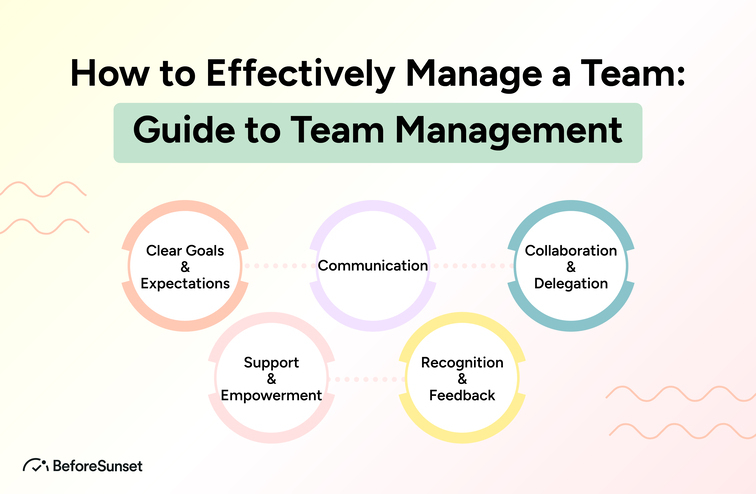
Navigating a heavy course load can feel overwhelming at times, but remember that you are not alone. Universities and educational institutions offer a robust network of support systems designed to assist students in their academic journey and overall well-being. Proactively engaging with these resources can significantly ease the burden and contribute to your success.A comprehensive approach to managing academic challenges involves identifying and leveraging the various forms of support available.
These resources are staffed by professionals and peers who are experienced in helping students overcome obstacles, from understanding complex course material to managing stress.
Academic Support Services
Educational institutions provide a range of dedicated services to bolster academic performance. These resources are designed to offer targeted assistance, helping students grasp difficult concepts and develop effective learning strategies.
- Tutoring Services: Many universities offer free or low-cost tutoring for various subjects. Tutors are often high-achieving students who can explain course material, provide practice problems, and offer study tips.
- Academic Advisors: Academic advisors are invaluable resources for course planning, degree requirements, and understanding academic policies. They can also help you identify potential academic challenges and develop strategies to address them.
- Writing Centers: These centers provide assistance with all stages of the writing process, from brainstorming and outlining to revising and editing. They can help improve clarity, structure, and argumentation in your written assignments.
- Learning Resource Centers: These centers often offer workshops on study skills, time management, test preparation, and other academic success strategies.
Communicating Academic Challenges
Open and honest communication with your instructors and teaching assistants (TAs) is crucial when you encounter academic difficulties. They are there to support your learning and can often provide accommodations or additional guidance.To effectively communicate your challenges:
- Be Proactive: Reach out as soon as you realize you are struggling, rather than waiting until the situation becomes critical.
- Be Specific: Clearly articulate the specific concepts or assignments you are finding difficult. Vague statements like “I don’t understand” are less helpful than “I am having trouble with the concept of photosynthesis in Chapter 5.”
- Be Prepared: Before meeting with an instructor or TA, review the relevant material and formulate specific questions. This shows you have made an effort to understand the material yourself.
- Be Respectful of Their Time: Schedule appointments during their office hours or send emails with clear subject lines and concise messages.
- Be Open to Solutions: Be receptive to the advice and suggestions provided by your instructors or TAs.
For example, if you are consistently struggling with a particular type of problem on homework assignments, you might say, “Professor, I’ve noticed I’m consistently making errors on the integration problems in the last two problem sets. Could you suggest additional practice resources or clarify the steps involved in solving these types of integrals?”
Peer Support and Collaborative Learning
The value of learning from and with your peers cannot be overstated. Collaborative study environments can foster a deeper understanding of the material and provide a sense of community.Forming collaborative study partnerships can offer significant benefits:
- Shared Understanding: Explaining concepts to others solidifies your own understanding. Conversely, hearing different perspectives can illuminate areas you may have overlooked.
- Motivation and Accountability: Studying with peers can increase motivation and create a sense of accountability for keeping up with coursework.
- Problem-Solving: Group discussions can lead to creative solutions to challenging problems that an individual might not have considered.
- Reduced Isolation: Sharing the experience of a heavy course load with classmates can reduce feelings of isolation and stress.
When forming study partnerships, aim for individuals who are committed to learning and have a similar work ethic. Regularly scheduled meetings and clear objectives for each session can maximize their effectiveness.
Mental Health and Well-being Resources
Managing a heavy course load can take a toll on your mental health. Recognizing when you need support and knowing how to access it is a critical aspect of preventing burnout.Strategies for accessing mental health resources include:
- University Counseling Services: Most universities offer free or low-cost confidential counseling services. These services are staffed by licensed mental health professionals who can help you manage stress, anxiety, depression, and other mental health concerns.
- Student Health Centers: Beyond physical health, student health centers often have mental health practitioners or can provide referrals to external specialists.
- Workshops and Support Groups: Many universities host workshops on stress management, mindfulness, and resilience, as well as support groups for specific issues.
- Resident Advisors (RAs) or Dorm Staff: If you live on campus, your RA or other dorm staff can be a first point of contact for support and referrals.
It is important to normalize seeking help for mental health, just as you would for a physical ailment. If you are experiencing persistent feelings of sadness, overwhelming anxiety, or difficulty functioning, reaching out to a mental health professional is a sign of strength. For instance, if you find yourself consistently losing sleep due to academic stress, a counselor can help you develop coping mechanisms and time management strategies that prioritize your well-being.
Adapting and Adjusting Strategies
Effectively managing a heavy course load is not a static process; it requires continuous evaluation and adaptation. As you progress through your academic term, course demands can shift, your personal energy levels may fluctuate, and unforeseen challenges can arise. Therefore, a proactive approach to reviewing and refining your strategies is crucial for sustained success and preventing burnout. This involves a commitment to self-assessment and a willingness to pivot when necessary.The academic journey is dynamic, and so too should be your approach to navigating it.
What works perfectly at the beginning of a semester might become less effective as assignments pile up or the difficulty of material increases. Recognizing this, and building in mechanisms for regular review and adjustment, transforms your management plan from a rigid structure into a flexible, responsive system that supports your ongoing efforts.
Reviewing and Adjusting Plans
Regularly assessing your time management and study plans is essential for ensuring they remain effective and aligned with your evolving academic responsibilities. This process allows you to identify what is contributing to your progress and what might be hindering it, enabling you to make informed adjustments.A structured approach to review can be implemented through weekly or bi-weekly check-ins. During these sessions, consider the following:
- Task Completion Rate: Evaluate how many of your planned tasks for the week were actually completed. Identify any recurring patterns of tasks that are consistently being pushed back.
- Time Allocation Accuracy: Compare the time you allocated for specific study sessions or assignments with the actual time spent. Were your estimates realistic?
- Energy Levels and Productivity Peaks: Note when you felt most productive and when you experienced significant dips in energy. This can inform future scheduling.
- Understanding of Material: Reflect on your comprehension of the course content. Are there specific subjects or topics that require more study time than initially anticipated?
- Flexibility of Schedule: Assess how well your current plan accommodates unexpected events or urgent tasks.
Based on this review, you can then adjust your future plans. This might involve reallocating time for certain subjects, breaking down larger tasks into smaller, more manageable steps, or scheduling study sessions during your peak productivity hours. For instance, if you consistently underestimate the time needed for complex problem sets in your physics course, you would adjust your future schedule to allocate an additional hour for these tasks, perhaps breaking them into two shorter sessions to maintain focus.
Assessing Current Approach Effectiveness
To determine whether your current methods for managing a heavy course load are effective, a systematic evaluation framework is beneficial. This framework helps you pinpoint areas of strength and weakness in your strategy, guiding you towards necessary modifications.Consider a simple self-assessment checklist or a reflective journal. For each of your current strategies, ask yourself the following questions:
- Does this strategy help me meet deadlines? If not, why? Is it a matter of underestimation, procrastination, or an inefficient process?
- Does this strategy improve my understanding of the material? Or is it merely about completing tasks without deep learning?
- Does this strategy contribute to my overall well-being? Am I feeling excessively stressed or exhausted due to this approach?
- Is this strategy sustainable in the long term? Can I maintain this level of effort and organization throughout the semester?
- Does this strategy allow for flexibility? Can I easily adapt it if my workload or priorities change unexpectedly?
By honestly answering these questions, you can gain clarity on which tactics are serving you well and which are not. For example, if your strategy of studying late into the night is consistently leading to fatigue and reduced comprehension the next day, it’s clear that this approach is not effective for long-term academic success or well-being.
Importance of Flexibility and Resilience
Flexibility and resilience are paramount qualities when navigating the inherent challenges of a heavy course load. Academic life is rarely a smooth, predictable path; setbacks, unexpected difficulties, and shifts in course demands are common. Embracing flexibility allows you to adapt your plans and strategies as circumstances change, while resilience enables you to bounce back from these setbacks and continue moving forward.A rigid adherence to an initial plan, without the capacity to adapt, can lead to significant stress and a feeling of being overwhelmed when obstacles arise.
For instance, if you have meticulously planned a study schedule and then a professor unexpectedly assigns a major project due earlier than anticipated, a flexible student will be able to re-prioritize and adjust their study time accordingly. Conversely, a less flexible student might experience significant anxiety and disorganization.Resilience, on the other hand, is the ability to learn from challenges. If a particular study method proves ineffective, or if you receive a disappointing grade on an assignment, resilience means not dwelling on the negative but instead analyzing what went wrong and developing a new, improved approach.
This mindset fosters continuous learning and prevents minor setbacks from derailing your entire academic journey.
Proactively Identifying Roadblocks and Developing Contingency Plans
Anticipating potential obstacles and preparing for them is a critical component of effective course load management. By proactively identifying potential roadblocks, you can develop contingency plans that minimize disruption and stress when these challenges inevitably arise.To identify potential roadblocks, consider the nature of your courses, your own study habits, and external factors that might impact your academic performance. Common roadblocks include:
- Unforeseen increases in workload: Additional assignments, group projects, or exam schedules that change unexpectedly.
- Difficulty with specific course material: Struggling to grasp complex concepts, which may require more study time or additional help.
- Personal or health-related issues: Illness, family emergencies, or personal crises that impact your ability to focus and study.
- Technical difficulties: Problems with online learning platforms, software, or internet connectivity.
- Time conflicts: Overlapping deadlines or commitments that cannot be easily rescheduled.
Once potential roadblocks are identified, you can develop contingency plans. For example:
- For increased workload: Create a tiered system of priorities. If an unexpected assignment arises, identify which existing tasks can be temporarily de-emphasized or postponed without significant consequence. Build buffer time into your schedule to accommodate such events.
- For difficulty with material: Schedule regular meetings with professors or teaching assistants early in the semester, rather than waiting until you are completely lost. Identify supplementary resources like online tutorials or study groups.
- For personal/health issues: Familiarize yourself with university policies regarding extensions and medical leave. Have contact information for university support services readily available.
- For technical difficulties: Ensure you have backup options for internet access and know who to contact for technical support for your learning platforms.
- For time conflicts: Develop a template email to politely request extensions or to inform instructors of unavoidable conflicts, providing advance notice.
“Foresight is the art of anticipating the future and preparing for it.”
By proactively thinking about what could go wrong and having a plan in place, you significantly increase your capacity to manage a heavy course load successfully and maintain your well-being.
Closing Notes
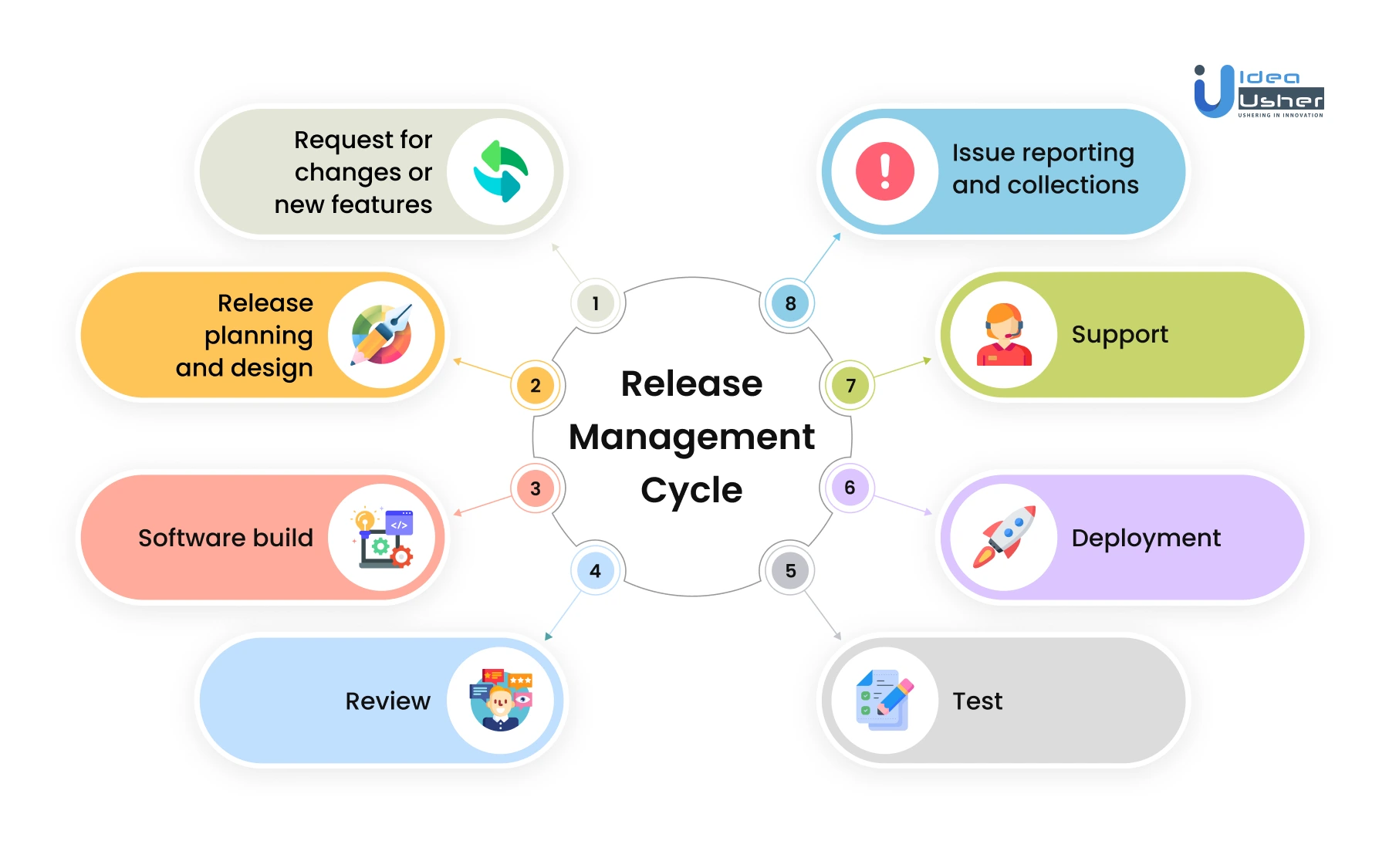
Successfully managing a heavy course load is an art that blends diligent planning with mindful self-care. By implementing the strategies discussed, from mastering time management and prioritization to leveraging support networks and staying attuned to your well-being, you can navigate your academic challenges with confidence and resilience. Remember, academic success and personal health are not mutually exclusive; they are interconnected pillars of a fulfilling educational experience.