How to Manage Your Time Effectively as a Student is a journey into mastering your academic and personal life with precision and purpose. This guide is designed to equip you with the essential tools and strategies needed to navigate the demands of student life, ensuring that every hour is utilized to its fullest potential.
We will delve into understanding your current habits, setting achievable goals, and implementing robust planning techniques. Furthermore, we’ll explore methods to minimize distractions, enhance your study efficiency, and strike a healthy balance between your academic responsibilities and personal well-being, all while providing practical solutions for common challenges.
Setting Realistic Goals and Priorities
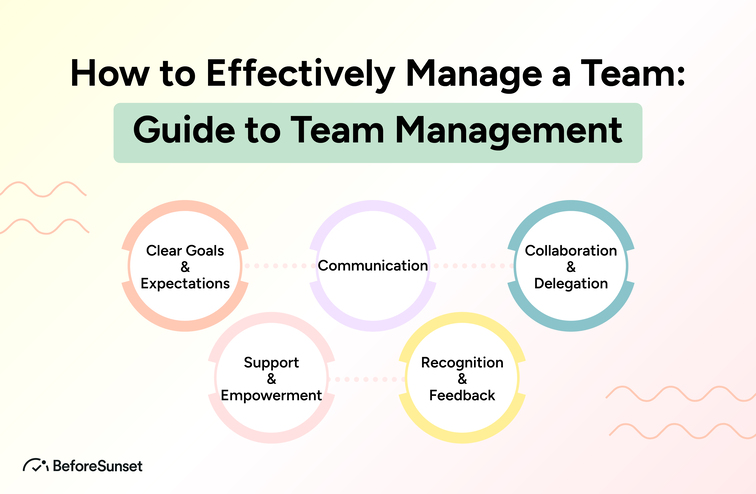
Effective time management for students hinges on the ability to set clear, achievable goals and to meticulously prioritize tasks. This foundation ensures that study efforts are directed towards what matters most, preventing overwhelm and maximizing academic success. By establishing a structured approach to goal setting and prioritization, students can navigate their academic journey with greater confidence and efficiency.The process of setting effective goals is crucial for academic achievement.
It provides direction, motivation, and a clear benchmark for progress. When goals are well-defined and realistic, students are better equipped to allocate their time and resources strategically, leading to improved learning outcomes and reduced stress.
The SMART Goal-Setting Framework
The SMART framework is a widely recognized and highly effective method for defining and achieving goals, particularly within an academic context. It provides a structured approach to ensure that goals are not only aspirational but also actionable and measurable. Applying this framework to academic tasks can transform vague intentions into concrete objectives.The acronym SMART stands for:
- Specific: Clearly define what needs to be accomplished. Instead of “study more,” a specific goal would be “review lecture notes for the upcoming biology exam.”
- Measurable: Establish criteria to track progress and determine when the goal is achieved. For example, “complete all practice problems for the calculus chapter.”
- Achievable: Set goals that are realistic given your current resources, time, and abilities. A goal like “master quantum physics in one week” might be unrealistic for most students.
- Relevant: Ensure the goal aligns with your broader academic objectives and personal aspirations. Studying for a required course is relevant to your degree.
- Time-bound: Assign a specific deadline to the goal to create a sense of urgency and prevent procrastination. For instance, “finish drafting the history essay by Friday evening.”
“A goal without a plan is just a wish.”
Antoine de Saint-Exupéry
Strategies for Prioritizing Assignments and Study Sessions
Prioritization is the art of determining the order in which tasks should be completed. For students, this involves a careful assessment of deadlines, the weight of assignments, and the complexity of the material. Effective prioritization ensures that urgent and important tasks receive the necessary attention, preventing last-minute rushes and potential academic setbacks.When faced with multiple academic demands, a systematic approach to prioritization is essential.
This involves understanding the impact of each task on your overall academic standing and allocating your time accordingly. It’s not just about completing tasks, but about completing the
- right* tasks at the
- right* time.
Key strategies for prioritizing include:
- Deadline-Driven Prioritization: Tasks with the nearest deadlines naturally take precedence. However, it’s important to look beyond just the immediate deadline and consider the effort required.
- Importance-Based Prioritization: Some assignments or study sessions may carry more weight in your final grade or are foundational to understanding future material. These should be given higher priority, even if their deadlines are further away.
- Task Complexity Assessment: Consider how long a task will take and how much mental energy it requires. It might be beneficial to tackle complex tasks when you are most alert and focused.
- Interdependency Analysis: Recognize if one task must be completed before another can begin. For example, completing research for a paper is a prerequisite for writing it.
Breaking Down Large Projects into Manageable Tasks
Large academic projects, such as research papers, dissertations, or extensive lab reports, can often feel overwhelming. The key to successfully tackling these daunting tasks is to break them down into smaller, more digestible sub-tasks. This approach not only makes the project seem less intimidating but also allows for more consistent progress and easier tracking of achievements.A step-by-step procedure for deconstructing large projects is as follows:
- Identify the End Goal: Clearly understand the final deliverable and all its requirements.
- Brainstorm Major Milestones: Think about the significant stages involved in completing the project. For a research paper, these might include topic selection, research, outlining, drafting, revising, and proofreading.
- Deconstruct Milestones into Smaller Tasks: For each major milestone, list all the individual actions needed to achieve it. For example, under “Research,” sub-tasks could be “identify s,” “search academic databases,” “read and summarize five key articles,” and “take notes on relevant findings.”
- Estimate Time for Each Task: Assign a realistic time estimate to each small task. This helps in scheduling and identifying potential bottlenecks.
- Sequence the Tasks: Determine the logical order in which the tasks must be completed, considering any dependencies.
- Schedule the Tasks: Integrate these smaller tasks into your weekly or daily schedule, assigning specific times for their completion.
Visualizing Priorities with a Matrix
A visual system for representing priorities can significantly enhance a student’s understanding of their workload and help in making informed decisions about time allocation. One of the most effective tools for this is a priority matrix, often referred to as the Eisenhower Matrix. This method categorizes tasks based on their urgency and importance, providing a clear roadmap for action.The matrix is typically divided into four quadrants, each representing a different category of tasks:
| Quadrant 1: Urgent & Important | Quadrant 2: Important, Not Urgent |
|---|---|
| These are critical tasks that require immediate attention. Examples include impending deadlines for major assignments, exam preparation for an upcoming test, or responding to urgent academic inquiries. These tasks should be done first. | These tasks are crucial for long-term success but do not have immediate deadlines. Examples include planning future study sessions, in-depth reading for upcoming modules, developing skills, or building relationships with professors. These tasks should be scheduled. |
| Quadrant 3: Urgent, Not Important | Quadrant 4: Not Urgent, Not Important |
| These tasks demand immediate attention but do not significantly contribute to your academic goals. They are often distractions. Examples include responding to non-essential emails or messages, attending unnecessary meetings, or dealing with minor interruptions. These tasks should be delegated if possible, or minimized. | These tasks are neither urgent nor important and are often time-wasters. Examples include excessive social media browsing, unproductive scrolling, or engaging in trivial activities. These tasks should be eliminated. |
By plotting tasks within this matrix, students can gain a clear perspective on where their time is best spent, distinguishing between what needs immediate action, what requires proactive planning, and what can be deferred or disregarded. This visual aid transforms abstract priorities into a concrete action plan.
Effective Planning and Scheduling Techniques

Mastering your academic journey as a student hinges on your ability to plan and schedule your time effectively. This section delves into practical techniques that transform your intentions into actionable steps, ensuring you allocate sufficient time for coursework, personal well-being, and other commitments. By adopting structured planning methods, you can reduce stress, improve focus, and achieve a better balance between your studies and your life outside the classroom.The foundation of effective time management lies in having a clear overview of your commitments and deadlines.
This is where tools like planners and digital calendars become indispensable. They serve as your central hub for all academic and personal activities, providing a visual representation of your schedule and helping you stay organized.
Benefits of Using a Planner or Digital Calendar
A well-utilized planner or digital calendar offers numerous advantages for students, acting as a proactive tool to manage academic responsibilities and personal life. These tools go beyond simple date tracking; they facilitate strategic planning, reduce the likelihood of missed deadlines, and promote a sense of control over one’s schedule.
- Enhanced Organization: Consolidates all assignments, exams, appointments, and personal events in one accessible location, preventing information overload.
- Improved Deadline Management: Provides a clear visual of upcoming deadlines, allowing for timely preparation and reducing last-minute rushes.
- Reduced Stress and Anxiety: Knowing what needs to be done and when can significantly alleviate the pressure associated with academic demands.
- Better Prioritization: Enables students to see all their tasks at a glance, facilitating the identification of urgent versus important items.
- Increased Productivity: By breaking down large tasks and allocating specific times for them, students can work more efficiently and avoid procrastination.
- Facilitation of Balance: Helps in consciously scheduling time for relaxation, hobbies, and social activities, ensuring a healthy work-life balance.
- Accountability: The act of writing down or entering tasks into a calendar creates a sense of commitment, making students more likely to follow through.
Scheduling Methods for Students
Various scheduling methods can be employed to optimize time management. These techniques provide different frameworks for organizing tasks and allocating study periods, allowing students to find approaches that best suit their learning style and daily routines.
Time Blocking
Time blocking involves dividing your day into specific blocks of time dedicated to particular tasks or activities. This method encourages focused work and ensures that all essential areas of your life receive adequate attention.For example, a student might allocate a 2-hour block for studying a specific subject, a 30-minute block for exercise, and a 1-hour block for personal errands. This structured approach minimizes context switching and promotes deeper engagement with each activity.
Task Batching
Task batching is the practice of grouping similar tasks together and completing them in one dedicated time slot. This technique leverages efficiency by reducing the mental effort required to switch between different types of activities.Consider batching all your email responses into a single 30-minute period, or dedicating an hour to completing all your administrative tasks, such as paying bills or organizing files.
This approach is particularly effective for repetitive or administrative duties.
Creating a Weekly Study Schedule
Developing a weekly study schedule is crucial for balancing academic responsibilities with personal life. This involves a thoughtful assessment of coursework, extracurricular activities, social commitments, and personal needs. A well-structured schedule provides a roadmap for the week, ensuring that all important tasks are addressed without leading to burnout.To create an effective weekly study schedule, begin by listing all your fixed commitments, such as classes, work shifts, and recurring meetings.
Next, identify all your academic tasks, including readings, assignments, projects, and exam preparation, and estimate the time required for each. Then, factor in personal needs like meals, exercise, sleep, and social time. Finally, allocate specific study blocks for each subject, prioritizing based on deadlines and difficulty.Here is a sample structure for a weekly study schedule:
| Time | Monday | Tuesday | Wednesday | Thursday | Friday | Saturday | Sunday |
|---|---|---|---|---|---|---|---|
| 7:00 AM – 8:00 AM | Wake Up & Breakfast | Wake Up & Breakfast | Wake Up & Breakfast | Wake Up & Breakfast | Wake Up & Breakfast | Sleep In & Relaxed Breakfast | Sleep In & Relaxed Breakfast |
| 8:00 AM – 9:00 AM | Review Notes (Subject A) | Attend Class (Subject B) | Review Notes (Subject C) | Attend Class (Subject D) | Review Notes (Subject E) | Study Block 1 (Assignment Prep) | Study Block 1 (Reading & Research) |
| 9:00 AM – 10:00 AM | Attend Class (Subject A) | Study Block 1 (Subject B Homework) | Attend Class (Subject C) | Study Block 1 (Subject D Homework) | Attend Class (Subject E) | Study Block 2 (Problem Solving) | Study Block 2 (Review Week’s Material) |
| 10:00 AM – 10:30 AM | Break | Break | Break | Break | Break | Break | Break |
| 10:30 AM – 12:00 PM | Study Block 2 (Assignment Prep) | Attend Class (Subject B) | Study Block 2 (Assignment Prep) | Attend Class (Subject D) | Study Block 2 (Assignment Prep) | Personal Errands / Hobbies | Personal Errands / Hobbies |
| 12:00 PM – 1:00 PM | Lunch & Relax | Lunch & Relax | Lunch & Relax | Lunch & Relax | Lunch & Relax | Lunch & Relax | Lunch & Relax |
| 1:00 PM – 3:00 PM | Attend Class (Subject F) | Study Block 2 (Subject B Readings) | Attend Class (Subject F) | Study Block 2 (Subject D Readings) | Attend Class (Subject F) | Social Activity / Exercise | Social Activity / Exercise |
| 3:00 PM – 4:00 PM | Study Block 3 (Subject F Homework) | Break | Study Block 3 (Subject F Homework) | Break | Study Block 3 (Subject F Homework) | Free Time | Free Time |
| 4:00 PM – 5:00 PM | Extracurricular Activity / Club | Extracurricular Activity / Club | Extracurricular Activity / Club | Extracurricular Activity / Club | Extracurricular Activity / Club | Prepare for Week Ahead | Relax / Wind Down |
| 5:00 PM – 6:00 PM | Exercise | Exercise | Exercise | Exercise | Exercise | Dinner | Dinner |
| 6:00 PM – 7:00 PM | Dinner | Dinner | Dinner | Dinner | Dinner | Leisure | Leisure |
| 7:00 PM – 9:00 PM | Study Block 4 (Review & Planning) | Study Block 3 (Subject B Review) | Study Block 4 (Review & Planning) | Study Block 3 (Subject D Review) | Study Block 4 (Review & Planning) | Leisure / Hobbies | Prepare for the Week |
| 9:00 PM onwards | Relax / Free Time | Relax / Free Time | Relax / Free Time | Relax / Free Time | Relax / Free Time | Relax / Wind Down | Early Bedtime |
Sample Daily Schedule for a Student
A sample daily schedule illustrates how to integrate classes, study periods, and breaks effectively. This example demonstrates a balanced approach, ensuring that academic work is prioritized while also allowing for necessary rest and personal activities, which are crucial for sustained productivity and well-being.Here is a sample daily schedule for a student:
- 7:00 AM – 7:30 AM: Wake up, personal hygiene, and light stretching.
- 7:30 AM – 8:00 AM: Healthy breakfast to fuel the day.
- 8:00 AM – 9:30 AM: Study Session 1: Focus on a challenging subject or an assignment requiring deep concentration.
- 9:30 AM – 10:00 AM: Short break: Step away from the study area, perhaps a quick walk or a snack.
- 10:00 AM – 11:30 AM: Attend Class 1 (e.g., Mathematics).
- 11:30 AM – 12:00 PM: Review notes from Class 1 or prepare for the next class.
- 12:00 PM – 1:00 PM: Lunch break: Enjoy a meal and engage in a relaxing activity.
- 1:00 PM – 2:30 PM: Study Session 2: Work on readings, problem sets, or collaborative projects.
- 2:30 PM – 3:00 PM: Attend Class 2 (e.g., History).
- 3:00 PM – 3:30 PM: Break: Hydrate and mentally transition to the next activity.
- 3:30 PM – 5:00 PM: Study Session 3: Focus on essay writing, research, or practice questions.
- 5:00 PM – 6:00 PM: Extracurricular activity, exercise, or a social engagement.
- 6:00 PM – 7:00 PM: Dinner break.
- 7:00 PM – 8:30 PM: Study Session 4: Review material from the day, plan for tomorrow, or work on lighter tasks.
- 8:30 PM – 9:30 PM: Personal time: Hobbies, relaxation, or spending time with family/friends.
- 9:30 PM onwards: Wind down, prepare for bed, and aim for adequate sleep.
Minimizing Distractions and Maximizing Focus
In the pursuit of effective time management, a crucial element for students is the ability to cultivate and maintain focus. This involves actively identifying and mitigating the various distractions that can derail study sessions, thereby maximizing productivity and learning outcomes. Understanding the nature of these distractions is the first step toward developing robust strategies to overcome them.This section delves into practical methods for creating an environment conducive to deep work and concentration.
We will explore common culprits that steal our attention and provide actionable techniques to reclaim our focus, ensuring that valuable study time is used as efficiently as possible.
Common Distractions Affecting Student Productivity
Students today face a dual threat to their concentration: digital distractions and environmental disruptions. These can significantly impede progress on assignments, revision, and overall academic performance. Recognizing these common obstacles is the first step toward developing effective countermeasures.Digital distractions are pervasive and often insidious. They include the constant allure of social media feeds, the ping of incoming messages and emails, the temptation of online entertainment, and the general ease of switching between tasks online.
These can fragment attention, making it difficult to engage in sustained, deep learning.Environmental distractions are more tangible but equally disruptive. These can range from noise in shared living spaces or libraries to interruptions from family or roommates, uncomfortable study settings, or even clutter on a desk. Such disruptions can pull a student away from their work, requiring significant mental effort to re-engage.
Creating a Focused Study Environment
Establishing a dedicated and optimized study space is fundamental to minimizing external disruptions and fostering concentration. A well-designed environment signals to your brain that it’s time to focus, making it easier to transition into a productive mindset.To create an effective study environment, consider the following:
- Designate a specific study area: Ideally, this should be a space used solely for academic tasks, separate from areas for relaxation or entertainment. This physical separation helps create a mental association between the space and focused work.
- Minimize clutter: A tidy workspace reduces visual distractions and promotes a sense of order and control, which can positively impact concentration. Keep only essential study materials within reach.
- Control noise levels: Identify the optimal noise level for your concentration. Some students thrive in complete silence, while others benefit from ambient noise or instrumental music. Consider using noise-canceling headphones or earplugs if necessary.
- Ensure comfortable ergonomics: A comfortable chair, adequate lighting, and a desk at the correct height can prevent physical discomfort from becoming a distraction, allowing you to study for longer periods without strain.
- Communicate your needs: If you live with others, inform them about your study schedule and request minimal interruptions during these times. Setting clear boundaries is essential.
Focus-Enhancing Strategies
Beyond environmental adjustments, specific techniques can actively enhance focus and combat the tendency to lose concentration. These strategies are designed to structure study time, manage energy levels, and train the brain to remain engaged.The Pomodoro Technique is a highly effective time management method that breaks down work into intervals, traditionally 25 minutes in length, separated by short breaks. Each interval is known as a “pomodoro.” This method leverages the power of focused bursts of work followed by restorative pauses.Here’s how the Pomodoro Technique works:
- Choose a task: Select a specific assignment or study topic to work on.
- Set a timer: Set a timer for 25 minutes (one pomodoro).
- Work on the task: Focus exclusively on the chosen task until the timer rings. Avoid any distractions.
- Take a short break: When the timer rings, take a short break of 5 minutes. Step away from your work, stretch, or do something relaxing.
- Repeat: After four pomodoros, take a longer break of 15-30 minutes.
This structured approach helps prevent burnout, improves mental agility, and makes daunting tasks feel more manageable by breaking them into smaller, achievable segments.Other focus-enhancing strategies include:
- Time Blocking: Allocate specific blocks of time in your schedule for particular tasks or subjects. This pre-planning minimizes decision fatigue and ensures dedicated time for important work.
- Mindfulness and Meditation: Regular practice can improve your ability to control your attention and resist distractions, enhancing your capacity for sustained focus. Even a few minutes of daily meditation can yield significant benefits.
- Single-Tasking: Resist the urge to multitask. Focus on completing one task before moving on to the next. This leads to higher quality work and greater efficiency.
Managing Social Media and Notification Interruptions
Social media and digital notifications are among the most potent distractions for students. Their constant presence can fragment attention, disrupt workflow, and significantly reduce study effectiveness. Implementing strategies to manage these interruptions is vital for maintaining focus.To effectively manage social media and notification interruptions:
- Turn off non-essential notifications: Disable push notifications for social media apps, email, and other non-critical services during study periods. This eliminates the immediate allure of checking your phone or computer.
- Schedule social media checks: Instead of allowing social media to interrupt your study at random moments, designate specific times during your breaks or at the end of the day to check these platforms.
- Use website blockers and app timers: Employ tools and applications that can block access to distracting websites or limit the time spent on certain apps during your designated study hours. Examples include Freedom, Cold Turkey, or Forest.
- Put your phone on silent or airplane mode: If you find it difficult to resist the urge to check your phone, place it in another room, on silent, or in airplane mode during intense study sessions.
- Practice digital detox: Periodically take longer breaks from social media and the internet to allow your brain to reset and reduce dependence on constant digital stimulation.
By proactively addressing these digital interruptions, students can create a more controlled and focused study environment, leading to improved academic performance and reduced stress.
Strategies for Efficient Study and Learning

Mastering your academic material is a cornerstone of effective time management. Beyond simply attending lectures and reading textbooks, employing strategic study techniques can significantly enhance comprehension, retention, and overall learning efficiency. This section delves into proven methods that can transform your study sessions from passive review to active engagement.
Active Recall and Spaced Repetition
These two powerful techniques work in synergy to solidify knowledge and combat the natural forgetting curve. Active recall involves retrieving information from memory without looking at your notes, while spaced repetition involves revisiting material at increasing intervals over time.
Active recall is a highly effective study method that involves testing yourself on the material you’ve learned. Instead of passively rereading notes or highlighting text, you actively try to retrieve the information from your memory. This process strengthens the neural pathways associated with that information, making it easier to recall later.
Spaced repetition complements active recall by strategically scheduling review sessions. The principle is to review material just before you are likely to forget it. This means revisiting concepts at increasing intervals—for example, after one day, then three days, then a week, and so on. This gradual exposure reinforces learning and moves information from short-term to long-term memory.
Summarizing Lecture Notes and Textbook Chapters
Efficiently condensing large amounts of information is crucial for effective study. A systematic approach to summarizing can help you extract key concepts and identify areas that require further attention.
To summarize lecture notes and textbook chapters efficiently, begin by identifying the main topic and key s. For lecture notes, listen actively for recurring themes, explicit statements of importance, and any cues from the lecturer. For textbook chapters, pay attention to headings, subheadings, introductory and concluding paragraphs, and any highlighted text.
Next, try to synthesize the information in your own words. Avoid simply copying sentences. Focus on capturing the essence of the material. You can use bullet points, short paragraphs, or even diagrams to represent the core ideas. If a concept is particularly complex, try to break it down into smaller, more manageable parts.
Finally, review your summary to ensure it accurately reflects the original material and is easy for you to understand.
Creating Effective Study Guides and Flashcards
Study guides and flashcards are invaluable tools for organizing information and facilitating active recall. Their effectiveness lies in their ability to present information in a concise and testable format.
To create effective study guides, start by outlining the major themes and concepts of the course. Under each theme, list the key definitions, theories, formulas, and examples. Use a consistent format, perhaps with headings and subheadings, to make the guide easy to navigate. Incorporate questions within your guide that prompt you to recall specific information or explain concepts.
For flashcards, focus on one key piece of information per card. On one side, write a term, question, or concept. On the other side, write the definition, answer, or explanation. Ensure the information on the back is concise and directly addresses what is on the front. You can create physical flashcards or use digital flashcard apps, many of which incorporate spaced repetition algorithms to optimize your learning.
Adapting Study Techniques to Different Learning Styles
Recognizing and adapting to your preferred learning style can significantly enhance your ability to absorb and retain information. While individuals often have a dominant style, they typically utilize a combination of different approaches.
Understanding different learning styles can help you tailor your study methods for maximum impact. The most commonly discussed styles include:
- Visual Learners: These individuals learn best through seeing. They benefit from diagrams, charts, graphs, mind maps, color-coding, and watching videos. When studying, they might find it helpful to draw out concepts or use visual aids to represent information.
- Auditory Learners: These learners process information best through hearing. They benefit from lectures, discussions, audio recordings, and reading aloud. Studying might involve listening to recorded lectures, participating in study groups, or explaining concepts to others.
- Read/Write Learners: These individuals prefer to learn through written words. They excel with reading textbooks, taking detailed notes, writing summaries, and using lists. They often find benefit in rewriting notes or creating Artikels.
- Kinesthetic Learners: These learners learn best through doing and experiencing. They benefit from hands-on activities, experiments, role-playing, and real-world examples. Studying might involve building models, engaging in practical exercises, or taking study breaks to move around.
To adapt your study techniques, first identify your dominant learning style. If you are a visual learner, try creating elaborate mind maps of your lecture notes or using different colored pens to highlight key terms. If you are an auditory learner, record your professor’s lectures and listen back to them, or form a study group to discuss the material. For read/write learners, focus on taking meticulous notes during lectures and rewriting them later in a more organized format.
Kinesthetic learners might benefit from creating physical models of concepts or acting out historical events to understand them better. Often, a combination of techniques that caters to multiple styles can be the most effective approach.
Balancing Academic and Personal Commitments

Effectively managing your time as a student extends beyond academics; it critically involves weaving in personal well-being and social engagement. A student’s life is multifaceted, and neglecting personal commitments can lead to burnout, decreased motivation, and a negative impact on academic performance. Therefore, intentional integration of these aspects is paramount for sustained success and overall happiness.Achieving a healthy equilibrium requires a proactive approach to scheduling, recognizing that downtime and personal pursuits are not luxuries but necessities for optimal functioning.
This section will explore practical strategies for integrating all facets of student life into a manageable and fulfilling schedule.
The Importance of Scheduled Breaks and Downtime
Dedicated breaks and periods of genuine downtime are crucial for cognitive restoration, preventing mental fatigue, and enhancing productivity. Without them, prolonged study sessions can lead to diminished focus, increased errors, and a reduced ability to retain information. These pauses allow the brain to consolidate learning and recharge, making subsequent study periods more effective.Scheduling breaks should be a deliberate part of your study plan.
Short, frequent breaks can be more beneficial than infrequent, long ones. For instance, the Pomodoro Technique, which involves studying for 25 minutes followed by a 5-minute break, is a popular method for maintaining focus and preventing burnout. Longer breaks, perhaps 15-30 minutes, can be incorporated after several study intervals to allow for a more substantial mental reset, such as a short walk or a brief social interaction.
Integrating Extracurricular Activities and Social Life
Extracurricular activities and social interactions are vital components of a well-rounded student experience, fostering personal growth, developing new skills, and building supportive networks. Their integration into your schedule should be as planned as academic tasks to ensure they contribute positively rather than detract from your primary responsibilities.To effectively integrate these commitments, consider the following methods:
- Prioritize based on value: Assess which activities align most with your personal growth, career aspirations, or mental well-being. Not all commitments will hold equal importance.
- Time blocking: Allocate specific blocks of time in your weekly schedule for extracurricular meetings, social events, or personal hobbies. Treat these blocks with the same seriousness as a lecture or study session.
- Batching similar tasks: If possible, group social activities or errands together to maximize efficiency and minimize transition time. For example, plan a social outing with friends after a block of classes on the same day.
- Communicate your availability: Be clear with friends and activity organizers about your academic commitments and when you are generally available. This manages expectations and prevents over-commitment.
- Leverage technology: Use shared calendars or scheduling apps to coordinate with friends or group members, making it easier to find mutually convenient times for activities.
Strategies for Declining Commitments
Learning to say “no” is a critical skill for effective time management, preventing over-commitment and safeguarding your existing priorities. It is not about being unhelpful, but about being realistic about your capacity and protecting your most important goals. Uncontrolled acceptance of new tasks or invitations can lead to stress, reduced quality of work, and a feeling of being overwhelmed.Effective strategies for declining commitments include:
- Be prompt: Respond to requests in a timely manner. Delaying a response can sometimes create a false sense of availability.
- Be direct but polite: Clearly state that you cannot commit, without excessive apologies or lengthy explanations. A simple “I appreciate the offer, but I won’t be able to make it work with my current schedule” is often sufficient.
- Offer alternatives (if appropriate): If you genuinely want to help but cannot commit to the current request, suggest a different way you might contribute or a different time that might work. For example, “I can’t lead this project, but I’d be happy to offer feedback on specific sections.”
- Refer to your existing commitments: Briefly mentioning that your schedule is already full due to academic or other prior obligations can provide context without oversharing.
- Practice: The more you practice saying “no” respectfully, the more comfortable and natural it will become.
“The difference between successful people and really successful people is that really successful people say no to almost everything.”
Warren Buffett
Sample Weekly Schedule Template
This template is a guide to help visualize how academic, personal, and social commitments can coexist. It emphasizes the inclusion of dedicated time for hobbies, exercise, and social interaction alongside academic responsibilities. Remember to adjust this to your specific course load, personal needs, and preferences.
| Time Slot | Monday | Tuesday | Wednesday | Thursday | Friday | Saturday | Sunday |
|---|---|---|---|---|---|---|---|
| 7:00 AM – 8:00 AM | Wake Up & Prepare | Wake Up & Prepare | Wake Up & Prepare | Wake Up & Prepare | Wake Up & Prepare | Sleep In / Relax | Sleep In / Relax |
| 8:00 AM – 9:00 AM | Breakfast & Review | Breakfast & Review | Breakfast & Review | Breakfast & Review | Breakfast & Review | Leisurely Breakfast | Leisurely Breakfast |
| 9:00 AM – 12:00 PM | Class/Study Block 1 | Class/Study Block 1 | Class/Study Block 1 | Class/Study Block 1 | Class/Study Block 1 | Hobby/Personal Project | Hobby/Personal Project |
| 12:00 PM – 1:00 PM | Lunch & Break | Lunch & Break | Lunch & Break | Lunch & Break | Lunch & Break | Lunch | Lunch |
| 1:00 PM – 4:00 PM | Class/Study Block 2 | Class/Study Block 2 | Class/Study Block 2 | Class/Study Block 2 | Class/Study Block 2 | Social Activity/Errands | Social Activity/Errands |
| 4:00 PM – 5:00 PM | Exercise/Physical Activity | Exercise/Physical Activity | Exercise/Physical Activity | Exercise/Physical Activity | Exercise/Physical Activity | Relaxation/Free Time | Relaxation/Free Time |
| 5:00 PM – 7:00 PM | Study Block 3 / Assignments | Study Block 3 / Assignments | Study Block 3 / Assignments | Study Block 3 / Assignments | Study Block 3 / Assignments | Dinner | Dinner |
| 7:00 PM – 9:00 PM | Dinner & Social/Family Time | Dinner & Social/Family Time | Dinner & Social/Family Time | Dinner & Social/Family Time | Social Event/Relaxation | Social Event/Relaxation | Plan for Week Ahead |
| 9:00 PM onwards | Relaxation / Wind Down | Relaxation / Wind Down | Relaxation / Wind Down | Relaxation / Wind Down | Relaxation / Wind Down | Free Time | Early Bedtime |
Adapting and Overcoming Time Management Challenges
Effective time management is not a static skill; it’s a dynamic process that requires flexibility and resilience. Students will inevitably encounter obstacles that test their carefully crafted schedules. Recognizing these challenges and developing strategies to navigate them is crucial for sustained success and well-being. This section explores common hurdles and provides practical advice for overcoming them, ensuring your time management system remains robust and adaptable.Navigating the complexities of student life often means confronting unexpected disruptions and personal hurdles.
The ability to adapt your time management strategies when faced with these challenges is as important as the initial planning itself. This involves understanding the root causes of common issues and implementing proactive and reactive solutions to maintain productivity and minimize stress.
Common Obstacles and Their Solutions
Students frequently face a variety of impediments that can derail their time management efforts. These can range from external interruptions to internal struggles. Proactively identifying these potential roadblocks and having pre-determined strategies to address them can significantly improve your ability to stay on track.Here are some prevalent obstacles and effective ways to overcome them:
- Unexpected Events: Life is unpredictable. A sudden illness, a family emergency, or an unforeseen academic requirement can disrupt even the most meticulously planned schedule. The key is to build flexibility into your system. Leave some buffer time in your schedule for unexpected tasks or appointments. When an event occurs, assess its urgency and impact.
You may need to reprioritize tasks, delegate if possible, or adjust deadlines with relevant parties (e.g., professors).
- Overwhelm and Scope Creep: Sometimes, tasks can appear much larger or more complex than initially anticipated, leading to feelings of being overwhelmed. This can also happen when new tasks are added to an already full plate. Break down large projects into smaller, manageable steps. Focus on completing one step at a time rather than looking at the entire daunting task. For scope creep, learn to politely say “no” to non-essential additions or negotiate new deadlines if necessary.
- Lack of Resources: Insufficient access to necessary materials, information, or support can hinder progress. Before starting a task, ensure you have all the required resources. If you identify a resource gap, address it immediately by requesting materials, seeking clarification, or finding alternative sources.
- External Interruptions: Constant notifications from social media, chatty roommates, or unexpected phone calls can fragment your focus and eat into valuable study time. Designate specific times for checking emails and social media. Communicate your need for uninterrupted study time to those around you. Consider using noise-canceling headphones or finding a quiet study space.
Addressing Procrastination and Lack of Motivation
Procrastination is a pervasive challenge for many students, often stemming from a combination of fear of failure, perfectionism, or simply finding a task unengaging. Lack of motivation can be a consequence of burnout, unclear goals, or a disconnect from the purpose of the task. Developing strategies to combat these issues is vital for consistent progress.To effectively tackle procrastination and low motivation, consider the following approaches:
- The Two-Minute Rule: If a task takes less than two minutes to complete, do it immediately. This prevents small tasks from accumulating and creating a sense of backlog.
- Time Blocking for Difficult Tasks: Schedule specific, short blocks of time for tasks you tend to avoid. The commitment is only for that short period, making it less intimidating.
- Reward System: Establish small rewards for completing challenging tasks or achieving study milestones. This positive reinforcement can boost motivation.
- Visualize Success: Imagine the feeling of accomplishment after completing a difficult assignment or exam. This can provide the mental push needed to start.
- Identify the “Why”: Reconnect with the purpose behind your academic pursuits. Understanding how a task contributes to your larger goals can reignite motivation.
- Break Down Tasks: As mentioned earlier, dissecting overwhelming tasks into smaller, actionable steps makes them feel less daunting and more achievable, reducing the urge to procrastinate.
“The only way to do great work is to love what you do.”Steve Jobs. While not all tasks will be enjoyable, finding the intrinsic value or connecting them to your passions can significantly boost motivation.
Techniques for Adjusting Schedules
Unexpected events are inevitable, and your time management system must be adaptable. The ability to fluidly adjust your schedule without losing sight of your goals is a hallmark of effective time management. This requires a flexible mindset and a set of practical techniques.When faced with unforeseen circumstances, employ these techniques to adjust your schedule:
- Review and Re-prioritize: Immediately after an unexpected event, take a moment to assess your current commitments and the impact of the disruption. Re-evaluate your priorities based on urgency and importance.
- Task Shifting: Identify tasks that can be postponed without significant negative consequences. Shift these to later in the week or even the following week.
- Time Allocation Adjustment: If a new, urgent task arises, you may need to reduce the time allocated to less critical tasks or extend their deadlines.
- Buffer Time Utilization: Your pre-planned buffer time can be invaluable for absorbing unexpected events. Use it strategically to accommodate new demands.
- Communicate Changes: If your adjustments impact others (e.g., group projects, study partners), communicate the changes clearly and promptly.
- Utilize Technology: Digital calendars and task management apps often allow for easy drag-and-drop rescheduling, making adjustments more efficient.
The Role of Self-Discipline and Consistency
Long-term success in time management is not solely dependent on tools and techniques; it fundamentally relies on self-discipline and consistency. These are the internal drivers that ensure your plans are executed even when motivation wanes or challenges arise. Cultivating these qualities transforms time management from a chore into a sustainable habit.Self-discipline and consistency are the cornerstones of effective time management for several key reasons:
- Habit Formation: Consistent application of time management strategies, even for small tasks, gradually builds them into ingrained habits. This reduces the mental effort required to stay organized.
- Overcoming Inertia: Self-discipline provides the push needed to start tasks, especially those that are challenging or unappealing. It helps overcome the initial resistance to getting started.
- Resilience to Setbacks: When you falter or miss a deadline, self-discipline allows you to learn from the experience and recommit to your plan rather than giving up entirely.
- Building Trust: Consistently meeting deadlines and commitments builds trust with professors, peers, and yourself, which can open up new opportunities and reduce external pressure.
- Long-Term Goal Achievement: Sustainable progress towards significant academic and personal goals requires sustained effort over time, which is facilitated by disciplined and consistent action.
“Discipline is the bridge between goals and accomplishment.”Jim Rohn. This underscores the essential role of self-regulation in turning aspirations into tangible results.
Last Word
In conclusion, mastering time management as a student is not just about fitting more into your day; it’s about creating a sustainable rhythm that supports both your academic success and your overall quality of life. By embracing these strategies, you can transform your approach to daily tasks, reduce stress, and unlock your full potential, paving the way for a more fulfilling and productive student experience.