Embarking on a professional journey often involves navigating the intricate landscape of career advancement. This guide, How to Network with Alumni in Your Field, illuminates a powerful and often underutilized resource: the connections forged through shared academic experiences. We will explore the profound benefits of engaging with individuals who have walked a similar path, offering invaluable insights and accelerating your professional trajectory.
This comprehensive exploration delves into the strategic advantages of tapping into your alma mater’s network. From uncovering hidden opportunities to securing mentorship that can shape your career, understanding how to effectively connect with alumni is paramount. We will equip you with the knowledge and tools to identify, approach, and cultivate these vital professional relationships, transforming your academic past into a powerful asset for your future.
Understanding the Value of Alumni Connections
Your university or college is more than just a place of learning; it’s a gateway to a powerful and supportive professional network. Alumni, individuals who have walked the same academic halls and likely faced similar early career challenges, represent a unique and invaluable resource for your professional journey. Engaging with them is not merely about expanding your contact list; it’s about tapping into a collective wisdom and shared experience that can significantly shape your career trajectory.Leveraging alumni connections offers a distinct advantage by providing access to individuals who understand your background and are invested in the success of their alma mater’s graduates.
This shared affiliation fosters an immediate sense of rapport and trust, making initial interactions more organic and productive. These connections can transform from casual acquaintances into lifelong mentors and advocates, offering guidance, opportunities, and support that are often difficult to find through other networking avenues.
Accelerating Career Progression Through Alumni Networks
The professional landscape is often characterized by its competitive nature and the importance of strategic relationships. Alumni networks serve as a powerful catalyst for career advancement, offering a more direct and often more receptive path to opportunities and insights. By strategically engaging with established professionals within your field who share your alumni status, you can gain a significant edge in navigating career transitions, identifying new roles, and acquiring essential industry knowledge.Alumni can provide invaluable assistance in several key areas that directly contribute to career acceleration:
- Insider Industry Knowledge: Alumni working in your desired field can offer firsthand accounts of company cultures, industry trends, and the unwritten rules of engagement. This insider perspective is crucial for making informed decisions about job applications and career moves.
- Referral Opportunities: A personal recommendation from an existing employee can dramatically increase your chances of securing an interview. Alumni are often willing to make introductions or refer candidates they trust, bypassing initial screening hurdles.
- Mentorship and Guidance: Experienced alumni can offer personalized advice on skill development, navigating workplace challenges, and strategic career planning. This mentorship can prevent common pitfalls and guide you toward more efficient growth.
- Access to Unadvertised Roles: Many job openings are filled through internal referrals before they are ever publicly posted. Alumni can alert you to these “hidden” opportunities, giving you a head start in the application process.
Instrumental Alumni Mentorship in Professional Growth
The impact of a dedicated mentor on professional development cannot be overstated, and alumni often fill this crucial role with a unique understanding of your background. These relationships extend beyond simple advice, often involving active support, advocacy, and the sharing of hard-won lessons. The shared experience of attending the same institution creates a foundation of empathy and shared understanding that can foster deep and impactful mentorship.Specific scenarios where alumni mentorship has proven instrumental include:
- Navigating a Career Pivot: A recent graduate seeking to transition from a technical role to a management position found guidance from an alumnus who had successfully made a similar shift. The alumnus provided insights into the necessary leadership skills, suggested relevant training, and facilitated introductions to individuals in management roles, ultimately leading to a successful career change.
- Securing a First Key Role: An alumnus working at a highly sought-after company offered to review a student’s resume and conduct mock interviews, providing feedback tailored to the company’s hiring practices. This preparation, combined with a personal introduction from the alumnus, was pivotal in the student landing their dream job.
- Overcoming Early Career Challenges: When faced with a difficult project and limited experience, a young professional reached out to an alumnus in a similar role at a different company. The alumnus shared strategies for problem-solving, offered a different perspective on the challenges, and provided encouragement, helping the professional to successfully complete the project and build confidence.
- Strategic Career Pathing: An alumnus who had progressed through various roles in a specific industry acted as a long-term mentor, advising on the skills to acquire, the projects to pursue, and the networking opportunities to prioritize. This ongoing guidance helped the mentee to build a strong foundation and strategically advance their career over several years.
“The alumni network is a living testament to shared journeys and a powerful engine for future success.”
Identifying Potential Alumni to Connect With
Once you understand the profound value of alumni connections, the next crucial step is to strategically identify individuals within your field who can offer guidance and support. This process involves leveraging various resources and employing specific search methods to pinpoint the most relevant alumni for your networking goals.Discovering alumni within your target industry or companies requires a systematic approach. Universities often maintain extensive alumni directories, which are invaluable tools for this purpose.
Professional networking platforms also offer robust search functionalities that allow you to filter by industry, company, and even specific roles. Beyond these broad searches, focusing on shared interests or previous affiliations can significantly refine your list of potential contacts, making your outreach more targeted and effective.
Methods for Discovering Alumni in Your Target Industry or Companies
Several effective methods exist for uncovering alumni actively engaged in your desired professional landscape. These techniques range from utilizing official university resources to exploring public professional profiles.
- University Alumni Directories: Most educational institutions provide online alumni directories, often searchable by graduation year, major, industry, and current employer. These directories are typically accessible to current students and sometimes to alumni themselves, offering a direct pathway to individuals within specific sectors.
- Professional Networking Platforms: Platforms like LinkedIn are indispensable for identifying alumni. You can search for individuals by your alma mater, and then further refine results by industry, company, job title, and location. Many platforms also indicate shared connections, which can be a valuable starting point for an introduction.
- Industry-Specific Professional Organizations: Joining professional associations relevant to your field can expose you to a network of professionals, many of whom will be alumni of your university. These organizations often host events and maintain member directories that can be useful for discovery.
- Company Websites and “About Us” Sections: Once you identify target companies, exploring their “About Us” or “Team” pages can sometimes reveal individuals who share your educational background. This is less direct but can be effective for highly targeted company research.
Strategies for Finding Alumni Based on Shared Interests or Previous Affiliations
Beyond industry and company alignment, connecting with alumni who share specific interests or past experiences can foster stronger, more organic relationships. These shared points of reference can make initial conversations more engaging and memorable.
- University Clubs and Organizations: If you were involved in specific clubs, societies, or sports teams during your studies, searching for alumni who were also part of those groups can yield highly relevant connections. Many universities maintain lists of past club members or have dedicated alumni groups for these affiliations.
- Academic Departments and Research Labs: Alumni who pursued similar academic paths or worked in the same research labs can be excellent mentors. Reaching out to professors or department administrators might provide insights into former students who have gone on to successful careers in your area of interest.
- Internship or Volunteer Experiences: If you completed internships or volunteered at specific organizations, search for alumni who have also had those experiences. This shared background can be a powerful conversation starter and demonstrates a mutual understanding of the organization’s culture and work.
- Geographic or Extracurricular Affiliations: Even non-professional affiliations, such as living in the same dormitory, being part of a specific student government, or participating in a particular community outreach program, can serve as common ground for building rapport.
Utilizing University Databases and Professional Platforms for Alumni Discovery
The effective use of university databases and professional platforms is fundamental to a successful alumni networking strategy. These tools offer structured ways to identify and gather information about potential contacts.
University Databases
University databases, often referred to as alumni directories or portals, are typically the most comprehensive and direct resource for finding fellow alumni. These systems are designed to catalog graduates and their professional trajectories.
- Search Functionality: These databases usually feature advanced search filters allowing you to specify criteria such as:
- Graduation year or range
- Major or degree program
- Industry or sector
- Current company or employer
- Geographic location
- Contact Information: While direct contact information might be limited due to privacy policies, these databases often provide a secure messaging system or direct you to an alumnus’s professional profile on platforms like LinkedIn.
- Alumni Success Stories: Many university portals highlight successful alumni, providing insights into their career paths and achievements, which can inspire your search and inform your outreach.
Professional Platforms (e.g., LinkedIn)
Professional networking platforms like LinkedIn are dynamic and offer a vast network of individuals. Their strength lies in their real-time data and extensive search capabilities.
- Alumni Tool: LinkedIn has a dedicated “Alumni” tool that allows you to search for individuals by your university. This tool further categorizes alumni by:
- Location
- Industry
- Company
- Role
- Skills
- What they studied
- Company Pages: When you visit a company’s page on LinkedIn, you can often see employees who work there. You can then filter these employees by your university to find alumni within that specific organization.
- Groups: Joining university-specific or industry-specific groups on LinkedIn can expose you to alumni who are actively participating in discussions and sharing opportunities.
- “People You May Know”: While not exclusively alumni-focused, this feature can sometimes suggest connections who share your educational background or professional circles.
“The most effective networking often stems from shared experiences and genuine curiosity, making the identification of common ground a critical first step.”
Crafting Effective Outreach Messages
Successfully initiating contact with alumni is a critical step in building valuable professional relationships. The way you present yourself and your request significantly influences the response you receive. This section will guide you through designing compelling outreach messages that resonate with busy professionals and clearly articulate your networking goals.
Initial Contact Message Template
When reaching out to an alumnus for the first time, a well-structured and personalized message is paramount. It should be concise, respectful of their time, and clearly indicate your interest. The following template provides a framework, emphasizing the need for customization.Here is a template for an initial contact message:
- Subject Line: Keep it clear and informative. Examples include “UConn Alumnus – [Your Name]
-Seeking Career Insights” or “Fellow [University Name] Alumnus – [Your Name]
-Informational Interview Request.” - Salutation: Address the alumnus by their name. “Dear Mr./Ms./Dr. [Last Name],” is appropriate.
- Introduction: Briefly introduce yourself and mention your shared alma mater. “My name is [Your Name], and I am a [Your Year] graduate of [University Name] with a major in [Your Major]. I am currently [Your Current Status – e.g., a student at X, a junior professional in Y].”
- Connection Point: This is where personalization is key. Reference something specific about their career, a recent accomplishment, or a shared interest. “I came across your profile on LinkedIn and was particularly impressed by your work in [Specific Area/Project] at [Company Name]. Alternatively, “I noticed on your LinkedIn profile that you also graduated from [University Name] with a degree in [Their Major/Related Field], and I admire your career trajectory in [Their Industry].”
- Stating Your Purpose: Clearly and concisely explain why you are reaching out. “I am currently exploring career paths within [Specific Industry/Field] and would be incredibly grateful for the opportunity to learn from your experiences and insights. I am particularly interested in understanding [Specific aspect of their career/industry].”
- Call to Action: Propose a brief, low-commitment interaction. “Would you be open to a brief 15-20 minute virtual coffee chat or phone call in the coming weeks? I am flexible and happy to work around your schedule.”
- Closing: Reiterate your appreciation. “Thank you for considering my request. I look forward to the possibility of connecting.”
- Signature: Include your full name and contact information.
Follow-Up Message Examples
Following up is essential to maintain momentum and show your continued interest, but it must be done thoughtfully. The goal is to remain on their radar without becoming a nuisance. Effective follow-ups often reiterate your interest and offer additional value or context.Here are examples of follow-up messages:
- First Follow-Up (3-5 business days after initial contact):
“Dear Mr./Ms./Dr. [Last Name],
I hope this email finds you well. I am writing to briefly follow up on my previous message regarding a potential informational interview. I understand you have a very busy schedule, and I wanted to reiterate my keen interest in learning more about your experience in [Their Industry/Field]. If a brief chat is not feasible at this time, I completely understand.Thank you again for your time and consideration.
Sincerely,
[Your Name]” - Second Follow-Up (if no response after a week to 10 days):
“Dear Mr./Ms./Dr. [Last Name],
Following up one last time on my previous emails. I recently [mention something relevant you’ve done or learned, e.g., “attended a webinar on [topic]” or “read an interesting article about [company/industry]”] and it further solidified my interest in [Their Field]. If you happen to have any advice for someone just starting out in this area, I would be immensely grateful.No pressure at all if your schedule remains tight.
Best regards,
[Your Name]”
Importance of Clearly Stating Your Purpose
The clarity of your purpose is the cornerstone of any successful networking interaction. Alumni are often willing to share their knowledge, but they need to understand what you are seeking to provide a meaningful response. Vague requests can lead to confusion or a lack of engagement.It is crucial to articulate your objectives for the following reasons:
- Efficiency: Alumni are professionals with demanding schedules. A clear purpose allows them to quickly assess if they can assist you and what information they might share.
- Guidance: Knowing your specific interests helps them tailor their advice and insights, making the conversation more valuable for both parties. For instance, instead of asking “Can you tell me about your career?”, a more effective approach is “I’m interested in understanding the transition from [Your Current Role] to a [Desired Role] within the [Industry] sector. What were some key skills or experiences you found essential for that shift?”
- Expectation Management: Clearly stating what you hope to gain ensures that your expectations are realistic and that the alumnus understands the scope of your request. Are you seeking general career advice, specific industry insights, information about a particular company, or potential mentorship?
- Respect for Time: When you are specific about your needs, it demonstrates that you have done your research and are not wasting their time with unfocused questions. This respect often fosters a more positive and receptive attitude.
“The most effective networking conversations are those where both parties understand the ‘why’ behind the interaction.”
Preparing for Alumni Interactions

Once you have identified potential alumni to connect with and crafted your outreach message, the next crucial step is to thoroughly prepare for your interactions. This preparation ensures you make the most of your time with the alumnus, demonstrating respect for their schedule and a genuine interest in their experiences. Effective preparation not only helps you gather valuable insights but also positions you as a thoughtful and professional individual.This section will guide you through the essential steps of preparing for your conversations, from formulating insightful questions to presenting yourself authentically and professionally.
By investing time in preparation, you significantly enhance the quality of the alumni networking experience.
Developing Insightful Questions
The core of a productive informational interview lies in asking questions that elicit meaningful responses and provide you with actionable insights. These questions should go beyond surface-level inquiries and delve into the alumnus’s journey, challenges, and advice. A well-prepared list of questions shows you have given thought to your objectives and are eager to learn from their unique perspective.To create a comprehensive list of questions, consider categorizing them based on the information you seek.
This structured approach ensures you cover all essential areas without feeling rushed or disorganized during the conversation.
- Career Path Exploration: Inquire about the pivotal moments in their career, the decisions that shaped their trajectory, and any unexpected turns they encountered. For instance, you might ask, “Could you describe a key decision you made early in your career that significantly influenced your current role?”
- Industry Insights: Seek their perspective on current trends, future outlooks, and the evolving landscape of your field. A relevant question could be, “What are the most significant emerging trends you’re observing in our industry, and how are they impacting your work?”
- Skill Development and Learning: Understand the skills and knowledge they found most valuable throughout their career and how they continued to learn and adapt. For example, “What skills or competencies do you believe are most critical for success in our field today, and how did you develop them?”
- Navigating Challenges: Ask about the obstacles they’ve faced and how they overcame them, as these stories often contain invaluable lessons. A good question here is, “Can you share an example of a significant professional challenge you encountered and the strategies you employed to overcome it?”
- Advice for Aspiring Professionals: Solicit their recommendations for individuals starting out or looking to advance in the field. Consider asking, “What is the most impactful piece of advice you would offer to someone aspiring to build a successful career in this industry?”
- Company Culture and Environment: If you are interested in their specific workplace, ask about the culture, team dynamics, and opportunities for growth. A question could be, “What aspects of your company’s culture do you find most conducive to professional development and innovation?”
Researching the Alumnus’s Career Path
Thorough research before an interaction is paramount to demonstrating your genuine interest and enabling a more meaningful conversation. Understanding an alumnus’s career path and current role allows you to tailor your questions, identify common ground, and avoid asking for information readily available through a quick search. This due diligence reflects respect for their time and expertise.Prior to your meeting, dedicate time to exploring their professional background.
This research will inform your conversation and help you frame your inquiries effectively.
- LinkedIn Profile Analysis: Carefully review their LinkedIn profile for details on their educational background, work experience, notable projects, and any published content or recommendations. Pay attention to the progression of their roles and the companies they have worked for. For example, if their profile highlights a transition from a technical role to a management position, you can prepare questions about that shift.
- Company Websites and Publications: If they are in a leadership role or have been involved in significant projects, their company’s website or industry publications might feature their contributions or interviews. This can provide context on their current responsibilities and achievements.
- News Articles and Interviews: Conduct a general web search using their name and field of work. You might uncover news articles, conference presentations, or interviews where they discuss their insights and experiences, offering valuable talking points.
- University Alumni Directories: Your university’s alumni directory may offer additional details or highlight specific achievements that are not publicly listed elsewhere, providing a deeper understanding of their connection to the institution.
Presenting Yourself Professionally and Authentically
Your initial presentation sets the tone for the entire interaction. It’s essential to strike a balance between professionalism and authenticity, ensuring you make a positive and memorable impression. This involves not only your appearance but also your communication style and demeanor.Authenticity allows the alumnus to connect with you on a more personal level, while professionalism demonstrates your seriousness and respect for the engagement.
- Professional Attire: Dress in a manner that is appropriate for the context of your meeting. If it’s a virtual meeting, a clean and professional top is usually sufficient. For an in-person meeting, err on the side of being slightly more formal than casual, aligning with the industry’s norms.
- Punctuality and Respect for Time: Whether virtual or in-person, be on time. For virtual meetings, log in a few minutes early to ensure your technology is working. For in-person meetings, plan your travel to arrive with a buffer. Clearly state at the beginning of the conversation how much time you have requested and stick to it.
- Clear and Concise Communication: Speak clearly and articulate your thoughts effectively. Avoid jargon or overly casual language. Be mindful of your tone and pace of speech.
- Active Listening and Engagement: Pay close attention to what the alumnus is saying. Nod, make eye contact (virtually or in-person), and ask clarifying questions to show you are engaged. Avoid interrupting.
- Authentic Enthusiasm: Let your genuine interest in their career and advice shine through. Enthusiasm is contagious and makes the interaction more enjoyable for both parties. Share your own aspirations and how their insights resonate with your goals.
- Prepared Introduction: Have a brief, compelling introduction ready that Artikels who you are, your current status (e.g., student, recent graduate), and your primary interest in connecting with them. For example, “Thank you for taking the time to speak with me today. I’m [Your Name], a [Your Year/Status] at [Your University] studying [Your Major]. I was particularly drawn to your work in [Specific Area] because [Your Reason].”
Building and Nurturing Alumni Relationships

Establishing and maintaining connections with alumni is a strategic endeavor that extends far beyond the initial introduction. It requires a thoughtful approach to ensure these relationships are mutually beneficial and enduring. This section Artikels how to cultivate these valuable professional ties over time, transforming initial interactions into lasting networks.The true power of alumni networking lies in its longevity. By proactively engaging and offering value, you can foster a supportive community that benefits both parties.
This involves a commitment to consistent communication and a genuine desire to contribute to the alumni network.
Developing a Contact Maintenance Plan
A structured plan is essential for keeping alumni engaged and ensuring your connections remain active. This involves scheduling regular touchpoints and varying the nature of your interactions to keep them fresh and relevant.A well-defined plan should include the following elements:
- Scheduled Check-ins: Aim for periodic outreach, such as quarterly or bi-annual updates. These can be informal emails, LinkedIn messages, or even brief phone calls.
- Milestone Recognition: Acknowledge significant professional achievements or personal milestones of your alumni contacts. A congratulatory message can go a long way in strengthening the bond.
- Content Sharing: Forward relevant articles, industry news, or professional development opportunities that align with their interests or career paths.
- Event Invitations: When appropriate, invite alumni to relevant industry events, workshops, or even informal meetups. This provides opportunities for further connection in a more relaxed setting.
Strategies for Offering Value to Alumni
Reciprocity is a cornerstone of strong professional relationships. Demonstrating your willingness to contribute to an alumnus’s success, just as they have offered guidance to you, fosters trust and deepens the connection.Consider these strategies for providing value:
- Sharing Industry Insights: Offer your perspective on current trends, emerging technologies, or market shifts within your field.
- Referrals and Introductions: If you encounter opportunities or individuals that could benefit your alumni contact, facilitate an introduction or referral.
- Providing Feedback: Offer constructive feedback on their projects, ideas, or career aspirations if they seek your opinion.
- Supporting Their Initiatives: If an alumnus is involved in a charitable cause, a new venture, or a community project, explore ways to offer your support, whether through time, resources, or promotion.
Best Practices for Lasting Professional Relationships
Transforming a one-time connection into a sustainable professional relationship requires consistent effort and a genuine commitment to mutual growth. It’s about building a foundation of trust and shared value.Key practices to cultivate lasting relationships include:
- Authenticity and Genuineness: Approach every interaction with sincerity. People can discern genuine interest from superficial networking.
- Active Listening: Pay close attention to what alumni share about their professional journey, challenges, and aspirations. This demonstrates respect and allows you to identify opportunities to help.
- Follow-Through: If you promise to do something, such as make an introduction or share information, ensure you follow through promptly. Reliability is crucial.
- Gratitude: Express sincere appreciation for their time, advice, and any support they have provided. A simple thank-you note can have a significant impact.
- Patience: Building deep relationships takes time. Don’t expect immediate reciprocation or overly close ties. Focus on consistent, positive engagement.
“The best networking is about being a reliable and helpful person.”
Navigating Different Networking Scenarios
Effective alumni networking involves adapting your approach based on the context and the specific alumni you aim to connect with. Understanding the nuances of different scenarios allows for more targeted and successful interactions. This section explores key networking situations and provides actionable strategies for each.
Organized Events Versus Direct Outreach
Networking at organized alumni events offers a unique dynamic compared to initiating contact directly. Organized events, such as career fairs, networking receptions, or industry panels, provide a structured environment where alumni are often more accessible and receptive to engaging with current students or fellow graduates. The advantage here is the shared context and the immediate opportunity for face-to-face interaction, allowing for more natural conversation flow and relationship building.
However, these events can be crowded, and opportunities for in-depth conversations might be limited.Direct outreach, on the other hand, involves proactively identifying and contacting alumni through email, LinkedIn, or other professional platforms. This method offers greater control over whom you contact and when, enabling a more personalized approach. It’s ideal for seeking specific advice or mentorship from individuals whose career paths particularly resonate with your aspirations.
The challenge with direct outreach lies in crafting a compelling message that captures the alumnus’s attention and elicits a response, as they may not be expecting your contact.
| Aspect | Organized Events | Direct Outreach |
|---|---|---|
| Accessibility | Higher, in a dedicated setting | Requires proactive identification and initiation |
| Interaction Style | Spontaneous, often brief, face-to-face | Planned, can be more in-depth, asynchronous |
| Preparation Focus | Researching attendees, preparing talking points | Crafting personalized messages, researching individual backgrounds |
| Potential for Depth | Can be challenging due to time and crowd | Higher, with focused one-on-one communication |
| Response Rate | Immediate engagement possible | Variable, dependent on message quality and recipient’s availability |
Informational Interview Request Procedure
An informational interview is a powerful tool for gaining insights into a particular field, role, or company from someone experienced in that area. It’s not a job interview, but rather a conversation to gather information and advice. A well-executed request can lead to valuable connections and guidance.
- Identify the Alumnus: Based on your research, pinpoint an alumnus whose career path aligns with your interests.
- Craft a Concise and Personalized Email: Begin by clearly stating your connection (e.g., fellow alumnus from [University Name], [Department]). Briefly explain why you are reaching out to them specifically (e.g., “I’ve been following your work in [specific area] with great interest”).
- State Your Objective Clearly: Explain that you are seeking advice and insights to help you navigate your career path. Emphasize that you are not seeking employment.
- Request a Brief Meeting: Propose a short meeting, ideally 20-30 minutes, at their convenience. Offer flexibility regarding the format, such as a phone call, video conference, or in-person meeting if feasible.
- Provide Specific Areas of Interest (Optional but Recommended): You can suggest a few key areas you’d like to discuss, showing you’ve done your homework and have thoughtful questions.
- Express Gratitude and Offer to Follow Up: Thank them for their time and consideration. Politely state that you will follow up in a week if you don’t hear back.
“An informational interview is a conversation, not an interrogation. Approach it with curiosity and a genuine desire to learn.”
Engaging with Alumni on Professional Social Media
Professional social media platforms, particularly LinkedIn, offer dynamic avenues for connecting with alumni. Effective engagement goes beyond simple connection requests; it involves strategic interaction that builds rapport and visibility.
- Personalize Connection Requests: Always include a brief, personalized note when connecting with an alumnus. Mention your shared alma mater or a specific shared interest.
- Engage with Their Content: Like, comment on, and share posts from alumni you admire. This demonstrates genuine interest and keeps you on their radar. Thoughtful comments are more impactful than generic ones.
- Share Relevant Content: Post articles, insights, or updates related to your field of interest. This positions you as knowledgeable and can spark conversations with alumni who share similar professional passions.
- Participate in Groups: Join alumni groups or industry-specific groups on these platforms. Actively participate in discussions, answer questions when you can, and engage with posts from other members, including alumni.
- Send Direct Messages for Specific Inquiries: Once a connection is established, you can use direct messaging for more specific questions or to request an informational interview, referencing your prior engagement if applicable.
- Thank Them for Their Engagement: If an alumnus engages with your content or offers advice, acknowledge it with a thank you message.
Overcoming Common Networking Challenges

Navigating professional connections, especially with alumni, can sometimes present hurdles. Recognizing these common challenges and equipping yourself with effective strategies can significantly enhance your networking success. This section will address potential hesitations, how to manage unresponsive individuals, and the art of concluding interactions positively.It is natural to experience a degree of hesitation or awkwardness when initiating contact with someone you don’t know, particularly an alumnus who may be a senior figure in your field.
This can stem from concerns about imposing, not knowing what to say, or fearing rejection. However, with a thoughtful approach, these feelings can be effectively managed.
Addressing Hesitations and Awkwardness
The initial step in overcoming hesitations is preparation and perspective. Understanding that alumni are often willing to help students and recent graduates from their alma mater can shift your mindset. They remember what it was like to be in your shoes and may genuinely want to offer guidance.
- Reframe your perspective: View the interaction not as asking for a favor, but as seeking advice and building a professional relationship. Alumni are often happy to share their experiences and insights.
- Focus on their expertise: Identify specific areas where the alumnus excels and express genuine interest in learning about their journey and perspectives. This shows you’ve done your research and value their contributions.
- Keep it concise and respectful of their time: Clearly state your purpose upfront and suggest a brief, manageable interaction, such as a 15-20 minute informational interview.
- Practice your introduction: Rehearsing what you plan to say can boost your confidence and help you feel more prepared.
Managing Unresponsive Alumni
In the realm of networking, a lack of response is a common occurrence and should not be taken personally. Professionals are often busy, and messages can sometimes be overlooked or get lost in their inbox. Persistence, delivered respectfully, is key.
- Send a polite follow-up: Wait a reasonable amount of time (e.g., one to two weeks) before sending a gentle follow-up email. Reiterate your initial message briefly and perhaps offer a slightly different approach or a new point of interest.
- Vary your communication channel: If you have a LinkedIn profile for the alumnus, consider sending a connection request with a personalized note, or if appropriate and available, a message through that platform.
- Adjust your expectations: Understand that not everyone will respond, and that is perfectly acceptable. Focus your energy on those who do engage.
- Seek alternative connections: If one alumnus is unresponsive, identify other potential contacts in your field or at your alma mater who might be more accessible.
Gracefully Concluding Conversations and Expressing Gratitude
The end of a networking conversation is as crucial as its beginning. A well-executed conclusion leaves a positive and lasting impression, reinforcing the value of the interaction and paving the way for future engagement.
- Signal the end of the conversation: Towards the end of the allotted time, politely indicate that you are mindful of their schedule. Phrases like, “I know you have a busy schedule, so I want to be mindful of your time,” can be effective.
- Summarize key takeaways: Briefly recap any advice or insights that were particularly helpful to you. This shows you were listening attentively and have absorbed the information.
- Express sincere gratitude: Thank the alumnus for their time, insights, and willingness to share their experiences. Be specific about what you found valuable.
- Artikel next steps (if applicable): If you discussed any follow-up actions, such as sending your resume or connecting them with someone else, reiterate these points.
- Send a thank-you note promptly: Within 24 hours of the conversation, send a personalized thank-you email. Reiterate your appreciation and briefly mention one or two specific points that resonated with you. This reinforces your engagement and shows your professionalism.
Demonstrating Gratitude and Reciprocity
Building strong alumni relationships extends beyond initial introductions and advice. A crucial element in fostering these connections is consistently demonstrating gratitude and actively seeking opportunities for reciprocity. This not only strengthens your bond with individual alumni but also contributes to a more supportive and interconnected professional community. By showing appreciation and offering value, you ensure that your network remains a mutually beneficial resource.Nurturing alumni connections requires a proactive approach to expressing thanks and giving back.
This section Artikels effective strategies for acknowledging the support you receive and for identifying ways to contribute to your alumni network.
Follow-Up Communication Expressing Appreciation
Following up after an interaction is a vital step in solidifying a positive impression and showing genuine appreciation. A well-crafted follow-up message reinforces the value of the conversation and keeps the door open for future engagement.When designing your follow-up communication, aim for sincerity, specificity, and a forward-looking perspective. The goal is to leave the alumnus feeling valued and to remind them of the positive impact of their time and advice.
- Timeliness: Send your follow-up message within 24-48 hours of the interaction. This demonstrates promptness and that you valued the recent engagement.
- Personalization: Reference specific points discussed during your conversation. Mentioning a particular piece of advice or a shared insight shows you were actively listening and that the conversation was meaningful. For example, instead of a generic “Thank you for your time,” try “Thank you for sharing your insights on navigating the early stages of a product launch; your advice on user feedback loops was particularly helpful.”
- Reiteration of Value: Briefly restate what you gained from the interaction. This reinforces the benefit the alumnus provided and your commitment to acting on their guidance.
- Call to Action (Optional and Gentle): If appropriate, you might suggest a low-pressure next step, such as “I’ll be sure to update you on how I implement your suggestion regarding X” or “I look forward to potentially connecting again at the upcoming industry event.”
- Professional Closing: End with a professional and warm closing, such as “Sincerely,” “Best regards,” or “Warmly.”
Methods for Offering Support or Assistance to Alumni
Reciprocity is a cornerstone of any strong relationship, and your alumni network is no exception. Actively looking for opportunities to offer support demonstrates your commitment to the network’s mutual benefit and strengthens your own standing within it.Identifying opportunities to assist alumni requires attentiveness to their professional endeavors and a willingness to contribute your own skills and resources.
- Sharing Relevant Opportunities: If you come across a job opening, a speaking engagement, a volunteer opportunity, or a relevant industry event that aligns with an alumnus’s expertise or interests, share it with them. A simple forwarded email with a note like, “This opportunity reminded me of your expertise in [area], and I thought you might be interested,” can be highly valuable.
- Making Introductions: If you have connections that could benefit an alumnus professionally, offer to make an introduction. Ensure the introduction is well-thought-out and benefits both parties. For instance, “I noticed you’re looking to expand into the [new market] sector. I know someone, [name], who has extensive experience in that area and might be a valuable contact for you. Would you be open to an introduction?”
- Offering Your Expertise: If an alumnus is facing a challenge or seeking advice in an area where you have experience, offer your assistance. This could be a quick call to brainstorm, reviewing a document, or providing a different perspective.
- Promoting Their Work: If an alumnus has published an article, launched a product, or achieved a significant professional milestone, share and acknowledge their success within your own network or on professional platforms. This provides them with visibility and recognition.
- Volunteering Your Time: Offer to help with alumni events, mentoring programs, or other initiatives organized by your alma mater. Your time and effort can be a significant contribution to the alumni community.
Sharing Your Own Professional Progress with Your Alumni Network
Keeping your alumni network informed about your professional journey is a key aspect of nurturing relationships and fostering reciprocity. It allows them to see the impact of their advice, understand your growth, and identify potential areas where they can continue to support or collaborate with you.Regularly sharing your progress ensures that your alumni contacts remain aware of your development and can better engage with you on future opportunities.
- Occasional Updates: You don’t need to provide daily reports, but periodic updates (e.g., quarterly or semi-annually) can be very effective. These updates can be shared via email, LinkedIn messages, or even a brief mention during a casual conversation.
- Highlighting Key Milestones: Focus on significant achievements such as a promotion, a successful project completion, a new role, or the acquisition of a new skill. Frame these updates in a way that subtly acknowledges any guidance received. For example, “I’m excited to share that I’ve been promoted to [New Role] at [Company]. I’m particularly looking forward to applying the [skill/strategy] that [Alumnus Name] advised me on during our conversation about [topic].”
- Sharing Insights and Learnings: Beyond just achievements, share what you’ve learned from your experiences. This can be valuable to other alumni who are at different stages of their careers. A short post on LinkedIn detailing lessons learned from a challenging project can resonate widely.
- Connecting Your Progress to Their Advice: When possible, draw a direct line between the advice you received from an alumnus and your subsequent success. This not only shows you valued their input but also reinforces the effectiveness of their guidance.
- Being Open to Feedback: While sharing progress, also express openness to continued feedback and discussion. This encourages ongoing engagement and shows that you value their continued perspective.
Final Wrap-Up
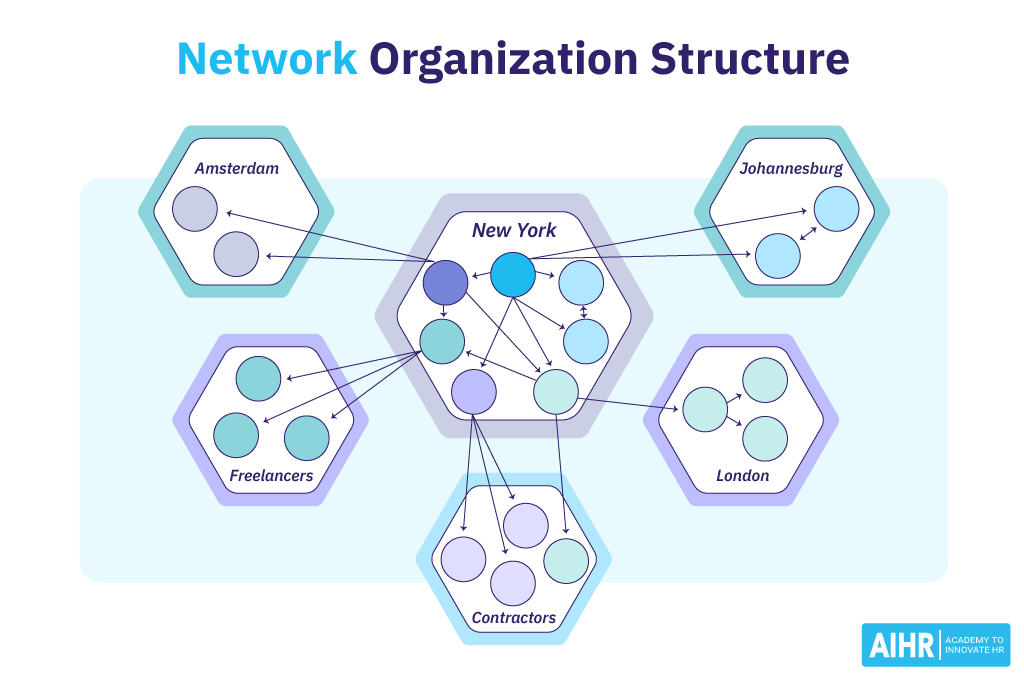
In conclusion, building and nurturing relationships with alumni is a strategic imperative for professional growth. By understanding the inherent value of these connections, skillfully identifying potential contacts, and crafting personalized outreach, you unlock a wealth of opportunities. This guide has provided a roadmap for effective communication, preparation, and sustained engagement, empowering you to transform initial interactions into lasting, mutually beneficial professional bonds.
Remember to always express gratitude and seek ways to reciprocate, solidifying your place within this valuable network.