How to Stay Safe on and Around Campus, this guide offers a comprehensive exploration of essential safety principles tailored for the unique environment of university life. It delves into understanding fundamental safety concepts, implementing proactive measures, and navigating campus spaces with confidence. We will cover everything from situational awareness and personal safety planning to digital security and emergency preparedness, ensuring you are well-equipped to manage risks effectively.
This resource is designed to empower students and staff with the knowledge and strategies necessary to foster a secure and supportive campus community. By understanding common risks, adopting preventative habits, and knowing how to respond in emergencies, individuals can significantly enhance their personal safety and contribute to a collective culture of security. Let’s embark on this journey to create a safer campus for everyone.
Understanding Campus Safety Fundamentals
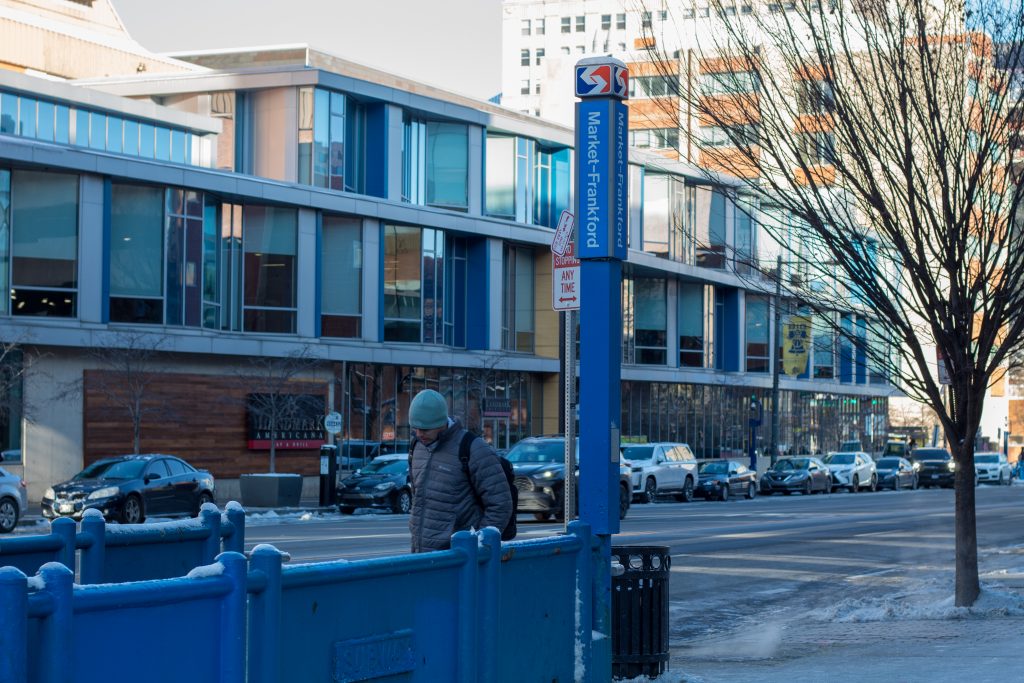
Ensuring a safe and secure environment on and around university campuses is a shared responsibility, built upon a foundation of understanding core safety principles. These fundamentals equip students, staff, and visitors with the knowledge and practices necessary to navigate campus life with confidence and minimize risks. By embracing these principles, we contribute to a community where learning and personal growth can flourish without undue concern for safety.The campus environment, while often perceived as a bubble of academic pursuit, presents its own unique set of safety considerations.
Understanding these nuances is the first step towards proactive personal safety. This involves recognizing potential hazards, knowing how to respond effectively, and utilizing the resources available to maintain a secure living and learning space.
Core Principles of Personal Safety on Campus
Personal safety on campus is rooted in a few key principles that empower individuals to protect themselves. These principles are not merely guidelines but essential practices for fostering a secure environment. They emphasize awareness, prevention, and responsible action.
- Awareness: Being mindful of your surroundings and potential risks is paramount. This includes recognizing unusual behavior, understanding escape routes, and knowing who to contact in an emergency.
- Prevention: Taking proactive steps to avoid dangerous situations is crucial. This can involve securing personal belongings, traveling in groups, and avoiding isolated areas, especially at night.
- Preparedness: Knowing how to respond in various scenarios is vital. This includes having emergency contact information readily available and understanding campus emergency procedures.
- Communication: Open and clear communication with friends, family, and campus authorities is essential for reporting concerns and seeking assistance.
Situational Awareness for Students and Staff
Situational awareness is the cornerstone of personal safety, enabling individuals to perceive their environment, understand what is happening, and anticipate potential threats. It is an active mental process that requires continuous engagement with one’s surroundings. For students and staff, cultivating this awareness can significantly reduce vulnerability to safety risks.This involves actively observing and processing information from the environment. It means paying attention to who is around you, what they are doing, and whether anything seems out of the ordinary.
By developing this habit, you can often detect potential problems before they escalate, allowing you to take preventative measures or seek help.
Common Safety Risks on University Grounds
University campuses, despite their academic focus, are not immune to various safety risks. These can range from minor incidents to more serious threats, and understanding them is key to effective prevention and response. Being informed about common risks allows for more targeted safety strategies.A comprehensive understanding of potential dangers helps individuals make informed decisions about their personal safety. These risks can arise from the general public, internal community issues, or environmental factors.
- Theft and Vandalism: Personal belongings, such as laptops, phones, and bicycles, are often targets for theft. Vandalism of campus property can also occur.
- Personal Assaults: While rare, instances of physical assault, harassment, or robbery can happen. These are often exacerbated by factors like alcohol consumption or being in isolated areas.
- Traffic and Pedestrian Safety: Busy campus roads, intersections, and parking lots present risks for both drivers and pedestrians. Distracted walking or driving can lead to accidents.
- Fire Hazards: Faulty wiring, improper use of appliances, or accidental fires can pose a significant threat in residential halls and academic buildings.
- Medical Emergencies: Students and staff may experience sudden illnesses or injuries that require immediate medical attention.
- Mental Health Crises: The stress of academic life can sometimes lead to mental health emergencies, requiring compassionate and timely support.
The Role of Campus Security Services
Campus security services play a critical role in establishing and maintaining a secure environment for everyone on campus. They are the first line of defense, providing a visible presence, responding to incidents, and working proactively to prevent crime and ensure the well-being of the community. Their services are integral to the overall safety strategy of any educational institution.These services are designed to complement local law enforcement while focusing specifically on the unique needs and challenges of the campus environment.
They often employ a combination of trained personnel, technology, and community engagement to achieve their objectives.
- Emergency Response: Campus security is responsible for responding to all types of emergencies, from medical incidents and fires to security breaches and criminal activity. They are trained to provide immediate assistance and coordinate with external emergency services.
- Patrols and Surveillance: Regular patrols of campus grounds, buildings, and parking areas help deter criminal activity and provide a visible security presence. Surveillance systems, such as CCTV, are often utilized to monitor activity and aid in investigations.
- Crime Prevention Programs: Security services often develop and implement educational programs aimed at raising awareness about safety issues and teaching individuals how to protect themselves. This can include workshops on personal safety, self-defense, and crime reporting.
- Access Control: They manage access to buildings and sensitive areas, ensuring that only authorized personnel can enter, thereby enhancing security.
- Investigation and Reporting: Campus security investigates reported incidents, gathers evidence, and prepares reports that can be used for disciplinary actions or to assist law enforcement.
- Escort Services: Many campus security departments offer escort services, particularly for students and staff who need to travel across campus late at night.
- Liaison with Law Enforcement: They maintain strong working relationships with local police departments, facilitating swift and effective cooperation during significant incidents.
Proactive Safety Measures and Prevention
Taking a proactive approach to personal safety is a cornerstone of a secure campus experience. By implementing preventative strategies and being mindful of your surroundings, you can significantly reduce your risk and enhance your overall sense of security. This section focuses on actionable steps you can take to protect yourself and your belongings.Understanding and employing proactive safety measures empowers individuals to take control of their personal security.
It’s about building habits and awareness that contribute to a safer environment for everyone on and around campus.
Personal Security Enhancement Steps
There are several practical steps individuals can adopt to bolster their personal security. These measures range from simple awareness to utilizing available resources.
- Situational Awareness: Actively observe your surroundings, noting people, vehicles, and potential exits. Avoid distractions like constantly looking at your phone or wearing headphones that block out ambient sounds.
- Trust Your Instincts: If a situation or person feels uncomfortable or suspicious, remove yourself from it. Your intuition is a powerful safety tool.
- Travel in Groups: Whenever possible, walk with friends, especially at night or in unfamiliar areas. There is safety in numbers.
- Inform Others of Your Plans: Let a trusted friend, roommate, or family member know where you are going, who you are with, and when you expect to return.
- Utilize Campus Escort Services: Many campuses offer walking or vehicle escort services for students needing safe passage, particularly during late hours. Familiarize yourself with these services and their availability.
- Report Suspicious Activity: Do not hesitate to report any unusual or concerning behavior to campus security or local law enforcement. Prompt reporting can prevent incidents.
- Secure Your Living Space: Always lock your doors and windows, even when you are inside your residence. Do not let strangers into your dorm or apartment.
- Be Mindful of Social Media: Avoid posting your real-time location or plans publicly on social media, as this can make you a target.
Safe Walking and Commuting Strategies
Navigating campus and its surrounding areas safely requires specific strategies, particularly when walking or commuting. These practices are designed to minimize risks and ensure a secure journey.
- Plan Your Route: Before you leave, identify well-lit and populated paths. If possible, stick to routes you are familiar with.
- Walk Confidently: Project an air of confidence. Walk at a steady pace and maintain eye contact with your surroundings.
- Carry a Personal Alarm: A loud personal alarm can deter an attacker and draw attention if you feel threatened.
- Use Designated Crosswalks: Always use crosswalks and obey traffic signals when crossing streets. Make sure drivers see you before stepping into the road.
- Be Aware of Your Vehicle: If you drive, check around your vehicle before entering. Have your keys ready as you approach.
- Public Transportation Safety: When using public transport, sit in well-lit areas and near the driver or other passengers. Keep your belongings secure.
- Avoid Unfamiliar Shortcuts: Resist the temptation to take shortcuts through dimly lit alleys, parks, or isolated areas, especially at night.
Personal Safety Plan Development
A well-structured personal safety plan can provide a clear course of action in emergency situations. This plan should be easily accessible and rehearsed.A personal safety plan is a crucial tool for preparedness. It Artikels essential contacts and locations to ensure you can quickly and effectively seek help or reunite with loved ones during an emergency.
Emergency Contacts
It is vital to have a readily accessible list of emergency contacts. This list should include individuals who can be reached quickly and who are aware of your safety plan.
- Primary Emergency Contact: A parent, guardian, or close family member.
- Secondary Emergency Contact: A trusted friend, roommate, or significant other.
- Campus Security: The direct phone number for your campus police or security department.
- Local Law Enforcement: The non-emergency and emergency numbers for the local police department.
- Counseling Services: The contact information for campus mental health or counseling services, as stress and anxiety can be heightened during emergencies.
Designated Meeting Points
Establishing predetermined meeting points is essential for reuniting with friends or family if you become separated or need to evacuate an area quickly.
- Primary Meeting Point: A safe, well-known, and easily accessible location on campus (e.g., a specific building lobby, a prominent landmark).
- Secondary Meeting Point: An alternative location off-campus, such as a family member’s home or a friend’s residence.
- Emergency Rendezvous Point: A more secluded but secure location that can be used if primary and secondary points are compromised or inaccessible.
Best Practices for Securing Personal Belongings
Theft can be a significant concern on campus. Implementing best practices for securing your belongings can drastically reduce the likelihood of them being stolen.Protecting your valuables is a key component of personal security. By adopting these best practices, you can significantly deter theft and keep your possessions safe.
- Never Leave Belongings Unattended: Even for a moment, do not leave your backpack, laptop, phone, or other valuables unattended in public spaces like libraries, classrooms, or common areas.
- Lock Your Bike: Use a high-quality U-lock or cable lock to secure your bicycle to a fixed object. Consider registering your bike with campus security.
- Secure Your Residence: Always lock your dorm room or apartment door, even when you are inside. Do not prop doors open.
- Use Locker Facilities: Utilize campus lockers for storing valuables when you are not in direct possession of them, such as during physical education classes or at the gym.
- Be Wary of “Distraction Theft”: Be aware of individuals who might try to distract you while an accomplice attempts to steal your belongings.
- Mark Your Valuables: Consider marking your electronics with a unique identifier or engraving your name and contact information discreetly.
- Keep Valuables Out of Sight: When in public, keep expensive items like laptops and phones out of plain view.
- Secure Your Wallet and Phone: Carry your wallet in a front pocket or a secure bag. Keep your phone in a secure pocket or a zipped compartment of your bag.
Navigating Campus Environments Safely
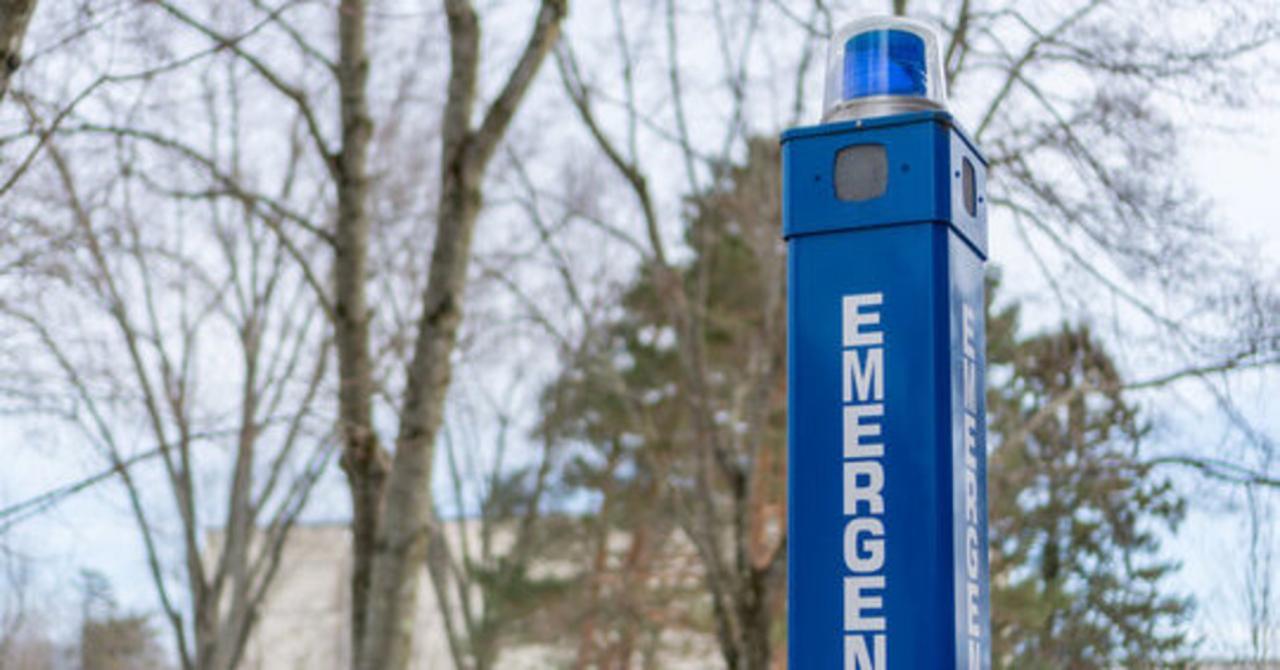
Understanding your surroundings is a cornerstone of campus safety. This section focuses on developing an awareness of your environment and implementing practical strategies to navigate it securely, whether you are on foot, using campus transportation, or engaged in late-night activities.
Campus Area Safety Assessment
Identifying safe and potentially less safe areas on and around a campus is crucial for personal security. This awareness allows for informed decision-making and proactive safety measures. Generally, well-lit, high-traffic areas tend to be safer, while isolated, poorly lit, or unfamiliar locations may present increased risks.A typical campus environment often designates certain zones as primary safety areas. These include:
- Campus quads and main walkways during daylight hours.
- Buildings with active staff presence, such as libraries, student centers, and administrative offices, especially when open.
- Areas with regular security patrols or visible emergency call boxes.
Conversely, areas that may require increased caution include:
- Isolated parking lots or garages, particularly at night.
- Unfamiliar or dimly lit pathways and shortcuts.
- Areas adjacent to campus that are known for higher crime rates or lack of pedestrian traffic.
It is always advisable to familiarize yourself with campus maps that highlight emergency services, lighting, and potentially higher-risk zones, often provided by campus police or safety departments.
Secure Use of Campus and Public Transportation
Campus transportation systems and public transit offer convenient ways to move around, but safety should always be a priority. Employing simple precautions can significantly enhance your security while using these services.When using campus shuttles or buses, consider the following:
- Wait in well-lit, populated areas for the shuttle.
- Sit near the driver or other passengers, especially if traveling alone or at night.
- Be aware of your surroundings and keep personal belongings secure.
- Know the route and estimated arrival times to minimize waiting in exposed areas.
- If you feel uncomfortable with a driver or fellow passenger, consider exiting at the next safe stop and contacting campus security.
For public transit, additional measures include:
- Planning your route in advance and knowing your destination.
- Using transit apps that provide real-time tracking and safety features.
- Avoiding displaying expensive electronics or large amounts of cash.
- If using ride-sharing services, always verify the driver and vehicle match the app’s information before entering.
“Situational awareness is your first line of defense.”
Safety During Late-Night Activities and Study Sessions
Late-night hours often present unique safety challenges, whether you are studying in the library, attending an event, or returning to your residence. Proactive planning and heightened awareness are key to ensuring your well-being.To enhance safety during late-night activities:
- Inform a friend or family member of your plans, including your location and expected return time.
- If studying late, choose well-lit and populated areas, such as libraries or student centers that remain open.
- Utilize campus escort services or safe walk programs, which are often available after dark.
- If walking alone, stick to well-lit, main routes and avoid shortcuts through isolated areas.
- Keep your phone charged and readily accessible for emergencies.
- Be mindful of your alcohol or substance consumption, as impairment can reduce situational awareness and increase vulnerability.
- If you encounter any discomfort or feel unsafe, trust your instincts and seek a safer environment immediately.
Recognizing and Reporting Suspicious Behavior
Developing the ability to recognize and report suspicious behavior is a vital component of a safe campus community. By being observant and knowing how to act, you contribute to the collective security of everyone.Suspicious behavior can manifest in various ways and may include:
- Individuals loitering in unusual areas for extended periods without apparent purpose.
- People attempting to gain unauthorized access to buildings or restricted areas.
- Individuals taking photos or videos of people or places in a manner that seems intrusive or concerning.
- Anyone exhibiting overly aggressive, threatening, or erratic behavior.
- Unattended packages or suspicious objects left in public spaces.
If you observe behavior that makes you feel uneasy or concerned, it is important to report it promptly.
- Contact campus security or local law enforcement immediately. Most campuses have a dedicated emergency number for security.
- Provide as much detail as possible: a description of the individual(s), their actions, the location, and the time.
- Do not confront the individual yourself, as this can put you in danger.
- If possible, observe from a safe distance.
- Report even if you are unsure; it is better to err on the side of caution.
Many universities also have anonymous tip lines or online reporting systems that can be used to report suspicious activity without revealing your identity.
Digital Safety and Online Security
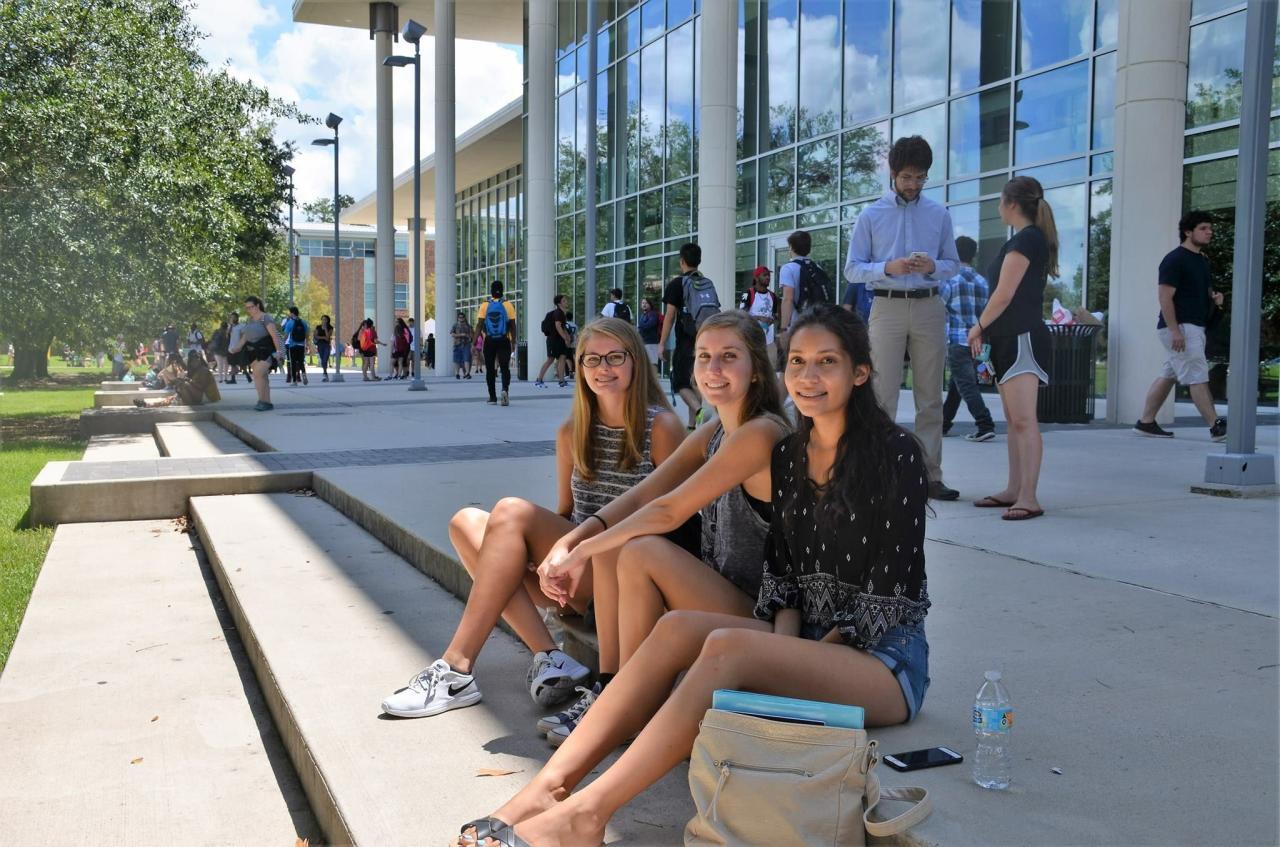
In today’s interconnected world, our digital lives are inextricably linked to our physical safety. Understanding and practicing good online security habits is not just about protecting your data; it’s a crucial component of overall campus safety. What happens online can have real-world consequences, impacting your personal information, reputation, and even your physical well-being.The digital landscape presents a unique set of challenges for students.
From managing personal accounts to interacting on social media, every online action carries potential risks. Being aware of these threats and knowing how to mitigate them is essential for a secure campus experience.
The Interconnection of Online Behavior and Physical Safety
Your online activities can directly influence your physical safety. For instance, sharing your location in real-time on social media might inadvertently reveal your whereabouts to individuals with malicious intent. Similarly, engaging with unknown individuals online could lead to unwanted physical encounters or stalking. Maintaining privacy and exercising caution in online interactions are fundamental steps to safeguarding yourself in the physical world.
Common Online Threats for Students
Students are frequent targets of various online threats designed to exploit their digital presence. Recognizing these common dangers is the first step toward prevention.
- Phishing: This involves deceptive emails, messages, or websites that impersonate legitimate organizations to trick individuals into revealing sensitive information like usernames, passwords, or financial details. For example, a student might receive an email appearing to be from the university’s IT department, asking them to “verify their account” by clicking a link that leads to a fake login page.
- Cyberbullying: This refers to the use of electronic communication to bully a person, typically by sending messages of an intimidating or threatening nature. This can manifest as spreading rumors, posting embarrassing photos or videos, or sending hateful messages, causing significant emotional distress and potentially leading to real-world confrontations.
- Malware and Ransomware: Malicious software can infect devices through suspicious downloads or links, leading to data theft, system damage, or even holding your files hostage until a ransom is paid.
- Identity Theft: Criminals can steal personal information obtained through data breaches or social engineering to impersonate individuals, open fraudulent accounts, or commit other crimes in their name.
Securing Personal Devices and Online Accounts
Proactive measures to secure your digital assets are paramount. Implementing strong security practices can significantly reduce your vulnerability to online threats.
Methods for Securing Devices
Keeping your devices protected is a continuous process that involves several key strategies.
- Strong, Unique Passwords: Utilize complex passwords that combine uppercase and lowercase letters, numbers, and symbols. Avoid using easily guessable information like birthdays or common words. Crucially, use a different password for each online account. Consider using a reputable password manager to generate and store these complex passwords securely.
- Two-Factor Authentication (2FA): Enable 2FA whenever possible. This adds an extra layer of security by requiring a second form of verification, such as a code sent to your phone or a fingerprint scan, in addition to your password.
- Software Updates: Regularly update your operating system, web browsers, and all applications. These updates often include critical security patches that fix vulnerabilities exploited by cybercriminals.
- Antivirus and Anti-malware Software: Install and maintain reputable antivirus and anti-malware software on all your devices. Ensure it is configured to perform regular scans and automatic updates.
- Secure Wi-Fi Networks: Be cautious when connecting to public Wi-Fi networks. Avoid accessing sensitive accounts or conducting financial transactions on unsecured networks. If necessary, use a Virtual Private Network (VPN) for added security.
Methods for Securing Online Accounts
Beyond device security, safeguarding your individual online accounts is equally vital.
- Reviewing Privacy Settings: Regularly check and adjust the privacy settings on all your social media accounts, email, and other online services. Limit who can see your posts, personal information, and location.
- Being Wary of Links and Attachments: Exercise extreme caution with unsolicited emails, messages, or attachments, especially if they come from unknown senders or seem suspicious. Hover over links to see the actual URL before clicking, and never download attachments from untrusted sources.
- Recognizing Phishing Attempts: Be skeptical of requests for personal information, urgent demands, or offers that seem too good to be true. Legitimate organizations typically do not ask for sensitive data via email.
Responsible Social Media Usage
Social media platforms are powerful tools for connection and information sharing, but they also present significant risks if not used responsibly. Your online persona and the information you share can have tangible consequences.
Avoiding Potential Risks Through Responsible Social Media Habits
Mindful engagement on social media is key to mitigating potential dangers.
- Privacy Settings are Your Friend: Regularly review and update your privacy settings on all social media platforms. Understand who can see your posts, your profile information, and your location. Consider making your profiles private or limiting visibility to friends only.
- Think Before You Post: Before sharing any content, consider its potential impact. Avoid posting sensitive personal information, such as your home address, phone number, class schedule, or detailed travel plans. This information could be exploited by individuals with harmful intentions.
- Location Sharing Awareness: Be extremely cautious about sharing your real-time location. Many platforms allow you to tag your location; consider disabling this feature or using it sparingly, especially when you are alone or in unfamiliar places.
- Online Interactions and Strangers: Exercise caution when interacting with people you don’t know in real life. Be wary of accepting friend requests from strangers or engaging in private conversations with individuals who make you uncomfortable.
- Digital Footprint Management: Understand that everything you post online contributes to your digital footprint. This footprint can be permanent and may be viewed by future employers, educational institutions, or even potential adversaries.
- Reporting and Blocking: Utilize the reporting and blocking features available on social media platforms to address any harassment, cyberbullying, or suspicious activity.
Emergency Preparedness and Response
Being prepared for emergencies is a crucial aspect of campus safety. Understanding potential scenarios and having a clear plan of action can significantly improve your safety and the safety of others during critical incidents. This section Artikels essential steps for responding to various emergencies and preparing yourself effectively.Effective emergency preparedness involves knowing what to do before, during, and after an incident.
This includes familiarizing yourself with campus alert systems, understanding evacuation procedures, and knowing how to seek help when needed. Proactive preparation minimizes panic and allows for more efficient and safer responses.
Campus Emergency Response Procedures
A structured approach to emergency response is vital for ensuring the safety and well-being of the campus community. Different types of emergencies require distinct actions. Familiarizing yourself with these procedures in advance can make a critical difference in your ability to react calmly and effectively.The following Artikels step-by-step procedures for common campus emergencies:
Active Threat Response
In the event of an active threat, the primary directive is to run, hide, or fight, depending on the circumstances.
- Evacuate (Run): If there is a clear and safe escape path, evacuate the area immediately. Leave your belongings behind. Assist others if possible, but do not put yourself at undue risk.
- Shelter in Place (Hide): If evacuation is not possible, find a secure location to hide. Lock and barricade doors, turn off lights, silence your cell phone, and stay away from windows and doors. Remain quiet until law enforcement or emergency personnel confirm it is safe to exit.
- Engage (Fight): As a last resort, and only when your life is in imminent danger, attempt to disrupt or incapacitate the attacker. This may involve throwing objects, using improvised weapons, or acting aggressively.
Always follow the instructions of law enforcement and campus security personnel.
Medical Emergency Response
Prompt and appropriate action during a medical emergency can save lives.
- Assess the Situation: Determine if the scene is safe for you to approach.
- Call for Help: Immediately call the campus emergency number (e.g., 911 or the campus security number). Provide your location, the nature of the emergency, and the condition of the person(s) involved.
- Provide Basic Aid (if trained): If you have received first aid or CPR training, administer care until professional medical help arrives. Do not move the injured person unless they are in immediate danger.
- Stay with the Person: Reassure the individual and monitor their condition until emergency responders take over.
Campus Emergency Preparedness Kit Contents
A well-stocked emergency preparedness kit can provide essential supplies during and immediately after a campus emergency, especially if you are sheltering in place or need to evacuate quickly. Having these items readily accessible can significantly enhance your comfort and safety.It is recommended to include the following essential items in a basic emergency preparedness kit:
- Water: At least one gallon per person per day for several days.
- Non-perishable Food: A supply of non-perishable food for several days.
- First Aid Kit: Comprehensive kit including bandages, antiseptic wipes, pain relievers, and any personal medications.
- Flashlight and Extra Batteries: Essential for navigating in the dark.
- Multi-tool or Knife: Useful for various tasks.
- Whistle: To signal for help.
- Dust Mask: To help filter contaminated air.
- Moist Towelettes, Garbage Bags, and Plastic Ties: For personal sanitation.
- Local Maps: If electronic devices fail.
- Cell Phone with Chargers and a Backup Battery: To stay connected.
- Emergency Blanket: For warmth.
Campus Emergency Alert Systems
Campus emergency alert systems are designed to disseminate critical information rapidly during emergencies. Understanding how these systems work and how to receive notifications is paramount to staying informed and making safe decisions.Effectively using campus emergency alert systems involves:
- Registration: Ensure you are registered to receive alerts through the campus system. This often involves providing your contact information, such as a mobile phone number and personal email address.
- Notification Channels: Be aware of all the channels your campus uses for alerts. These commonly include text messages, email, campus sirens, public address systems, digital signage, and social media.
- Actionable Information: Pay close attention to the content of the alerts. They typically provide specific instructions on what actions to take, such as “shelter in place,” “evacuate,” or “all clear.”
- Confirmation: If possible, confirm the alert with official campus communication channels to avoid misinformation.
De-escalation Techniques for Potentially Dangerous Situations
De-escalation is a communication strategy aimed at reducing tension and preventing a situation from becoming violent. By employing these techniques, you can help manage conflict and potentially avoid dangerous confrontations.Demonstrating effective de-escalation techniques involves:
- Maintain Calmness: Speak in a calm, steady, and reassuring tone of voice. Avoid raising your voice or exhibiting aggressive body language.
- Active Listening: Listen attentively to the other person’s concerns without interruption. Show that you are trying to understand their perspective by nodding and using verbal cues.
- Empathy and Validation: Acknowledge the other person’s feelings, even if you do not agree with their actions or statements. Phrases like “I understand you are upset” can be helpful.
- Set Boundaries: Clearly and calmly state what behavior is not acceptable, while offering alternatives.
- Offer Solutions: If appropriate, suggest solutions or options to help resolve the situation.
- Seek Assistance: If you feel unsafe or unable to de-escalate the situation, discreetly seek help from campus security or other authorities.
Remember, your safety is the priority. If a situation feels too dangerous, remove yourself from it and contact campus security.
Final Thoughts
In conclusion, prioritizing safety on and around campus is a multifaceted endeavor that requires a combination of awareness, preparation, and community involvement. By diligently applying the principles discussed, from understanding campus safety fundamentals and adopting proactive measures to navigating environments wisely and securing digital lives, you are building a robust defense against potential risks. Remember that fostering a culture of safety is a shared responsibility, and by utilizing available resources and supporting one another, we can all contribute to a more secure and positive campus experience for every member of our community.