Embarking on your academic journey often begins with a quest for knowledge, and the campus library stands as a treasure trove waiting to be explored. This guide is crafted to illuminate the path, transforming the library from a mere building into your most powerful research ally.
We will delve into the diverse array of resources available, from the tangible shelves of books and journals to the vast digital landscapes of databases and archives. Understanding how to navigate both the physical space and its digital extensions is key to unlocking a wealth of information, ensuring your research endeavors are both efficient and fruitful.
Understanding Library Resources for Research
Navigating the vast landscape of academic information is a cornerstone of successful research. Your campus library is a treasure trove of resources, meticulously curated to support your scholarly endeavors across all disciplines. Familiarizing yourself with these offerings will not only streamline your research process but also enhance the depth and quality of your work. This section will guide you through the diverse types of materials available and how to access them effectively.The library provides a rich ecosystem of information, encompassing both traditional and digital formats.
Each resource type serves a unique purpose, offering different perspectives and levels of detail essential for comprehensive research. Understanding these distinctions will empower you to select the most appropriate tools for your specific academic needs.
Types of Library Resources
Campus libraries house a comprehensive collection of materials designed to meet the diverse needs of students and faculty. These resources are broadly categorized to facilitate efficient access and utilization.
- Physical Books: These are the foundational texts within a discipline, offering in-depth exploration of subjects, historical context, and theoretical frameworks. They are invaluable for building a strong understanding of core concepts.
- Journals: Academic journals publish peer-reviewed articles that present original research, critical analyses, and scholarly discussions. They are crucial for accessing the latest findings and cutting-edge scholarship in a field.
- Databases: These are digital collections of information, often indexed and searchable, that provide access to articles, abstracts, dissertations, conference proceedings, and more. They are powerful tools for targeted information retrieval.
- Digital Archives: These collections consist of digitized primary source materials, such as historical documents, manuscripts, photographs, and audio-visual recordings. They offer direct engagement with original evidence.
- Reference Materials: Encyclopedias, dictionaries, bibliographies, and handbooks provide foundational knowledge, definitions, and overviews of subjects, serving as excellent starting points for research.
Searching the Library’s Online Catalog
The library’s online catalog is your primary gateway to discovering its physical and digital collections. A well-executed search strategy can significantly improve your ability to locate relevant materials efficiently.To effectively utilize the online catalog, consider the following steps:
- Selection: Identify the core concepts of your research topic and brainstorm a variety of related s, synonyms, and subject headings.
- Boolean Operators: Employ operators like AND, OR, and NOT to refine your search. For example, “climate change AND policy” will narrow results to items containing both terms, while “AI OR artificial intelligence” will broaden them.
- Subject Headings: If you find a particularly relevant item, examine its assigned subject headings. These standardized terms can lead you to other related materials.
- Advanced Search: Most catalogs offer an advanced search function that allows you to specify search fields (e.g., title, author, subject), publication dates, and material types.
- Filtering and Sorting: Once you have initial results, use the available filters (e.g., by publication date, material type, subject) and sorting options (e.g., by relevance, date) to further refine your list.
Understanding how to combine these elements will transform your catalog searches from a guessing game into a strategic exploration.
Specialized Databases for Academic Disciplines
Beyond the general catalog, libraries subscribe to numerous specialized databases, each focusing on specific academic fields. These databases often offer more granular search capabilities and access to unique collections of scholarly literature.Here are examples of specialized databases commonly available:
| Academic Discipline | Example Databases | Description |
|---|---|---|
| Humanities | JSTOR, Project MUSE, MLA International Bibliography | Provide access to scholarly articles, books, and journals in literature, history, philosophy, and the arts. JSTOR, for instance, offers a vast archive of scholarly journals, many of which are available from their first published issue. |
| Sciences | PubMed, Scopus, Web of Science | Essential for biological and medical research, offering access to biomedical literature, research articles, and clinical trials. Scopus and Web of Science are multidisciplinary and cover a broad range of scientific fields, including citation tracking. |
| Social Sciences | Sociological Abstracts, PsycINFO, EconLit | Support research in sociology, psychology, economics, and related fields, providing access to journal articles, dissertations, and conference papers. PsycINFO, developed by the American Psychological Association, is a premier source for psychology literature. |
| Business and Economics | ABI/Inform, Business Source Premier, Factiva | Offer access to business journals, industry reports, market research, and company profiles, crucial for understanding economic trends and business strategies. |
Exploring these discipline-specific resources can uncover highly relevant and specialized information that might be missed in broader searches.
Primary vs. Secondary Sources
A critical aspect of research is understanding the distinction between primary and secondary sources. The library provides access to both, and knowing which to use is vital for constructing a well-supported argument.
Primary sources are original materials that provide firsthand accounts or direct evidence concerning a topic under investigation. They are created during the time period being studied or by individuals directly involved.
Examples of primary sources include:
- Original research studies
- Diaries and letters
- Speeches and interviews
- Government documents
- Artifacts and works of art
- Original datasets
Secondary sources are interpretations or analyses of primary sources. They are created after the fact and offer commentary, evaluation, or synthesis of original materials.
Examples of secondary sources include:
- Scholarly books and articles that analyze events or research
- Biographies
- Textbooks
- Literature reviews
- Documentaries that interpret historical events
Your library’s collections, particularly its digital archives and specialized databases, are invaluable for locating both primary and secondary sources, enabling you to engage with original evidence and scholarly interpretations.
Navigating the Physical Library Space
The physical campus library is a vital hub for research, offering a tangible environment to discover and engage with a vast array of resources. Understanding its layout and how to navigate it efficiently can significantly enhance your research process, transforming a potentially overwhelming space into a productive workspace. This section will guide you through the typical organization of a campus library, from locating specific materials to finding the ideal study environment.A well-designed library layout is structured to facilitate easy access to its collections and services.
Familiarizing yourself with these general organizational principles will allow you to quickly orient yourself upon entering any campus library. Most libraries are divided into distinct zones, each serving a specific purpose for researchers.
Library Layout and Collection Organization
Campus libraries typically feature a systematic arrangement of their collections, often categorized by subject matter or format. Understanding this organization is the first step to efficiently locating the resources you need for your research. The Dewey Decimal Classification (DDC) system or the Library of Congress Classification (LCC) system are commonly used to assign call numbers, which are unique identifiers for each item.Libraries are generally organized into several key areas:
- Circulation Desk: This is usually the first point of contact for borrowing and returning materials, as well as for general inquiries.
- Reference Section: Here you will find reference materials such as encyclopedias, dictionaries, atlases, and bibliographies, often housed in specialized areas. Librarians are typically stationed here to assist with research queries.
- General Collection: This comprises the main body of books, arranged by subject using a classification system.
- Periodicals Section: This area houses current and archived journals, magazines, and newspapers, often accessible in print or digital formats.
- Special Collections: This may include rare books, manuscripts, archives, or local history materials, often requiring special permission to access.
- Computer Labs and Digital Resources: Dedicated spaces with computers offering access to the library’s online databases, catalogs, and the internet.
Locating Call Numbers and Planning Research Trips
The call number is your key to finding specific books on the library shelves. It’s a unique alphanumeric code assigned to each item that indicates its subject matter and its precise location within the library’s collection. Learning to read and follow call numbers is a fundamental research skill.To locate a specific call number:
- Access the Library Catalog: Use the library’s online catalog (often accessible via the library website or dedicated terminals within the library) to search for your desired item.
- Note the Call Number: Once you find your item, record its full call number accurately. Pay close attention to letters, numbers, and any punctuation.
- Identify the Section: Library shelves are clearly marked with signs indicating the range of call numbers housed in that area. For example, a sign might read “QA 76.5 – QA 76.9” for computer science books.
- Navigate the Shelves: Move to the correct section and scan the spines of the books, looking for your specific call number. Books are arranged sequentially.
Organizing a research trip within the physical space involves planning your route based on the call numbers you need to retrieve. It’s often efficient to group items by their location within the library to minimize walking back and forth. Before heading out, review your list of needed materials and map out their general locations.
Types of Study Spaces
Libraries offer a variety of study environments designed to cater to different research needs and preferences. Choosing the right space can significantly impact your focus and productivity.The primary types of study spaces available include:
- Quiet Zones: These areas are designated for silent study, ideal for concentrated reading, writing, and individual reflection. They are typically found in areas away from high-traffic zones.
- Group Study Rooms: Many libraries provide reservable rooms equipped with tables, chairs, and sometimes whiteboards or screens, perfect for collaborative projects, discussions, and group work.
- Individual Carrels: These are small, semi-private workspaces, often with a desk and chair, offering a degree of isolation for focused individual study.
- Open Study Areas: These are more general seating areas that may allow for hushed conversations, suitable for less intensive tasks or when you prefer to be in a more active environment without complete silence.
Each space offers distinct benefits: quiet zones promote deep concentration, group rooms facilitate collaborative learning and idea exchange, carrels provide personal focus, and open areas offer a balanced environment.
Checking Out and Returning Physical Materials
The process of borrowing and returning books and other physical materials is straightforward and essential for utilizing the library’s collection. Understanding the procedures and policies ensures you can access resources for the duration of your research needs.The checkout process typically involves:
- Gather Your Materials: Collect all the items you wish to borrow.
- Proceed to the Circulation Desk or Self-Checkout Station: Most libraries have a main circulation desk staffed by library personnel, and many also offer self-checkout machines for convenience.
- Present Your Library Card: You will need your valid student or staff identification card, which serves as your library card.
- Scan Items and Card: Either the librarian or you will scan the barcode on each item and your library card.
- Receive Due Dates: You will be informed of the due date for each item, often provided on a printed receipt or sent electronically via email.
Returning materials is equally simple:
- Bring the items to the circulation desk or use the designated book drop located inside or outside the library.
- Ensure items are returned on or before their due date to avoid late fees.
Renewal policies vary by institution but generally allow for the extension of a loan period, provided the item has not been requested by another patron. Most libraries permit renewals either online through your library account, by phone, or in person at the circulation desk. It is advisable to check your library’s specific policies regarding the number of renewals allowed and any restrictions on certain types of materials.
Leveraging Digital Library Services
The digital landscape of the campus library offers a vast collection of resources accessible from virtually anywhere, significantly enhancing your research capabilities. Beyond the physical shelves, a wealth of e-books, e-journals, and online articles are at your fingertips, empowering you to conduct comprehensive research efficiently. Understanding how to navigate and utilize these digital services is crucial for academic success.This section will guide you through accessing these valuable digital resources, exploring methods to obtain materials not directly available, and highlighting the support systems in place to aid your research endeavors.
Accessing E-books, E-journals, and Online Articles
The library subscribes to numerous digital databases that provide access to a wide array of scholarly materials. These resources are designed to be accessible both on and off campus, ensuring you can continue your research without interruption.To access these resources from on-campus, you can typically visit the library’s website and navigate to the databases section. Clicking on a database link will usually grant immediate access.
For off-campus access, a more structured authentication process is generally required to verify your affiliation with the university.
- On-Campus Access: Simply navigate to the library’s website. Locate the “Databases” or “E-Resources” section. Select the desired database from the alphabetical or subject-based list. You should be granted direct access without needing to log in again, as your IP address is recognized as being within the campus network.
- Off-Campus Access: When accessing from off-campus, you will be prompted to log in. This typically involves using your university username and password, the same credentials you use for other university services like your student email or learning management system. This authentication process ensures that only authorized users can access the library’s licensed digital content.
Many e-books and articles are also directly searchable through the library’s main catalog. If a resource is available electronically, a link will be provided, leading you to the full text after authentication if necessary.
Utilizing Interlibrary Loan Services
When the campus library does not hold a specific book, article, or other material you require for your research, the Interlibrary Loan (ILL) service is an invaluable resource. This service allows the library to borrow materials from other academic and research institutions on your behalf.The ILL process is designed to be straightforward, though it does require some lead time as materials are shipped between institutions.
It is an essential tool for accessing a broader spectrum of knowledge that extends beyond the local collection.
- Requesting an Item: Begin by searching the campus library’s catalog and other databases to confirm the item is not available. If it is not found, navigate to the Interlibrary Loan section on the library’s website.
- Completing the Request Form: Fill out the online request form with as much detail as possible about the item you need. This includes the title, author, publication date, ISBN/ISSN, and specific page numbers if you are requesting a particular chapter or article.
- Processing and Delivery: Once submitted, library staff will process your request and attempt to borrow the item from another library. Delivery times can vary, typically ranging from a few days to a couple of weeks, depending on the availability and shipping speed of the lending institution.
- Notification and Pickup: You will be notified via email when your requested item arrives. You can then pick it up at a designated location within the library, usually the circulation desk.
It is important to be mindful of the due dates for ILL materials, as late returns can incur fines and affect the library’s relationship with lending institutions.
Research Guides and Subject Librarians
The library offers specialized support through research guides and dedicated subject librarians, who are experts in specific academic disciplines. These resources are designed to streamline your research process and help you discover the most relevant and authoritative information for your assignments and projects.Research guides are curated collections of resources, tools, and tips tailored to particular subjects or research topics. Subject librarians, on the other hand, provide personalized assistance and can offer in-depth guidance on navigating complex research questions.
- Research Guides: These are often found on the library’s website, categorized by subject area (e.g., History, Biology, Computer Science). They typically include links to key databases, relevant journals, citation guides, and tips for finding primary and secondary sources.
- Subject Librarians: Each academic department or discipline usually has an assigned subject librarian. These librarians can assist with developing research strategies, evaluating sources, identifying specialized databases, and even conducting literature searches. You can typically find contact information for your subject librarian on the library’s website.
Engaging with these services can save you significant time and effort, leading to more focused and successful research outcomes.
Setting Up Remote Access to Library Databases and Digital Resources
To ensure seamless access to the library’s extensive digital collection when you are not on campus, setting up remote access is a crucial step. This typically involves configuring your device or using a specific portal provided by the university.The process generally involves authenticating your identity as a student or faculty member of the university. This is often achieved through a Virtual Private Network (VPN) or by logging into a proxy server that routes your connection through the campus network.
- Identify the Recommended Method: Visit the campus library’s website and look for a section dedicated to “Remote Access,” “Off-Campus Access,” or “VPN.” This page will Artikel the specific methods supported by your institution.
- Install and Configure VPN (if applicable): If a VPN is recommended, you will need to download and install the university’s approved VPN client software on your computer or mobile device. Follow the on-screen instructions to connect to the university’s VPN server using your university credentials.
- Utilize the Library Proxy Server: Some institutions use a proxy server. In this case, you might access databases by first going to a specific proxy URL provided by the library. You will then log in with your university credentials, and subsequent links to databases from that session will be authenticated.
- Bookmark Important URLs: Bookmark the main library homepage, the databases list, and any specific proxy URLs for easy access.
- Test Your Connection: Before you need to access resources for a critical research task, test your remote access setup to ensure it is working correctly. If you encounter any issues, consult the library’s IT support or help desk.
“Remote access to digital library resources ensures that your research is not confined by physical location, enabling continuous engagement with scholarly information.”
This proactive setup will allow you to seamlessly access e-books, e-journals, and online articles from any location with an internet connection.
Effective Use of Library Databases for Information Gathering
Library databases are powerful tools that provide access to a vast array of scholarly articles, journals, books, and other research materials. Mastering their use is crucial for efficient and effective information gathering, enabling you to locate the most relevant and credible sources for your academic pursuits. This section will guide you through understanding different database types, crafting effective search strategies, and managing your findings.
Utilizing Library Support for Research Success

The campus library is more than just a repository of books and digital resources; it is a vibrant hub of support designed to empower your research journey. Beyond the tools and databases, the library offers invaluable human expertise and structured learning opportunities to help you navigate the complexities of academic inquiry and achieve your research goals. Understanding and utilizing these support services can significantly enhance the efficiency and quality of your research.This section will guide you through the various support systems available, from immediate assistance at the reference desk to skill-building workshops and the crucial role librarians play in ethical research practices.
By engaging with these resources, you can overcome research challenges and produce work that is both robust and academically sound.
Reference Desk Assistance
The reference desk serves as your primary point of contact for personalized research assistance. Professional librarians are available to help you refine research questions, identify relevant resources, and troubleshoot any difficulties you may encounter. Their expertise can save you considerable time and effort by pointing you toward the most effective research strategies and sources.When approaching the reference desk, be prepared to articulate your research topic and any specific challenges you are facing.
Librarians can assist with:
- Clarifying research objectives and formulating effective search queries.
- Suggesting appropriate databases, journals, and other scholarly materials tailored to your subject area.
- Guiding you through complex citation styles and referencing requirements.
- Providing strategies for evaluating the credibility and relevance of information sources.
- Directing you to specialized collections or subject librarians with deep knowledge in your field.
Workshops and Training Sessions
To further equip students with essential research skills, the library regularly hosts a variety of workshops and training sessions. These sessions are designed to cover a broad spectrum of topics, from introductory research methods to advanced techniques in data analysis and digital scholarship. Attending these sessions is an excellent way to proactively enhance your research capabilities and stay updated on the latest tools and methodologies.The library’s workshop offerings often include:
- Introduction to research methodologies and scholarly communication.
- Advanced search strategies for academic databases.
- Citation management software training (e.g., Zotero, EndNote, Mendeley).
- Data visualization and analysis tools.
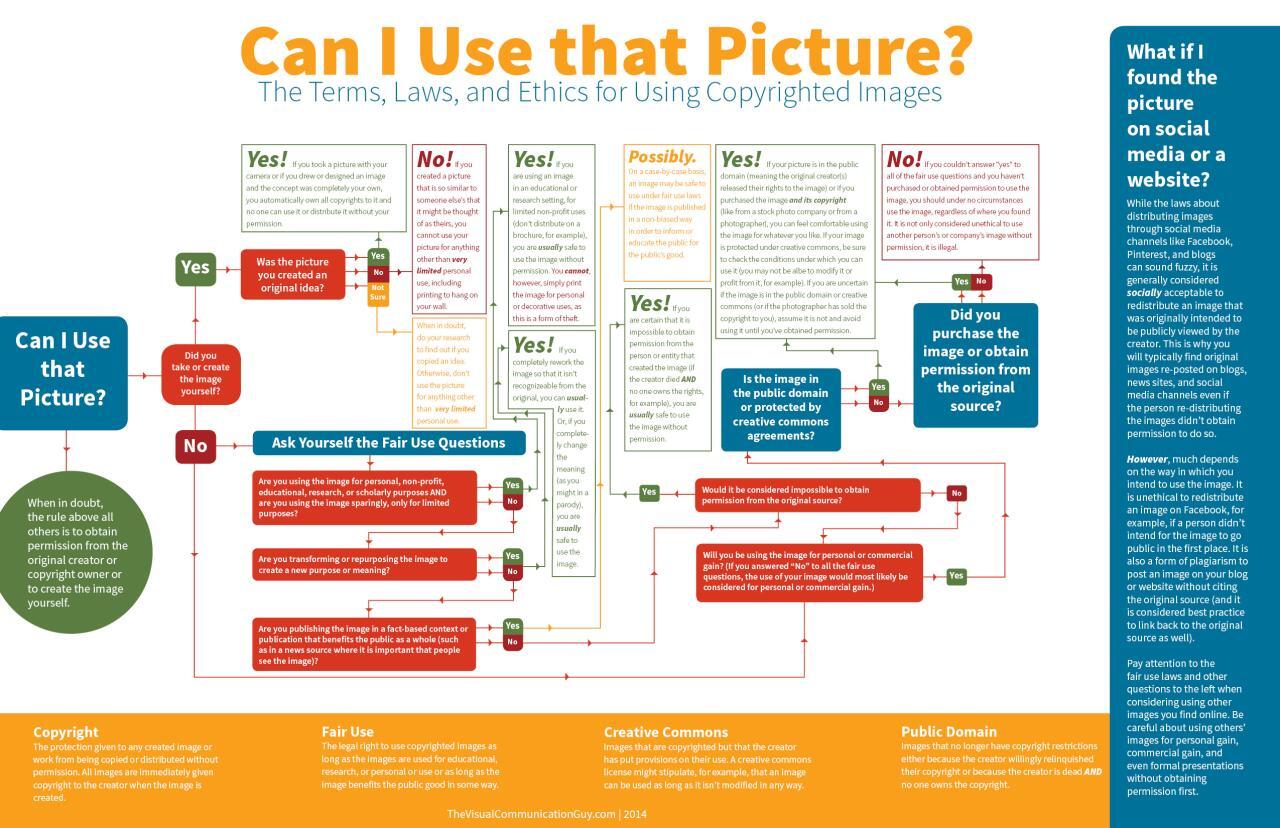
- Understanding copyright and intellectual property in academic research.
- Ethical considerations in research and academic integrity.
These sessions are typically hands-on and provide practical experience, allowing you to apply what you learn immediately to your research projects.
Librarians and Citation Management
Librarians are indispensable partners in your research, particularly when it comes to managing citations and upholding academic integrity. They possess extensive knowledge of citation styles (such as APA, MLA, Chicago) and can guide you in correctly formatting your references, bibliographies, and in-text citations. This meticulous attention to detail is crucial for avoiding plagiarism and ensuring your work is recognized for its original contributions.The role of librarians in citation management includes:
- Providing detailed explanations and examples of various citation styles.
- Recommending and assisting with the use of citation management software to organize sources and generate bibliographies automatically.
- Educating students on the principles of academic integrity and the consequences of plagiarism.
- Offering guidance on paraphrasing, summarizing, and quoting effectively to properly attribute sources.
By leveraging librarian expertise in this area, you can confidently present your research, giving due credit to the original authors and strengthening the credibility of your own work.
Ethical Considerations and Intellectual Property
The responsible use of library resources involves a deep understanding of ethical considerations and the respect for intellectual property. When you utilize books, articles, databases, and other materials from the library, you are engaging with the work of creators who have a right to be acknowledged and protected. Adhering to these principles is fundamental to academic honesty and the advancement of knowledge.Key ethical considerations include:
- Respecting Copyright: Understanding that most library materials are protected by copyright laws, which govern how they can be copied, distributed, and used. Unauthorized reproduction or distribution is a violation of these laws.
- Avoiding Plagiarism: Presenting someone else’s ideas, words, or data as your own without proper attribution. This includes direct copying, paraphrasing without citation, and mosaic plagiarism (patching together phrases from various sources).
- Proper Attribution: Diligently citing all sources used in your research, whether through direct quotes, paraphrases, or summaries. This is achieved through consistent use of citation styles and formats.
- Fair Use: Recognizing the principles of fair use, which allows limited use of copyrighted material for purposes such as criticism, comment, news reporting, teaching, scholarship, or research, under specific conditions.
- Data Integrity: Ensuring the accuracy and ethical sourcing of any data used in your research, especially when dealing with human subjects or sensitive information.
The library provides resources and guidance to help you navigate these ethical complexities, ensuring your research is conducted with integrity and respect for the intellectual contributions of others.
Advanced Research Techniques with Library Tools

Beyond the foundational use of library resources, advanced research techniques can significantly enhance your information gathering and analysis. The library offers sophisticated tools that allow you to delve deeper into your field, identify seminal works, and stay abreast of emerging trends. Mastering these techniques will empower you to conduct more comprehensive and impactful research.To truly excel in your academic pursuits, it is beneficial to explore advanced methods for uncovering scholarly information and critically assessing its value.
These techniques leverage the library’s extensive digital infrastructure and specialized databases to provide a more nuanced understanding of your research landscape.
Citation Indexes for Influential Papers and Research Trends
Citation indexes are powerful tools that map the intellectual connections within scholarly literature. By tracking which papers cite others, you can identify highly influential works and understand how research in a specific field has evolved over time. This is crucial for situating your own research within the broader academic conversation.Libraries often provide access to major citation indexes such as Web of Science and Scopus.
These platforms allow you to:
- Identify seminal papers: By looking for articles with a high number of citations, you can pinpoint foundational research that has shaped a discipline.
- Track research trends: Analyzing citation patterns over time can reveal emerging areas of study, shifts in theoretical approaches, and the development of new methodologies.
- Discover related research: If you find a highly relevant paper, citation indexes will show you who has cited it since, opening up new avenues for exploration.
- Map research networks: Some citation indexes offer visualization tools that can illustrate the relationships between authors, institutions, and research topics.
For instance, if you are researching climate change adaptation strategies, using a citation index could reveal a highly cited paper from the early 2000s that established key theoretical frameworks. Subsequent searches would then show you how this work has been built upon, modified, or challenged by more recent research, providing a clear lineage of thought.
Discovering Open-Access Scholarly Resources and Repositories
The library is a gateway to a vast array of open-access (OA) scholarly resources, offering free and immediate access to research findings. Many institutions and publishers are committed to making research openly available, and your library plays a vital role in curating and providing access to these valuable materials.Libraries support open access through several avenues:
- Institutional Repositories: These are digital archives maintained by universities and research institutions that store and provide access to their faculty’s publications, preprints, theses, and dissertations.
- Open-Access Journals: Many journals now publish exclusively under an open-access model, making their articles freely available to all readers. The library often subscribes to databases that index these journals or provides links to reputable OA journal directories.
- Open Educational Resources (OER): While not always peer-reviewed research, OER can provide valuable background information and supplementary materials for your studies.
An example of an institutional repository is the University of California’s eScholarship repository, which houses a wealth of research from UC campuses. By searching these repositories, you can often find cutting-edge research that may not yet be widely disseminated through traditional subscription journals.
Subject-Specific Research Portals and Curated Collections
To streamline your research process, libraries often provide subject-specific research portals and curated collections. These resources are designed to highlight the most relevant and authoritative information for particular academic disciplines, saving you time and effort in navigating general databases.These specialized portals offer several advantages:
- Focused Search Results: They are populated with databases and resources most pertinent to your field, leading to more targeted and relevant search results.
- Expert Curation: Librarians, who are experts in information retrieval, often curate these collections, ensuring the inclusion of high-quality and trustworthy sources.
- Access to Specialized Databases: They may provide access to niche databases that are not commonly found in general academic search engines.
- Subject Guides: Many portals include comprehensive subject guides that offer research tips, relevant journals, key authors, and links to important resources within that discipline.
For example, a biology student might find a dedicated portal for life sciences that includes access to specialized databases like PubMed, BIOSIS Previews, and CAB Abstracts, alongside curated lists of leading biology journals and research guides compiled by subject librarians.
Evaluating the Credibility and Relevance of Sources
As you gather information, critically evaluating the credibility and relevance of your sources is paramount. The library provides tools and frameworks to help you discern reliable information from less trustworthy content, ensuring the strength of your research.When evaluating sources, consider the following criteria:
- Authority: Who is the author? What are their credentials and expertise on the topic? Is the publisher reputable?
- Accuracy: Is the information factually correct and supported by evidence? Can it be corroborated by other sources?
- Objectivity: Is the information presented in a balanced and unbiased manner? Are there any vested interests that might influence the content?
- Currency: When was the information published or last updated? Is it still relevant to your research needs?
- Relevance: Does the source directly address your research question or topic? Is it at an appropriate academic level for your work?
For instance, when reviewing an article found through a library database, you would check the author’s affiliation (e.g., a professor at a recognized university) and the journal’s peer-review process to establish its authority. You would also cross-reference claims with other scholarly sources to verify accuracy and look for potential biases that might affect objectivity.
Ending Remarks
As we conclude our exploration, it is clear that the campus library is far more than a repository of books; it is a dynamic hub of learning and discovery. By mastering its resources, understanding its layout, and leveraging its digital services and expert support, you are well-equipped to tackle any research challenge. Embrace these tools and techniques to elevate your academic pursuits and achieve research success.